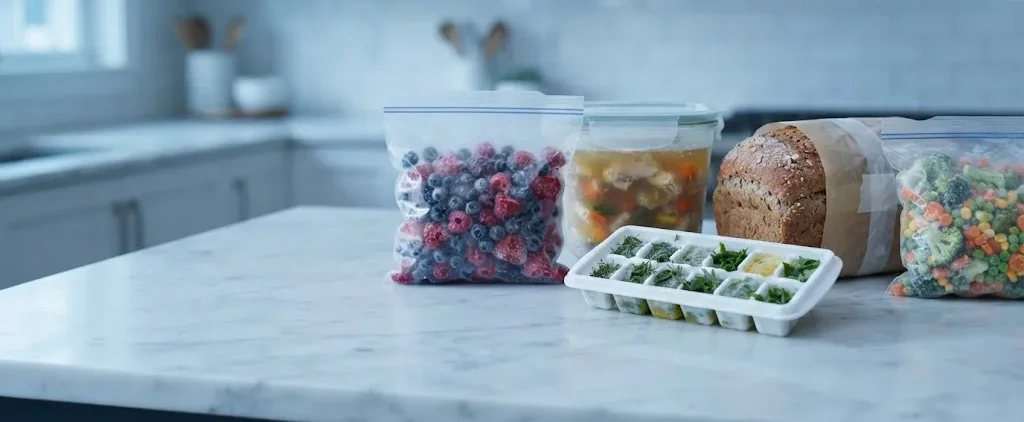
Yes, but they become very soft and mushy when thawed, so they are best used in smoothies, baking, or sauces rather than eaten fresh.
Why
Raspberries have a high water content and delicate cell structures. When they freeze, expanding ice crystals puncture these walls, causing the berries to collapse and release their juices upon thawing. While this ruins their fresh plump texture, it does not affect their safety or nutritional value. Because of this softening, thawed raspberries work wonderfully in cooked dishes, baked goods, jams, and blended drinks, but they will not hold their shape if served on top of cereal or salads.
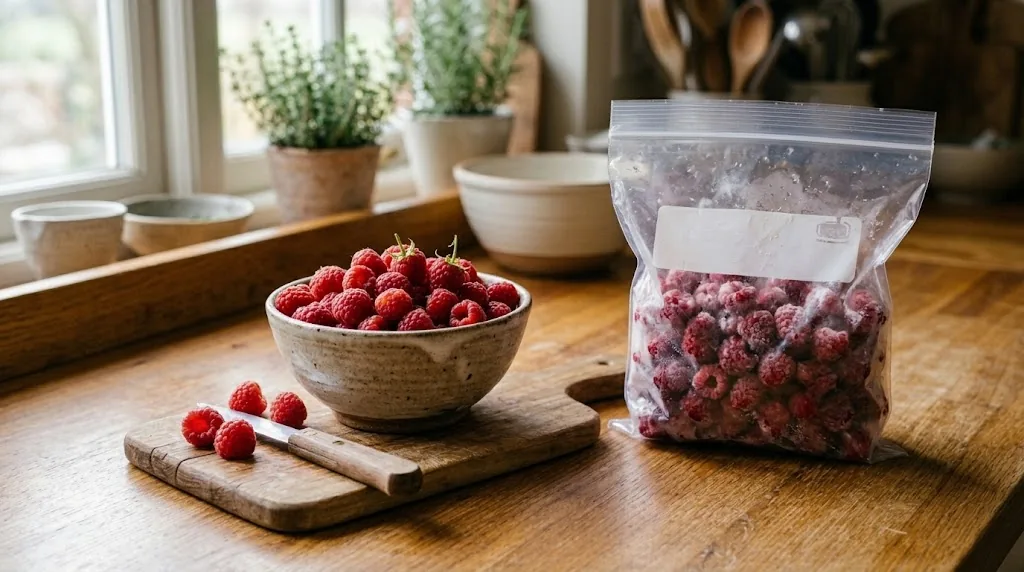
What freezing does to raspberries
- Texture: Becomes soft, delicate, and loses its structural integrity due to cell damage.
- Flavor: Remains largely sweet and tart, though extremely ripe berries may taste slightly more acidic.
- Color: May dull slightly over long periods, especially if minor freezer burn develops.
Types of raspberries and how they freeze
- Wild raspberries: Wild raspberries are smaller and more fragile than cultivated varieties, meaning they break down even faster and should be reserved entirely for smooth purées or strained jams.
- Golden raspberries: Golden raspberries have a slightly sweeter and less acidic flavor profile, but they follow the exact same freezing and thawing behavior as red raspberries.
How to freeze raspberries
- Sort through the raspberries and discard any moldy or bruised ones.
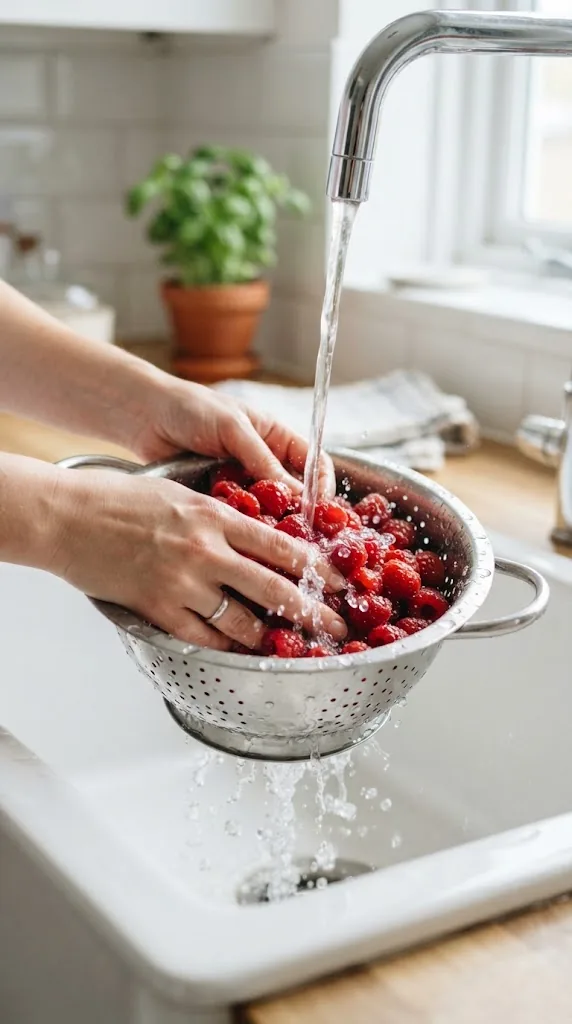
- Gently rinse them in a colander and pat them completely dry with paper towels to prevent clumping.
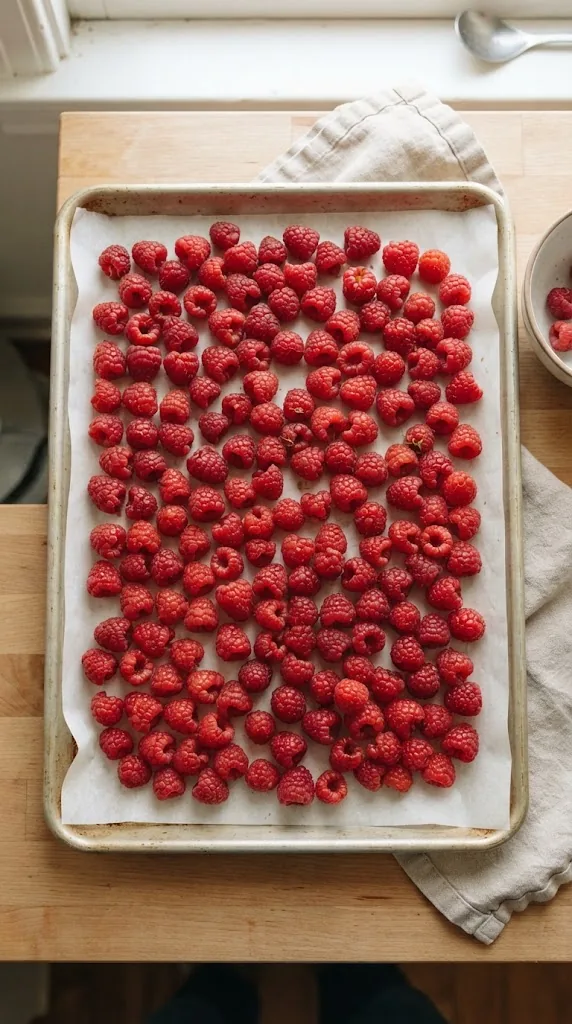
- Arrange the berries in a single layer on a parchment-lined baking sheet.
- Place the baking sheet in the freezer for two to three hours until the raspberries are frozen solid.
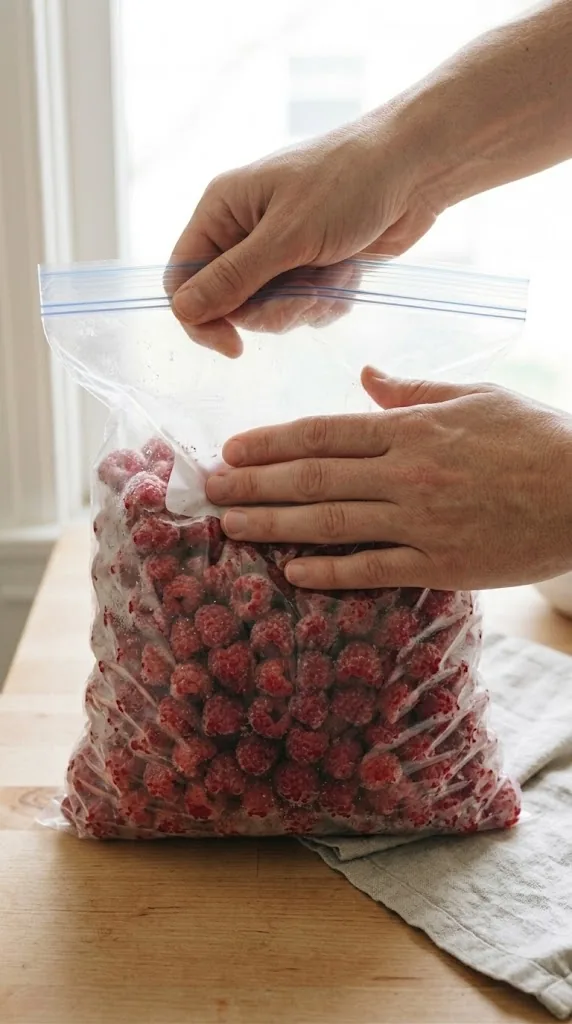
- Transfer the flash-frozen raspberries into airtight freezer bags or containers, squeeze out excess air, and label with the date.
Best containers for freezing raspberries
- Freezer bags: press out as much air as you can and freeze them flat so they stack and thaw faster.
- Airtight rigid containers: best for soft or liquid foods. Leave about 1/2 inch of headspace because food expands as it freezes.
- Sheet pan first: freeze pieces in a single layer for an hour or two, then bag them so they don’t clump together.
- Label everything: write the item and the date on every package.
For raspberries: Flash-freeze the berries in a single layer on a baking sheet before transferring them to heavy-duty freezer bags to prevent them from fusing into one solid block.
How to thaw raspberries
- Place the desired amount of raspberries in a bowl in the refrigerator for a few hours until thawed.
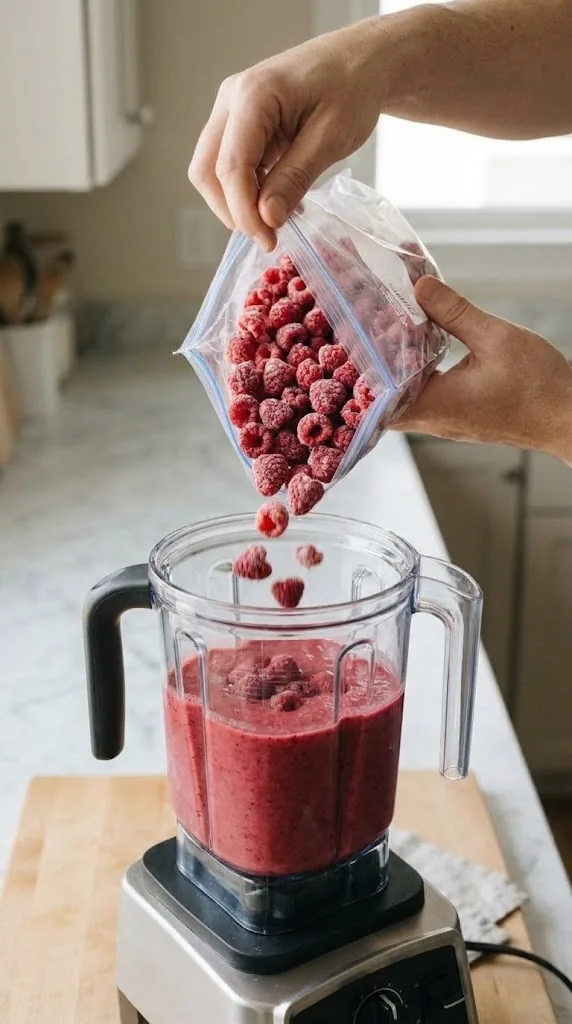
- Use them straight from frozen in smoothies, oatmeal, muffins, or pancake batter without thawing.
- Add them directly to saucepans while making jams, compotes, or dessert sauces.
Best ways to use frozen raspberries
- Great for blending directly into frozen morning smoothies
- Great for folding into muffin, scone, and pancake batters
- Great for simmering down into dessert sauces and stovetop jams
- Not for topping fresh salads or dry breakfast cereals where a plump shape is needed
Fixing the texture: There is no way to restore the original plump structure of thawed raspberries, but you can blend them or mash them into liquids to hide the softened texture completely.
How long raspberries keeps
| Where | How long |
|---|---|
| Freezer (0°F / -18°C) | 10-12 months |
| Refrigerator (40°F / 4°C) | 1-2 days |
| Pantry / counter | Not recommended |
Can you refreeze raspberries?
Yes, you can refreeze thawed raspberries safely if they were thawed in the refrigerator and have not spent more than two hours in the danger zone, though a second freeze will cause the texture to degrade even further into mush. If they were thawed using other methods, you must cook them into a dish before freezing.
- Freeze raspberries in small portions so you only thaw what you need at one time.
- Cook thawed berries into a compote or jam before freezing them again to salvage their usability.
- Cool any cooked raspberry dishes quickly in shallow containers and refrigerate within two hours before freezing.
The rules for every food: Can you refreeze food after thawing?
Watch out for
- Thawed raspberries will be very soft and watery, losing their original fresh texture completely.
- Stacking heavy items on top of frozen berries in the freezer will crush them into a solid block.
- For the best flavor and minimal freezer burn, try to consume the frozen berries within three months.
Food safety notes
If raspberries were thawed safely in the refrigerator, they can be refrozen within a few days without food safety issues, though the texture will degrade further. Discard any thawed berries that show signs of mold, off odors, or sliminess.
Other ways to keep raspberries
- Store fresh unwashed raspberries in the refrigerator in a breathable container for up to three days.
- Turn excess raspberries into homemade jam or jelly and process them using a tested recipe for long-term pantry storage.
- Dehydrate the berries in a food dehydrator to create chewy dried fruit snacks.
Common questions
Do I need to wash raspberries before freezing them?
Yes, but you must ensure they are completely dry before putting them in the freezer. Any leftover surface moisture will cause the berries to freeze together into a solid, icy clump.
Why do my frozen raspberries turn to mush?
The freezing process turns the water inside the fruit into ice crystals, which rupture the delicate cell walls of the raspberry. When the fruit thaws, those walls collapse and release all their juices.
Can I refreeze thawed raspberries?
You can refreeze them safely if they were thawed in the refrigerator, but the texture will become even mushier. It is best to only thaw the amount you plan to use immediately.
Can I freeze raspberries in sugar to help them keep their shape?
Yes, tossing raspberries with a small amount of sugar before freezing draws out some moisture and creates a light syrup that helps the fruit retain a slightly firmer texture.
How can I prevent my frozen raspberries from getting freezer burn?
Squeeze as much air out of your freezer bags as possible before sealing them, or use vacuum-sealing equipment to protect the delicate berries from circulating cold air.
Sources
- USDA FSIS: Freezing and Food Safety
- FoodSafety.gov: FoodKeeper storage times
- National Center for Home Food Preservation: Freezing
Freezer times are for best quality. Food kept at 0°F (-18°C) stays safe indefinitely, but always thaw it in the fridge, in cold water or in the microwave, never on the counter. When in doubt, throw it out. See the USDA freezing guide.