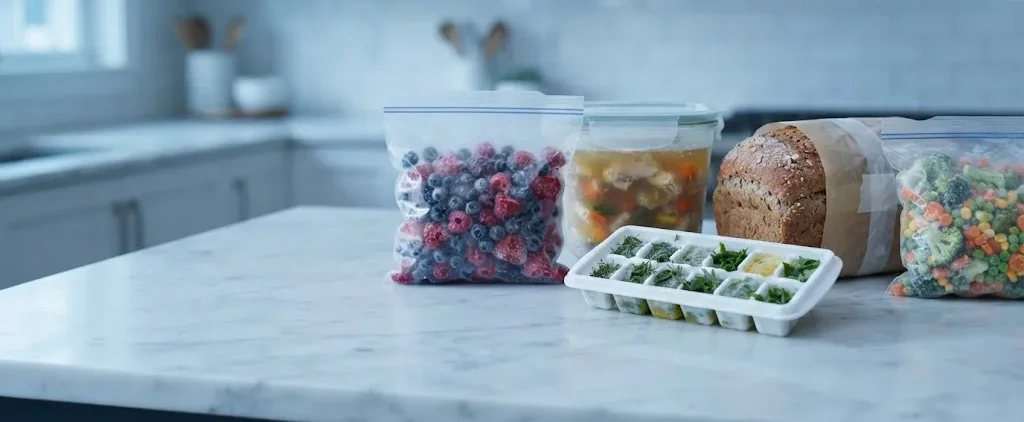
Yes, but they freeze best mashed or pureed with a little lemon or lime juice. Thawed avocado is too soft to slice, so plan to use it in guacamole, smoothies, spreads or baking.
Why
Avocados have a very high fat and water content. When whole avocados are frozen, ice crystals rupture the cell walls, causing the flesh to turn mushy, watery, and brown upon thawing. The most reliable way to preserve them is to mash the flesh and mix in an acid like lemon or lime juice to slow down oxidation. While the texture becomes too soft for slicing in salads, the frozen puree remains suitable for smoothies, dips, and baking.
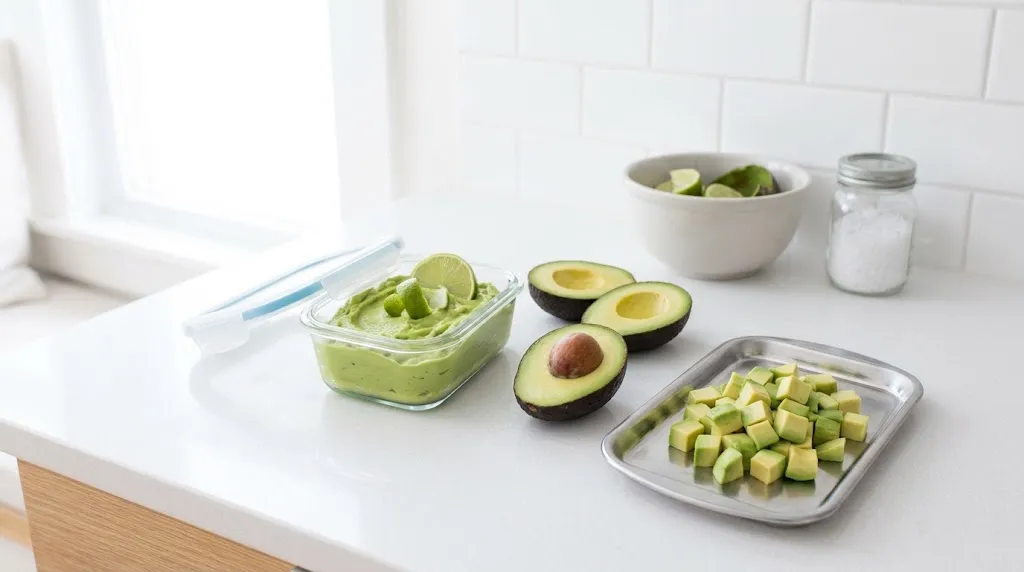
What freezing does to avocados
- Texture: Becomes significantly softer and somewhat watery due to cellular breakdown from ice crystals.
- Color: May develop subtle grayish or brownish hues at the edges if not properly mixed with citrus acid.
- Flavor: Generally remains stable and rich, provided it was stored airtight to prevent rancidity.
Types of avocados and how they freeze
- Whole avocados: Freezing whole leads to a watery and inedible mess inside the skin; always peel and mash before storing.
- Sliced avocado: Slices can be frozen after an acid wash and flash-freezing on a tray, but they will still thaw very limp and soft.
- Guacamole: Pre-made guacamole freezes exceptionally well if sealed tightly with no air contact, thanks to the added lime, onion, and spices.
How to freeze avocados
- Select ripe avocados that yield slightly to gentle pressure.
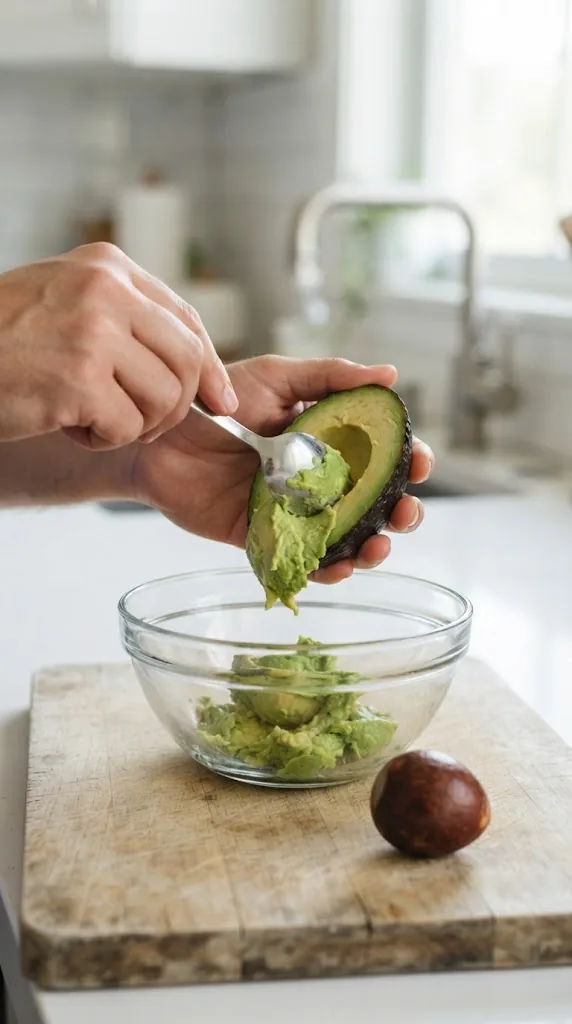
- Cut them in half, remove the pit, and scoop the flesh out into a bowl.
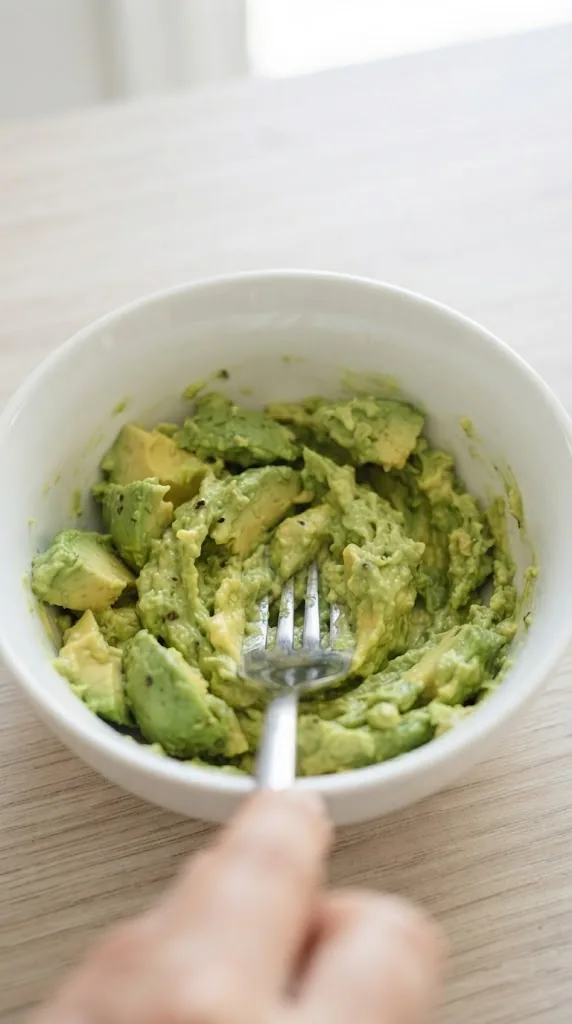
- Mash the avocado flesh thoroughly with a fork or food processor.
- Mix in one tablespoon of lemon or lime juice per avocado to prevent browning.
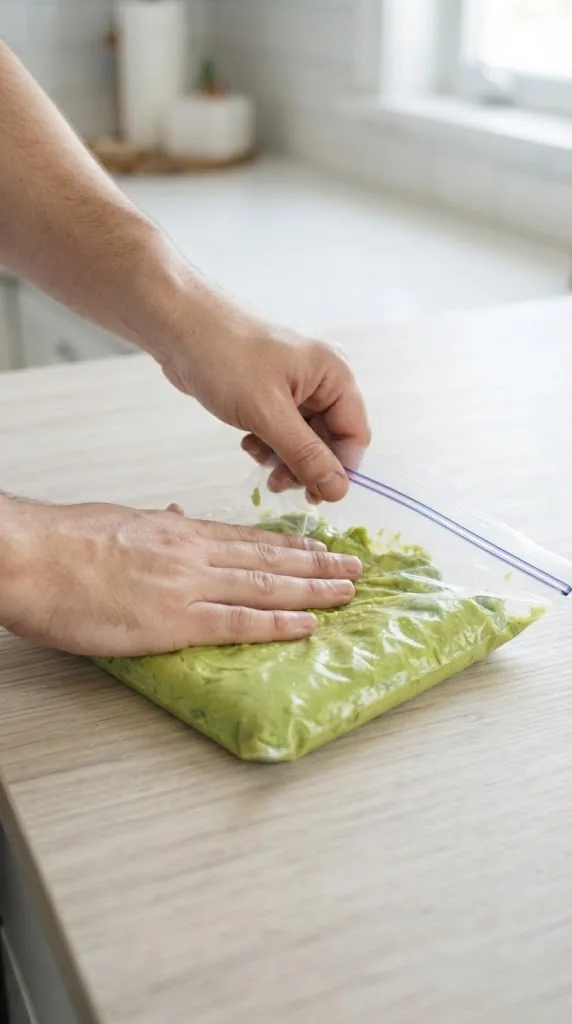
- Pack the mashed avocado tightly into freezer-safe containers or ziplock bags, pressing out all excess air to prevent freezer burn.
- Label with the date and place in the freezer.
Best containers for freezing avocados
- Freezer bags: press out as much air as you can and freeze them flat so they stack and thaw faster.
- Airtight rigid containers: best for soft or liquid foods. Leave about 1/2 inch of headspace because food expands as it freezes.
- Sheet pan first: freeze pieces in a single layer for an hour or two, then bag them so they don’t clump together.
- Label everything: write the item and the date on every package.
For avocados: Pack mashed avocado tightly into heavy-duty freezer bags or vacuum-seal bags to press out every pocket of air and prevent oxidation.
How to thaw avocados
- Transfer the sealed container or bag of frozen avocado from the freezer to the refrigerator.
- Allow it to thaw overnight for 12 to 24 hours.
- Use the thawed avocado immediately for best results.
Best ways to use frozen avocados
- Great for blending directly into green breakfast smoothies
- Works well as a base for thawed homemade guacamole
- Ideal for mixing into dressings and cold sauces
- Not for slicing neatly onto sandwiches or salads
Fixing the texture: Stir the thawed avocado vigorously or blend it with a splash of lime juice or sour cream to restore a smoother, creamier consistency.
How long avocados keeps
| Where | How long |
|---|---|
| Freezer (0°F / -18°C) | 4-6 months |
| Refrigerator (40°F / 4°C) | 1-2 days |
| Pantry / counter | 4-7 days |
Can you refreeze avocados?
No, you should not refreeze thawed avocado. Once thawed, the texture becomes unpleasantly mushy and watery, and a second freeze will severely degrade the quality and cause heavy browning.
- Freeze mashed avocado in small, single-use portions so you only thaw what you need at one time.
- Incorporate thawed avocado into baked goods or cooked dishes before attempting to freeze the final prepared meal.
- Discard any thawed avocado that has been left at room temperature for more than two hours.
The rules for every food: Can you refreeze food after thawing?
Watch out for
- Avocados frozen whole in their skins thaw brown, watery and hard to peel. Halve, peel and mash them first.
- Thawed avocado will have a softer, watery texture and is not suitable for slicing on top of salads or sandwiches.
- Avocados contain high amounts of healthy fats that can turn rancid over extended storage periods.
Food safety notes
Thaw frozen avocado exclusively in the refrigerator and discard any portions that show signs of spoilage, sour odors, or deep discoloration. Never refreeze avocado once it has been fully thawed.
Other ways to keep avocados
- Store unripe avocados at room temperature on the counter until they reach the desired ripeness.
- Keep ripe whole avocados in the refrigerator crisper drawer for up to one week to slow down further ripening.
- Make guacamole and keep it in the fridge for 1-2 days with plastic wrap pressed directly onto the surface.
Common questions
Can you freeze whole avocados?
You can, but the results are poor: the flesh thaws brown, watery and mushy, and the skin is hard to remove. For the best results, mash the flesh with lemon or lime juice before freezing.
Why does frozen avocado turn brown?
Avocados contain an enzyme that reacts with oxygen to cause browning. Adding lemon or lime juice before freezing helps inhibit this enzymatic reaction.
Can you freeze sliced avocado?
Yes. Brush chunks or slices with lemon or lime juice and flash freeze them on a lined tray before bagging. They thaw soft, so use them in smoothies or blend them into dips rather than slicing them onto toast.
Can you freeze avocado with the pit left inside?
No, leaving the pit in the avocado while freezing does not prevent browning or texture breakdown, and it makes the flesh awkward to scoop and process.
Does adding oil help preserve frozen avocado?
Yes, swirling a thin layer of olive oil over the surface of mashed avocado before sealing the container creates an extra barrier against oxygen and helps maintain its vibrant green color.
Sources
- USDA FSIS: Freezing and Food Safety
- FoodSafety.gov: FoodKeeper storage times
- National Center for Home Food Preservation: Freezing
Freezer times are for best quality. Food kept at 0°F (-18°C) stays safe indefinitely, but always thaw it in the fridge, in cold water or in the microwave, never on the counter. When in doubt, throw it out. See the USDA freezing guide.