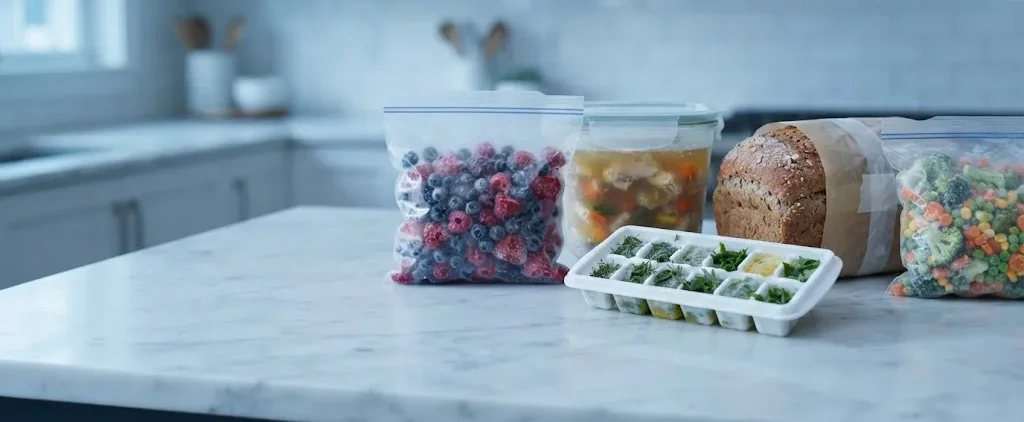
Yes, but whole lemons become mushy when thawed, so it is best to freeze them as juice, zest, or slices.
Why
Lemons have a high water content and delicate cellular structure. When you freeze a whole lemon, the water inside expands as it turns into ice crystals, which rupture the cell walls. Once thawed, the lemon will be limp, mushy, and lose its firm texture, making it difficult to squeeze by hand. However, freezing lemon juice and zest preserves the bright flavor remarkably well, allowing you to easily add citrus punch to recipes months down the line.
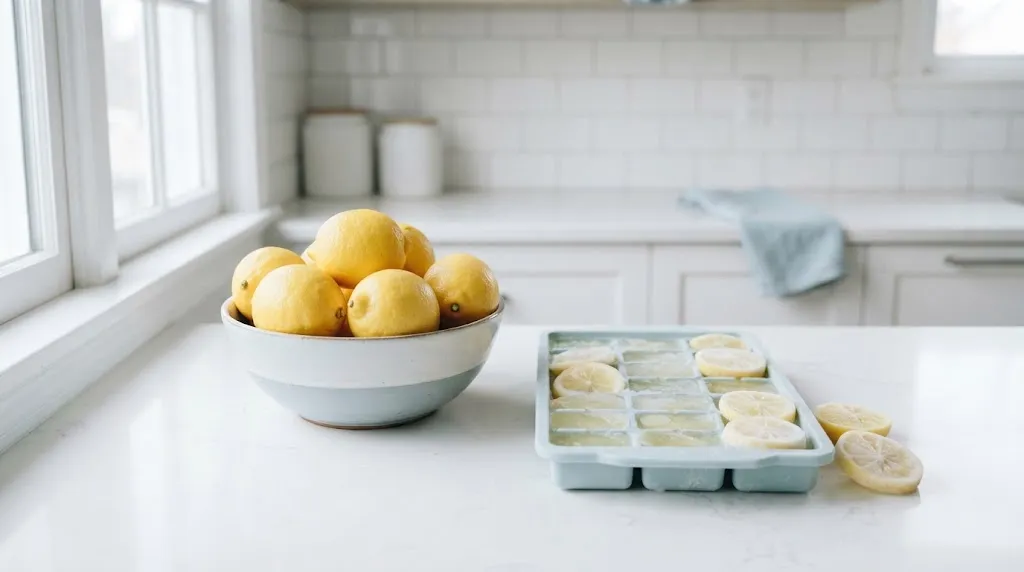
What freezing does to lemons
- Texture: Cell walls rupture during freezing, causing whole lemons to become completely soft and mushy once thawed.
- Flavor: The essential oils and bright citrus taste remain vibrant and well-preserved when frozen as juice or zest.
- Moisture: Thawed whole lemons release a significant amount of liquid and lose their firm structure, making them limp.
Types of lemons and how they freeze
- Whole lemons: Freezing them whole is not recommended because the thawed fruit loses its structural integrity and becomes difficult to squeeze.
- Lemon slices: Flash-freeze individual rounds on a baking sheet before bagging so they do not stick together, making them easy to drop into iced drinks.
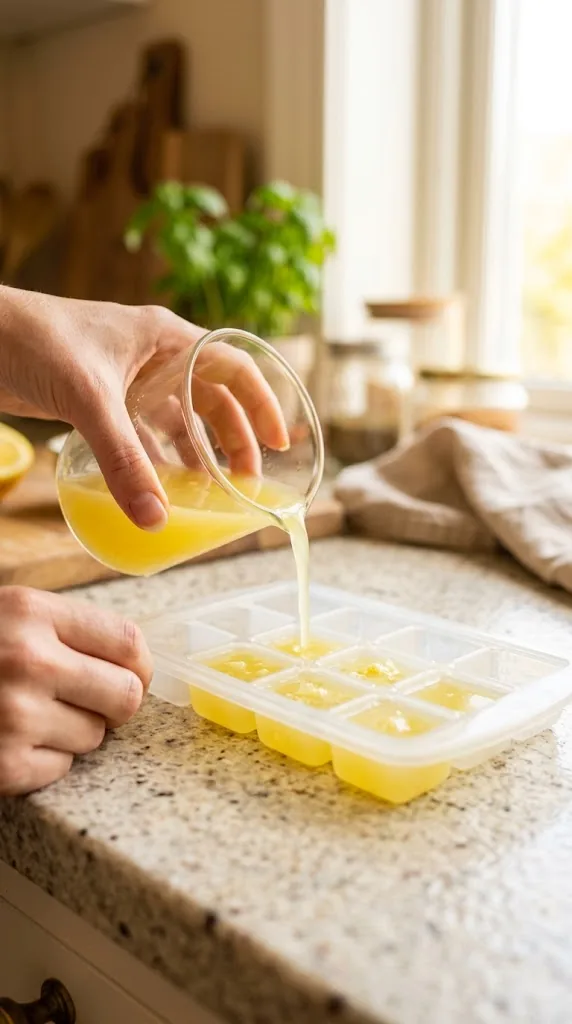
- Lemon juice: Freeze in silicone ice cube trays for easy portioning, then transfer the cubes to a heavy-duty freezer bag.
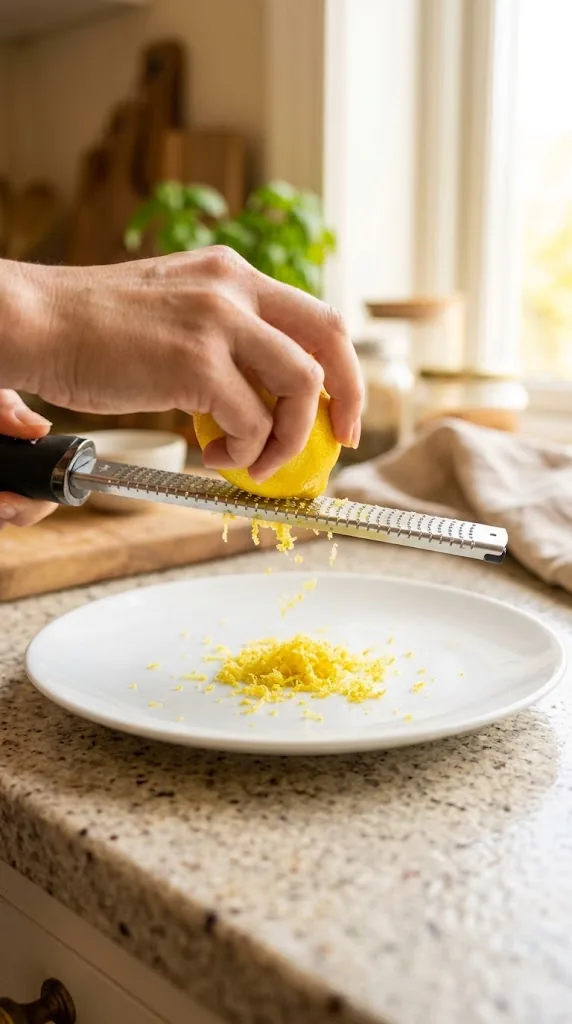
- Lemon zest: Grate the yellow peel only and freeze it in small portions or mixed with a little sugar or water to prevent it from drying out.
How to freeze lemons
- Wash and dry whole lemons thoroughly.
- For juice, squeeze the lemons and pour the liquid into ice cube trays.
- For zest, use a microplane to grate the yellow peel before juicing.
- Freeze the juice cubes or zest portions completely.
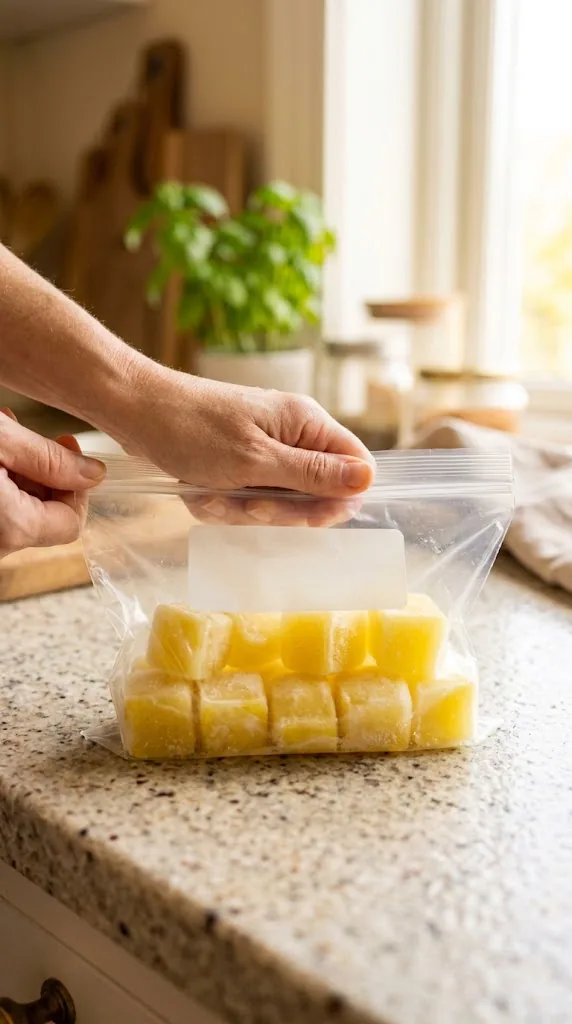
- Transfer the frozen cubes into a heavy-duty freezer bag, remove as much air as possible, seal, and label with the date.

Best containers for freezing lemons
- Freezer bags: press out as much air as you can and freeze them flat so they stack and thaw faster.
- Airtight rigid containers: best for soft or liquid foods. Leave about 1/2 inch of headspace because food expands as it freezes.
- Sheet pan first: freeze pieces in a single layer for an hour or two, then bag them so they don’t clump together.
- Label everything: write the item and the date on every package.
For lemons: Use silicone ice cube trays for freezing juice into convenient portions, and transfer the frozen cubes into a heavy-duty, airtight freezer bag while pressing out excess air.
How to thaw lemons
- Place frozen lemon juice cubes directly into hot soups, teas, or sauces to melt immediately.
- Pop the desired number of juice cubes into a bowl and thaw in the refrigerator overnight for cold recipes.
Best ways to use frozen lemons
- Great for dropping frozen juice cubes directly into hot tea, soups, or warm sauces.
- Excellent for stirring thawed zest into baked goods, cookies, and quick breads.
- Ideal for adding citrus flavor to marinades, salad dressings, and cocktails.
- Not suitable for slicing fresh as a raw garnish after being frozen whole.
How long lemons keeps
| Where | How long |
|---|---|
| Freezer (0°F / -18°C) | 3-4 months |
| Refrigerator (40°F / 4°C) | 1 month |
| Pantry / counter | 1 week |
Can you refreeze lemons?
Yes, you can refreeze thawed lemon juice or zest as long as they were thawed safely in the refrigerator and were not left at room temperature for more than two hours. However, repeating the freezing and thawing cycle will further degrade the texture of lemon slices and cause the juice to lose more of its bright, fresh aroma and flavor.
- Refreeze lemon juice and zest in small portions so you only thaw what you need for a single recipe.
- If you thawed whole lemons or lemon slices improperly on the counter, cook them into a sauce or baked good before freezing the final dish.
- Inspect thawed lemon products for any off odors or changes in appearance before deciding to freeze them a second time.
The rules for every food: Can you refreeze food after thawing?
Watch out for
- Whole lemons will lose their structural integrity and become soft and mushy after thawing.
- Leave a little space at the top of juice containers, since the juice expands as it freezes.
- Ensure freezer bags are tightly sealed to prevent the pungent citrus aroma from permeating other foods.
Food safety notes
Lemon juice is high in acid and generally safe from most bacterial growth, but always ensure your ice cube trays and storage bags are thoroughly clean. Thaw frozen portions safely in the refrigerator overnight rather than on the counter.
Other ways to keep lemons
- Store whole fresh lemons on the counter for up to a week.
- Keep lemons in a sealed plastic bag in the refrigerator crisper drawer for up to a month.
- Preserve lemons in salt in a sterilized glass jar.
Common questions
Can you freeze whole lemons?
You can freeze whole lemons, but the texture becomes very mushy and soft once thawed. It is much better to freeze the juice or zest for cooking and baking.
How long does frozen lemon juice last?
Lemon juice retains its optimal flavor and vitamin content for about 3 to 4 months in the freezer when stored properly in airtight containers.
Can I freeze lemon slices?
Yes, you can flash-freeze individual lemon slices on a baking sheet and then store them in a bag. These slices work well straight from the freezer dropped directly into iced drinks.
Can I freeze store-bought bottled lemon juice?
Yes, you can freeze store-bought lemon juice in ice cube trays or freezer-safe containers, though it may lose a bit of its brightness compared to freshly squeezed juice.
Does frozen lemon zest lose its aroma?
Lemon zest retains its aromatic oils quite well in the freezer for a few months, especially if stored in an airtight bag to prevent the pungent scent from escaping.
Sources
- USDA FSIS: Freezing and Food Safety
- FoodSafety.gov: FoodKeeper storage times
- National Center for Home Food Preservation: Freezing
Freezer times are for best quality. Food kept at 0°F (-18°C) stays safe indefinitely, but always thaw it in the fridge, in cold water or in the microwave, never on the counter. When in doubt, throw it out. See the USDA freezing guide.