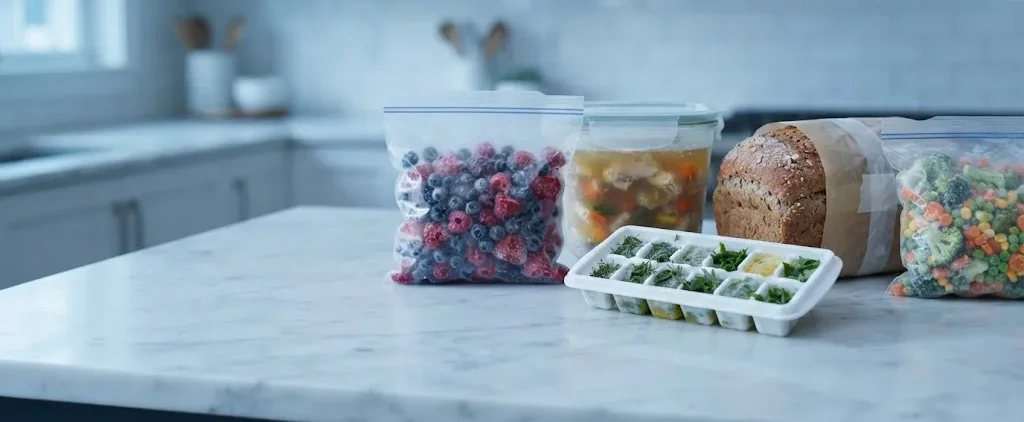
Yes, but plums change in texture and become very soft after freezing, making them best suited for cooked dishes, baking, or smoothies rather than eating fresh.
Why
Plums have a high water content, which causes large ice crystals to form during the freezing process. When thawed, these ice crystals rupture the cell walls of the fruit, resulting in a mushy and watery texture. While this ruins their crisp bite for snacking, freezing preserves their flavor remarkably well, meaning they can still be easily utilized in cooked recipes, compotes, or smoothies where texture is not the primary concern.
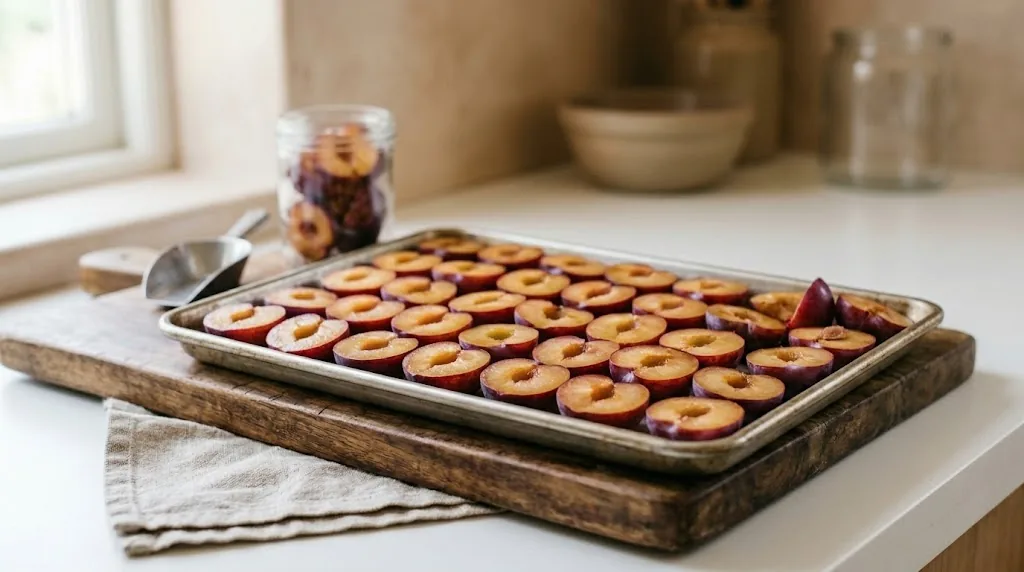
What freezing does to plums
- Texture: Becomes soft, watery, and mushy due to cellular damage from ice crystals.
- Flavor: Remains sweet, tart, and vibrant with very little degradation.
- Color: Retains its natural hue well, though bright skins may slightly dull over prolonged storage.
Types of plums and how they freeze
- Clingstone vs Freestone: Freestone plums are much easier to pit before freezing, whereas clingstone flesh clings tightly to the pit and requires careful paring.
- Sugar Plum vs Large European Plums: Smaller varieties like sugar plums can sometimes be frozen whole if halved pitting is skipped, but they still soften significantly.
How to freeze plums
- Wash the plums thoroughly and pat them completely dry with a clean towel.
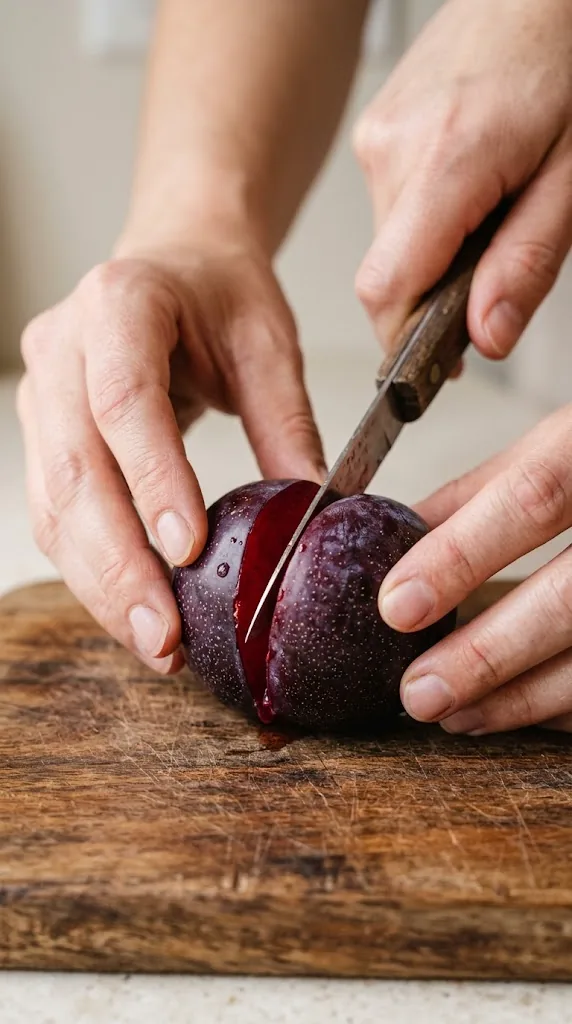
- Cut the plums in half and remove and discard the pits.
- Slice the fruit into wedges or leave them in halves depending on your preference.
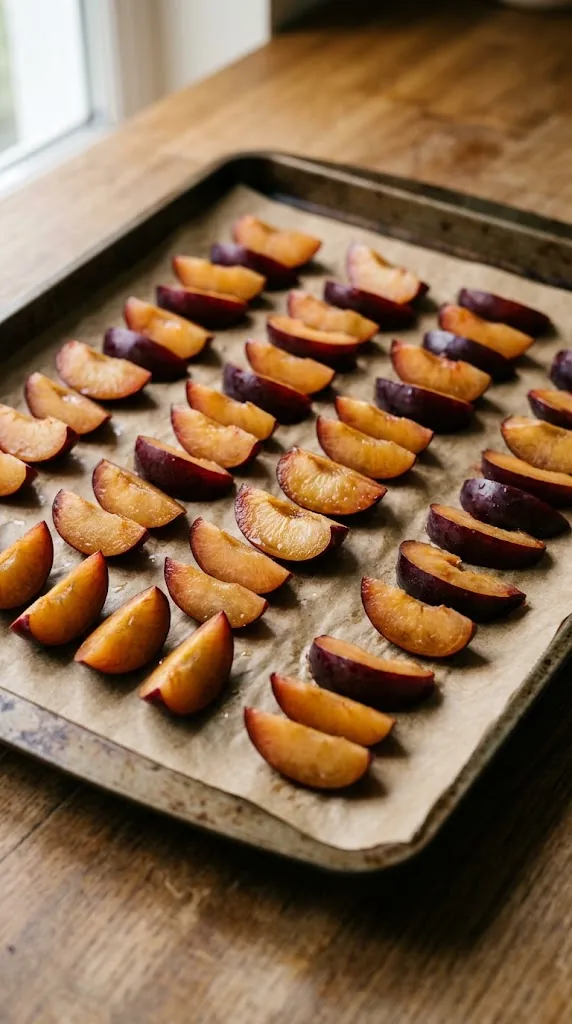
- Place the plum pieces in a single layer on a parchment-lined baking sheet and freeze for two to three hours until solid.
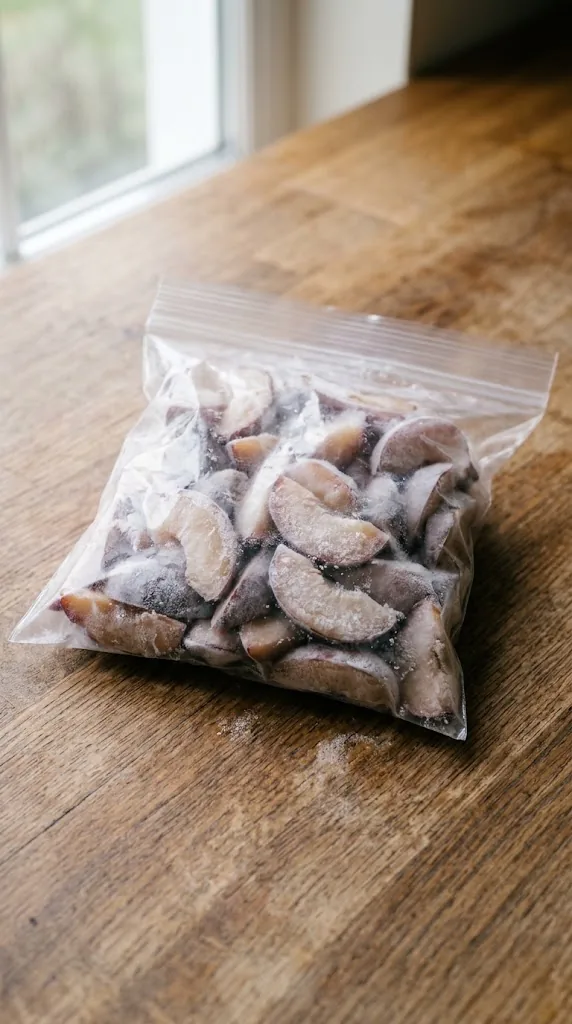
- Transfer the frozen plum pieces into a heavy-duty freezer bag or airtight container, pressing out as much air as possible before sealing.
- Label the bag with the current date and the contents.
Best containers for freezing plums
- Freezer bags: press out as much air as you can and freeze them flat so they stack and thaw faster.
- Airtight rigid containers: best for soft or liquid foods. Leave about 1/2 inch of headspace because food expands as it freezes.
- Sheet pan first: freeze pieces in a single layer for an hour or two, then bag them so they don’t clump together.
- Label everything: write the item and the date on every package.
For plums: Flash-freeze plum slices on a baking sheet before transferring them to heavy-duty freezer bags to prevent the pieces from clumping together.
How to thaw plums
- Place the frozen plums in the refrigerator overnight until fully thawed.
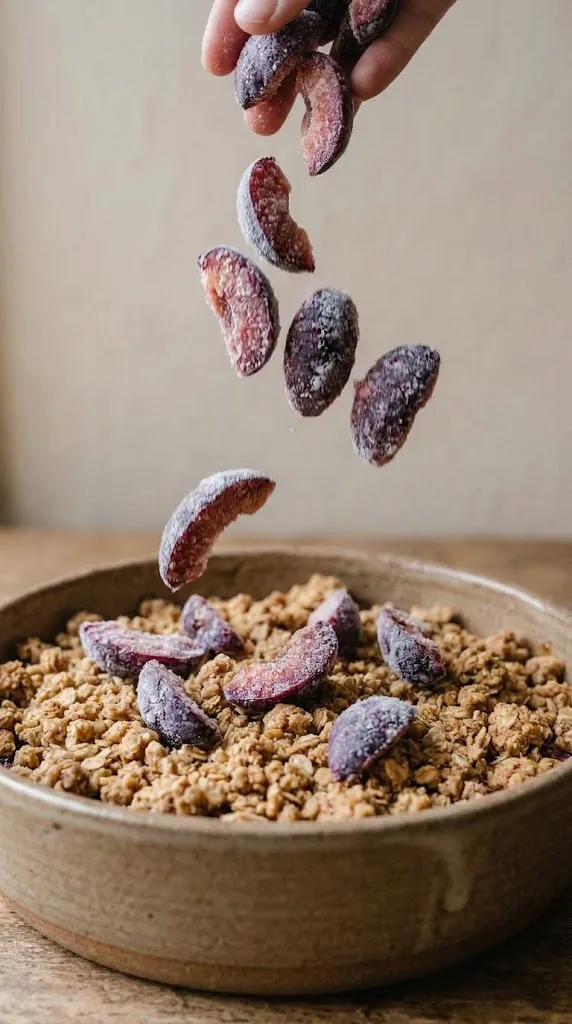
- Alternatively, use them straight from the frozen state in baked goods, sauces, or smoothies without prior thawing.
Best ways to use frozen plums
- Great in baked crumbles, crisps, and pies.
- Ideal for morning smoothies and blended fruit drinks.
- Not for fresh fruit salads, garnishes, or snacking raw due to the mushy texture.
Fixing the texture: Drain excess liquid in a colander after thawing if using in pies, or blend them directly into purees and sauces where texture matters less.
How long plums keeps
| Where | How long |
|---|---|
| Freezer (0°F / -18°C) | 6-12 months |
| Refrigerator (40°F / 4°C) | 3-5 days |
| Pantry / counter | 1-3 days if ripening |
Can you refreeze plums?
Yes, you can refreeze plums if they were thawed safely in the refrigerator and have not been left at room temperature for more than two hours. However, because freezing causes ice crystals to rupture the cell walls, refreezing will make the thawed plums even softer and mushier, noticeably diminishing their quality for baking or smoothies.
- Cook the thawed plums into a compote, sauce, or baked dish before refreezing to help salvage the texture.
- Freeze plums in smaller, single-use portions so you only thaw what you need and avoid repeated thawing.
- Cool any cooked plum dishes rapidly in shallow containers and refrigerate them before placing them back in the freezer.
The rules for every food: Can you refreeze food after thawing?
Watch out for
- Thawed plums will be very soft and mushy, so do not expect them to retain their fresh crunch.
- Be sure to remove the pits before freezing, as frozen pitted plums are much easier to handle and pit removal becomes difficult after freezing.
- Prevent freezer burn by ensuring your storage bags or containers are genuinely airtight.
Food safety notes
Always thaw frozen plums safely in the refrigerator and discard any fruit that develops an off odor, mold, or signs of spoilage.
Other ways to keep plums
- Store firm unwashed plums on the counter until ripe, then move them to the refrigerator crisper drawer for up to five days.
- Dehydrate plum slices into dried fruit or prunes.
- Can plum halves or jam using a tested home-canning recipe.
Common questions
Can I freeze plums whole?
It is not recommended to freeze plums whole because the skin can toughen and the pit becomes very difficult to remove once frozen. For best results, wash, halve, and pit the plums before placing them in the freezer.
Do I need to peel plums before freezing?
No, you do not need to peel plums before freezing. The skin softens significantly during the freezing and thawing process and generally blends smoothly into sauces, jams, and smoothies.
Can I use frozen plums directly in baking?
Yes, you can add frozen plum slices directly into crumbles, crisps, pies, and muffins without thawing them first. Just keep in mind they may release a bit of extra moisture as they bake.
Can I freeze plums with sugar sprinkled on them?
Yes, tossing plum slices in a little sugar before freezing helps draw out juices and protects the fruit texture and flavor during long-term freezer storage.
Will frozen plums turn brown in the freezer?
Plums can oxidize and brown slightly when exposed to air; dipping sliced plums in a mixture of water and lemon juice prior to freezing helps prevent discoloration.
Sources
- USDA FSIS: Freezing and Food Safety
- FoodSafety.gov: FoodKeeper storage times
- National Center for Home Food Preservation: Freezing
Freezer times are for best quality. Food kept at 0°F (-18°C) stays safe indefinitely, but always thaw it in the fridge, in cold water or in the microwave, never on the counter. When in doubt, throw it out. See the USDA freezing guide.