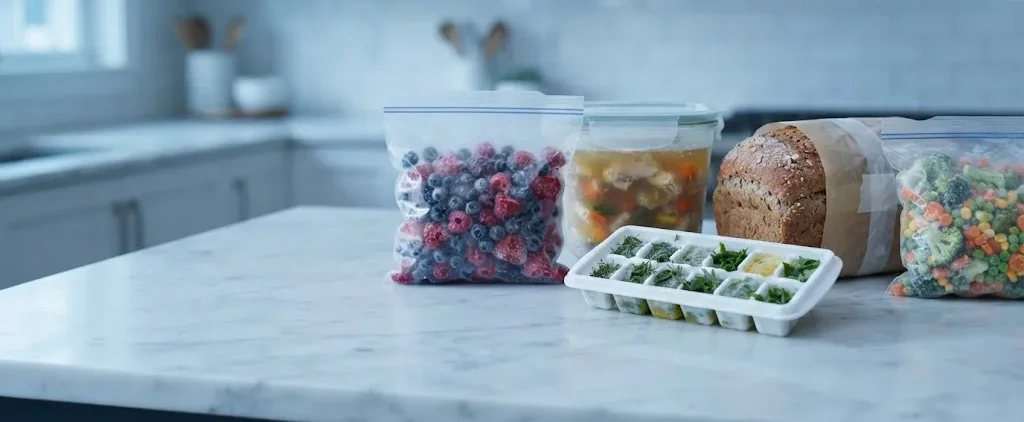
Yes, you can freeze bananas, and they are one of the best fruits for freezing. Peel them first. Thawed bananas are soft and mushy, which makes them ideal for smoothies and baking rather than eating fresh.
Why
Bananas have a high water content and delicate cell walls. When frozen, the water inside expands and ruptures these cells, which is why thawed bananas lose their firm structure and become very soft and watery. However, this textural change does not affect their sweet flavor. Because they blend smoothly and mash easily after thawing, they perform exceptionally well in cooked or blended recipes.
What freezing does to bananas
- Texture: Cell walls rupture during freezing, causing the thawed fruit to become very soft and mushy.
- Flavor: Natural sugars concentrate slightly, making the flavor taste even sweeter and more pronounced.
- Color: Enzymatic browning may cause the flesh to darken slightly over time when exposed to trapped air.
Types of bananas and how they freeze
- Whole unpeeled: Freezing whole bananas with the skin on is extremely difficult because the peel turns black and adheres tightly to the fruit.
- Sliced rounds: Slicing bananas into rounds before flash-freezing makes them easy to measure and toss directly into a blender.
- Pureed or mashed: Mashing overripe bananas with a splash of lemon juice before freezing prevents browning and prepares them instantly for future baking.
How to freeze bananas
- Select ripe bananas that are yellow with some brown spots for the best sweet flavor.
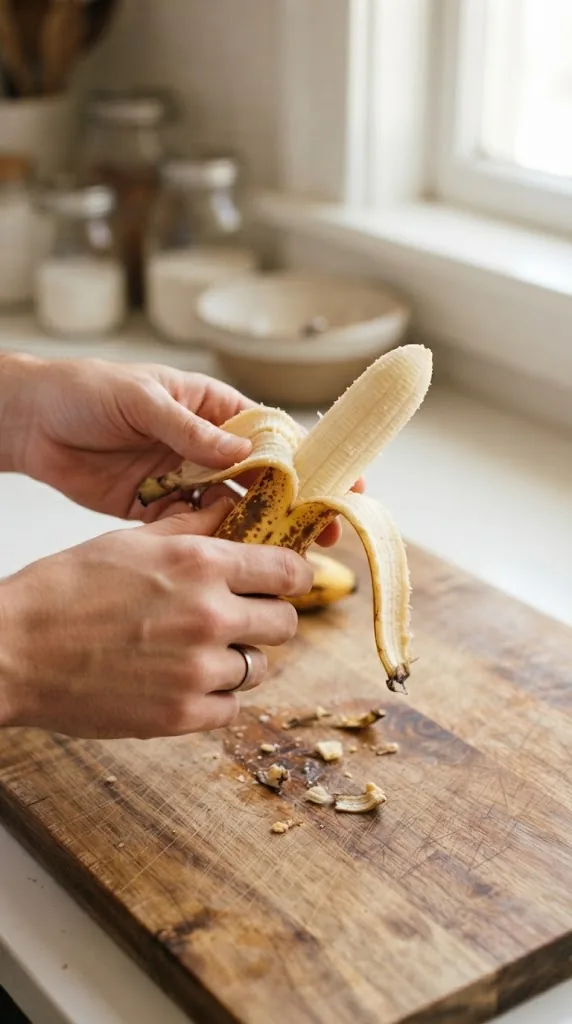
- Peel the bananas completely before freezing, as the skins become impossible to remove once frozen.
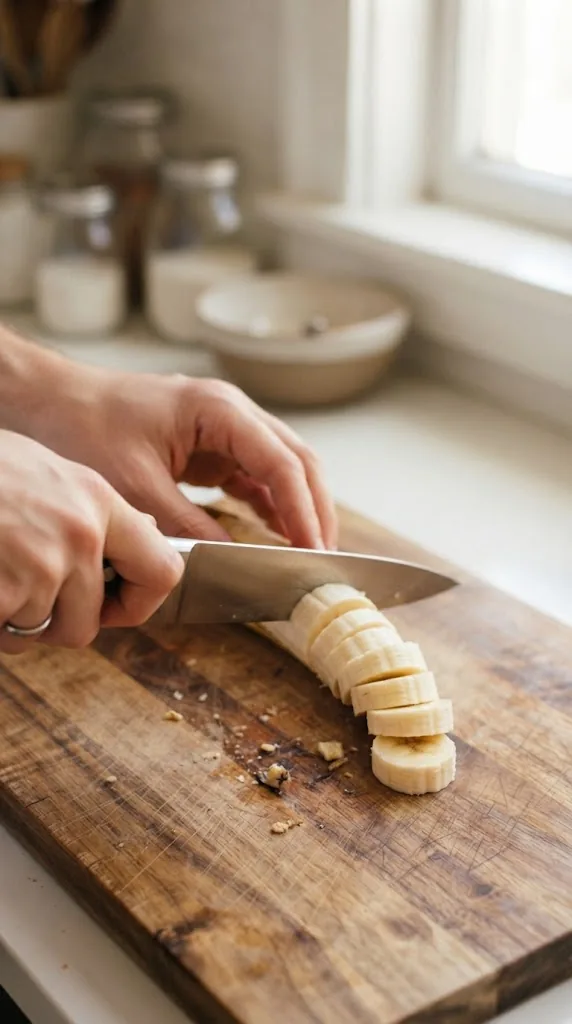
- Slice the bananas into rounds or leave them whole depending on your intended use.
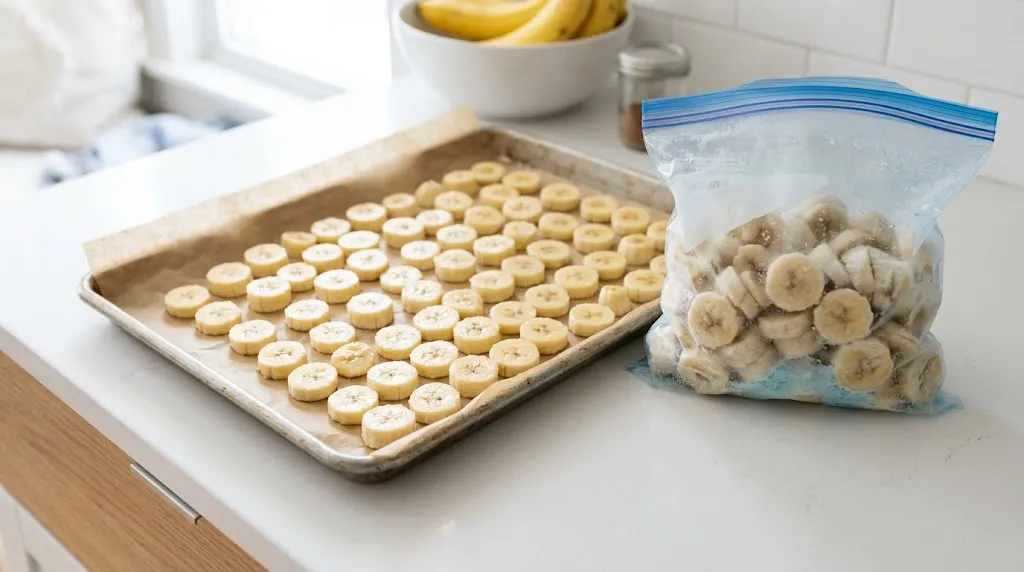
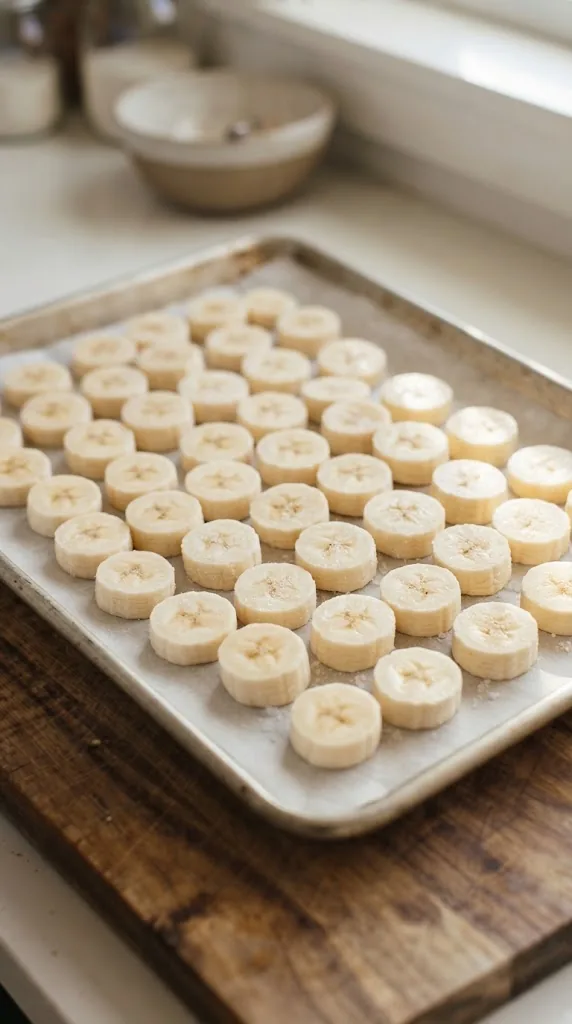
- Place the banana pieces in a single layer on a parchment-lined baking sheet and freeze for two hours until solid.
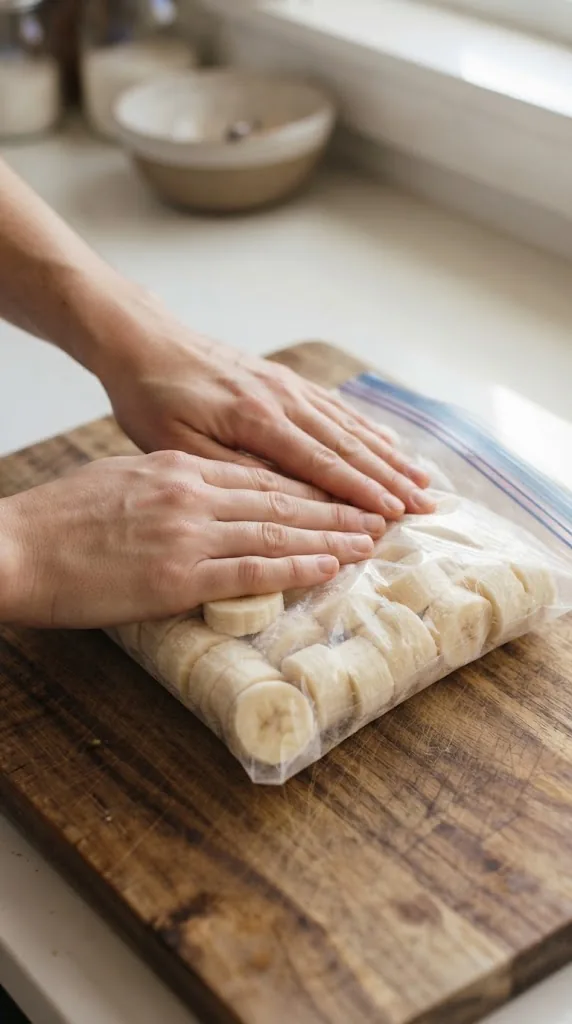
- Transfer the frozen banana pieces into a heavy-duty freezer bag or airtight container, squeeze out excess air, and seal tightly.
- Label the bag with the current date and use-by timeframe.
Best containers for freezing bananas
- Freezer bags: press out as much air as you can and freeze them flat so they stack and thaw faster.
- Airtight rigid containers: best for soft or liquid foods. Leave about 1/2 inch of headspace because food expands as it freezes.
- Sheet pan first: freeze pieces in a single layer for an hour or two, then bag them so they don’t clump together.
- Label everything: write the item and the date on every package.
For bananas: Flash-freeze sliced pieces on a parchment-lined baking sheet before transferring them to a heavy-duty freezer bag to prevent them from sticking into a solid clump.
How to thaw bananas
- Add frozen pieces straight to the blender for smoothies or to a pan for cooking.
- Allow sliced or whole bananas to thaw in the refrigerator for a few hours or overnight if you are using them in batter.
- Alternatively, thaw them in the microwave on the defrost setting for 30 to 60 seconds and use them immediately.
Best ways to use frozen bananas
- Great for blending directly into morning fruit smoothies
- Perfect for thawing and mixing into banana bread or muffin batter
- Not suitable for slicing over cereal or serving raw on top of yogurt due to the mushy texture
How long bananas keeps
| Where | How long |
|---|---|
| Freezer (0°F / -18°C) | 3-4 months |
| Refrigerator (40°F / 4°C) | 3-4 days |
| Pantry / counter | 5-7 days |
Can you refreeze bananas?
Yes, you can refreeze bananas safely only if they were thawed inside the refrigerator and show no signs of spoilage. However, refreezing them will cause further cell breakdown, making the fruit significantly mushier and more watery than the first time.
- Bake the thawed bananas into banana bread or muffins before freezing the finished baked goods.
- Portion the bananas into smaller amounts so you only thaw what you need for a single recipe.
- Mash overripe bananas with a splash of lemon juice before refreezing to help limit further browning.
The rules for every food: Can you refreeze food after thawing?
Watch out for
- Bananas frozen in their skins turn black and are very hard to peel, so peel them first.
- Expect a very soft, watery texture once thawed, which means they are not suitable for slicing over cereal or eating out of hand.
- Use freezer-safe bags or containers to prevent freezer burn and off-flavors from other foods in the freezer.
- Press as much air out of the storage bag as possible to minimize browning and oxidation over time.
Food safety notes
Bananas frozen and thawed safely in the refrigerator can be refrozen if necessary, though the texture will become even more watery.
Other ways to keep bananas
- Store unripe bananas at room temperature until they reach your desired ripeness.
- Refrigerate ripe bananas if you want to slow down further ripening, keeping in mind the peels will darken.
- Dehydrate banana slices in a food dehydrator for a chewy, shelf-stable snack.
- Mash overripe bananas and bake them into fresh banana bread immediately.
Common questions
Can you freeze bananas with the peel on?
It is not recommended. While you technically can freeze an unpeeled banana, the skin will turn pitch black, become soggy, and bond tightly to the fruit, making it extremely difficult to peel once frozen.
Why do frozen bananas turn brown?
Bananas contain enzymes that react with oxygen when exposed to air, leading to a natural browning process. While this discoloration can worsen in the freezer, the brown bananas are still completely safe to eat and bake with.
Can I refreeze thawed bananas?
You can refreeze them safely only if they were thawed inside the refrigerator and show no signs of spoilage. However, because freezing degrades their cell structure further, refreezing will make them even mushier and more watery.
Can I freeze bananas with lemon juice to stop browning?
Yes, tossing sliced or mashed bananas in a small amount of lemon juice adds vitamin C and lowers the pH, which slows down the enzymatic browning process in the freezer.
How can I prevent frozen banana bags from sticking together?
Always ensure the banana pieces are fully frozen solid on a tray before bagging them, and shake the bag halfway through the initial freeze if storing them in pureed portions.
Sources
- USDA FSIS: Freezing and Food Safety
- FoodSafety.gov: FoodKeeper storage times
- National Center for Home Food Preservation: Freezing
Freezer times are for best quality. Food kept at 0°F (-18°C) stays safe indefinitely, but always thaw it in the fridge, in cold water or in the microwave, never on the counter. When in doubt, throw it out. See the USDA freezing guide.