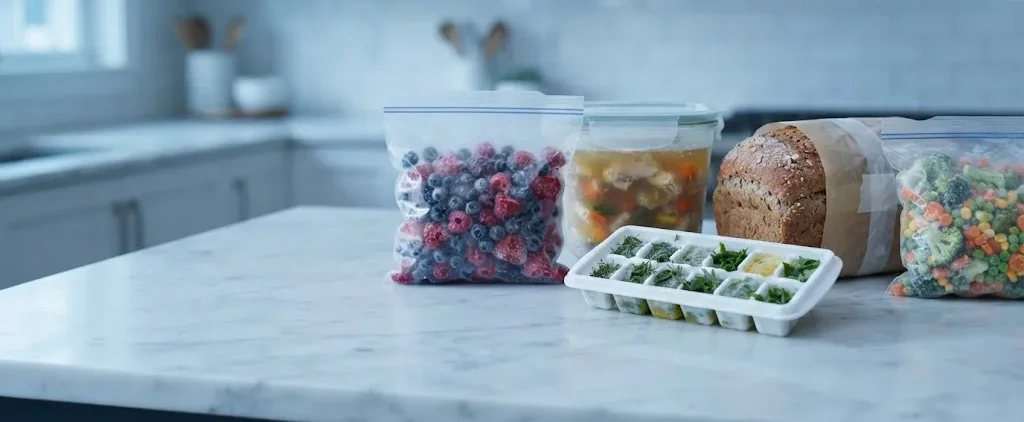
Yes, but whole limes do not freeze well as their texture becomes mushy, so it is best to freeze the juice and zest instead.
Why
Limes have a high water content and delicate cell structures that rupture when frozen, leaving them limp and watery upon thawing. While you can technically toss whole limes into the freezer, the resulting texture makes them difficult to slice or squeeze effectively. Extracting the juice and grating the zest prior to freezing prevents waste and preserves the bright, citrusy flavor much better than freezing the fruit whole, making them ideal for future culinary uses.
What freezing does to limes
- Texture: Cell walls rupture and collapse, turning whole limes completely mushy and soft upon thawing.
- Flavor: Essential oils and bright acidity remain well-preserved in juice and zest, though prolonged freezer storage may cause a slight dulling of fresh citrus notes.
- Color: The vibrant green hue of lime zest stays bright, while frozen juice retains its natural pale yellow-green appearance.
Types of limes and how they freeze
- Key limes: These smaller, more aromatic limes freeze just like standard Persian limes, yielding exceptionally tart juice that adapts well to cube freezing.
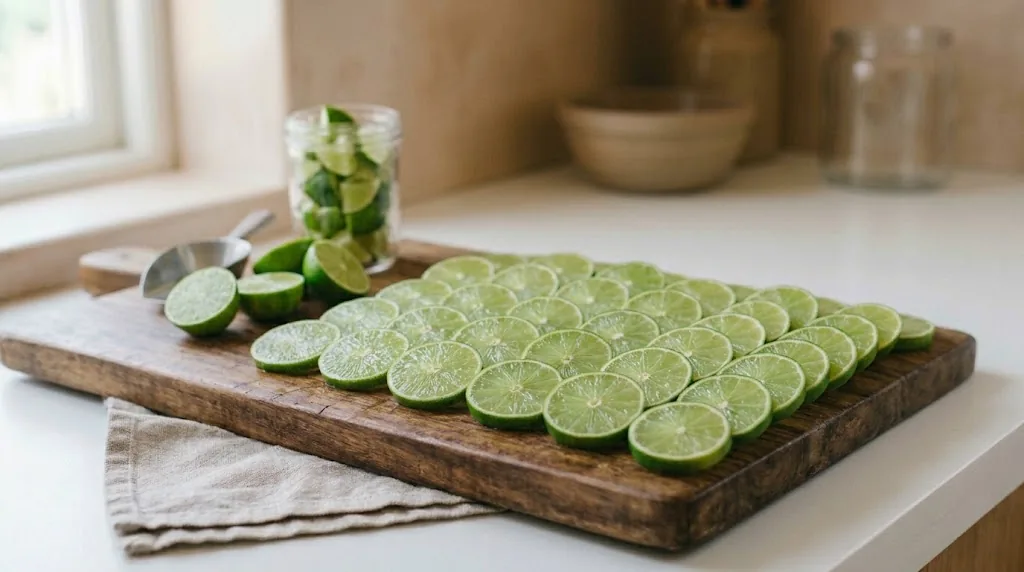
- Lime slices: While you can flash-freeze lime wheels on a baking sheet for cocktail garnishes, they will become limp upon thawing and are best dropped straight into drinks frozen.
How to freeze limes
- Wash the limes thoroughly in warm water and dry them.
- Grest the green outer peel for zest using a microplane, avoiding the bitter white pith.
- Roll the limes firmly on the counter and squeeze out all of the fresh juice.
- Pour the juice into clean ice cube trays and freeze until solid.
- Transfer the frozen juice cubes and zest into heavy-duty freezer bags.
- Label the bag with the date and store them in the freezer.
Best containers for freezing limes
- Freezer bags: press out as much air as you can and freeze them flat so they stack and thaw faster.
- Airtight rigid containers: best for soft or liquid foods. Leave about 1/2 inch of headspace because food expands as it freezes.
- Sheet pan first: freeze pieces in a single layer for an hour or two, then bag them so they don’t clump together.
- Label everything: write the item and the date on every package.
For limes: Freeze lime juice in silicone ice cube trays for easy popping, then transfer the solid cubes into heavy-duty freezer bags with excess air pressed out.
How to thaw limes
- Pop out the desired number of frozen lime juice cubes and place them in a bowl in the refrigerator.
- Place frozen lime juice cubes directly into warm soups, sauces, or warm water to melt quickly.
- Use frozen lime zest straight from the freezer without thawing in baking recipes or marinades.
Best ways to use frozen limes
- Great in vibrant salad dressings, marinades, and fresh salsas
- Perfect for flavoring marinades for grilled chicken, fish, and tacos
- Not suitable for use as fresh decorative lime wedges on plated dishes after thawing due to limp texture
Fixing the texture: There is no texture fix for thawed whole limes, which is why extracting the juice and zest prior to freezing is the best approach.
How long limes keeps
| Where | How long |
|---|---|
| Freezer (0°F / -18°C) | 3-4 months |
| Refrigerator (40°F / 4°C) | 1 to 3 weeks |
| Pantry / counter | 1 week |
Can you refreeze limes?
Yes, lime juice that was thawed safely in the refrigerator can be refrozen, provided it has not been left out at room temperature for more than two hours. However, refreezing lime juice will cause a further decline in its fresh flavor and aromatic quality.
- Freeze lime juice in small portions or single-serving cubes so you only thaw what you need.
- If you choose to refreeze thawed lime juice, do so only if it was kept safely chilled in the refrigerator during the entire thawing process.
The rules for every food: Can you refreeze food after thawing?
Watch out for
- Do not freeze whole fresh limes if you plan to slice them later, as they will turn mushy.
- Avoid using aluminum ice cube trays as the acid in lime juice can react with the metal.
- Ensure bags are sealed tightly to prevent the strong citrus aroma from permeating other foods.
Food safety notes
Lime juice and zest are acidic foods that remain safe indefinitely at zero degrees Fahrenheit, though quality declines over time. Thaw frozen lime juice safely in the refrigerator before using.
Other ways to keep limes
- Store fresh limes in a sealed plastic bag in the refrigerator crisper drawer for up to a month.
- Keep limes at room temperature on the counter if you plan to use them within a week.
- Preserve them by making lime curd or canning lime marmalade using a tested recipe.
Common questions
Can I freeze whole limes?
Yes, you can freeze whole limes, but the cell walls will burst during freezing, making them mushy and difficult to squeeze once thawed. It is much better to freeze the juice and zest separately.
How long does frozen lime juice last?
Frozen lime juice will maintain its best quality for about 3 to 4 months. After this time, it remains safe to consume indefinitely at 0 degrees Fahrenheit, but the bright flavor may begin to fade.
Can I refreeze thawed lime juice?
Yes, lime juice that was safely thawed in the refrigerator can be refrozen, though you may notice a further decline in fresh flavor quality.
Can I freeze lime juice in glass jars?
Glass is not recommended for freezing liquids because the water content expands as it freezes, which can cause the glass to crack or shatter. Use food-grade silicone molds, plastic ice cube trays, or heavy-duty freezer bags instead.
Does frozen lime zest lose its aromatic qualities?
Lime zest holds up surprisingly well in the freezer for a few months because the essential oils are concentrated in the peel. To minimize aroma loss, store the grated zest in a tightly sealed, moisture-proof container or bag.
Sources
- USDA FSIS: Freezing and Food Safety
- FoodSafety.gov: FoodKeeper storage times
- National Center for Home Food Preservation: Freezing
Freezer times are for best quality. Food kept at 0°F (-18°C) stays safe indefinitely, but always thaw it in the fridge, in cold water or in the microwave, never on the counter. When in doubt, throw it out. See the USDA freezing guide.