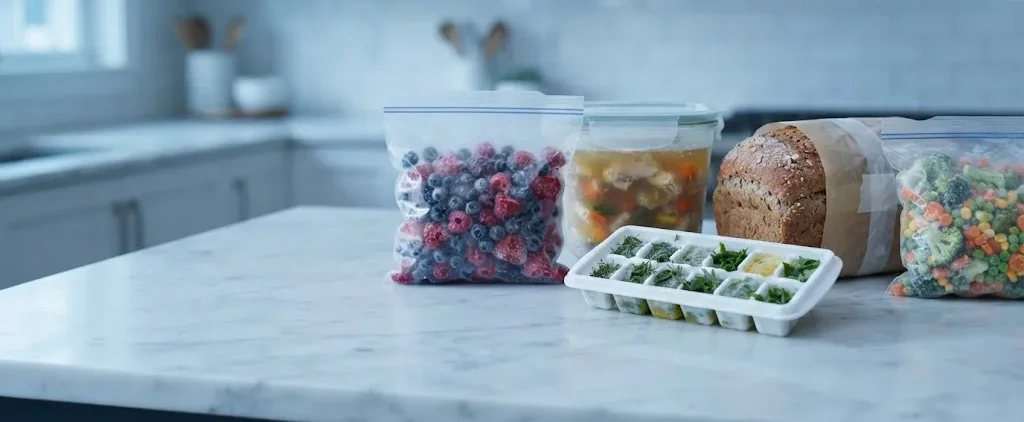
Yes, but freezing raw onions changes their crisp texture, so they are best suited for cooked dishes afterward.
Why
Onions have a very high water content. When frozen, water inside the cell walls expands and ruptures the cells, causing the onions to lose their signature crunch and become mushy upon thawing. Furthermore, the strong sulfur compounds that give onions their pungent aroma can intensify or change flavor during long-term freezer storage. Because of this, freezing is not recommended for raw onions intended for fresh salads, but it works wonderfully if you plan to toss them straight into soups, stews, sautés, and casseroles where texture matters less than flavor.
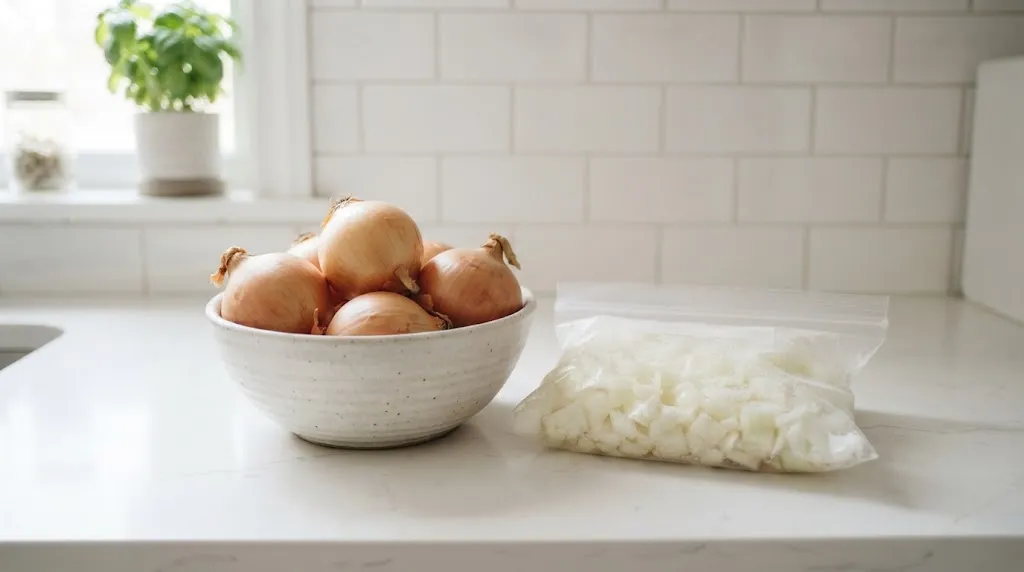
What freezing does to onions
- Texture: Cell walls rupture during freezing, causing onions to lose their crunch and become soft or mushy.
- Flavor: Pungent sulfur compounds can intensify or alter slightly during prolonged freezer storage.
- Moisture: Thawed onions release a significant amount of cellular liquid and water upon melting.
Types of onions and how they freeze
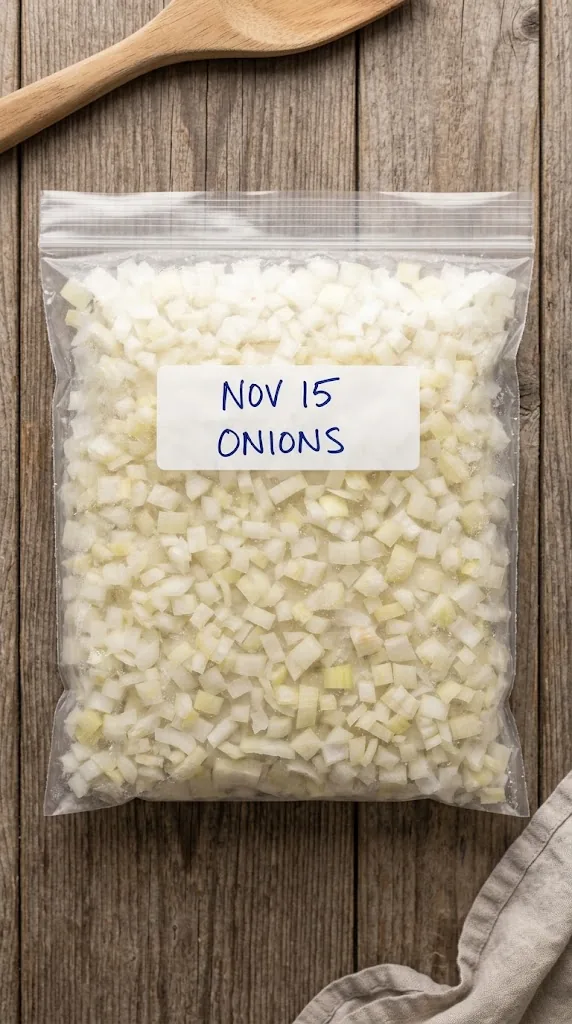
- Raw chopped onions: Freeze best when flash-frozen on a tray first to prevent them from clumping into a solid block.
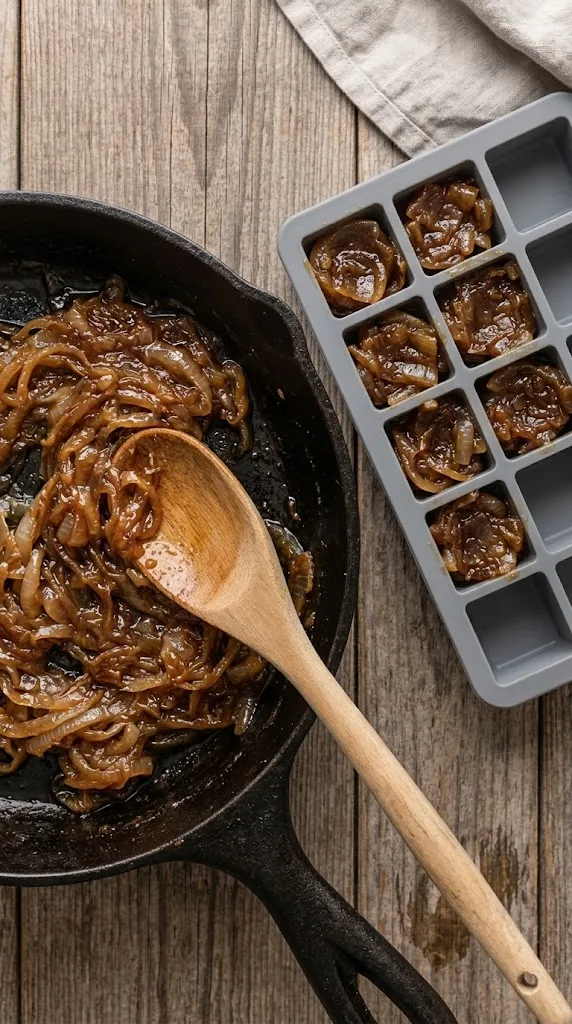
- Caramelized onions: Freeze exceptionally well because the low moisture and broken-down structure maintain their rich flavor and quality for months.
- Whole raw onions: Should be avoided in the freezer because they turn completely mushy and are extremely difficult to handle or slice after thawing.
How to freeze onions
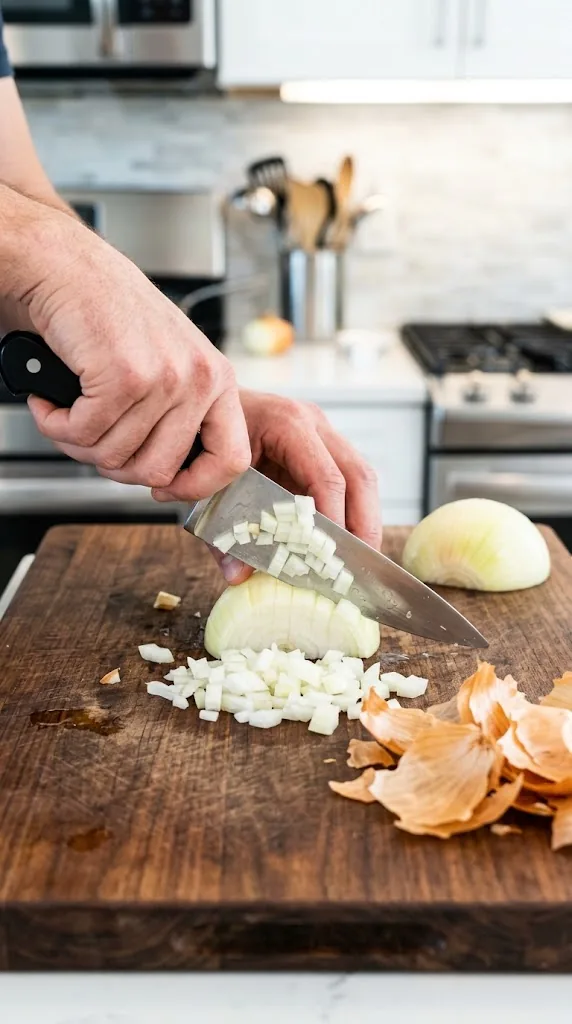
- Peel the outer papery skin off the onions and trim the root and stem ends.
- Chop, dice, or slice the onions to your preferred size depending on how you plan to use them later.
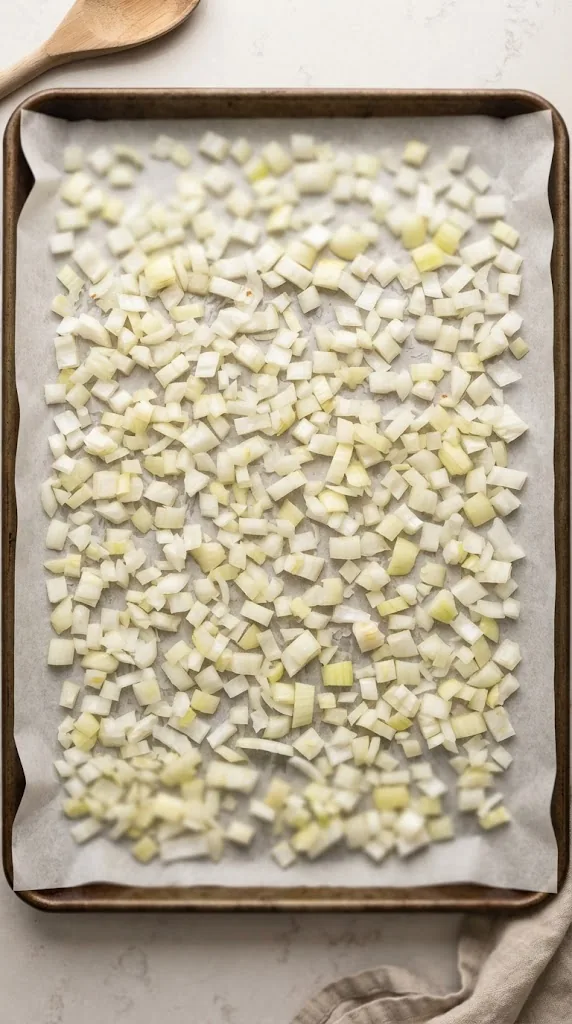
- Spread the pieces out on a parchment-lined baking sheet and freeze for one to two hours until solid.
- Transfer the pre-frozen onion pieces into heavy-duty freezer bags or airtight containers.
- Press out as much air as possible to prevent freezer burn, seal tightly, and label with the date.
Best containers for freezing onions
- Freezer bags: press out as much air as you can and freeze them flat so they stack and thaw faster.
- Airtight rigid containers: best for soft or liquid foods. Leave about 1/2 inch of headspace because food expands as it freezes.
- Sheet pan first: freeze pieces in a single layer for an hour or two, then bag them so they don’t clump together.
- Label everything: write the item and the date on every package.
For onions: Pack pre-frozen onion pieces into heavy-duty freezer bags and press out all excess air to prevent freezer burn and odor transfer.
How to thaw onions
- Skip the thawing step entirely and use or cook your frozen onions straight from frozen in hot dishes.
- If your recipe calls for thawed onions, transfer the bag from the freezer to the refrigerator the night before.
- Drain any excess liquid that releases during the thawing process before adding them to your recipe.
How to reheat onions
- Toss frozen onion pieces directly into hot soups, stews, or sautés without any prior thawing.
- Cook until they reach a steaming hot temperature throughout before serving.
Best ways to use frozen onions
- Great in long-simmering soups, stews, and chilis
- Wonderful for sautés, stir-fries, and casseroles
- Not suitable for fresh raw salads, salsas, or sandwich toppings
Fixing the texture: Drain any excess liquid released during the thawing process, and use the onions exclusively in cooked dishes where crispness is not required.
How long onions keeps
| Where | How long |
|---|---|
| Freezer (0°F / -18°C) | 6-8 months |
| Refrigerator (40°F / 4°C) | 3-5 days if cooked or chopped |
| Pantry / counter | 1-2 months for whole fresh onions in a cool, dark place |
Can you refreeze onions?
Yes, you can refreeze onions safely as long as they were thawed properly in the refrigerator and have not spent more than two hours in the danger zone. However, subjecting onions to a second freeze will cause their cell walls to break down even further, resulting in a much mushier texture and a significant loss of quality.
- Cook or incorporate thawed onions into a hot dish before refreezing them if you want to improve their final texture.
- Portion your onions into smaller batches before freezing so you only thaw what you need for a single meal.
- Cool any cooked dishes containing thawed onions quickly in shallow containers and refrigerate them within two hours.
The rules for every food: Can you refreeze food after thawing?
Watch out for
- Thawed raw onions will be completely limp and lack the crispness needed for raw applications like salads or sandwiches.
- The strong odor of onions can permeate other foods in your freezer if containers are not completely airtight.
- Freezer burn can cause dry, discolored spots on the onion pieces if they are exposed to air.
Food safety notes
Always store chopped onions in the refrigerator and use them within 3 to 5 days to prevent bacterial growth. If thawing frozen onions in the refrigerator, they remain safe to refreeze later if changed plans occur.
Other ways to keep onions
- Store whole uncut onions in a cool, dark, dry, and well-ventilated place like a pantry or cellar.
- Dehydrate onion slices or minced pieces in a food dehydrator for long-term pantry storage.
- Caramelize large batches of onions slowly in a pan and freeze the rich paste for quick meal additions.
Common questions
Do I need to blanch onions before freezing them?
No. Onions don't need blanching. Chop them, flash freeze the pieces on a tray, then bag them.
Can I freeze whole raw onions?
It is not recommended to freeze whole raw onions because they become extremely mushy throughout and are very difficult to slice once thawed.
Will frozen onions make my entire freezer smell?
They can if they are not sealed properly. Always use heavy-duty freezer bags or double-wrap your containers to keep the pungent onion aromas contained.
Can I freeze green onions or scallions?
Yes, but they will become very limp and watery upon thawing. They are best sliced and added directly to cooked dishes like soups or fried rice rather than used as a fresh garnish.
Do I need to vacuum seal onions before freezing them?
Vacuum sealing is not strictly necessary, but it is very helpful for locking out air and preventing the strong onion odor from permeating other items in your freezer.
Sources
- USDA FSIS: Freezing and Food Safety
- FoodSafety.gov: FoodKeeper storage times
- National Center for Home Food Preservation: Freezing
Freezer times are for best quality. Food kept at 0°F (-18°C) stays safe indefinitely, but always thaw it in the fridge, in cold water or in the microwave, never on the counter. When in doubt, throw it out. See the USDA freezing guide.