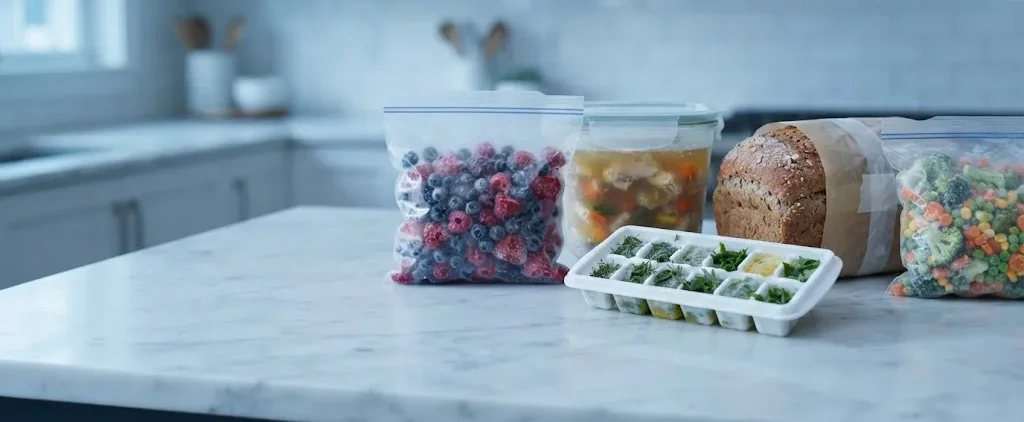
Yes, but you should never freeze raw potatoes because their high water content makes them turn mushy, watery, and discolored.
Why
Potatoes are about 80 percent water. When you freeze a raw potato, those water molecules form large ice crystals that puncture the cell walls. Once thawed, the potato collapses structurally, turning grainy, watery, and grey. To freeze potatoes successfully, they must be partially cooked or blanched first to deactivate the enzymes that cause spoilage and texture degradation. Cooked or par-cooked potatoes, such as fries, hash browns, or mashed potatoes, hold up much better in the freezer.
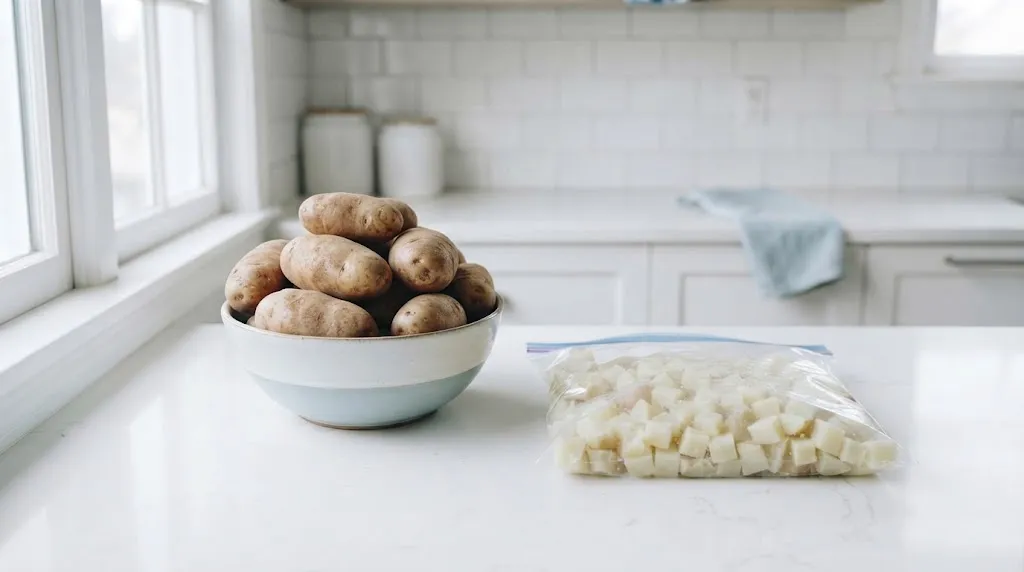
What freezing does to potatoes
- Texture: Becomes waterlogged, grainy, or mushy due to ruptured cell walls when unblanched.
- Flavor: Can turn slightly sweet as starches break down into sugars during freezing.
- Color: Raw varieties may develop a grey or black discoloration from enzyme reactions.
Types of potatoes and how they freeze
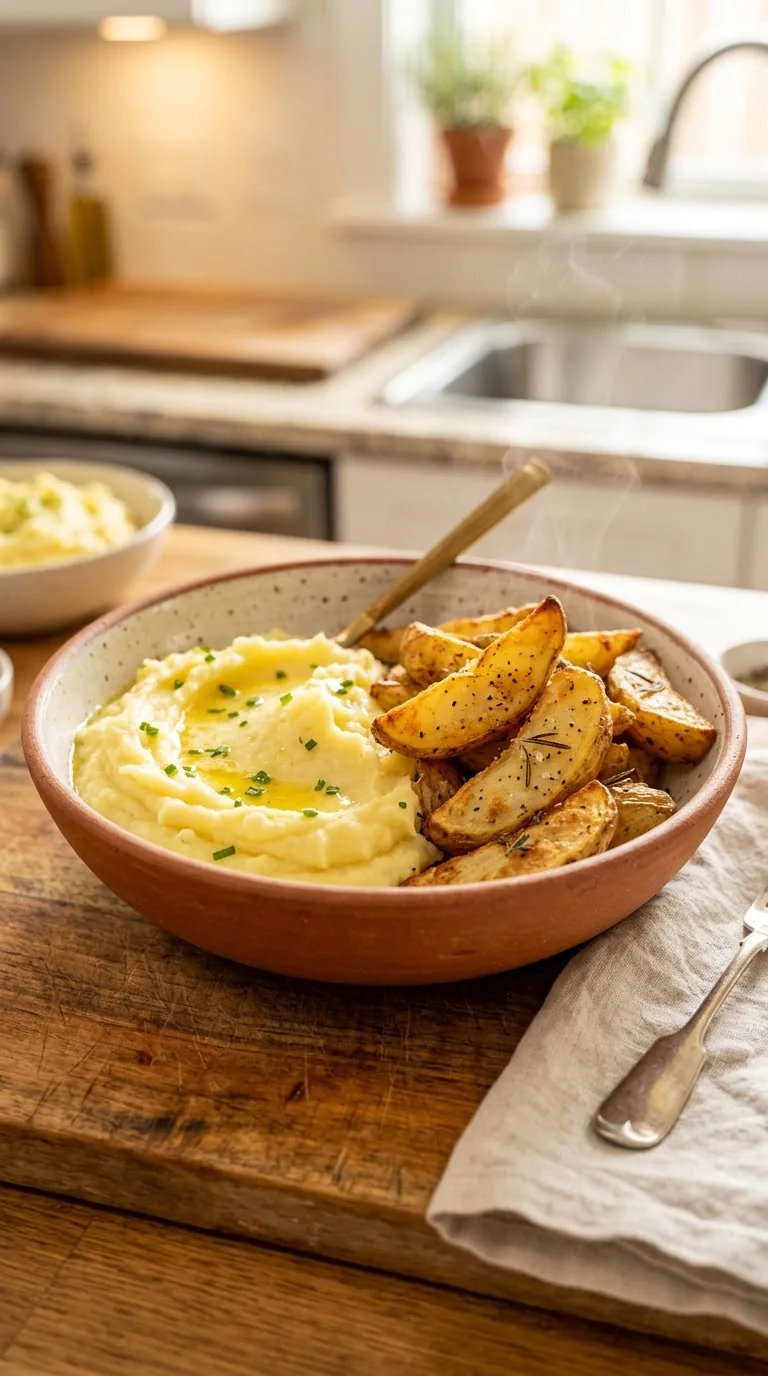
- Mashed potatoes: Freeze exceptionally well because the added dairy fats insulate the starches and prevent a watery texture.
- French fries: Freeze well only after being blanched and par-cooked, allowing them to crisp up properly when cooked straight from frozen.
- Boiled whole potatoes: Turn very crumbly and watery upon thawing, making them best avoided unless mashed or pureed first.
How to freeze potatoes
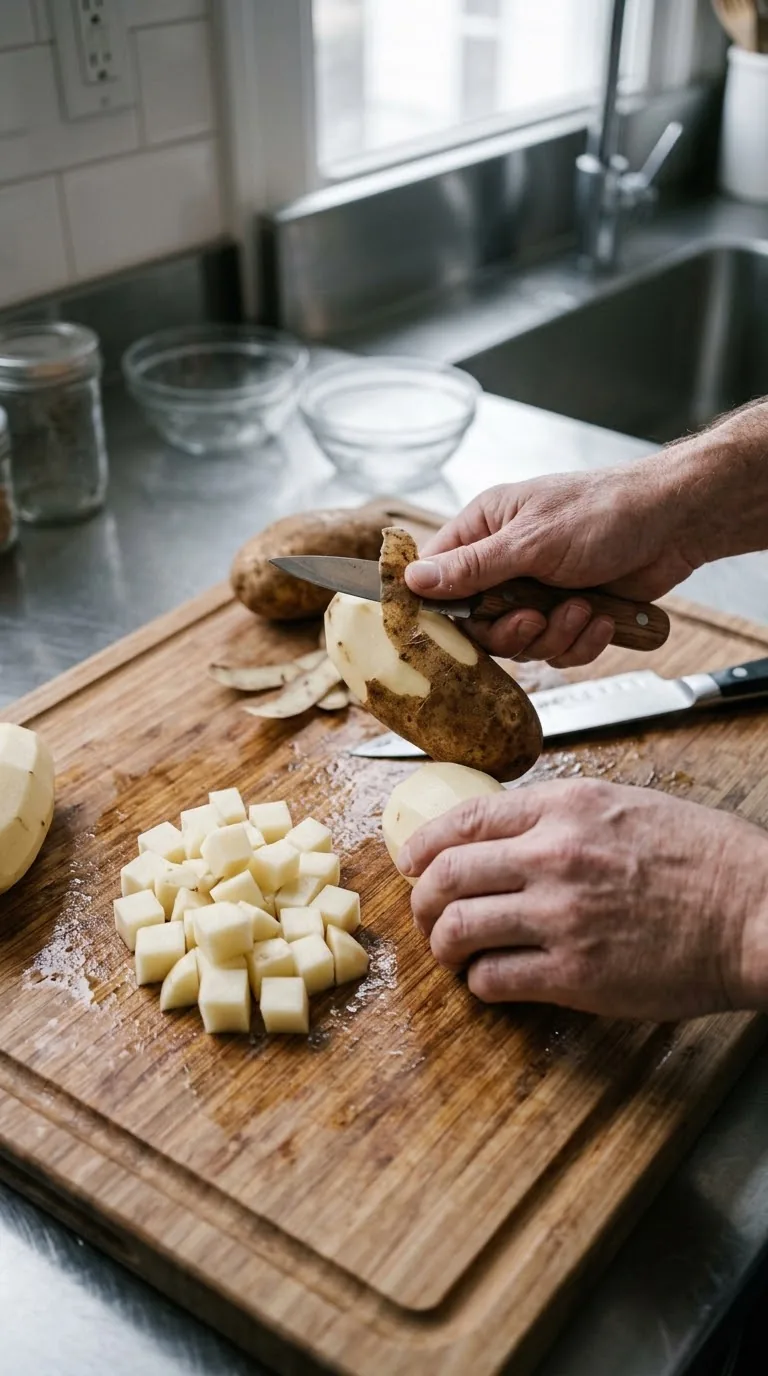
- Wash, peel, and cut the potatoes into your desired shape, such as cubes, wedges, or slices.
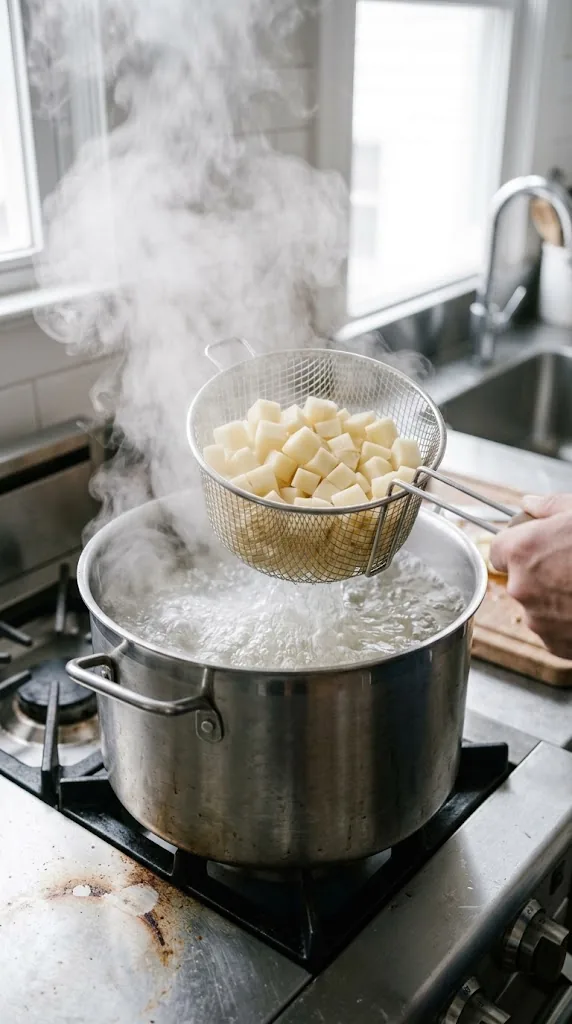
- Blanch the potato pieces in boiling water for 3 to 5 minutes to stop enzymatic activity.
- Plunge the blanched potatoes immediately into an ice bath to stop the cooking process, then drain thoroughly.
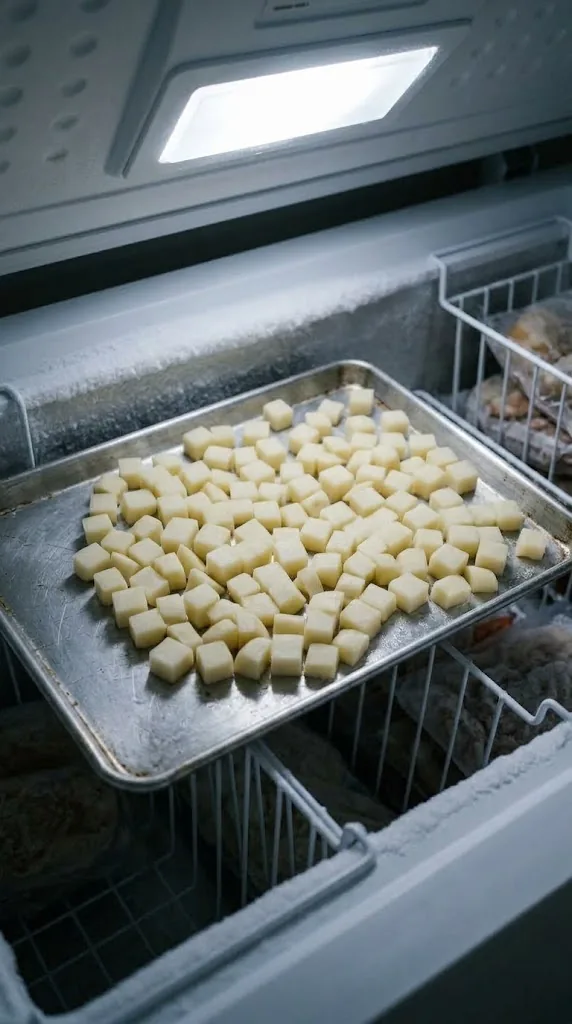
- Spread the pieces on a baking sheet and flash freeze them for two hours so they do not stick together.
- Transfer the flash-frozen potatoes into heavy-duty freezer bags, press out the excess air, and seal tightly.
- Label the bag with the date and freeze for up to 10 to 12 months.
Best containers for freezing potatoes
- Freezer bags: press out as much air as you can and freeze them flat so they stack and thaw faster.
- Airtight rigid containers: best for soft or liquid foods. Leave about 1/2 inch of headspace because food expands as it freezes.
- Sheet pan first: freeze pieces in a single layer for an hour or two, then bag them so they don’t clump together.
- Label everything: write the item and the date on every package.
For potatoes: Flash-freeze potato pieces on a baking sheet before transferring them to heavy-duty freezer bags to prevent clumping, pressing out as much air as possible.
How to thaw potatoes
- Cook frozen potatoes straight from the freezer without thawing for best results in soups, stews, or roasting.
- For mashed potatoes or hash browns, thaw them overnight in the refrigerator before reheating.
- Reheat thawed potatoes gently on the stovetop or in the oven with a splash of milk or butter to restore moisture.
How to reheat potatoes
- Transfer frozen potato pieces directly to soups, stews, or roasting pans without prior thawing.
- Reheat thawed mashed or cooked potatoes gently on the stovetop or in the oven.
- Ensure heated potatoes reach an internal temperature of 165°F (74°C) throughout before serving.
Best ways to use frozen potatoes
- Great in hearty soups, beef stews, and roasted vegetable medleys
- Ideal for quick oven-baked fries and crispy hash browns
- Not recommended for fresh potato salads where firm texture is required
Fixing the texture: Stir in a splash of milk, cream, or melted butter while reheating to restore moisture and smooth out a grainy texture.
How long potatoes keeps
| Where | How long |
|---|---|
| Freezer (0°F / -18°C) | 10-12 months |
| Refrigerator (40°F / 4°C) | 3-4 days |
| Pantry / counter | 3-5 weeks |
Can you refreeze potatoes?
Yes, you can refreeze potatoes if they were thawed safely in the refrigerator and were not left out at room temperature for more than two hours. However, a second freeze will further damage the plant cell walls and starches, resulting in an even more mushy, watery, and grainy texture upon the final thaw.
- Cook or bake thawed potatoes into a casserole or soup before refreezing them to help mask the degraded texture.
- Freeze potatoes in small portions so you only thaw what you need for a single meal.
- Cool any leftover cooked potato dishes quickly in shallow containers and place them in the refrigerator or freezer within two hours.
The rules for every food: Can you refreeze food after thawing?
Watch out for
- Never freeze raw, whole potatoes, as they become completely unappetizing and watery upon thawing.
- Raw potatoes can turn black or grey in the freezer due to chemical reactions caused by uninhibited enzymes.
- Improperly sealed potatoes are highly susceptible to freezer burn, which ruins their flavor and creates hard spots.
Food safety notes
Cool cooked potatoes quickly in shallow containers and refrigerate or freeze them within two hours to prevent bacterial growth. Safely thaw frozen cooked potatoes in the refrigerator overnight before reheating.
Other ways to keep potatoes
- Store raw potatoes in a cool, dark, well-ventilated place like a pantry or root cellar for several weeks.
- Canning potatoes using a pressure canner is a great shelf-stable alternative for long-term storage.
- Dehydrate cooked potato slices or flakes to use later for instant camping meals.
Common questions
Can I freeze raw whole potatoes?
No, freezing raw whole potatoes results in a watery, mushy mess with a grainy texture and unpleasant grey discoloration. They must be peeled, cut, and blanched or cooked before freezing.
Can I freeze potatoes for homemade fries?
Yes. Cut them into sticks, blanch for about 3 minutes, cool them in ice water and dry them well. Flash freeze on a tray, bag them, and bake or fry them straight from frozen.
Can I freeze mashed potatoes?
Yes, mashed potatoes freeze very well because they already contain added fats like butter, cream, or milk that help protect their texture. Store them in airtight containers and use them within about a month for the best texture.
Can I freeze leftover baked potatoes?
Yes, but you should scoop out the fluffy inside, mash it with butter or milk, and freeze it in a container rather than freezing the whole potato skin, which becomes tough and watery.
Why do my frozen potatoes taste sweet?
When potatoes are stored in cold temperatures, some of their starches convert into sugars. This natural chemical process can give thawed or cooked frozen potatoes a noticeably sweet flavor.
Sources
- USDA FSIS: Freezing and Food Safety
- FoodSafety.gov: FoodKeeper storage times
- National Center for Home Food Preservation: Freezing
Freezer times are for best quality. Food kept at 0°F (-18°C) stays safe indefinitely, but always thaw it in the fridge, in cold water or in the microwave, never on the counter. When in doubt, throw it out. See the USDA freezing guide.