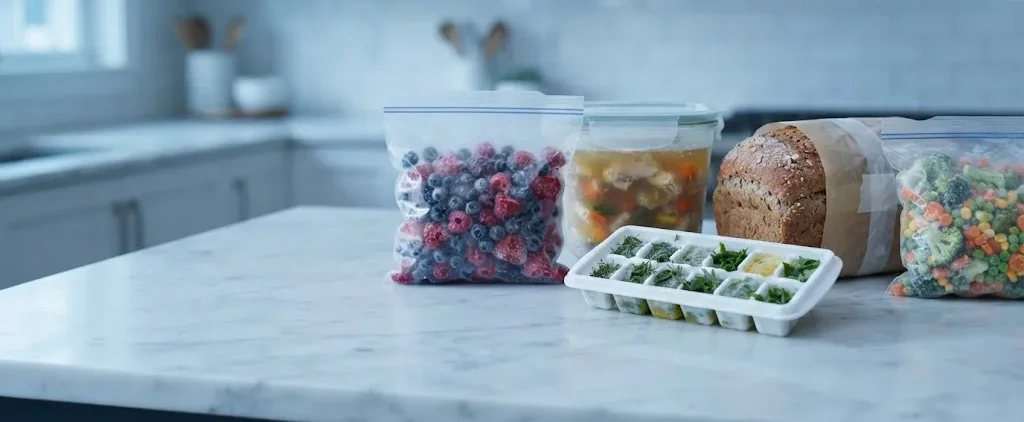
Yes, you can freeze peas, and they freeze exceptionally well if you blanch them first.
Why
Peas have a high water content and natural sugars that can degrade in flavor and texture over time if frozen raw. Blanching them briefly in boiling water deactivates enzymes that cause loss of color, sweetness, and crispness. Once blanched and rapidly cooled, freezing locks in their vibrant green color and sweet flavor. They maintain their quality remarkably well for months, making them one of the easiest and most rewarding vegetables to store in your home freezer.
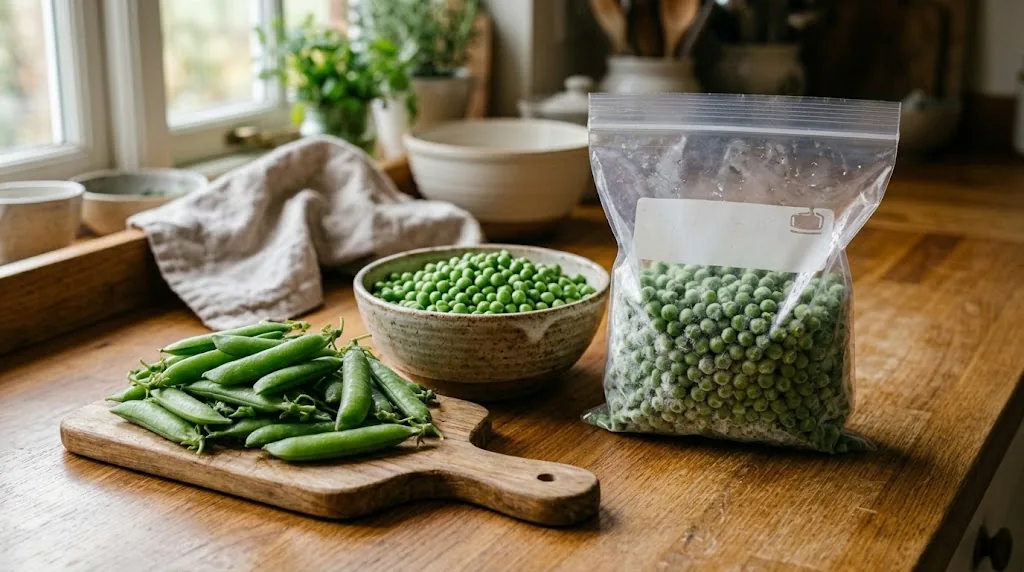
What freezing does to peas
- Texture: Can become slightly softer due to cell walls breaking down during freezing, especially if not blanched correctly.
- Flavor: May lose its peak fresh sweetness over time if stored near the outer limits of the freezer lifespan.
- Color: Retains its bright green appearance exceptionally well if properly blanched and sealed against air.
Types of peas and how they freeze
- Garden peas: Standard sweet garden peas freeze wonderfully when blanched, holding onto their shape and bright flavor for months.
- Snow peas and sugar snap peas: These flat or edible-pod varieties tend to lose their crisp crunch upon thawing, making them better suited for stir-fries straight from frozen rather than raw salads.
How to freeze peas
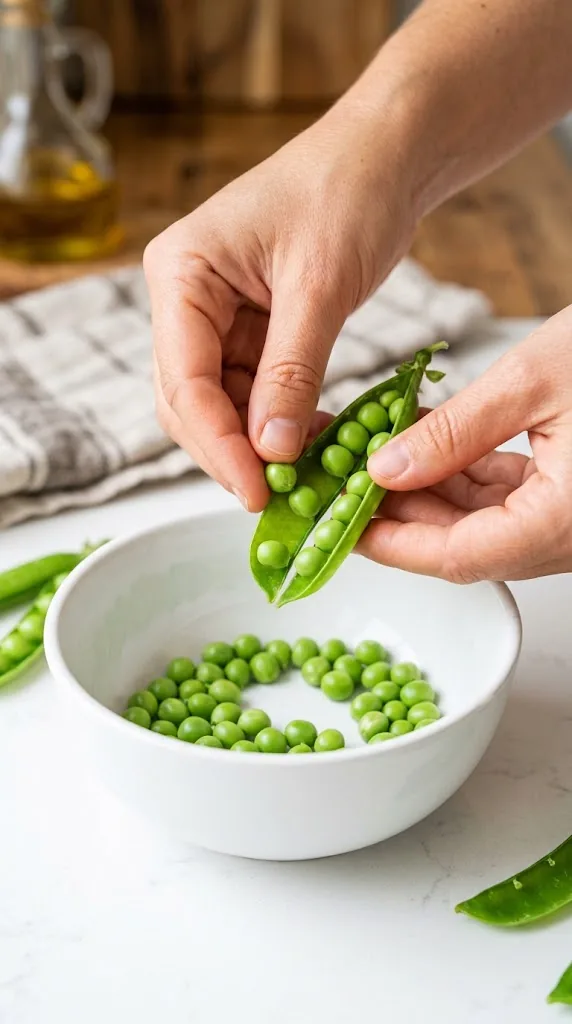
- Shell fresh peas and discard any yellow or damaged ones.
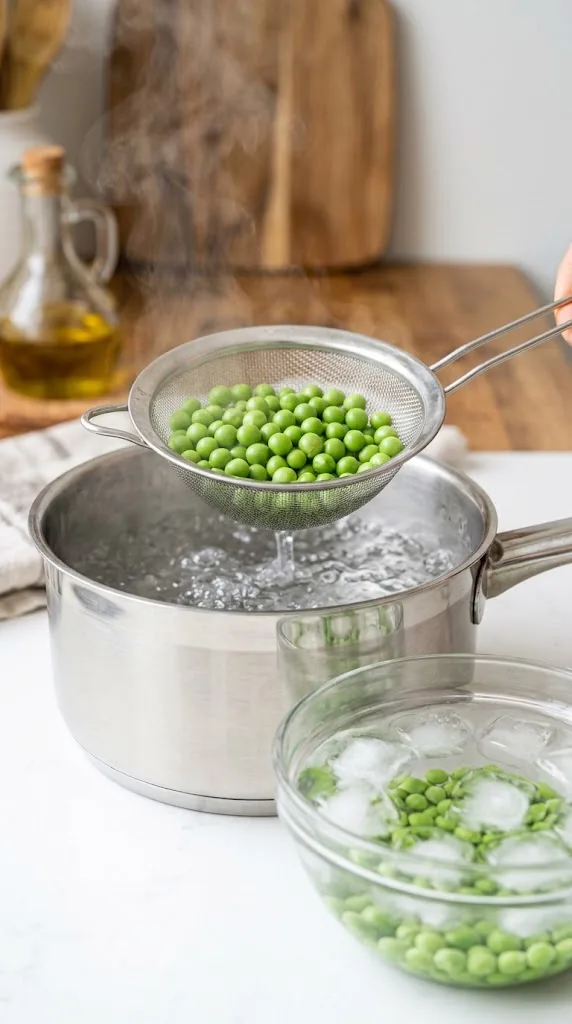
- Blanch the shelled peas in boiling water for 90 seconds, then immediately plunge them into an ice water bath to stop the cooking process.
- Drain the peas thoroughly and pat them dry with clean paper towels to prevent ice clumping.
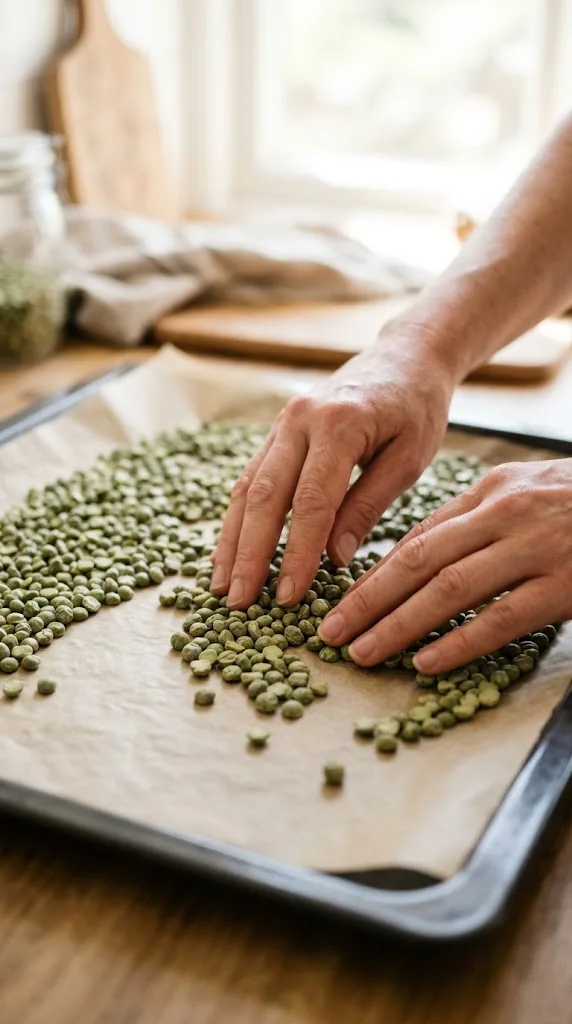
- Spread the dry peas in a single layer on a baking sheet and flash freeze them for about two hours.
- Transfer the frozen peas into airtight freezer bags or containers, squeeze out excess air, and label with the date.
Best containers for freezing peas
- Freezer bags: press out as much air as you can and freeze them flat so they stack and thaw faster.
- Airtight rigid containers: best for soft or liquid foods. Leave about 1/2 inch of headspace because food expands as it freezes.
- Sheet pan first: freeze pieces in a single layer for an hour or two, then bag them so they don’t clump together.
- Label everything: write the item and the date on every package.
For peas: Freeze peas on a baking sheet first to prevent clumping, then transfer them into heavy-duty freezer bags with all excess air squeezed out.
How to thaw peas
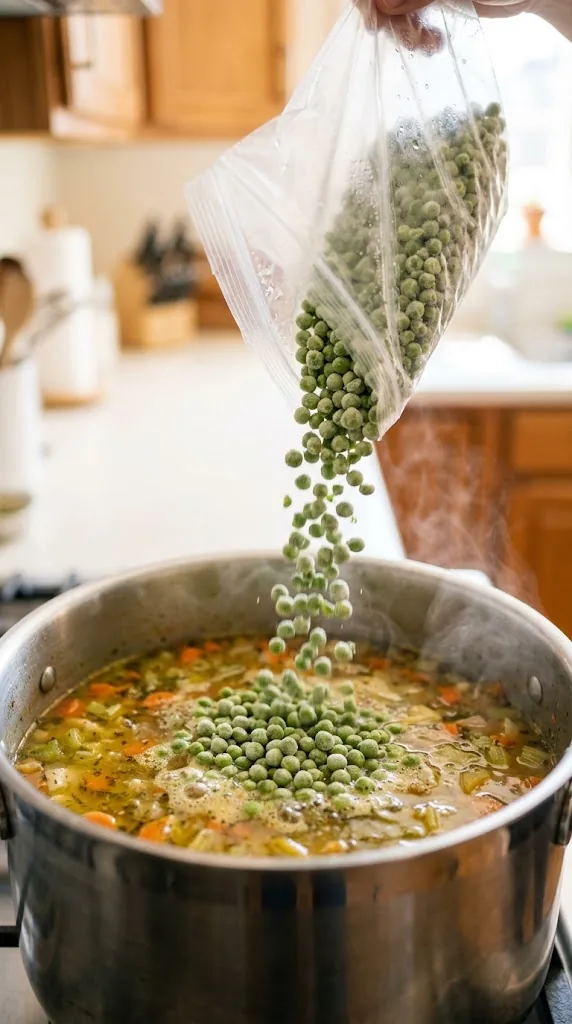
- Use or cook the peas straight from frozen in soups, stews, risottos, or casseroles without prior thawing.
- Add frozen peas to boiling water or steam them for just 1 to 2 minutes until heated through if serving as a side dish.
- Place the frozen peas in a colander and rinse them under cold tap water for a minute to quickly thaw them for cold salads.
How to reheat peas
- Drop frozen peas directly into a pot of boiling water.
- Simmer or steam for 1 to 2 minutes until heated through.
- Drain any excess water before serving as a hot side dish.
Best ways to use frozen peas
- Great in blended pea soups, creamy risottos, and vegetable medleys
- Works well stirred into pasta bakes and casseroles
- Not ideal for fresh raw vegetable platters after thawing due to softened texture
Fixing the texture: Since thawed peas are softer, blending them into purees or folding them into hot dishes helps mask the textural change.
How long peas keeps
| Where | How long |
|---|---|
| Freezer (0°F / -18°C) | 10-12 months |
| Refrigerator (40°F / 4°C) | 3 to 5 days |
| Pantry / counter | Not recommended |
Can you refreeze peas?
Yes, you can safely refreeze peas only if they were thawed in the refrigerator and still contain ice crystals, though doing so will cause their texture to become significantly softer. If peas were completely thawed on the counter or left at room temperature for over two hours, they should be discarded for safety rather than refrozen.
- Cook thawed peas into a hot dish before freezing the leftovers instead of freezing them raw a second time.
- Freeze peas in small, single-serving portions so you only thaw what you need for a meal.
- Cool any cooked pea dishes quickly in shallow containers and refrigerate them within two hours.
The rules for every food: Can you refreeze food after thawing?
Watch out for
- Do not skip the blanching step for fresh peas, or they will turn grey, lose their sweet flavor, and become tough.
- Ensure the peas are thoroughly dry before freezing to prevent large ice crystals and clumping inside the bag.
- Protect against freezer burn by pressing all excess air out of the storage bags before sealing them.
Food safety notes
Keep frozen peas stored at 0°F or below. If peas completely thaw on the counter, they should be discarded for safety; only refreeze them if they were thawed safely in the refrigerator and still contain ice crystals.
Other ways to keep peas
- Store fresh un-shelled peas in an open bag in the refrigerator for up to 3 to 5 days.
- Canning peas using a pressure canner and a tested recipe for shelf-stable storage.
- Dehydrating peas using a food dehydrator for crunchy homemade snacks.
Common questions
Do I need to blanch store-bought frozen peas?
No, commercial frozen peas are already blanched and flash-frozen before packaging, so you can simply use them straight from the bag.
Can I refreeze peas if they thaw completely?
You can safely refreeze peas only if they were thawed in the refrigerator and still contain ice crystals, though their texture may become slightly softer.
How can I tell if frozen peas have gone bad?
Peas that have developed severe freezer burn, pale discolored spots, or a sour odor should be discarded, as their quality has degraded significantly.
Can I freeze peas in their pods?
It is best to shell peas before freezing. Pods take up unnecessary space, become tough and fibrous in the freezer, and make it difficult to achieve even blanching.
Why do my frozen peas sometimes turn grayish-brown?
This discoloration usually happens because the peas were not blanched, or the blanching time was too short, leaving enzymes active that degrade the natural green color.
Sources
- USDA FSIS: Freezing and Food Safety
- FoodSafety.gov: FoodKeeper storage times
- National Center for Home Food Preservation: Freezing
Freezer times are for best quality. Food kept at 0°F (-18°C) stays safe indefinitely, but always thaw it in the fridge, in cold water or in the microwave, never on the counter. When in doubt, throw it out. See the USDA freezing guide.