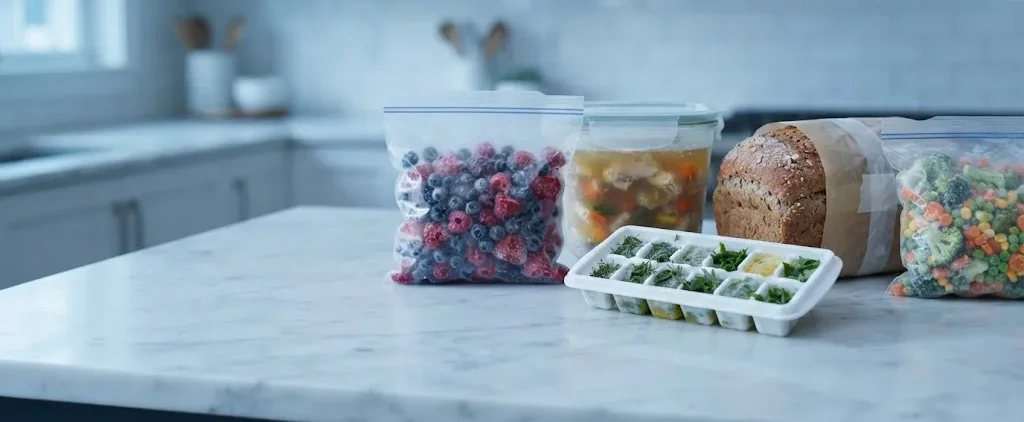
Yes, but you must blanch the corn on the cob before freezing to preserve its sweet flavor, crisp texture, and bright yellow color.
Why
Corn on the cob has a high water content and naturally occurring enzymes that continue to break down sugars and flavor compounds even after harvesting. Without proper blanching, these enzymes cause the corn to become tough, tasteless, and mushy in the freezer. Blanching deactivates the enzymes and locks in freshness. While the texture will still be slightly softer after thawing compared to fresh summer corn, it remains great for boiling, steaming, or grilling straight from the freezer.
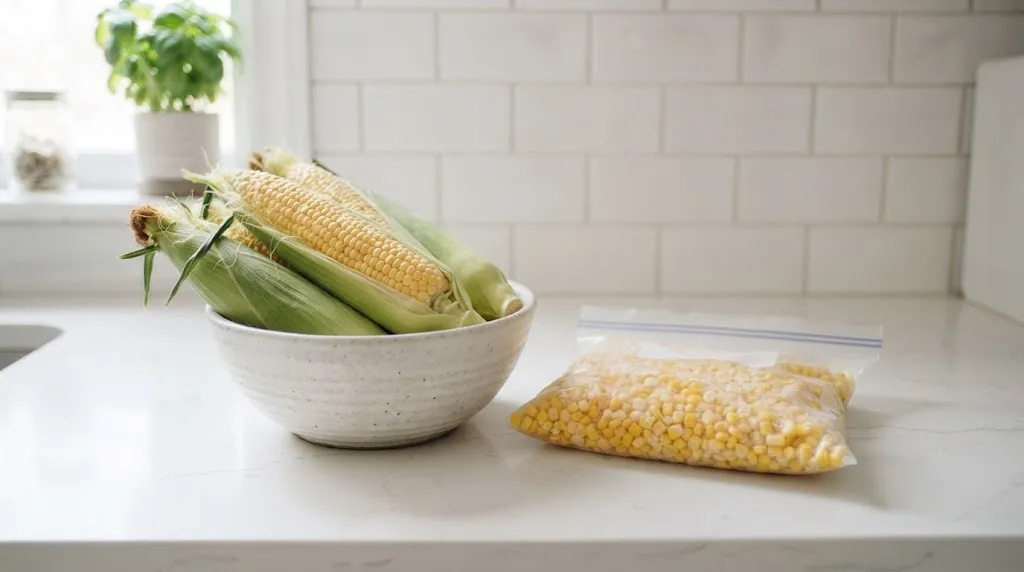
What freezing does to corn on the cob
- Texture: Cell walls soften slightly due to freezing and blanching, making it less crisp than fresh corn.
- Flavor: Sugars are largely preserved if blanched correctly, though very subtle sweetness loss can occur over many months.
- Moisture: Water inside the kernels expands and can release extra moisture upon thawing and cooking.
Types of corn on the cob and how they freeze
- Sweet corn varieties: Standard sugary and supersweet corn varieties freeze well because their high sugar content maintains good flavor.
- Field or dent corn: These starchy varieties are not ideal for freezing on the cob as table corn, as they become unpleasantly tough and mealy.
How to freeze corn on the cob
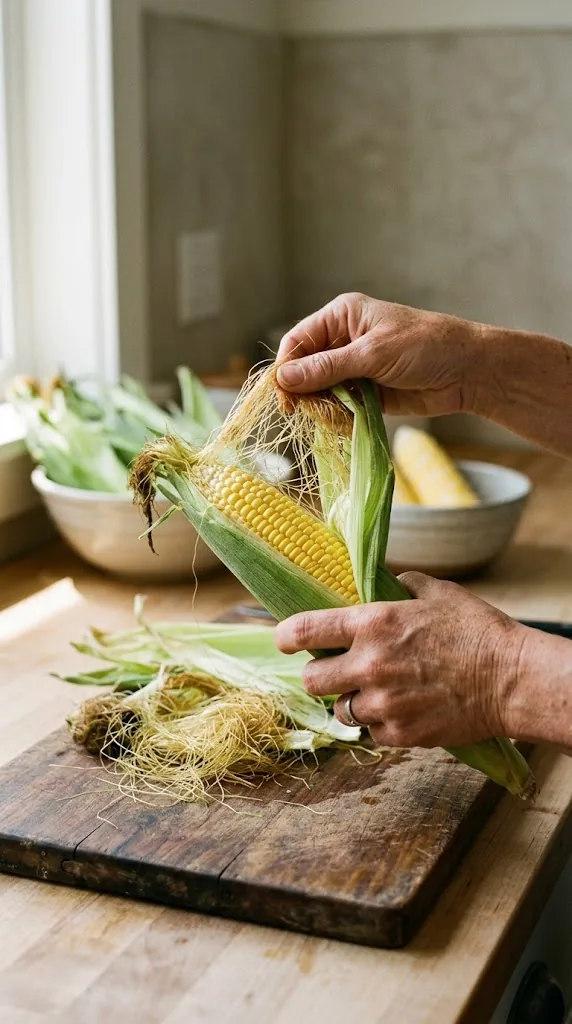
- Husk the fresh corn and remove all the silk threads.
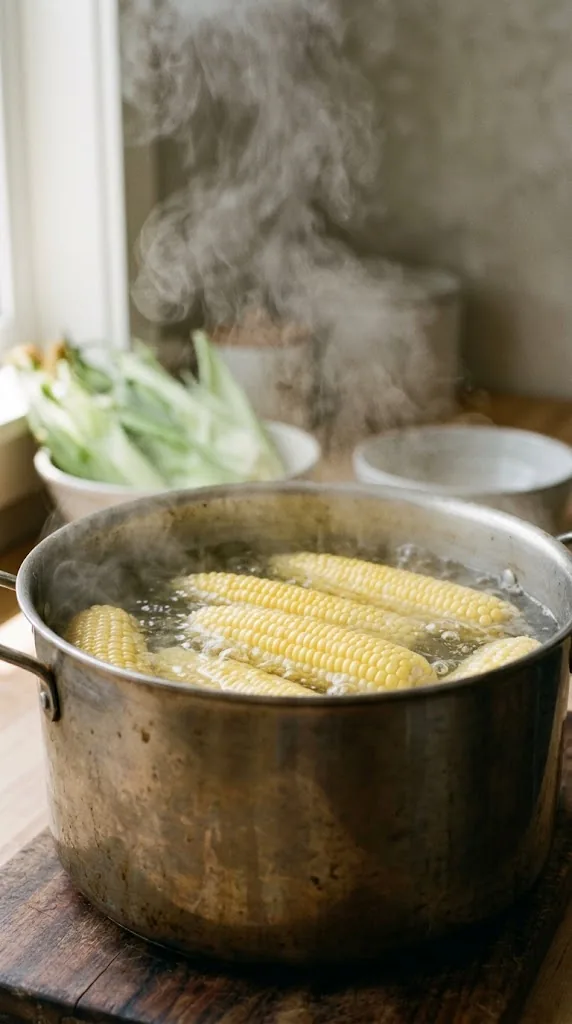
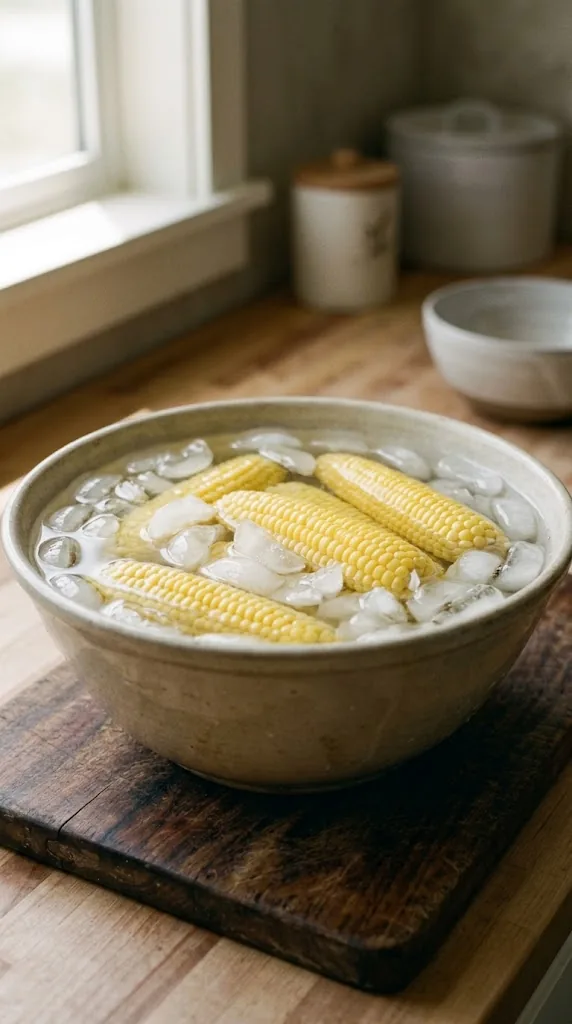
- Blanch the ears in boiling water for 7 to 11 minutes depending on their size.
- Transfer the corn immediately into an ice water bath to stop the cooking process completely.
- Dry the ears thoroughly with paper towels and wrap each one tightly in plastic wrap or foil.
- Place the wrapped ears into heavy-duty freezer bags, squeeze out excess air, and seal.
- Label the bag with the current date and use within the recommended time.
Best containers for freezing corn on the cob
- Freezer bags: press out as much air as you can and freeze them flat so they stack and thaw faster.
- Airtight rigid containers: best for soft or liquid foods. Leave about 1/2 inch of headspace because food expands as it freezes.
- Sheet pan first: freeze pieces in a single layer for an hour or two, then bag them so they don’t clump together.
- Label everything: write the item and the date on every package.
For corn on the cob: Wrap each blanched and dried ear tightly in plastic wrap or heavy-duty aluminum foil before placing them together in a freezer bag to prevent freezer burn.
How to thaw corn on the cob
- Use or cook the corn straight from frozen by dropping it directly into boiling water.
- Steam the frozen ears in a covered pot until heated through.
- Thaw the corn in the refrigerator overnight if you plan to cut the kernels off the cob for a recipe.
How to reheat corn on the cob
- Drop frozen ears directly into a large pot of boiling water.
- Cover the pot and return to a boil, then cook for 3 to 5 minutes.
- Remove carefully with tongs and serve hot.
Best ways to use frozen corn on the cob
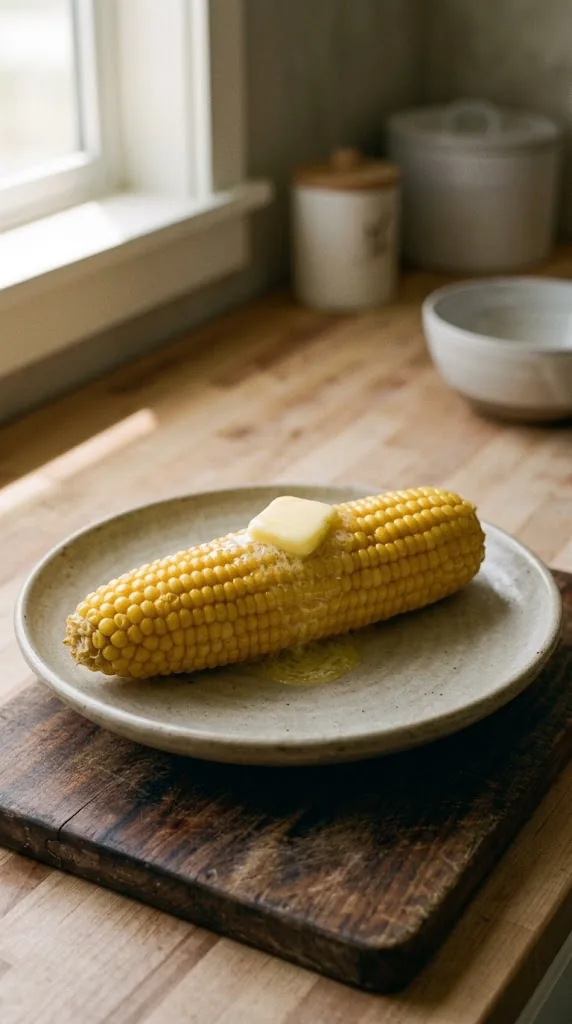
- Great for boiling and serving whole with butter on the side
- Works well for grilling or roasting after a brief thaw
- Not ideal for fresh summer corn salads where raw, snappy crunch is required
Fixing the texture: If the corn releases too much moisture after cooking, pat the ears dry with paper towels before serving.
How long corn on the cob keeps
| Where | How long |
|---|---|
| Freezer (0°F / -18°C) | 8-12 months |
| Refrigerator (40°F / 4°C) | 3 to 5 days after blanching and cooling |
| Pantry / counter | 1 to 2 days before blanching |
Can you refreeze corn on the cob?
Yes, you can refreeze corn on the cob as long as it was thawed safely in the refrigerator and never left at room temperature for more than two hours. However, subjecting the corn to a second round of freezing will degrade its texture even further, making the kernels noticeably softer and less crisp.
- Cook or bake the thawed corn on the cob into a new dish before freezing it again.
- Cut the kernels off the cob and freeze them in smaller portions so you only thaw what you need next time.
- Cool any cooked corn dishes quickly and place them into the refrigerator or freezer within two hours.
The rules for every food: Can you refreeze food after thawing?
Watch out for
- Skipping the blanching step will result in tough, starchy, and flavorless corn.
- Improperly sealed corn can suffer from freezer burn, leading to dry and discolored kernels.
- Do not thaw corn on the counter at room temperature, as this can encourage bacterial growth.
Food safety notes
Ensure blanched corn is cooled quickly and placed into the freezer within two hours. If thawed corn is kept in the refrigerator, it can be safely refrozen as long as it was not left at room temperature.
Other ways to keep corn on the cob
- Keep fresh corn in its husk in the refrigerator and use it within three days.
- Cut the kernels off the cob and freeze them loose for soups, salsas and side dishes.
- Pressure can the kernels with a tested recipe for shelf-stable storage.
Common questions
Can I freeze corn on the cob raw without blanching?
It is not recommended. Freezing raw corn on the cob allows active enzymes to degrade the flavor and sugar content, resulting in tough and tasteless corn.
Should I remove the husk before freezing?
Yes, you should completely remove the husks and silk before blanching and freezing to ensure the corn is clean and wraps tightly.
Can I thaw frozen corn on the cob in the microwave?
Yes, you can microwave frozen corn on the cob on the defrost setting, but it is often easier and yields better texture to cook it directly in boiling water or steam.
Can I freeze corn on the cob inside its husk?
No, freezing corn in the husk traps moisture, dirt, and trapped air, leading to rapid quality degradation and freezer burn. Always husk and de-silk the ears completely before blanching and wrapping.
Why is my frozen corn on the cob turning grayish-yellow?
This discoloration usually indicates freezer burn or that the corn was not blanched long enough to completely deactivate the natural enzymes. Ensure tight airtight wrapping and accurate blanching times for the best color.
Sources
- USDA FSIS: Freezing and Food Safety
- FoodSafety.gov: FoodKeeper storage times
- National Center for Home Food Preservation: Freezing
Freezer times are for best quality. Food kept at 0°F (-18°C) stays safe indefinitely, but always thaw it in the fridge, in cold water or in the microwave, never on the counter. When in doubt, throw it out. See the USDA freezing guide.