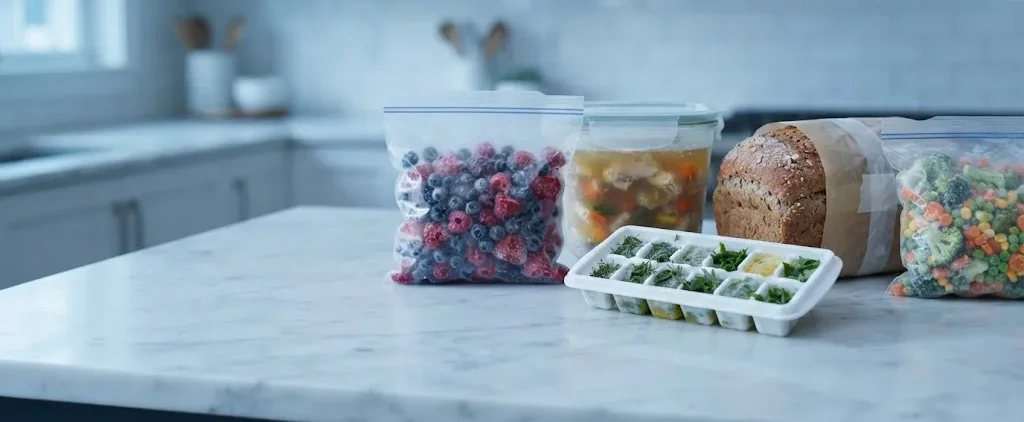
Yes, but raw zucchini has a very high water content that makes it extremely mushy when thawed, so it is best to blanch, grate, or cook it before freezing.
Why
Zucchini is made up of about 95 percent water. When you freeze raw zucchini, the water inside expands and ruptures the cell walls. Once thawed, the vegetable loses its crisp structure and turns soggy and watery. To preserve a usable texture, blanching or cooking helps set the structure, or grating it allows the moisture to be squeezed out easily for baking projects.
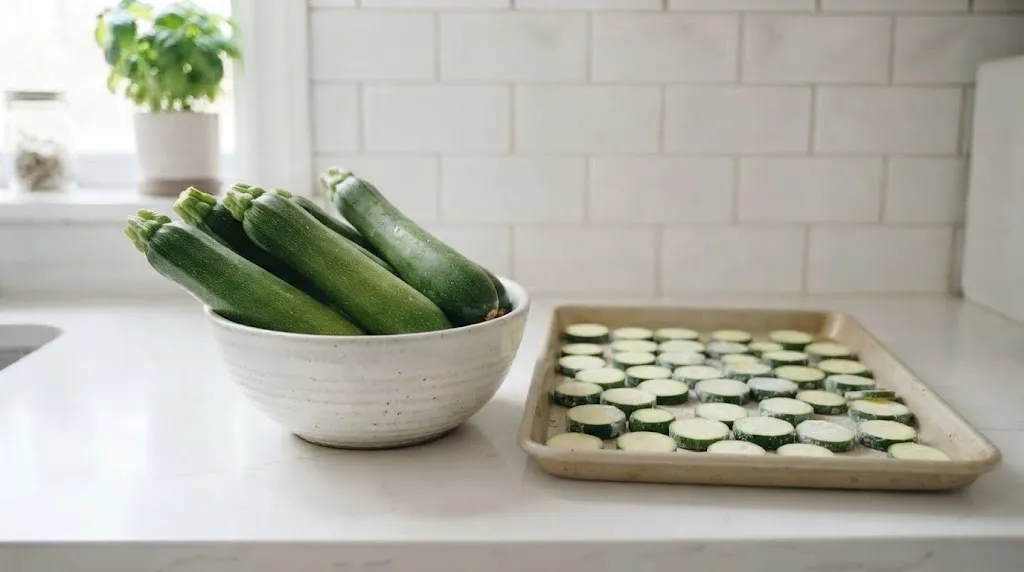
What freezing does to zucchini
- Texture: Becomes significantly softer, spongy, and prone to breaking down due to ruptured cell walls from ice crystal formation.
- Moisture: Releases a large volume of liquid upon thawing, requiring draining or squeezing to avoid diluting recipes.
- Color: Fades slightly from a vibrant dark green to a more muted olive tone over extended storage.
Types of zucchini and how they freeze
- Whole zucchini: Freezing whole zucchini is not recommended because it turns into an unusable, soggy mess upon thawing.
- Sliced or cubed zucchini: Requires a brief two-minute blanching step before freezing to preserve structural integrity and prevent rapid flavor degradation.
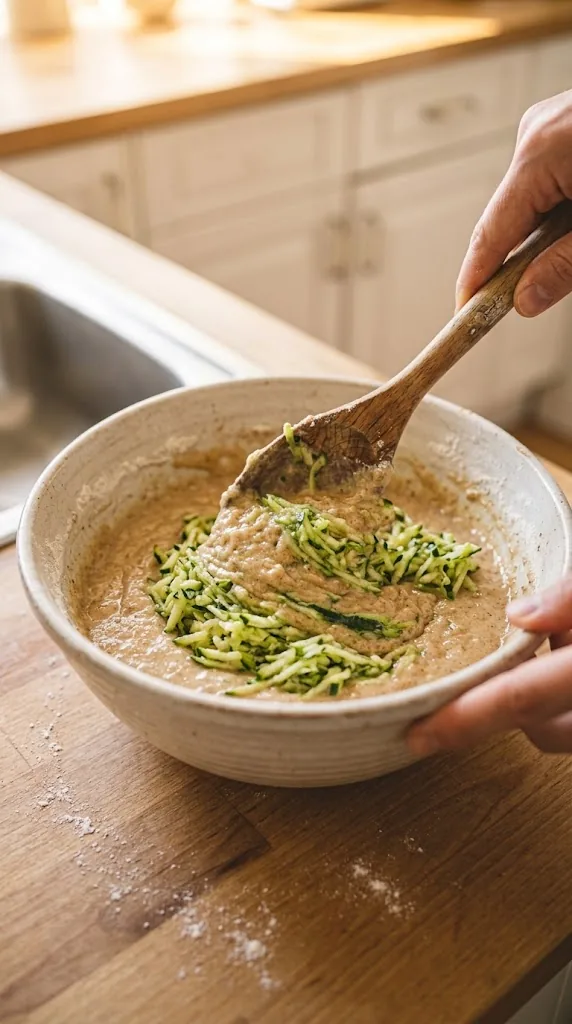
- Grated zucchini: Freezes exceptionally well for baking projects as long as excess liquid is firmly squeezed out prior to packing.
How to freeze zucchini
- Wash the zucchini and trim off both ends, then slice, dice, or grate it depending on how you plan to use it.
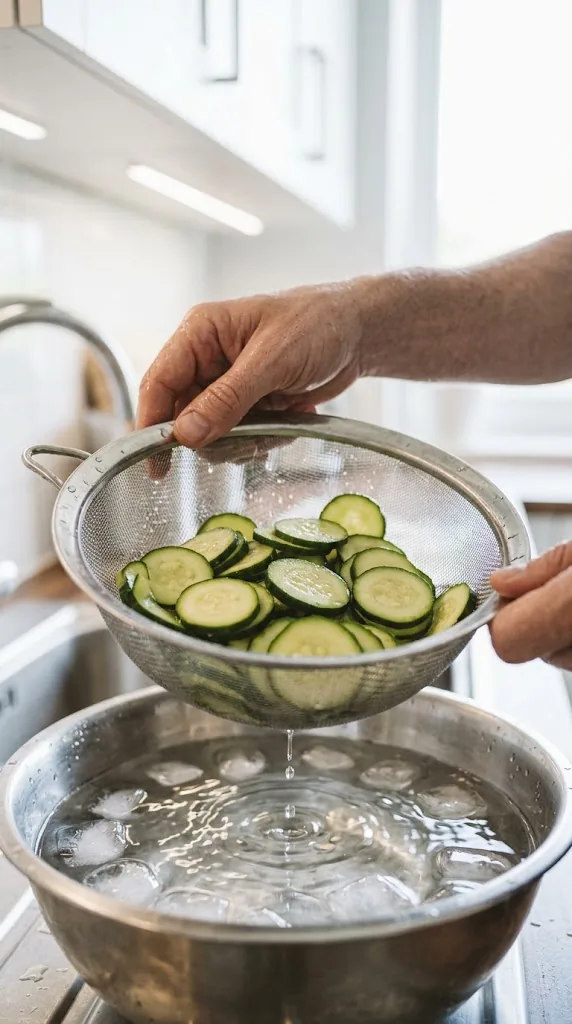
- If slicing or dicing, blanch the pieces in boiling water for 2 minutes, then immediately plunge them into an ice water bath to stop the cooking process.
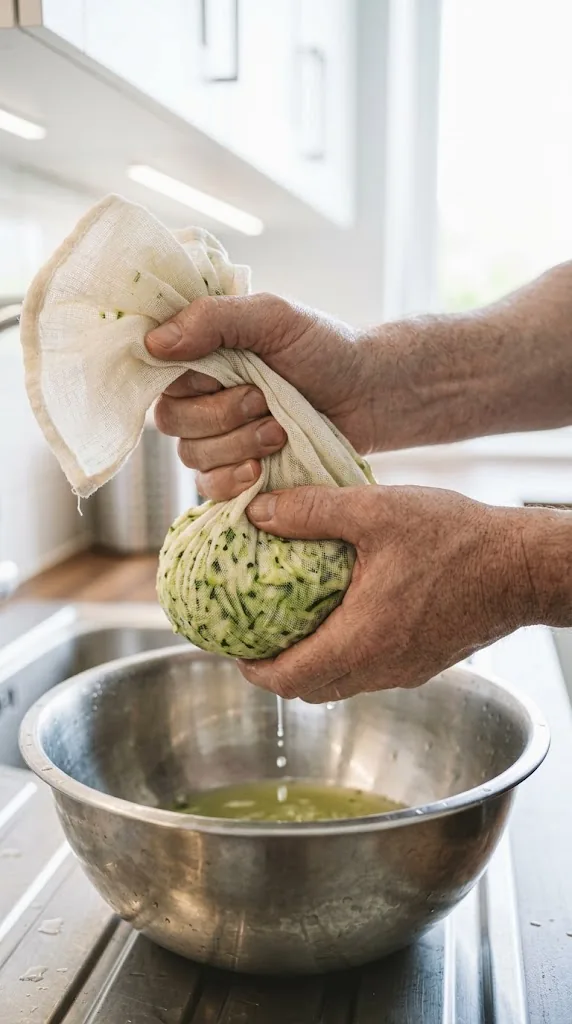
- Drain thoroughly and pat dry with paper towels. For grated zucchini, place it in a clean cloth and squeeze out as much excess liquid as possible.
- Pack the zucchini into airtight freezer bags or containers, pressing out as much air as possible to prevent freezer burn.
- Label the bag with the current date and use-by timeframe.

Best containers for freezing zucchini
- Freezer bags: press out as much air as you can and freeze them flat so they stack and thaw faster.
- Airtight rigid containers: best for soft or liquid foods. Leave about 1/2 inch of headspace because food expands as it freezes.
- Sheet pan first: freeze pieces in a single layer for an hour or two, then bag them so they don’t clump together.
- Label everything: write the item and the date on every package.
For zucchini: Pack prepared zucchini tightly into heavy-duty freezer bags or airtight containers, pressing out all excess air to minimize freezer burn.
How to thaw zucchini
- Place frozen sliced or diced zucchini straight into soups, stews, or stir-fries without thawing.
- Thaw grated zucchini in the refrigerator overnight in a colander so excess water can drain away.
- Use thawed grated zucchini immediately in baked goods like breads and muffins.
How to reheat zucchini
- Add frozen sliced or cubed zucchini directly into boiling soups or simmering stews without prior thawing.
- Stir frozen zucchini pieces directly into hot skillet dishes, cooking until heated through and any remaining moisture evaporates.
- Ensure any cooked dishes containing zucchini are reheated to an internal temperature of 165°F (74°C) before serving.
Best ways to use frozen zucchini
- Great in hearty vegetable soups, minestrone, and slow-cooked stews.
- Works well baked into zucchini bread, muffins, and savory spice cakes.
- Not suitable for raw crudité platters, fresh green salads, or quick stir-fries where crisp snap is desired.
Fixing the texture: Place thawed grated zucchini in a fine-mesh colander and press firmly with paper towels to extract excess water before mixing into batters.
How long zucchini keeps
| Where | How long |
|---|---|
| Freezer (0°F / -18°C) | 10-12 months |
| Refrigerator (40°F / 4°C) | 4-5 days |
| Pantry / counter | 1-2 days |
Can you refreeze zucchini?
Yes, you can safely refreeze zucchini if it was thawed in the refrigerator and shows no signs of spoilage. However, because zucchini has such a high water content and delicate cell structure, each subsequent freeze and thaw cycle will make the texture progressively softer and mushier.
- Cook or bake the zucchini into a dish before refreezing it to help bind the excess moisture.
- Freeze zucchini in small, single-use portions so you only thaw what you need for a single recipe.
- Never refreeze zucchini if it was thawed on the counter or in the microwave unless it has been fully cooked first.
The rules for every food: Can you refreeze food after thawing?
Watch out for
- Raw frozen zucchini will become completely mushy and is not suitable for eating fresh in salads.
- Failing to squeeze out the excess moisture from grated zucchini will result in overly wet batter when baking.
- Zucchini left in the freezer too long can develop freezer burn and absorb flavors from other foods.
Food safety notes
Always thaw frozen zucchini safely in the refrigerator. You can safely refreeze zucchini if it was thawed in the refrigerator and shows no signs of spoilage, though the texture will become softer.
Other ways to keep zucchini
- Store whole, unwashed zucchini in a breathable bag in the refrigerator crisper drawer for up to a week.
- Dehydrate zucchini slices in a food dehydrator to make crispy chips.
- Pickle sliced zucchini in a vinegar brine and keep it in the refrigerator for several weeks.
Common questions
Can you freeze raw zucchini without blanching?
Yes, you can freeze raw zucchini if it is grated and you squeeze out the excess water first, but sliced or cubed raw zucchini will turn to mush and lose its flavor much faster. Blanching whole slices helps preserve better color, texture, and taste over time.
Why is my thawed zucchini so watery?
Zucchini has an extremely high water content. The freezing process forms ice crystals that break down the plant cell walls, releasing all that trapped moisture when the vegetable thaws.
Can I refreeze zucchini after it has thawed?
You can safely refreeze zucchini if it was thawed in the refrigerator and shows no signs of spoilage, though the texture will become even mushier with each freeze.
Can I freeze zucchini noodles for pasta alternatives?
Freezing zucchini noodles is generally not recommended because their extremely high water content turns them into an unappealing, watery mush upon thawing. If you still want to try, pat them completely dry and cook them straight from frozen without thawing first.
Do I need to peel zucchini before freezing it?
You do not need to peel zucchini before freezing, as the skin helps hold the pieces together during blanching and cooking. Simply wash the exterior thoroughly and trim off the stem and blossom ends before slicing, dicing, or grating.
Sources
- USDA FSIS: Freezing and Food Safety
- FoodSafety.gov: FoodKeeper storage times
- National Center for Home Food Preservation: Freezing
Freezer times are for best quality. Food kept at 0°F (-18°C) stays safe indefinitely, but always thaw it in the fridge, in cold water or in the microwave, never on the counter. When in doubt, throw it out. See the USDA freezing guide.