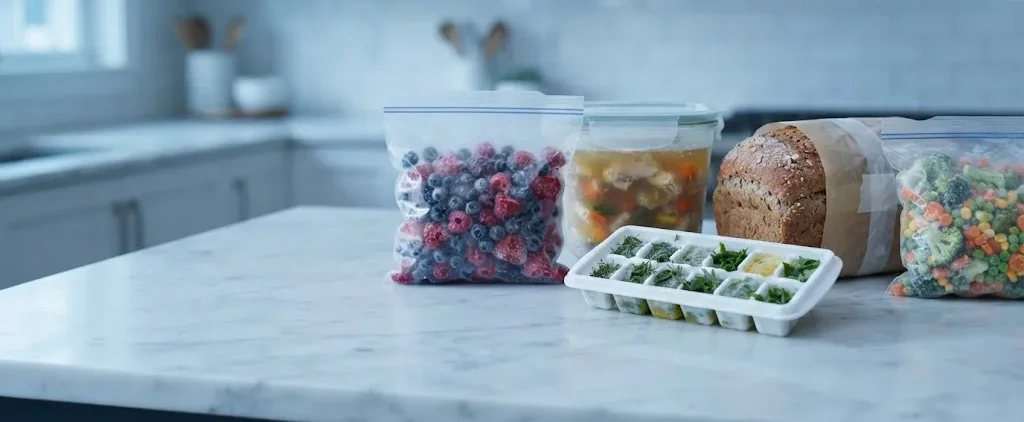
Yes, but kiwi becomes very mushy when thawed, so it is best frozen in pureed form for smoothies rather than sliced for eating fresh.
Why
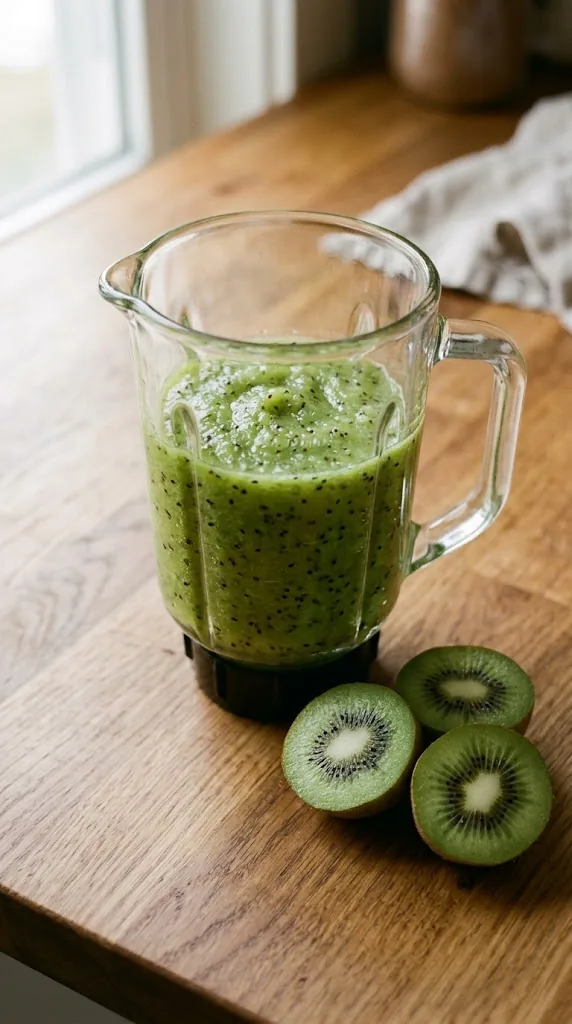
Kiwi has a very high water content and delicate cellular structure. When frozen whole or sliced, the water inside expands into large ice crystals that puncture the cell walls. Upon thawing, the fruit completely collapses, releasing its juices and turning into a soggy, unappealing mess. However, freezing kiwi as a puree or in simple slices strictly for blended drinks or baking works well because the structural breakdown does not impact smoothies.
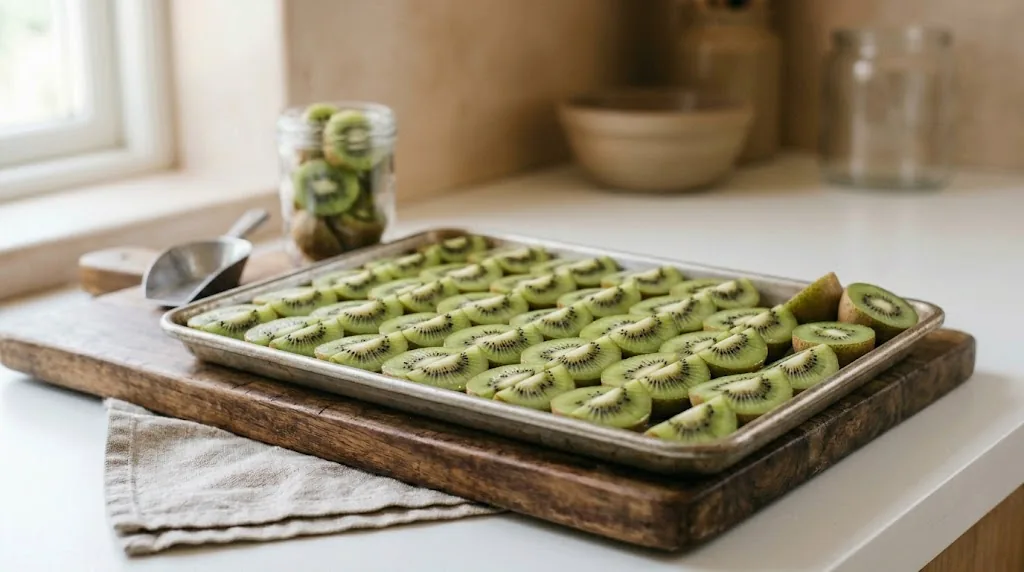
What freezing does to kiwi
- Texture: Turns completely soft and mushy due to cellular damage from ice crystals.
- Flavor: Remains largely tart and sweet, though high acidity can taste slightly sharper.
- Moisture: Releases a significant amount of liquid as the fruit thaws and collapses.
Types of kiwi and how they freeze
- Golden kiwi: Golden kiwis have a sweeter, tropical flavor profile and slightly more delicate flesh, meaning they break down even faster into puree than green varieties.
- Green kiwi: Green kiwis are more acidic and hold their shape marginally better in slices, though they still require blending or baking use.
How to freeze kiwi
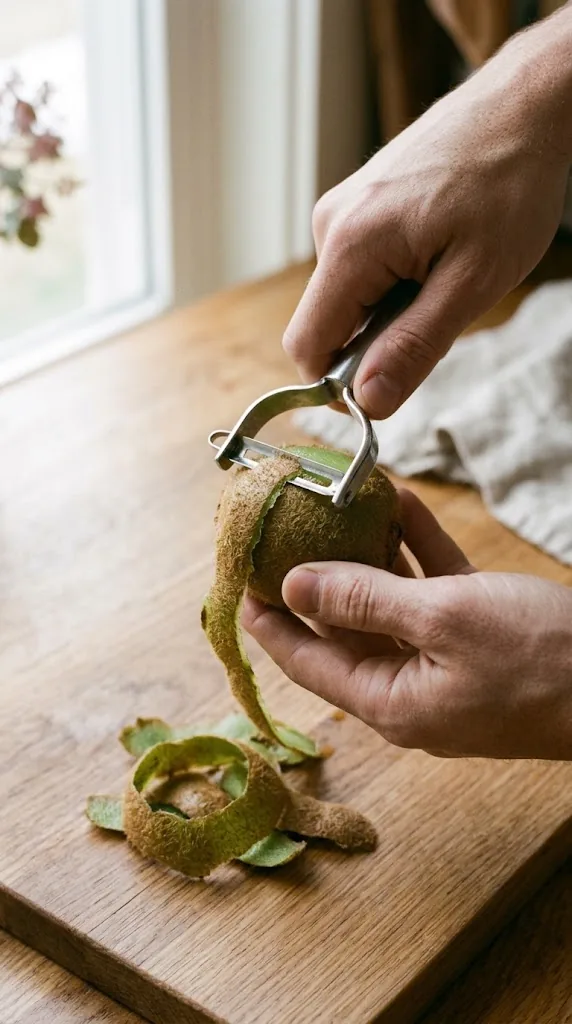
- Wash the kiwis thoroughly and peel away the fuzzy skin with a knife or vegetable peeler.
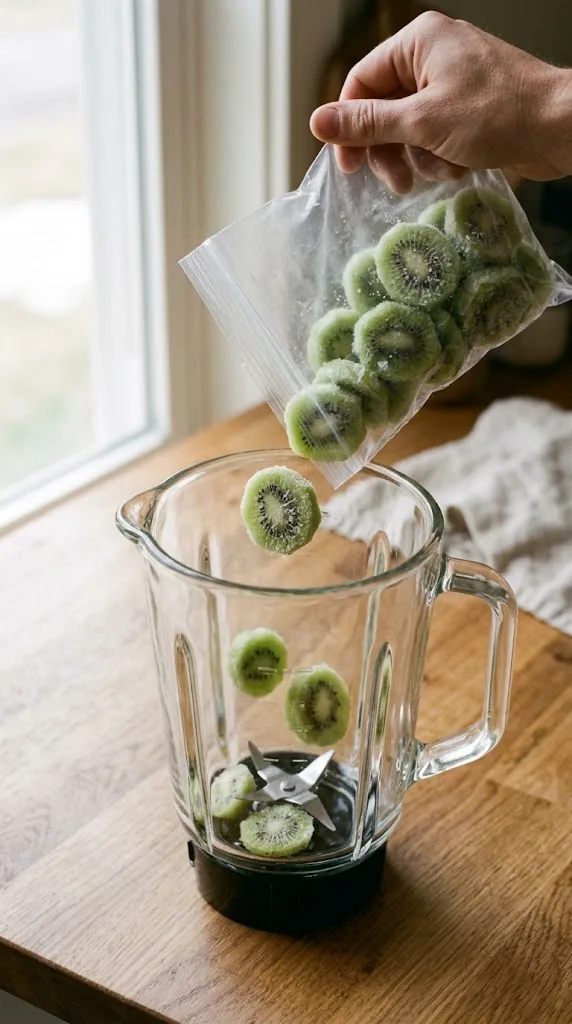
- Slice the fruit into rounds or chop into chunks, or blend them into a smooth puree.
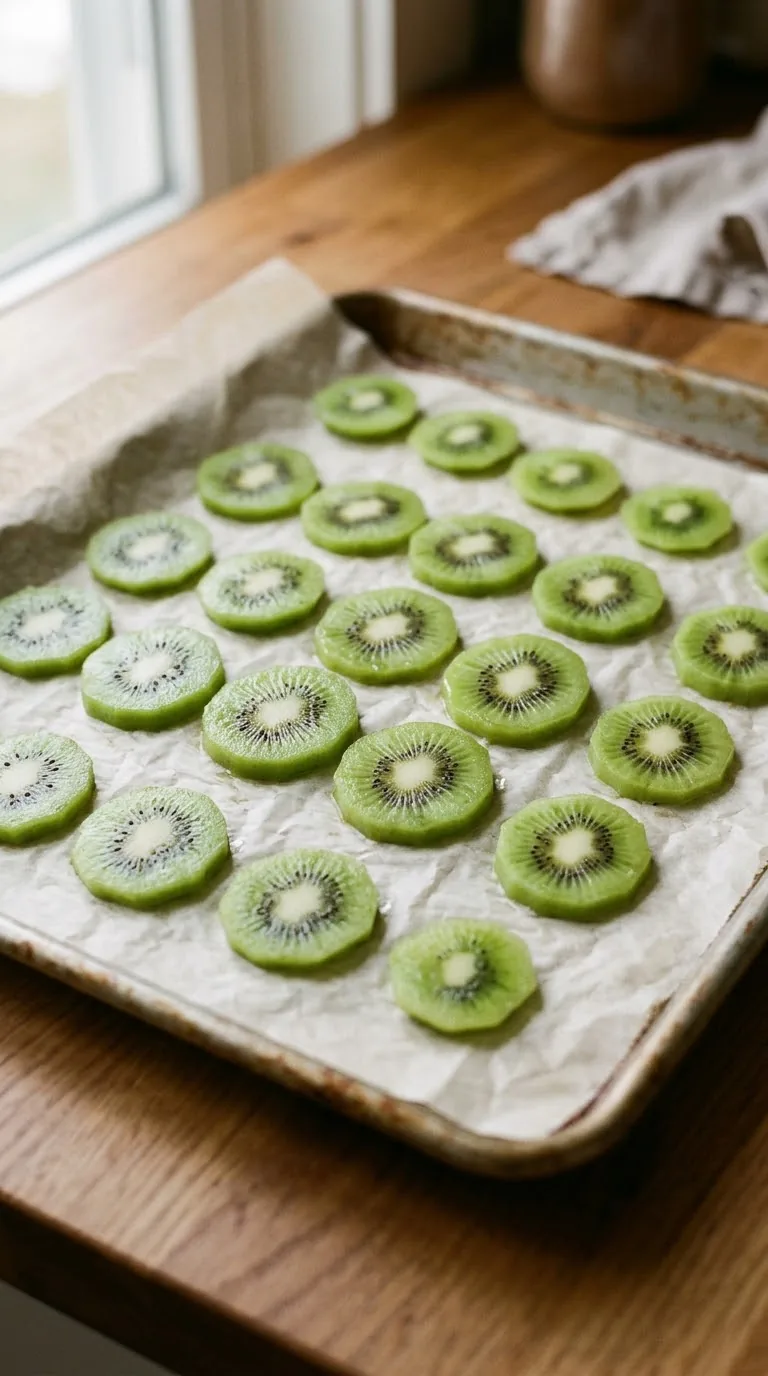
- For slices, flash freeze them in a single layer on a parchment-lined baking sheet for two hours.
- Transfer the frozen slices or puree into heavy-duty freezer bags or airtight containers.
- Press out as much air as possible to prevent freezer burn, then seal, label with the date, and freeze.
Best containers for freezing kiwi
- Freezer bags: press out as much air as you can and freeze them flat so they stack and thaw faster.
- Airtight rigid containers: best for soft or liquid foods. Leave about 1/2 inch of headspace because food expands as it freezes.
- Sheet pan first: freeze pieces in a single layer for an hour or two, then bag them so they don’t clump together.
- Label everything: write the item and the date on every package.
For kiwi: Flash freeze slices on a baking sheet before transferring them to heavy-duty freezer bags, and leave an inch of headspace if freezing kiwi puree in rigid containers.
How to thaw kiwi
- Use frozen kiwi slices or puree straight from the freezer into smoothies or baked goods without thawing.
- If thawing for a recipe, place the sealed container in the refrigerator for a few hours until soft.
Best ways to use frozen kiwi
- Great for blending straight from frozen into morning fruit smoothies
- Works well baked into muffins, quick breads, and fruit tarts
- Not suitable for fresh fruit salads, yogurt toppings, or raw edible garnishes
How long kiwi keeps
| Where | How long |
|---|---|
| Freezer (0°F / -18°C) | 8-10 months |
| Refrigerator (40°F / 4°C) | 3-5 days |
| Pantry / counter | 1-2 weeks |
Can you refreeze kiwi?
Yes, you can refreeze thawed kiwi only if it was thawed safely in the refrigerator and has not been left at room temperature for more than two hours. However, a second freeze will cause further cellular breakdown, resulting in an even mushier texture and poorer overall quality.
- Freeze kiwi in small portions so you only thaw what you need at one time
- Cook the thawed kiwi into a jam or baked good before refreezing to help salvage the quality
- Cool any cooked kiwi dishes quickly in shallow containers and refrigerate within two hours before freezing
The rules for every food: Can you refreeze food after thawing?
Watch out for
- Thawed raw kiwi slices will be completely mushy and unsuitable for fresh fruit salads or garnishes.
- Avoid leaving kiwi at room temperature to thaw, as it will quickly break down into a watery mush.
- Kiwi contains an enzyme called actinidin that can cause dairy in smoothies to become bitter if left sitting too long after blending.
Food safety notes
Always thaw kiwi safely in the refrigerator if you are not using it straight from frozen into a blended drink. Do not refreeze kiwi unless it was thawed under safe refrigeration temperatures.
Other ways to keep kiwi
- Store whole unripe kiwis at room temperature until ripe, then move them to the refrigerator crisper drawer to last for up to two weeks.
- Dehydrate kiwi slices in a food dehydrator to make chewy dried fruit snacks.
- Cook kiwi down into a sweet jam or fruit spread to preserve it for long-term pantry storage.
Common questions
Can you freeze whole kiwis with the skin on?
It is not recommended to freeze whole kiwis because the skin traps moisture and makes peeling impossible once thawed. Always peel and slice or puree them before freezing.
Can thawed kiwi be refrozen if I do not use it all?
You can refreeze thawed kiwi only if it was thawed safely in the refrigerator, though the texture will degrade further and quality will suffer significantly.
Why does frozen kiwi taste bitter in yogurt?
Kiwi contains a natural enzyme that breaks down proteins. When mixed with dairy like yogurt or milk and allowed to sit, it can create a bitter taste and watery texture, so it is best consumed immediately.
Can I freeze kiwi in sugar syrup to improve the texture?
Yes, packing sliced kiwi in a simple sugar syrup can help preserve the cellular structure slightly better than dry freezing, though it will still be too soft for fresh eating.
Does frozen kiwi lose its vitamin C content?
Kiwi does experience a gradual loss of vitamin C during long-term freezer storage, though it retains a significant portion of its nutritional value if consumed within the recommended timeframe.
Sources
- USDA FSIS: Freezing and Food Safety
- FoodSafety.gov: FoodKeeper storage times
- National Center for Home Food Preservation: Freezing
Freezer times are for best quality. Food kept at 0°F (-18°C) stays safe indefinitely, but always thaw it in the fridge, in cold water or in the microwave, never on the counter. When in doubt, throw it out. See the USDA freezing guide.