Yes, you can freeze quiche successfully. It is a great meal-prep option that reheats well if wrapped and stored properly.
Why
Quiche freezes remarkably well due to its high fat content from eggs, cream, and cheese, which helps maintain flavor and moisture. While freezing causes large ice crystals to form, wrapping the baked pie tightly in plastic wrap and aluminum foil prevents freezer burn and keeps the crust from becoming overly soggy. When you reheat it, the water reabsorbs into the custard, yielding a texture that is nearly as delicious as a freshly baked quiche.
What freezing does to quiche
- Texture: The egg custard can become slightly grainy or spongy if exposed to extreme temperature fluctuations.
- Crust: The pastry base absorbs moisture from the filling over time, reducing its crispness.
- Structure: Water-laden mix-ins can bleed liquid into the surrounding custard during thawing.
Types of quiche and how they freeze
- Crustless quiche: Crustless quiches freeze exceptionally well because they lack pastry dough, avoiding the issue of a soggy bottom crust entirely.
- Low-fat quiche: Varieties made with skim milk or egg whites tend to separate and become watery much faster than full-fat versions due to lower fat content.
How to freeze quiche
- Bake the quiche fully and cool it quickly by placing it in the refrigerator within 2 hours of cooking.
- Slice the quiche into individual portions for easier reheating or leave it whole.
- Wrap each slice or the whole quiche tightly in a layer of plastic wrap to prevent moisture loss.
- Add a second layer of heavy-duty aluminum foil over the plastic wrap to protect against freezer burn.
- Label the package with the date and freeze for up to 3 months.
Best containers for freezing quiche
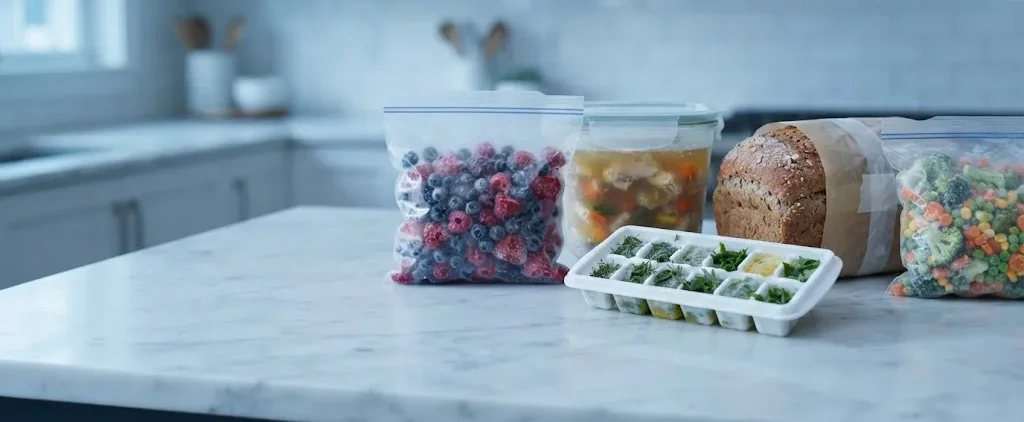
- Freezer bags: press out as much air as you can and freeze them flat so they stack and thaw faster.
- Airtight rigid containers: best for soft or liquid foods. Leave about 1/2 inch of headspace because food expands as it freezes.
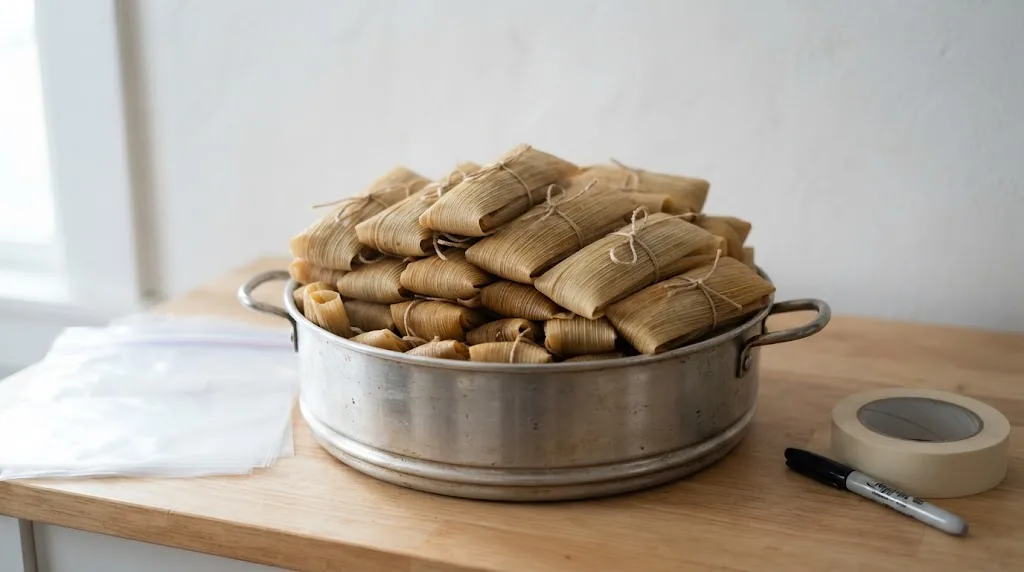
- Sheet pan first: freeze pieces in a single layer for an hour or two, then bag them so they don’t clump together.
- Label everything: write the item and the date on every package.
For quiche: Wrap individual slices tightly in plastic wrap followed by a layer of heavy-duty aluminum foil to create an airtight seal against frost.
How to thaw quiche
- Transfer the frozen quiche to the refrigerator and let it thaw overnight.
- Reheat the thawed quiche in a 350 degree Fahrenheit oven for 15 to 20 minutes until warmed through.
How to reheat quiche
- Preheat your oven to 350 degrees Fahrenheit.
- Place the thawed quiche slice on a baking sheet and cover loosely with foil to prevent over-browning.
- Bake for 15 to 20 minutes until the internal temperature reaches 165 degrees Fahrenheit.
Best ways to use frozen quiche
- Great for slicing into portable portions for workplace lunches
- Excellent for quick weeknight dinners paired with a side salad
- Not ideal for fancy brunch presentations where a flaky bakery-style crust is mandatory
Fixing the texture: Bake the reheated quiche uncovered for the final 3 to 5 minutes of warming to help crisp up a softened pastry crust.
How long quiche keeps
| Where | How long |
|---|---|
| Freezer (0°F / -18°C) | 2-3 months |
| Refrigerator (40°F / 4°C) | 3 to 4 days |
| Pantry / counter | Not recommended |
Can you refreeze quiche?
Yes, you can safely refreeze quiche if it was thawed in the refrigerator and not left at room temperature. However, undergoing multiple freeze-thaw cycles will degrade the texture of the egg custard and soften the pastry crust even further.
- Slice the quiche into individual portions before freezing so you only thaw what you need.
- Ensure any refrozen quiche reaches a safe internal temperature of 165 degrees Fahrenheit when reheated.
- Consider using the thawed quiche in a baked casserole rather than eating it plain if the texture has degraded.
The rules for every food: Can you refreeze food after thawing?
Watch out for
- The pastry crust may lose some of its flakiness and become slightly softer after freezing and thawing.
- Quiches with high water-content vegetables like spinach or mushrooms may release extra moisture during reheating.
- Avoid leaving the quiche at room temperature during cooling or thawing to prevent bacterial growth.
Food safety notes
Always thaw frozen quiche safely in the refrigerator rather than on the counter to prevent bacterial growth. Once thawed in the fridge, it can be safely refrozen if needed, though quality will decline.
Other ways to keep quiche
- Store it in the refrigerator for up to 3 to 4 days.
- Freeze the unbaked pastry crust separately from the custard filling.
Common questions
Can you freeze an unbaked quiche?
It is generally better to freeze quiche after it has been fully baked. Freezing raw eggs and liquid pastry dough together can result in a soggy crust and a separated custard texture once thawed.
Can I reheat quiche straight from frozen?
Yes, you can bake a frozen quiche straight in the oven at 350 degrees Fahrenheit, but you will need to cover it with foil for the first 30 minutes to prevent the top from burning while the center warms.
Can I refreeze thawed quiche?
You can safely refreeze quiche if it was thawed properly in the refrigerator, though the texture of the crust and custard may degrade further with each freeze-thaw cycle.
Can you freeze mini quiches or tartlets?
Yes, mini quiches freeze wonderfully and actually reheat much faster than a standard whole quiche. Flash freeze them on a baking sheet before transferring them to a freezer bag to prevent them from sticking together.
Why did my frozen quiche turn watery after reheating?
Excess moisture is usually caused by using watery mix-ins like fresh tomatoes, mushrooms, or spinach without pre-cooking and draining them thoroughly before baking the quiche.
Sources
- USDA FSIS: Freezing and Food Safety
- FoodSafety.gov: FoodKeeper storage times
- National Center for Home Food Preservation: Freezing
Freezer times are for best quality. Food kept at 0°F (-18°C) stays safe indefinitely, but always thaw it in the fridge, in cold water or in the microwave, never on the counter. When in doubt, throw it out. See the USDA freezing guide.