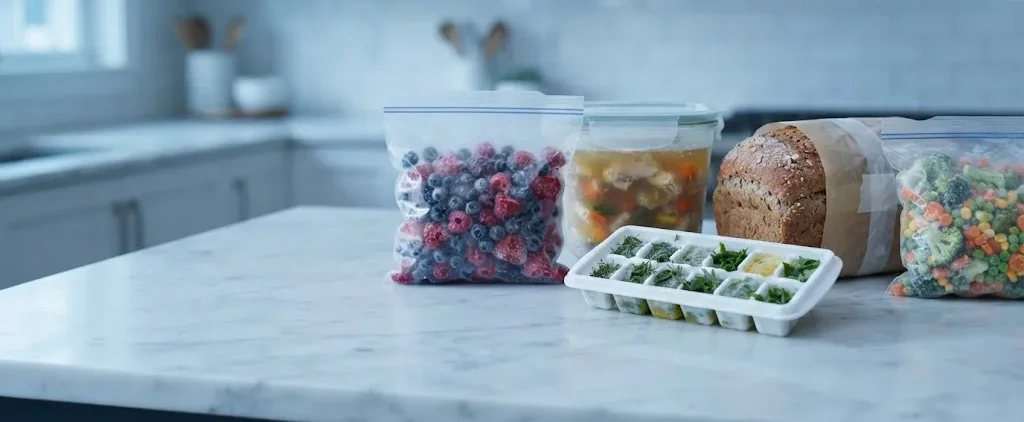
Yes, pierogies freeze exceptionally well whether they are homemade or store-bought, raw or cooked.
Why
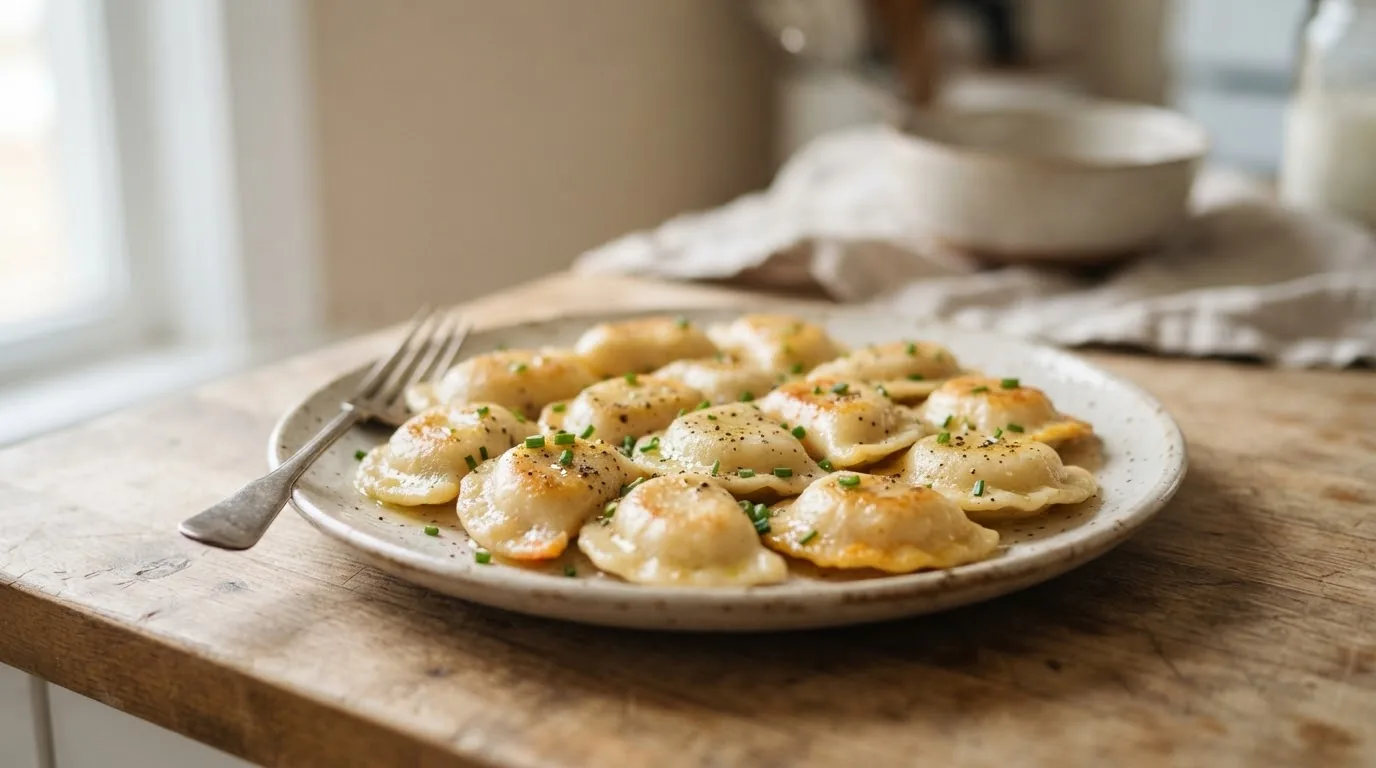
Pierogies hold up wonderfully in the freezer because their thick pasta dough and dense fillings protect them from major moisture loss during freezing. Ice crystals form within the dough and filling, but when boiled or pan-fried straight from the freezer, the structure remains intact. Whether stuffed with potatoes, cheese, meat, or sauerkraut, pierogies retain their flavor and comforting texture remarkably well without becoming mushy, making them one of the most reliable freezer-friendly comfort foods you can stock.
What freezing does to pierogies
- Texture: The outer dough can occasionally become slightly more fragile if exposed to air pockets.
- Flavor: Properly sealed fillings maintain their savory profile with minimal degradation.
Types of pierogies and how they freeze
- Homemade pierogies: Ensure the dough is sealed tightly with water or egg wash, as homemade edges are more prone to opening up in the freezer.
- Store-bought commercial pierogies: These often come pre-dusted with flour or in modified atmosphere packaging, making them very resilient to freezer burn in their original unopened boxes.
How to freeze pierogies
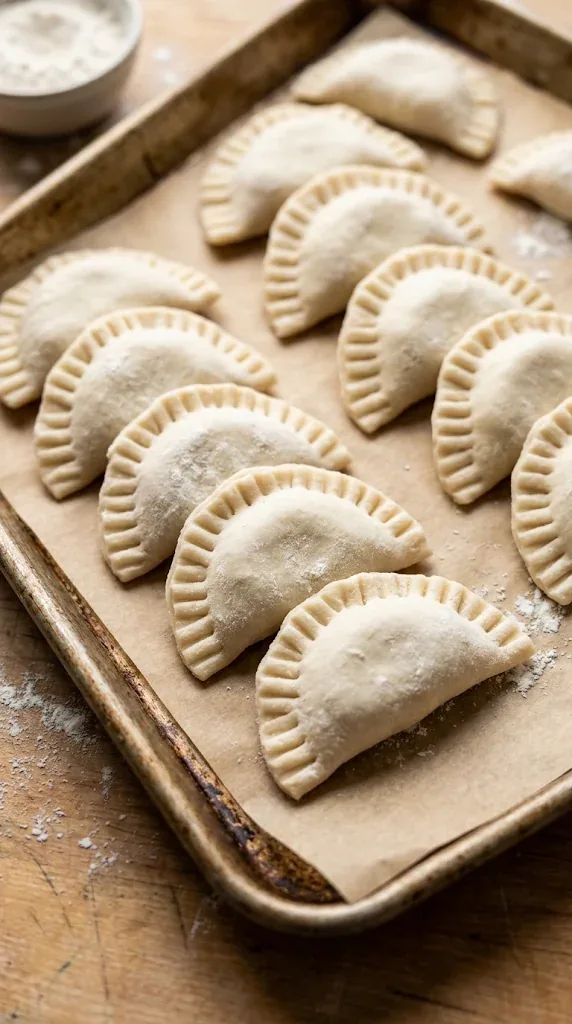
- Place raw or cooked pierogies in a single layer on a parchment-lined baking sheet.
- Put the baking sheet in the freezer for one to two hours until the pierogies are completely frozen solid.
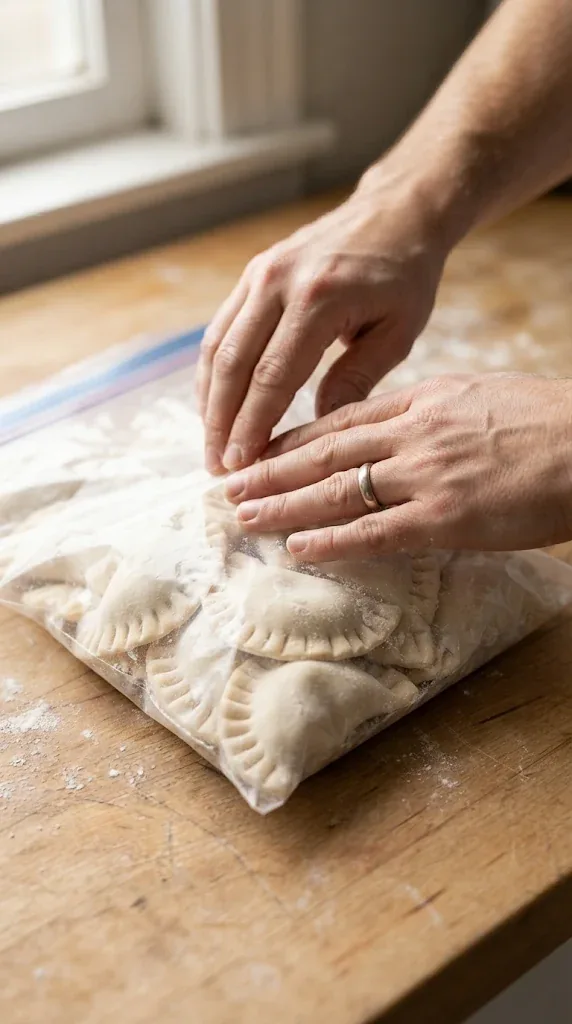
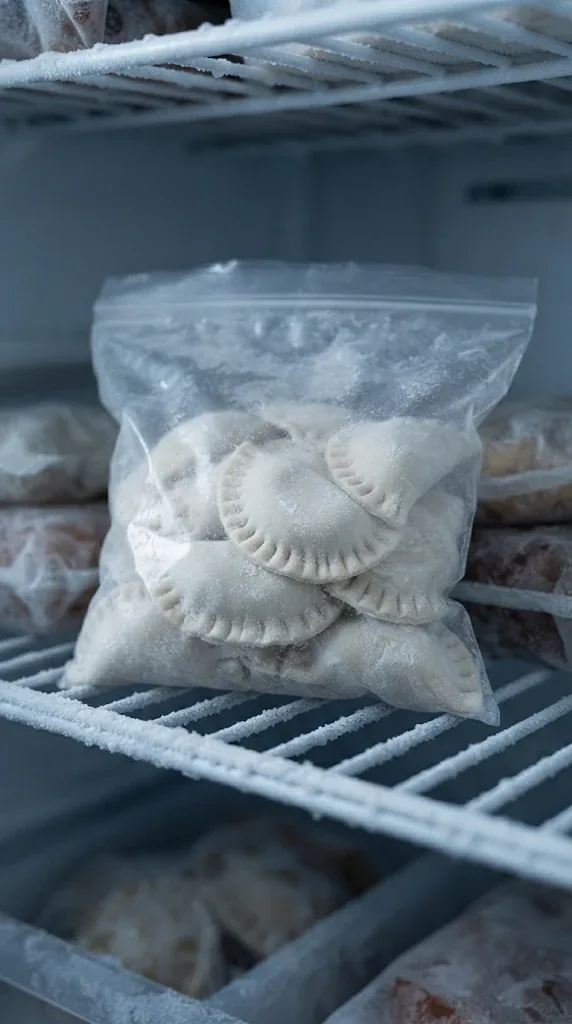
- Transfer the frozen pierogies into heavy-duty freezer bags or airtight containers.
- Squeeze out as much excess air as possible to prevent freezer burn.
- Label the bag or container with the freezing date.
Best containers for freezing pierogies
- Freezer bags: press out as much air as you can and freeze them flat so they stack and thaw faster.
- Airtight rigid containers: best for soft or liquid foods. Leave about 1/2 inch of headspace because food expands as it freezes.
- Sheet pan first: freeze pieces in a single layer for an hour or two, then bag them so they don’t clump together.
- Label everything: write the item and the date on every package.
For pierogies: Flash-freeze pierogies on a baking sheet before transferring them to heavy-duty freezer bags to prevent them from fusing into a solid block.
How to thaw pierogies
- Cook or reheat them straight from frozen without thawing first for the best texture.
How to reheat pierogies
- Drop frozen pierogies into a pot of gently boiling water until they float to the top, about 4 to 6 minutes.
- Transfer the boiled pierogies directly into a skillet with melted butter and onions.
- Pan-fry over medium heat until golden brown and heated through to an internal temperature of 165°F (74°C).
Best ways to use frozen pierogies
- Great for a quick weeknight dinner boiled and tossed in browned butter.
- Wonderful pan-fried with caramelized onions and crisp bacon bits.
- Not suitable for cold pasta salads due to the soft dough and potato filling.
Fixing the texture: If the dough feels slightly dry after cooking, toss the hot pierogies in melted butter or oil immediately to restore a smooth mouthfeel.
How long pierogies keeps
| Where | How long |
|---|---|
| Freezer (0°F / -18°C) | 3-6 months |
| Refrigerator (40°F / 4°C) | 3 to 5 days |
| Pantry / counter | Not recommended |
Can you refreeze pierogies?
Yes, you can refreeze pierogies, but only if they were thawed safely in the refrigerator and have not been left at room temperature for more than two hours. If they were thawed using another method, you must cook them completely before freezing again. However, repeated freezing and thawing can cause the delicate pasta dough to become mushy and the filling to dry out.
- Cook or bake the thawed pierogies into a dish before refreezing them if you want to protect their texture.
- Portion the pierogies into small batches before freezing so you only thaw what you need for a single meal.
- Cool any cooked pierogies quickly in shallow containers and place them in the freezer within two hours.
The rules for every food: Can you refreeze food after thawing?
Watch out for
- Do not let raw pierogies touch each other on the baking sheet during initial freezing or they will stick together permanently.
- Avoid thawing them in the refrigerator or on the counter, as the delicate dough will become soggy and gummy.
- Watch for freezer burn if stored in thin plastic grocery bags rather than airtight freezer-safe packaging.
Food safety notes
Ensure any homemade meat-stuffed pierogies are cooled quickly in shallow containers and frozen within 2 hours of preparation to prevent bacterial growth.
Other ways to keep pierogies
- Store raw or cooked pierogies in the refrigerator for up to 3 to 5 days.
- Keep them in the pantry if you have shelf-stable, commercially dried varieties.
Common questions
Can you freeze pierogies raw or should they be cooked first?
You can freeze pierogies both raw and cooked. Raw pierogies should be flash-frozen on a baking sheet first so they do not stick together, while cooked pierogies should be cooled quickly and stored in an airtight container.
Do you need to thaw pierogies before cooking them?
No, you should never thaw pierogies before cooking. Drop frozen pierogies directly into boiling water or place them straight into a hot skillet to maintain their shape and prevent the dough from getting soggy.
How can you tell if frozen pierogies have gone bad?
If pierogies have severe freezer burn with dry, discolored patches, or if they develop an off smell or mold after being thawed, you should discard them immediately.
Can you stack pierogies in the freezer bag without flash-freezing them first?
No, stacking them without flash-freezing will cause the moist dough to stick together, resulting in torn pierogies when you try to separate them.
Can you bake frozen pierogies in a casserole dish instead of boiling them?
Yes, you can place frozen pierogies directly into a casserole dish with sauce and cheese, though you will need to add extra baking time and liquid to ensure they cook through completely.
Sources
- USDA FSIS: Freezing and Food Safety
- FoodSafety.gov: FoodKeeper storage times
- National Center for Home Food Preservation: Freezing
Freezer times are for best quality. Food kept at 0°F (-18°C) stays safe indefinitely, but always thaw it in the fridge, in cold water or in the microwave, never on the counter. When in doubt, throw it out. See the USDA freezing guide.