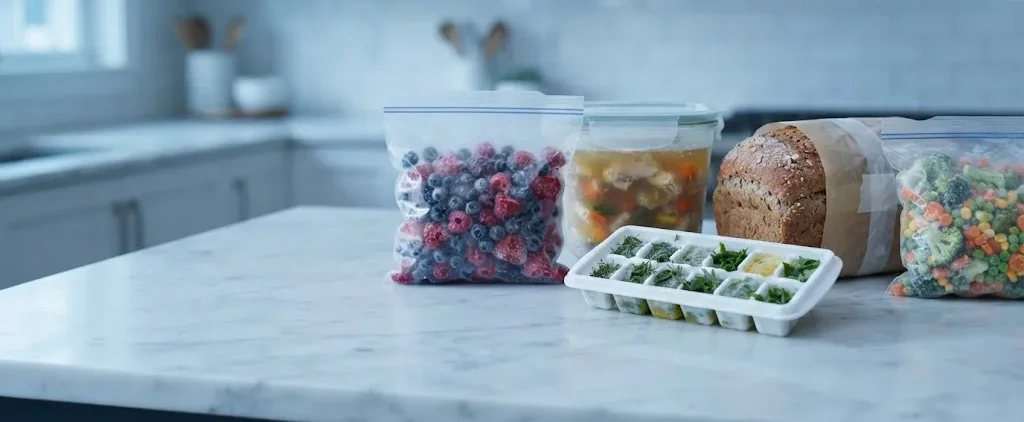
Yes, meatloaf freezes exceptionally well, whether it is cooked or uncooked.
Why
Meatloaf freezes well because its dense structure and mixture of ground meat, binders, and seasonings retain moisture and flavor effectively during the freezing process. Cooked meatloaf holds its shape nicely when sliced and reheated, while uncooked meatloaf allows you to bake it fresh later. While minor texture changes can occur due to ice crystal formation, proper wrapping prevents freezer burn and keeps the meatloaf tasting delicious for months.
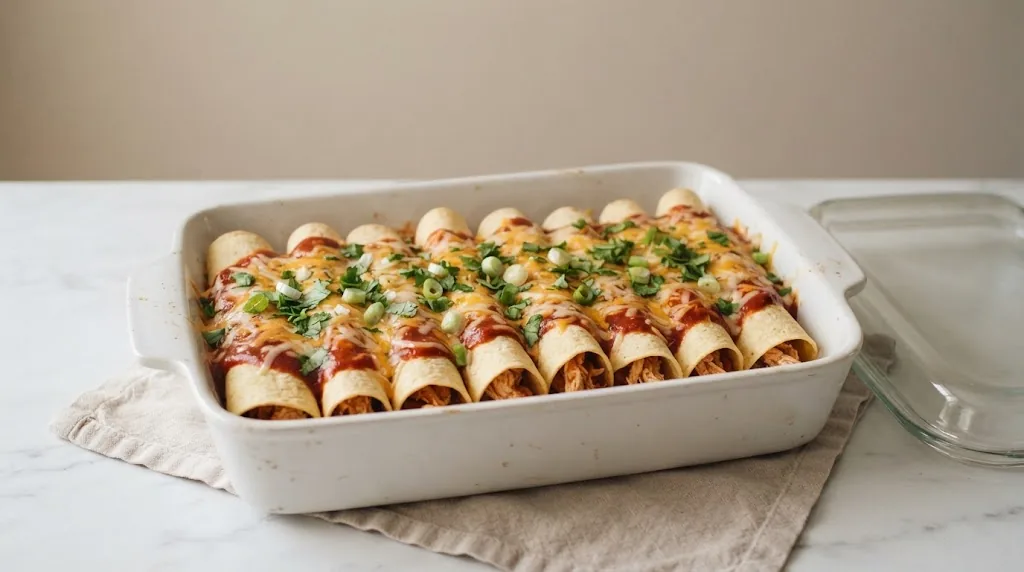
What freezing does to meatloaf
- Texture: Can become slightly denser or crumbly when sliced after thawing due to moisture loss.
- Flavor: Herbs and spices may mute slightly over time in the freezer, benefiting from a fresh glaze upon reheating.
Types of meatloaf and how they freeze
- Whole Loaf: Freezes best for retaining overall moisture, taking longer to thaw but resulting in juicier slices.
- Pre-Sliced Portions: Freezes quickly and allows you to grab single servings, though individual pieces are more prone to drying out.
How to freeze meatloaf
- Cool cooked meatloaf quickly in shallow containers and refrigerate within two hours of cooking, or prepare uncooked meatloaf.
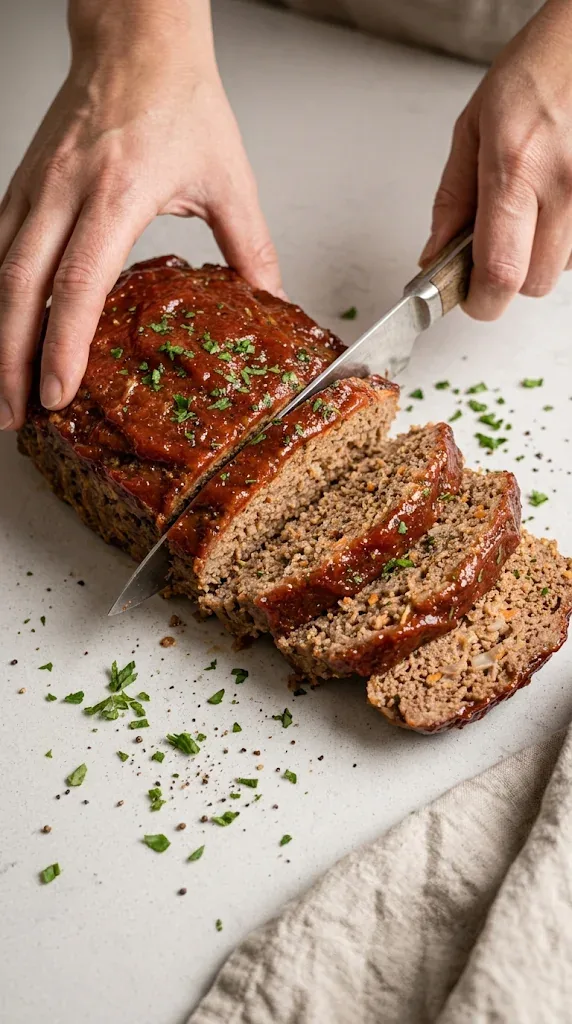
- Slice the meatloaf into individual portions or keep it as a whole loaf depending on your preference.
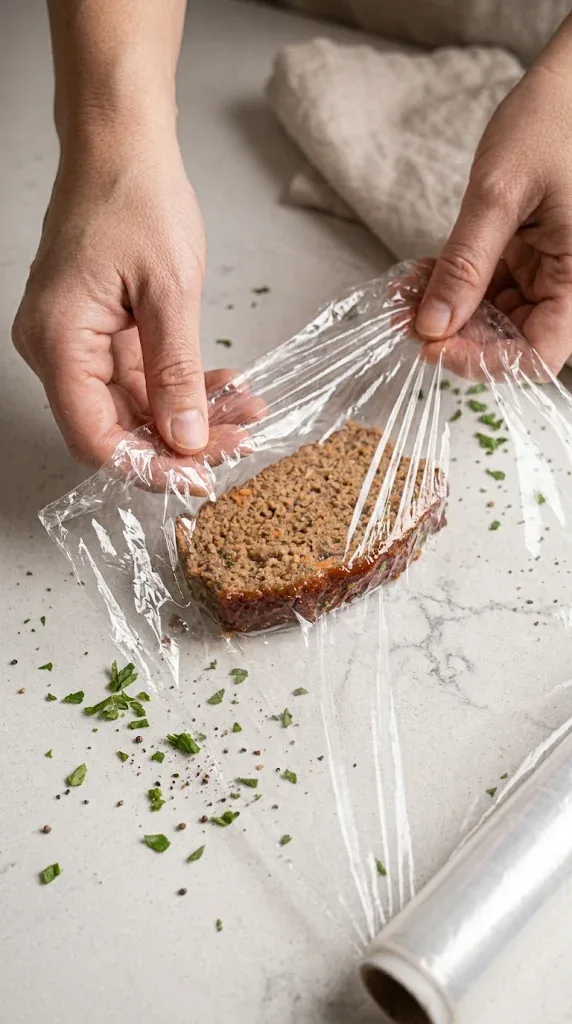
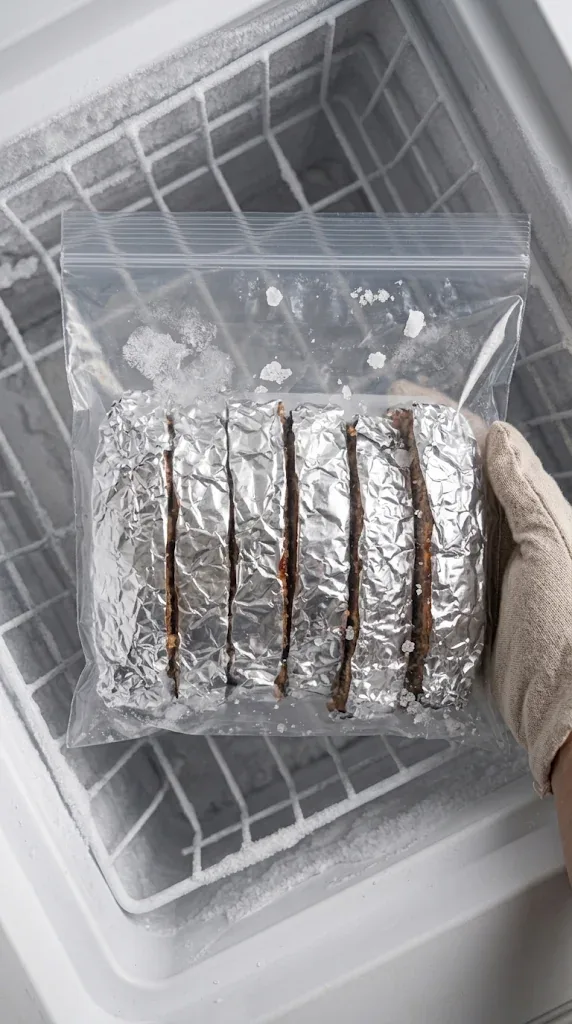
- Wrap each portion tightly in plastic wrap, followed by a layer of heavy-duty aluminum foil.
- Place the wrapped meatloaf into a heavy-duty freezer bag or airtight container, pressing out as much air as possible.
- Label the package with the item name and the date to track freshness.
Best containers for freezing meatloaf
- Freezer bags: press out as much air as you can and freeze them flat so they stack and thaw faster.
- Airtight rigid containers: best for soft or liquid foods. Leave about 1/2 inch of headspace because food expands as it freezes.
- Sheet pan first: freeze pieces in a single layer for an hour or two, then bag them so they don’t clump together.
- Label everything: write the item and the date on every package.
For meatloaf: Wrap slices or the whole loaf tightly in plastic wrap to eliminate air pockets, then encase in heavy-duty aluminum foil or a freezer-safe zip bag.
How to thaw meatloaf
- Place the frozen meatloaf in the refrigerator and allow it to thaw completely for 24 hours.
- Alternatively, you can reheat cooked meatloaf straight from frozen in the oven at 350 degrees Fahrenheit until heated through.
- Use a microwave on the defrost setting for smaller portions, ensuring you cook or eat it immediately afterward.
How to reheat meatloaf
- Preheat your oven to 350 degrees Fahrenheit.
- Place the meatloaf in a baking dish and cover with foil to retain moisture.
- Heat until the internal temperature reaches 165 degrees Fahrenheit.
Best ways to use frozen meatloaf
- Great for slicing cold for hearty deli-style sandwiches
- Ideal for breaking apart into homemade meat sauces
- Not recommended for delicate canapes or finger foods due to crumbly texture
Fixing the texture: Add a splash of beef broth or top with a fresh layer of ketchup or barbecue sauce before reheating to restore lost moisture.
How long meatloaf keeps
| Where | How long |
|---|---|
| Freezer (0°F / -18°C) | 3-4 months |
| Refrigerator (40°F / 4°C) | 3-4 days |
| Pantry / counter | Not recommended |
Can you refreeze meatloaf?
Yes, you can refreeze meatloaf if it was thawed safely in the refrigerator and has not been left out for more than two hours. However, refreezing meatloaf can cause the texture to become drier and more crumbly because repeated freezing cycles cause additional moisture loss.
- Always cook or bake raw meatloaf before refreezing it if it has already been thawed and cooked into a meal.
- Divide the meatloaf into smaller individual portions before freezing so you only thaw what you plan to eat.
- Add a splash of beef broth or a fresh layer of glaze before reheating to help restore lost moisture after refreezing.
The rules for every food: Can you refreeze food after thawing?
Watch out for
- Ensure the meatloaf is completely cooled before wrapping to prevent condensation and ice buildup.
- Watch out for freezer burn if the meatloaf is not wrapped tightly enough in moisture-proof packaging.
- Never refreeze meatloaf that has been thawed outside of the refrigerator for safety reasons.
Food safety notes
Ensure meatloaf that was cooked and frozen is reheated to an internal temperature of 165 degrees Fahrenheit. If thawed safely in the refrigerator, raw or cooked meatloaf can be refrozen within three to four days.
Other ways to keep meatloaf
- Store cooked meatloaf in the refrigerator for up to 3 to 4 days.
- Repurpose leftover meatloaf into sandwiches, shepherd's pie, or chili.
Common questions
Is it better to freeze meatloaf cooked or uncooked?
Both methods work very well. Freezing it cooked saves time on busy nights, while freezing it uncooked lets you bake it fresh for maximum juiciness.
Can I freeze meatloaf with glaze or ketchup on top?
Yes, you can freeze meatloaf with its glaze already applied. However, applying a fresh batch of glaze right before baking or reheating often yields a better visual and flavor result.
How can I tell if frozen meatloaf has gone bad?
If the meatloaf develops a strange odor, unusual discoloration, or severe freezer burn with dry, hardened spots, it is best to discard it.
Can I freeze meatloaf made with turkey or chicken instead of beef?
Yes, poultry-based meatloaves freeze well, though they tend to be leaner and dry out faster. Adding ingredients like grated zucchini or bell pepper to the mixture helps retain moisture during freezing.
Should I bake meatloaf before freezing it, or freeze it raw?
Both options work well depending on your schedule. Freezing it raw saves prep time on a future night, while freezing it cooked reduces total cooking time when you are ready to eat.
Sources
- USDA FSIS: Freezing and Food Safety
- FoodSafety.gov: FoodKeeper storage times
- National Center for Home Food Preservation: Freezing
Freezer times are for best quality. Food kept at 0°F (-18°C) stays safe indefinitely, but always thaw it in the fridge, in cold water or in the microwave, never on the counter. When in doubt, throw it out. See the USDA freezing guide.