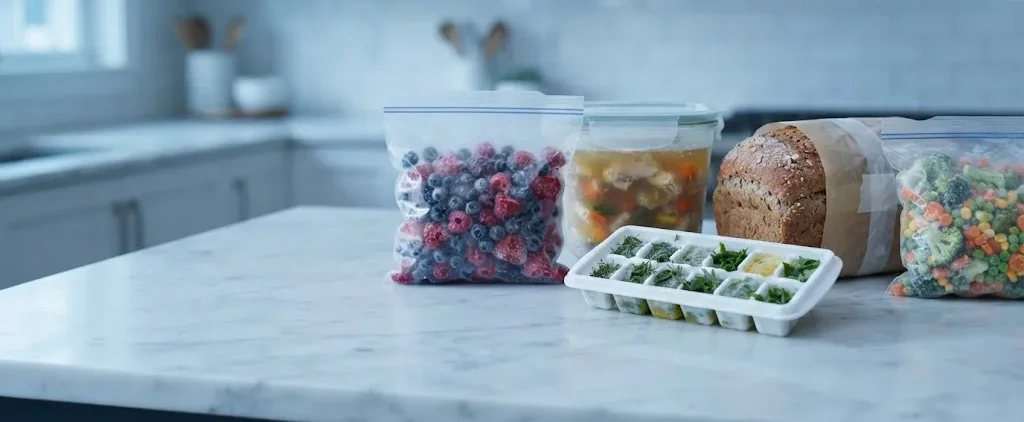
Yes, you can freeze dog food, including both wet canned food and dry kibble or homemade meals.
Why
Freezing is an excellent way to extend the shelf life of homemade dog food or opened cans of commercial dog food. Moisture in the food forms ice crystals during freezing, which can cause a slight change in texture upon thawing, especially with wet foods containing vegetables or gravy. However, this does not affect the nutritional value or safety of the food. Dry kibble can also be frozen to prevent it from going stale or attracting pests, particularly in hot and humid climates.
What freezing does to dog food
- Texture: Wet food may become slightly grainy or watery after thawing due to ice crystal formation.
- Moisture: Canned or homemade meals can release extra liquid as they defrost.
- Flavor: Highly aromatic ingredients might lose a small amount of their initial potency over extended freezing periods.
Types of dog food and how they freeze
- Raw dog food: Freeze raw meat and bone blends immediately in meal-sized portions, and always thaw them completely in the refrigerator before serving.
- Gravy-heavy wet food: Sauces and gravies containing starch may separate or turn slightly spongy upon thawing, requiring thorough mixing.
How to freeze dog food
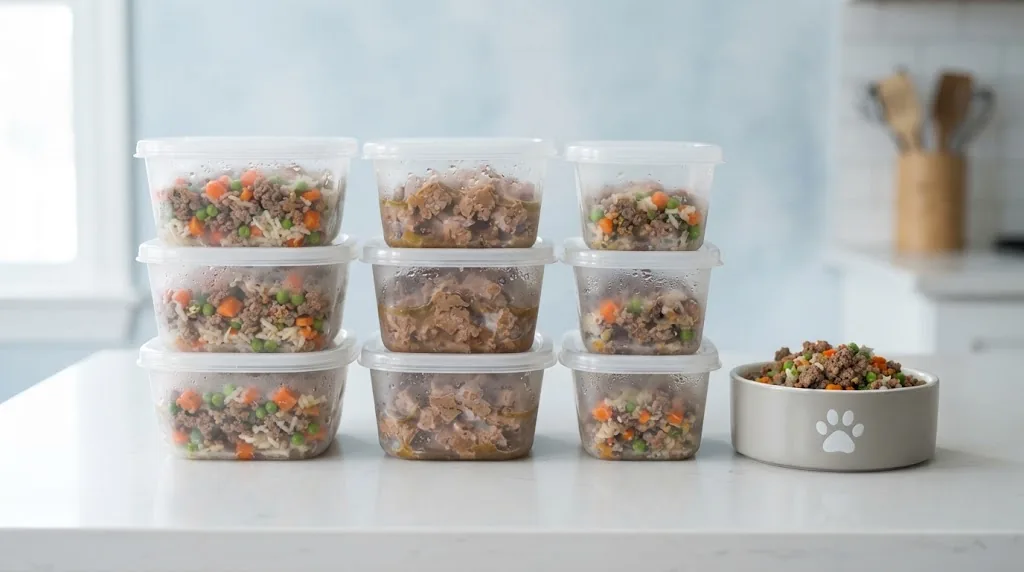
- Portion homemade or wet dog food into individual meal-sized amounts before freezing.
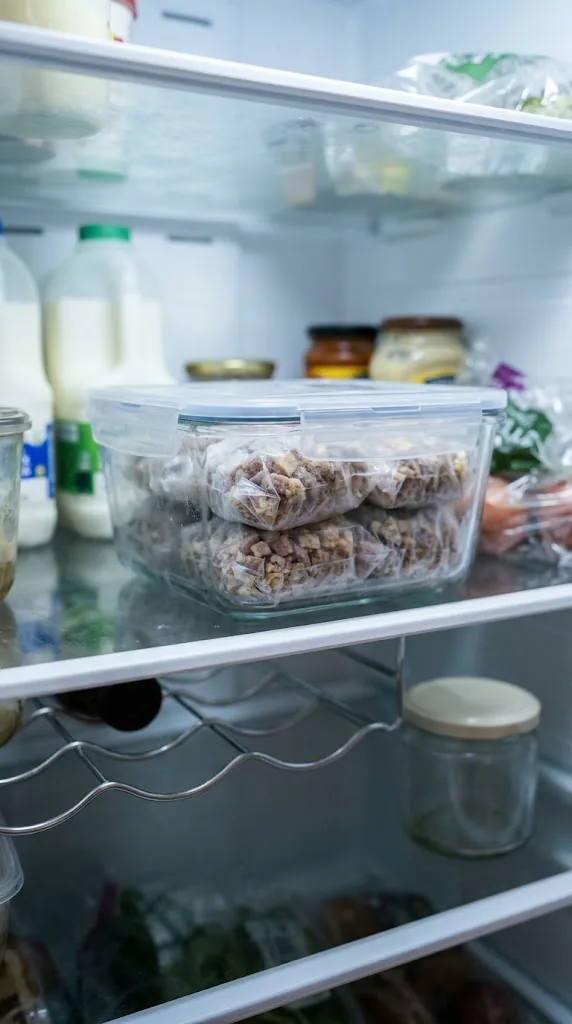
- Pack the food into airtight freezer-safe containers or heavy-duty freezer bags.
- Press out as much air as possible from bags to prevent freezer burn.
- Transfer dry kibble into airtight freezer bags or sealed containers.
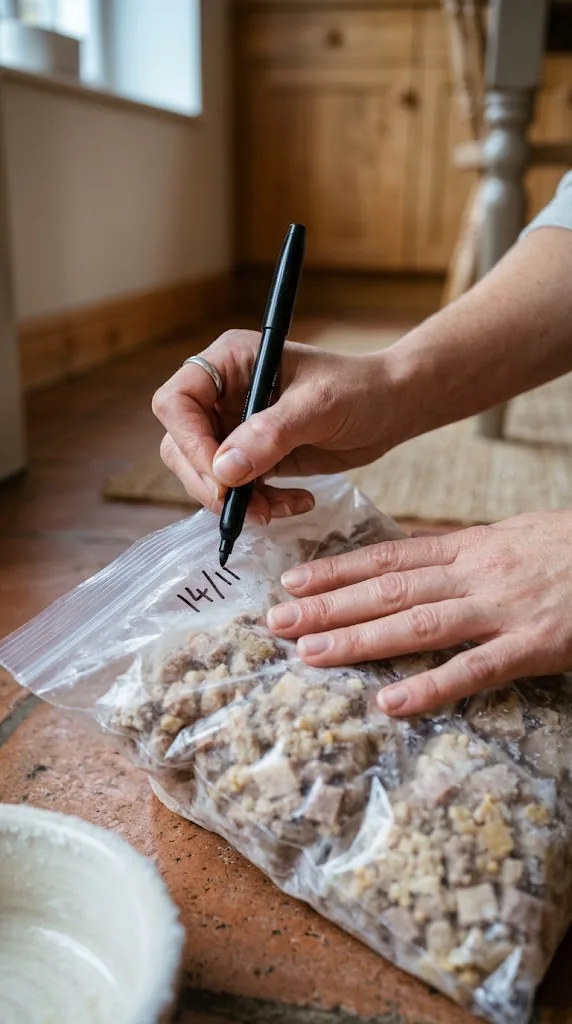
- Label the containers with the date and type of food.
Best containers for freezing dog food
- Freezer bags: press out as much air as you can and freeze them flat so they stack and thaw faster.
- Airtight rigid containers: best for soft or liquid foods. Leave about 1/2 inch of headspace because food expands as it freezes.
- Sheet pan first: freeze pieces in a single layer for an hour or two, then bag them so they don’t clump together.
- Label everything: write the item and the date on every package.
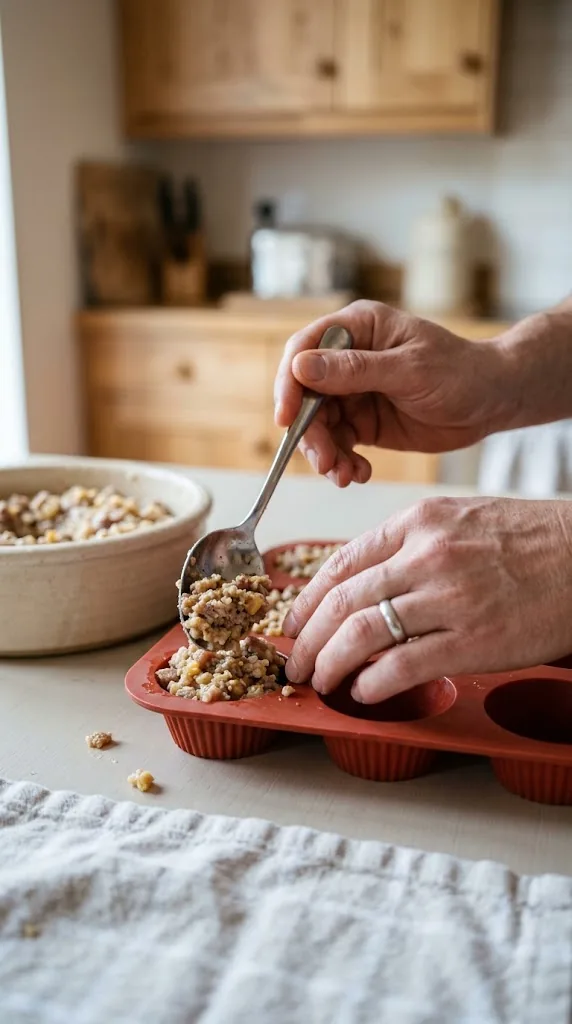
For dog food: Portion homemade or wet food into silicone molds or small freezer-safe containers, leaving a little headspace for expansion. Press all air out of freezer bags containing flat portions to prevent freezer burn.
How to thaw dog food
- Thaw frozen wet or homemade dog food in the refrigerator overnight.
- Alternatively, submerge sealed bags of dog food in cold water, changing the water every 30 minutes.
- Thaw portions in the microwave on the defrost setting and use them immediately.
- Dry kibble can be fed straight from the freezer or left at room temperature for a few minutes to warm up.
How to reheat dog food
- Transfer the thawed dog food from the refrigerator to a microwave-safe bowl.
- Heat on medium power in short bursts, stirring frequently to eliminate hot spots.
- Ensure the food is lukewarm or room temperature before serving, and discard any portions that reach internal temperatures above safe pet-feeding guidelines.
Best ways to use frozen dog food
- Great for mixing into daily kibble as a tasty food topper
- Convenient for portioning out ahead of time for travel or pet sitters
- Not ideal for stuffing interactive toys if the thawed texture becomes too watery
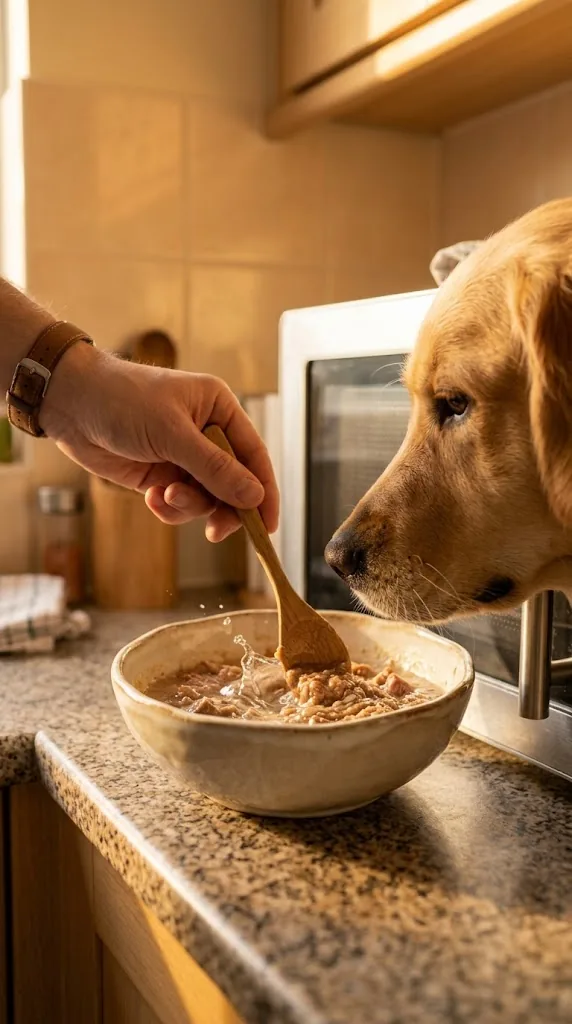
Fixing the texture: Stir the thawed wet or homemade dog food vigorously to reincorporate any separated moisture and restore a smooth consistency.
How long dog food keeps
| Where | How long |
|---|---|
| Freezer (0°F / -18°C) | 3-6 months |
| Refrigerator (40°F / 4°C) | 3-5 days |
| Pantry / counter | Varies by product type |
Can you refreeze dog food?
Yes, you can safely refreeze dog food provided it was thawed in the refrigerator and did not sit at room temperature for more than two hours. However, subjecting dog food to multiple freeze-thaw cycles will cause a further decline in moisture and texture, making the meal increasingly dry or grainy.
- Portion dog food into small amounts before freezing so you only thaw what your pet needs for a single meal.
- Thaw frozen dog food safely in the refrigerator overnight rather than on the kitchen counter.
- Cook or bake leftover ingredients into a fresh dish before attempting to refreeze if they were thawed using warm water or a microwave.
The rules for every food: Can you refreeze food after thawing?
Watch out for
- Never microwave canned dog food inside its original metal can.
- Wet dog food may separate slightly in texture after thawing, but mixing it well usually resolves this.
- Ensure homemade dog food containing meat is cooled quickly and frozen within two hours of cooking.
- Do not leave thawed dog food at room temperature for extended periods to prevent bacterial growth.
Food safety notes
Always cool cooked homemade dog food quickly in shallow containers and place it in the refrigerator or freezer within two hours of cooking. Never let thawed dog food sit at room temperature for extended periods to prevent bacterial growth.
Other ways to keep dog food
- Store unopened canned dog food in a cool, dry pantry.
- Keep opened wet dog food sealed tightly in the refrigerator for up to three to five days.
- Store dry kibble in an airtight container in a cool, dark place.
Common questions
Can I freeze dry dog kibble?
Yes, freezing dry kibble helps preserve its freshness and keeps the natural fats from going rancid, especially in warm weather. You can serve it straight from the freezer or let it warm up briefly.
How long does homemade dog food last in the freezer?
Homemade dog food will maintain its best quality for about three to six months when stored properly at 0 degrees Fahrenheit, though it remains safe to eat indefinitely.
Can I refreeze thawed dog food?
You can safely refreeze dog food that was thawed in the refrigerator without cooking it further, provided it was handled hygienically and did not sit at room temperature.
Can I mix frozen dog food directly into warm water to thaw it faster?
Yes, you can submerge sealed freezer bags of dog food in cold water or use warm water to speed up the warming process, but always serve it immediately once it reaches a safe temperature.
Does freezing destroy the vitamins in commercial or homemade dog food?
Freezing preserves most nutrients remarkably well, though prolonged freezer storage can cause a minor degradation of certain sensitive vitamins like B and E over several months.
Sources
- USDA FSIS: Freezing and Food Safety
- FoodSafety.gov: FoodKeeper storage times
- National Center for Home Food Preservation: Freezing
Freezer times are for best quality. Food kept at 0°F (-18°C) stays safe indefinitely, but always thaw it in the fridge, in cold water or in the microwave, never on the counter. When in doubt, throw it out. See the USDA freezing guide.