Yes, you can freeze mashed potatoes successfully if they are prepared with plenty of butter, cream, or milk.
Why
Mashed potatoes freeze well because their high fat content from dairy helps protect the potato starch from turning grainy during the freezing process. When water inside the cells freezes, it forms ice crystals, but the richness of added butter and cream coats the starch molecules and maintains a smoother texture. While you may notice a slight separation of liquid once thawed, a quick whip on the stove with a splash of milk brings them right back to their original creamy consistency.
What freezing does to mashed potatoes
- Texture: Can become slightly grainy or watery upon thawing if not prepared with enough fat.
- Moisture: Tends to separate slightly, releasing trapped liquid as the ice crystals melt.
- Flavor: May taste slightly muted, easily corrected with a pinch of salt or fresh butter.
Types of mashed potatoes and how they freeze
- Skin-on mashed potatoes: Potato skins freeze reasonably well, though they may become slightly tougher or chewier after thawing and reheating.
- Loaded mashed potatoes with cheese and bacon: High-fat add-ins like cheddar and bacon freeze well, though very sharp cheeses can sometimes separate slightly in oil.
- Garlicky or herb-infused mashed potatoes: Strong aromatics like garlic and herbs hold up well in the freezer, often deepening in flavor over time.
How to freeze mashed potatoes
- Cool the mashed potatoes quickly in shallow containers and freeze them within 2 hours of cooking.
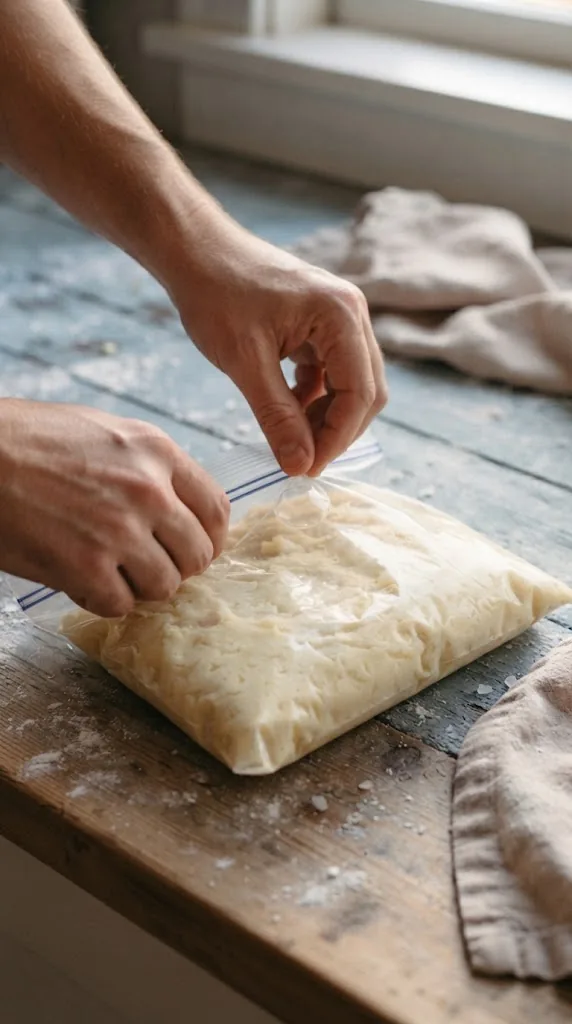
- Portion the potatoes into freezer-safe containers or heavy-duty freezer bags.
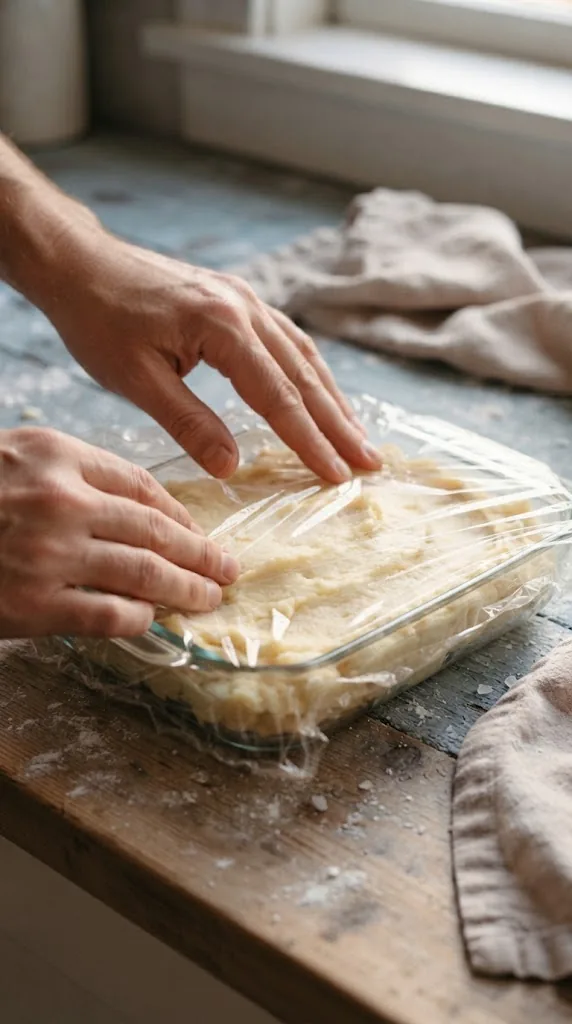
- Press plastic wrap directly onto the surface of the potatoes to prevent freezer burn.
- Squeeze out excess air from bags and seal tightly.
- Label the containers with the date and freeze for up to one month.
Best containers for freezing mashed potatoes
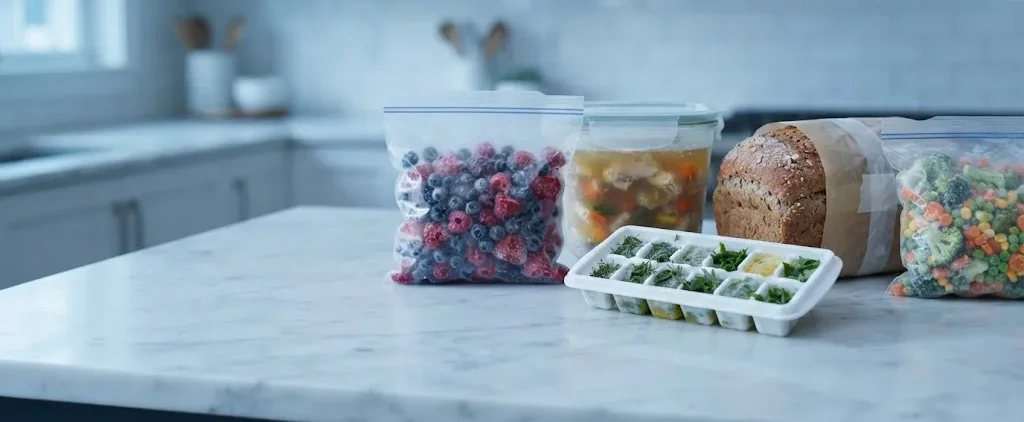
- Freezer bags: press out as much air as you can and freeze them flat so they stack and thaw faster.
- Airtight rigid containers: best for soft or liquid foods. Leave about 1/2 inch of headspace because food expands as it freezes.
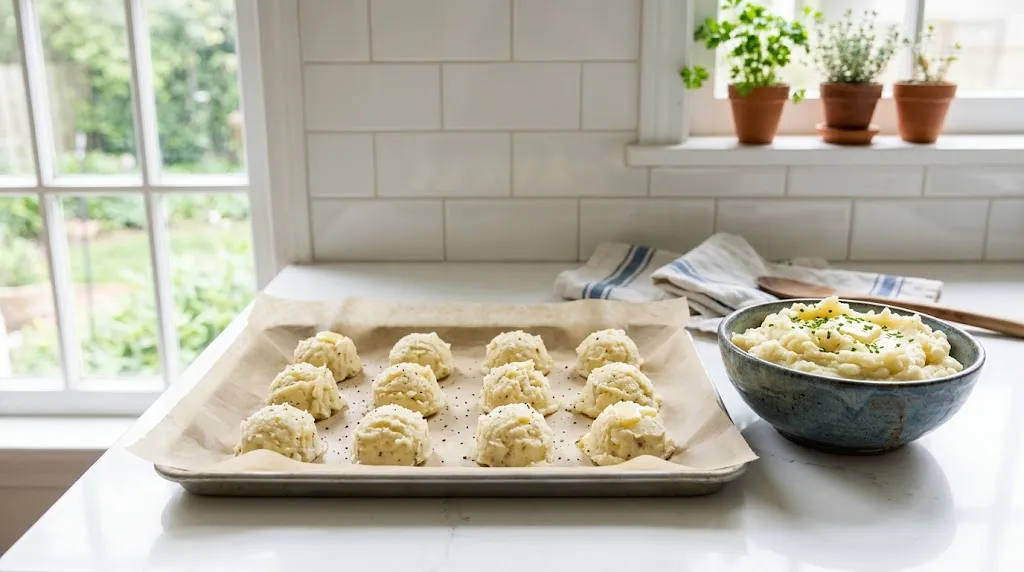
- Sheet pan first: freeze pieces in a single layer for an hour or two, then bag them so they don’t clump together.
- Label everything: write the item and the date on every package.
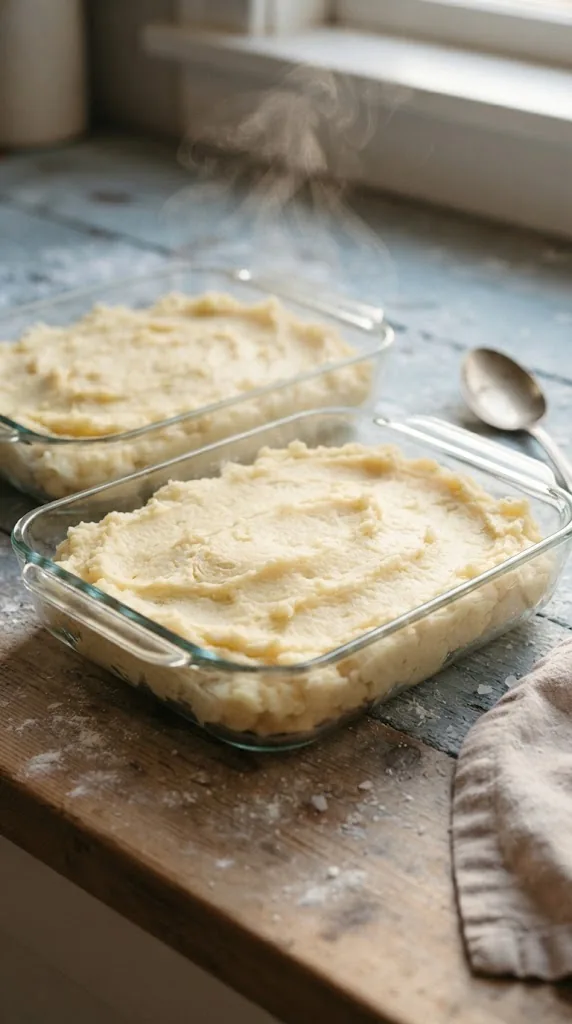
For mashed potatoes: Portion the potatoes into shallow airtight containers or heavy-duty freezer bags, pressing plastic wrap directly against the surface to keep out air.
How to thaw mashed potatoes
- Thaw the mashed potatoes overnight in the refrigerator.
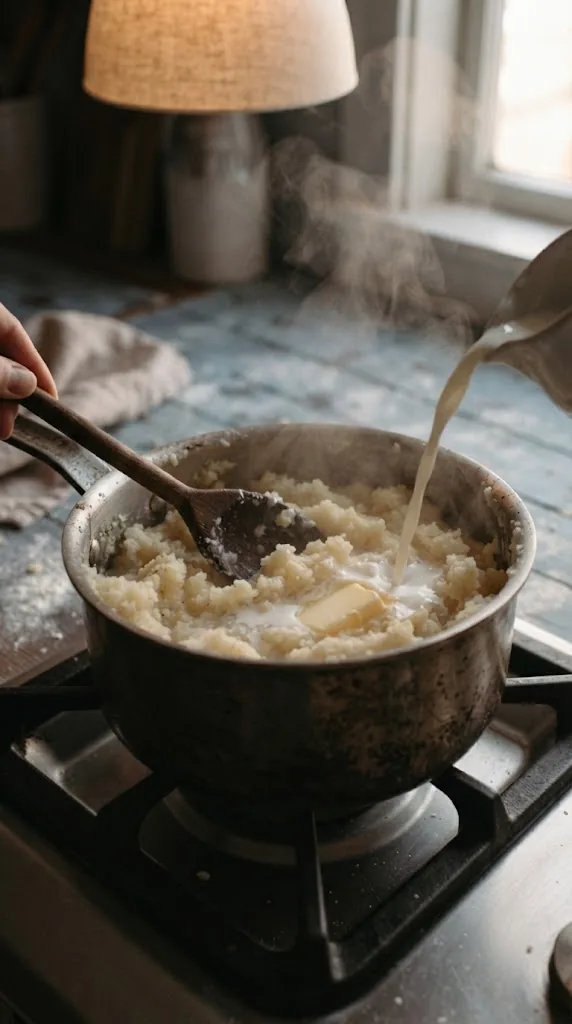
- Reheat gently on the stovetop over low heat, adding a splash of milk or butter to restore the creamy texture.
- Alternatively, microwave on medium power in 1-minute intervals, stirring frequently until heated through.
How to reheat mashed potatoes
- Thaw completely overnight in the refrigerator before reheating.
- Reheat gently on the stovetop over low heat or in the microwave.
- Stir in a splash of milk or extra butter while heating until the internal temperature reaches 165°F (74°C).
Best ways to use frozen mashed potatoes
- Great as a base for shepherd's pie and cottage pie
- Works well baked into potato croquettes or patties
- Not ideal for serving plain as a standalone side dish without whipping in fresh dairy first
Fixing the texture: Vigorously whisking in a splash of warm milk or melted butter while reheating will restore a smooth, creamy texture.
How long mashed potatoes keeps
| Where | How long |
|---|---|
| Freezer (0°F / -18°C) | 1 month |
| Refrigerator (40°F / 4°C) | 3 to 4 days |
| Pantry / counter | Not recommended |
Can you refreeze mashed potatoes?
Only refreeze mashed potatoes if they were thawed safely in the refrigerator and have not been left out at room temperature for more than two hours. However, subjecting them to a second freeze will cause a noticeable decline in quality, resulting in an even grainier and more watery texture upon the final thaw.
- Cook or bake the thawed potatoes into a dish like a casserole before freezing them a second time.
- Freeze mashed potatoes in small portions so you only thaw what you need.
- Vigorously whisk in extra warm milk or butter when reheating the refrozen potatoes to help restore their smooth consistency.
The rules for every food: Can you refreeze food after thawing?
Watch out for
- Potatoes made with skim milk or no fat at all tend to turn watery and grainy when thawed.
- Avoid leaving mashed potatoes at room temperature to thaw, as starchy foods can harbor bacteria quickly.
- Only refreeze mashed potatoes that were thawed in the refrigerator, and expect a grainier texture.
Food safety notes
Always cool cooked potatoes quickly in shallow containers and refrigerate or freeze them within 2 hours of cooking. Only refreeze potatoes if they were thawed safely in the refrigerator.
Other ways to keep mashed potatoes
- Store in an airtight container in the refrigerator for up to four days.
- Refrigerate and use as a topping for shepherd's pie within three days.
- Form into patties and pan-fry them fresh for quick meals.
Common questions
Can you freeze mashed potatoes made with sour cream or cream cheese?
Yes, mashed potatoes made with high-fat dairy like sour cream or cream cheese actually freeze even better than those made with just milk, because the extra fat prevents graininess.
Why do my thawed mashed potatoes look watery?
Watery mashed potatoes usually happen because ice crystals melted and separated from the potato starch during the thawing process. You can easily fix this by stirring in a bit of butter and warming them on the stove.
Can I freeze mashed potatoes straight in a casserole dish?
Yes, you can freeze them right in a casserole dish if it is freezer-safe. Be sure to wrap the top tightly with plastic wrap and aluminum foil to prevent freezer burn.
Can I freeze mashed sweet potatoes the same way?
Yes, mashed sweet potatoes freeze very well and actually tend to hold their moisture and smooth texture even better than russet potatoes.
Should I add extra cream before freezing to prevent graininess?
Adding a generous amount of butter or cream before freezing helps coat the starches, but you can also successfully stir in extra dairy during the reheating process instead.
Sources
- USDA FSIS: Freezing and Food Safety
- FoodSafety.gov: FoodKeeper storage times
- National Center for Home Food Preservation: Freezing
Freezer times are for best quality. Food kept at 0°F (-18°C) stays safe indefinitely, but always thaw it in the fridge, in cold water or in the microwave, never on the counter. When in doubt, throw it out. See the USDA freezing guide.