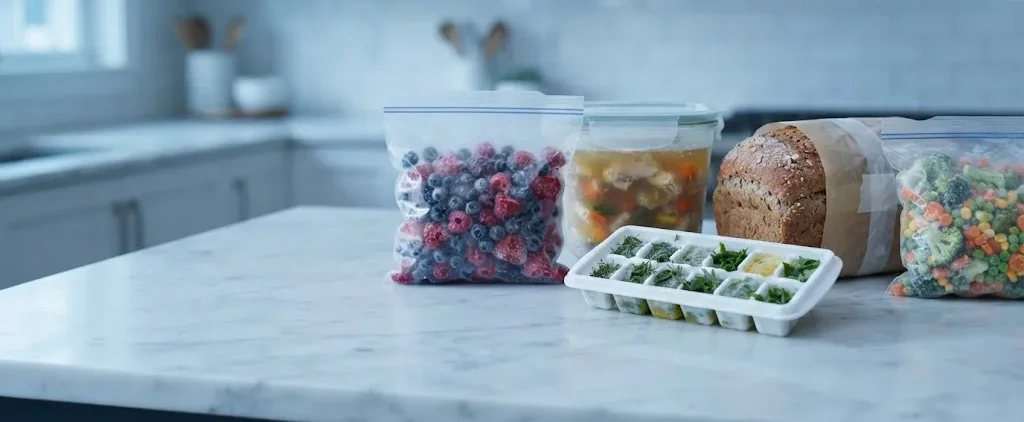
Yes, but freezing hummus changes its texture, often making it grainy or watery once thawed.
Why
Hummus is an emulsion of chickpeas, tahini, olive oil, lemon juice, and garlic. When placed in the freezer, the water and oil separate as ice crystals form. Upon thawing, the emulsion breaks completely, resulting in a grainy consistency and watery pooling on the surface. While it remains safe to eat, the sensory experience diminishes significantly. You can restore some of the original creaminess by whisking it vigorously and stirring in a small drizzle of fresh olive oil or tahini after it has fully thawed.
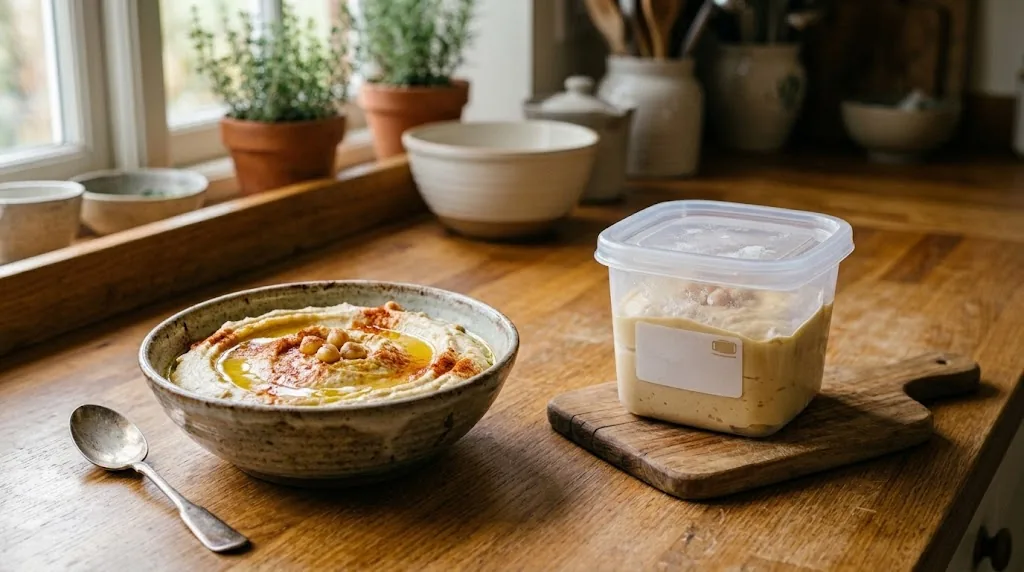
What freezing does to hummus
- Texture: Becomes noticeably grainy and loses its original velvety smoothness.
- Flavor: Fresh garlic notes may turn slightly sharp or bitter.
- Moisture: Oil and water tend to separate and pool on the surface.
Types of hummus and how they freeze
- Homemade vs Store-bought: Homemade hummus without heavy preservatives tends to separate more drastically than commercial brands, requiring extra blending upon thawing.
- Oil-topped vs Plain: Hummus with a thick layer of olive oil on top freezes slightly better because the oil acts as a barrier against freezer burn.
How to freeze hummus
- Portion the hummus into airtight, freezer-safe containers, leaving a small amount of headspace for expansion.
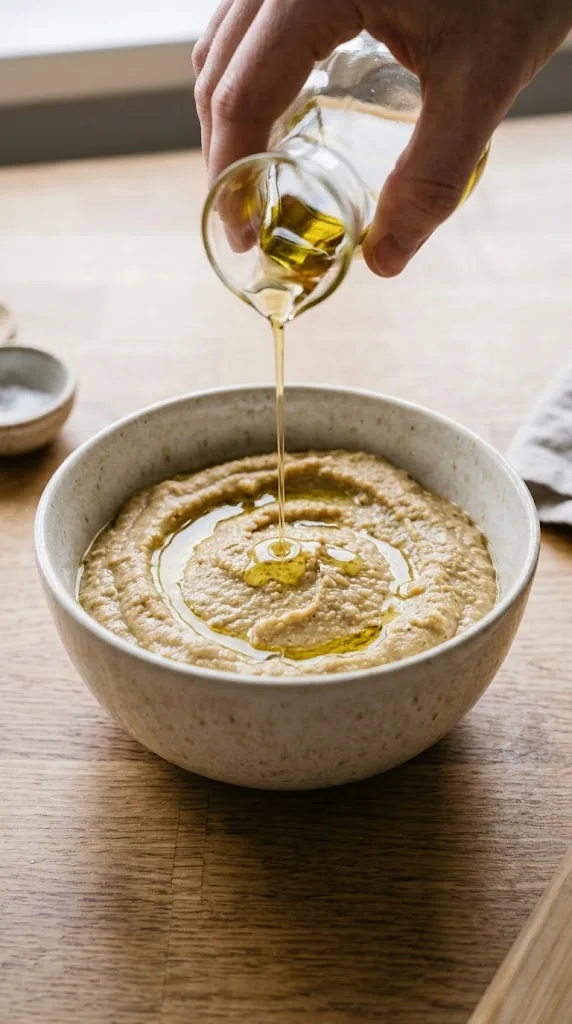
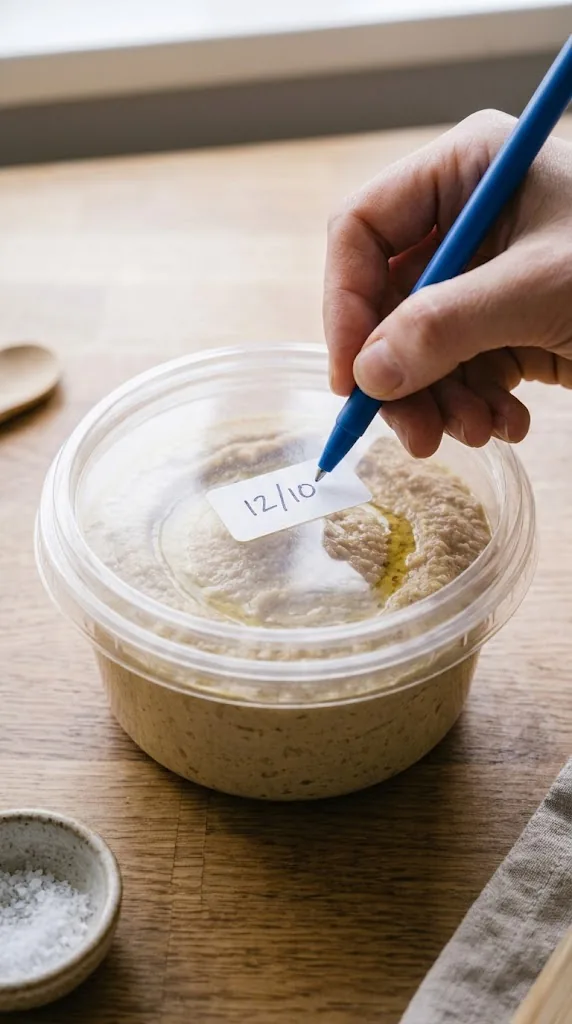
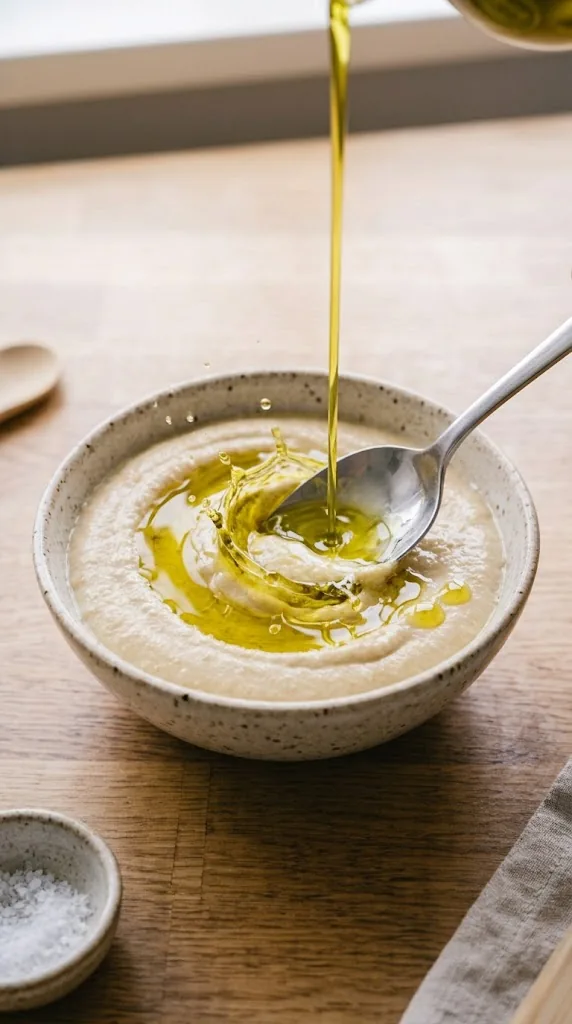
- Drizzle a thin layer of olive oil over the top surface to help protect the hummus from freezer burn and lock in moisture.
- Seal the containers tightly with lids, pressing out as much air as possible.
- Label the containers with the date and freeze for up to three months.
Best containers for freezing hummus
- Freezer bags: press out as much air as you can and freeze them flat so they stack and thaw faster.
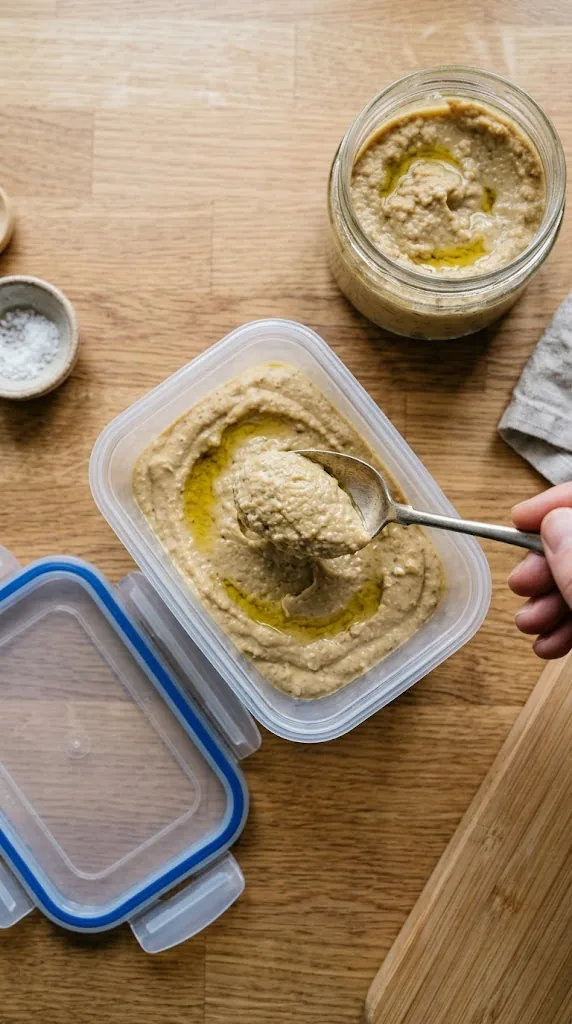
- Airtight rigid containers: best for soft or liquid foods. Leave about 1/2 inch of headspace because food expands as it freezes.
- Sheet pan first: freeze pieces in a single layer for an hour or two, then bag them so they don’t clump together.
- Label everything: write the item and the date on every package.
For hummus: Portion the hummus into airtight, rigid plastic containers or heavy-duty freezer bags, leaving a small amount of headspace for expansion.
How to thaw hummus
- Place the frozen hummus in the refrigerator overnight to thaw completely.
- Drain off any liquid that has separated on the surface.
- Stir vigorously with a spoon or whisk, adding a tiny splash of fresh olive oil or lemon juice to help restore the smooth texture.
Best ways to use frozen hummus
- Great blended into creamy salad dressings and marinades
- Works well baked into warm casseroles or hot dips
- Not ideal for spreading thinly on crackers or sandwiches due to graininess
Fixing the texture: Drain off any separated liquid, then vigorously stir the thawed hummus with a food processor or whisk while adding a splash of olive oil or lemon juice.
How long hummus keeps
| Where | How long |
|---|---|
| Freezer (0°F / -18°C) | 3 months |
| Refrigerator (40°F / 4°C) | 5 to 7 days |
| Pantry / counter | Not recommended |
Can you refreeze hummus?
Yes, you can refreeze hummus as long as it was thawed safely in the refrigerator and has not been left at room temperature for more than two hours. However, freezing it a second time will cause the emulsion to break down even further, resulting in a significantly grainier and more watery texture that is best reserved for cooked or baked dishes.
- Portion your hummus into small amounts before freezing so you only thaw what you need.
- Consider using the twice-frozen hummus as a base for warm dips or casseroles where texture matters less.
- Whisk in a fresh splash of olive oil or tahini after the second thaw to help disguise the degradation in texture.
The rules for every food: Can you refreeze food after thawing?
Watch out for
- The texture will become noticeably grainier and less smooth after thawing.
- Oil and water separation is very common once the hummus defrosts.
- Hummus made with fresh garlic can sometimes taste slightly more bitter after being frozen.
Food safety notes
Always thaw hummus safely in the refrigerator overnight rather than on the counter at room temperature. If hummus was thawed in the fridge, it can be safely refrozen, though the texture will degrade further.
Other ways to keep hummus
- Store it in an airtight container in the refrigerator for up to five to seven days.
- Portion dry chickpeas in the freezer and blend fresh batches of hummus as needed.
Common questions
Can I freeze hummus in its original store-bought plastic tub?
Most store-bought plastic containers are not designed for freezing and may crack, or they lack the proper seal to prevent freezer burn. It is best to transfer the hummus to a dedicated freezer-safe container or a heavy-duty freezer bag.
How can I fix watery hummus after thawing?
Pour off any excess liquid pooled on top, then vigorously stir the hummus with a spoon or food processor. Blending in a fresh tablespoon of tahini or olive oil will also help bring back its creamy consistency.
Is it safe to refreeze thawed hummus?
You can refreeze hummus safely as long as it was thawed properly in the refrigerator and has not been left at room temperature. However, the texture will degrade further with each cycle, making it very grainy.
Can I freeze hummus that contains pine nuts or roasted red peppers?
Yes, but toppings like whole pine nuts or chunky pepper pieces may become mushy or alter the moisture balance when thawed. For best results, freeze the plain hummus base and add fresh toppings after it thaws.
Does freezing affect the nutritional value of hummus?
Freezing does not significantly change the protein or fiber content of the chickpeas and tahini. However, the healthy fats in the olive oil and tahini may separate more permanently as the emulsion breaks down.
Sources
- USDA FSIS: Freezing and Food Safety
- FoodSafety.gov: FoodKeeper storage times
- National Center for Home Food Preservation: Freezing
Freezer times are for best quality. Food kept at 0°F (-18°C) stays safe indefinitely, but always thaw it in the fridge, in cold water or in the microwave, never on the counter. When in doubt, throw it out. See the USDA freezing guide.