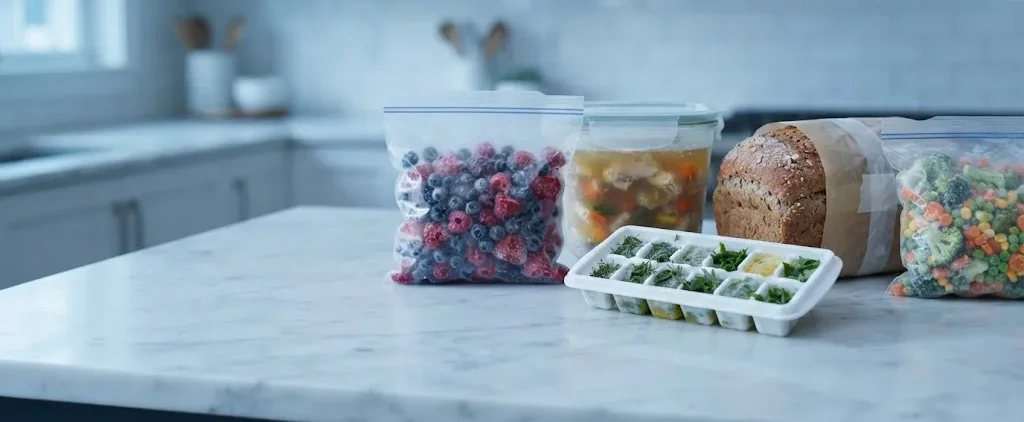
Yes, but you should blanch kale before freezing it so it retains its vibrant color and flavor.
Why
Freezing raw kale with its high water content results in ice crystals that rupture the cell walls, making the leaves limp and mushy once thawed. Blanching kale in boiling water for two minutes halts the enzymes that degrade flavor and color during storage. While the texture will remain softened after freezing, blanched kale is completely safe and works wonderfully in cooked dishes like soups, stews, and smoothies where crunch is not required.
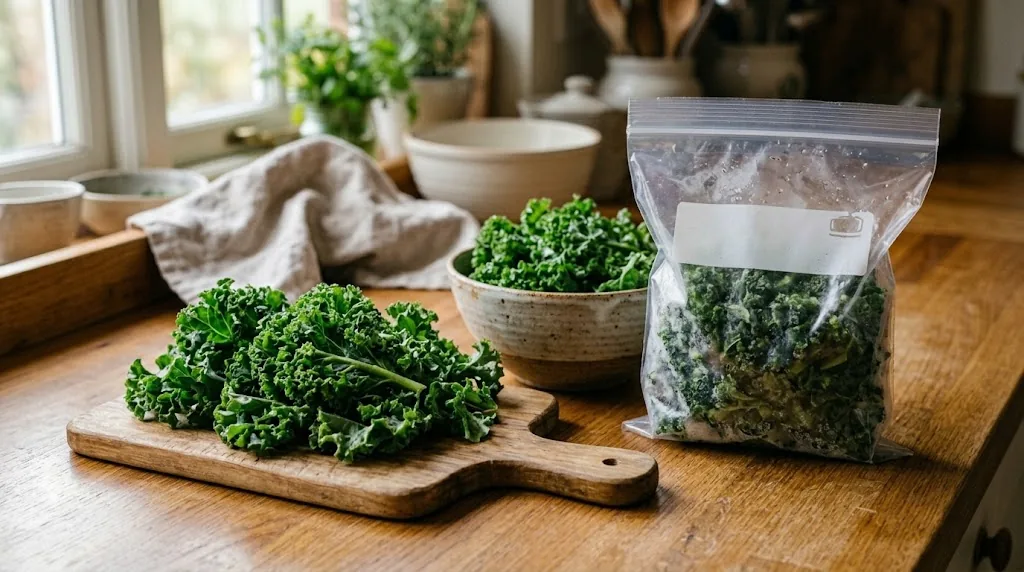
What freezing does to kale
- Texture: Leaves become permanently softened and lose all structural crispness.
- Flavor: Mild bitterness can develop over time if leaves are stored unblanched.
- Color: Vibrant green fades slightly into a deeper, duller tone during extended storage.
Types of kale and how they freeze
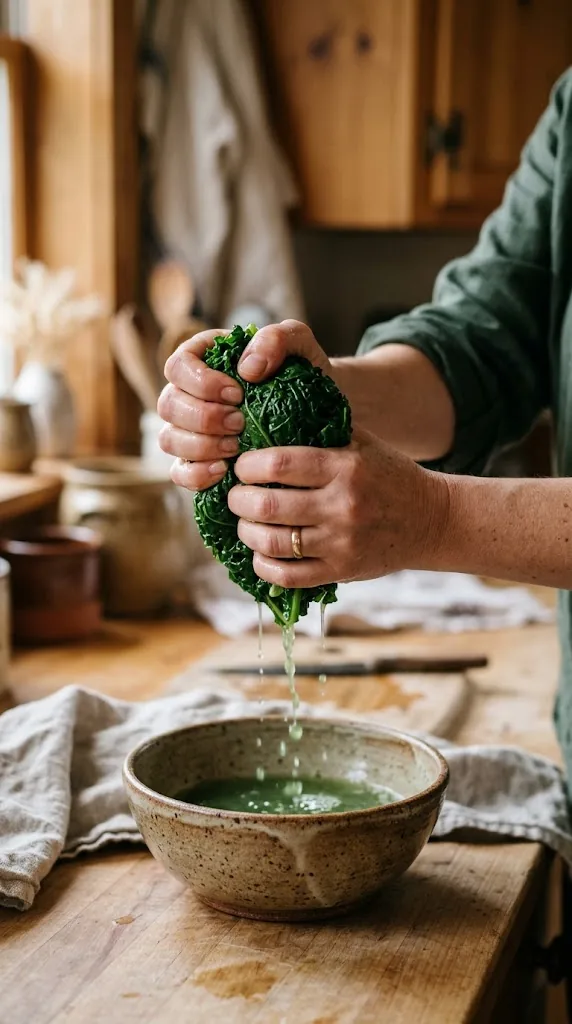
- Curly Kale: The ruffled leaves hold onto water easily, so ensure you squeeze out as much moisture as possible before bagging.
- Lacinato Kale: Also known as dinosaur kale, these flat leaves chop up uniformly and blanch very evenly for soups.
How to freeze kale
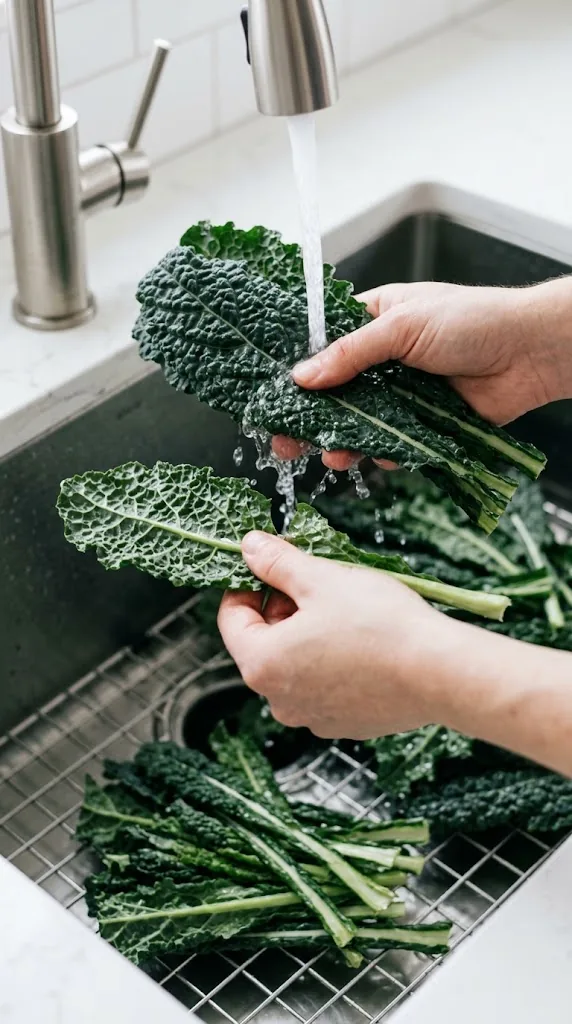
- Wash the kale thoroughly and remove any tough stems.
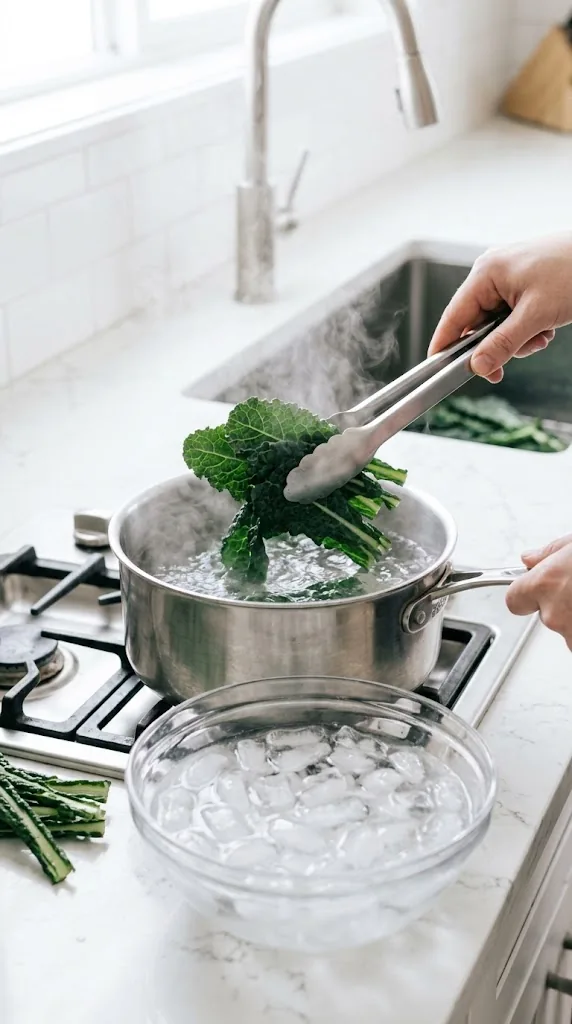
- Blanch the leaves in boiling water for two minutes, then immediately plunge them into an ice water bath to stop the cooking.
- Drain the kale thoroughly and squeeze out as much excess moisture as possible with your hands.
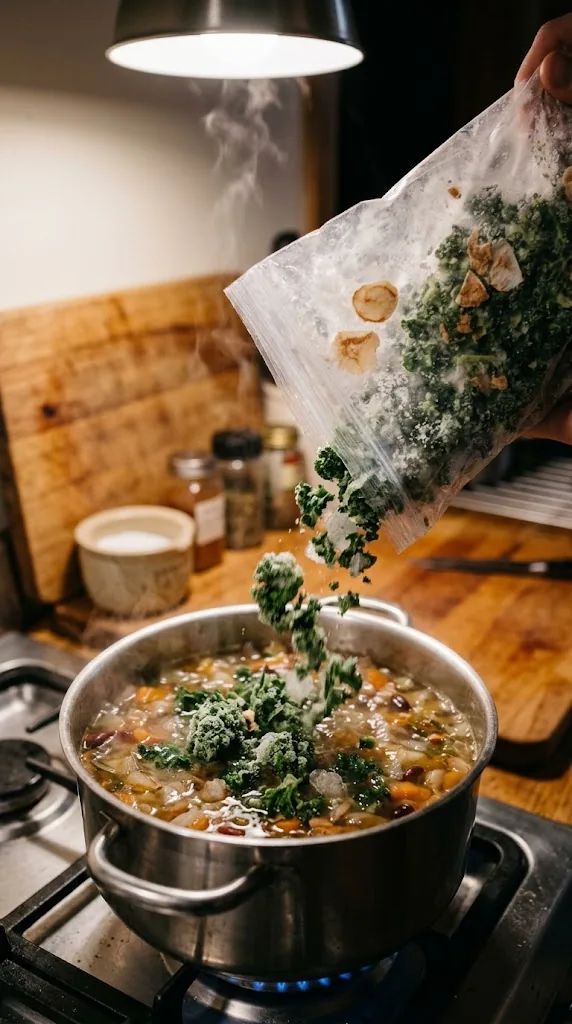
- Pack the kale into freezer bags, press out all the excess air, and seal tightly.
- Label the bag with the date and place it in the freezer.
Best containers for freezing kale
- Freezer bags: press out as much air as you can and freeze them flat so they stack and thaw faster.
- Airtight rigid containers: best for soft or liquid foods. Leave about 1/2 inch of headspace because food expands as it freezes.
- Sheet pan first: freeze pieces in a single layer for an hour or two, then bag them so they don’t clump together.
- Label everything: write the item and the date on every package.
For kale: Pack blanched and squeezed kale tightly into heavy-duty freezer bags while pressing out all trapped air to prevent freezer burn.
How to thaw kale
- Use kale straight from the freezer in soups, stews, and smoothies without thawing.
- If a recipe requires thawed kale, transfer the bag to the refrigerator overnight.
- Press out any remaining excess liquid before adding the thawed kale to your dish.
How to reheat kale
- Add frozen kale directly into simmering soups, stews, or sauces without a preliminary thaw.
- Heat the dish until the kale reaches a steaming hot temperature throughout, ensuring it is piping hot before serving.
Best ways to use frozen kale
- Great blended directly into morning green smoothies from a frozen state.
- Wonderful stirred into hearty winter vegetable soups and slow-cooked stews.
- Not suitable for raw salads or fresh garnishes due to the softened post-thaw texture.
Fixing the texture: Squeeze out any excess moisture thoroughly after thawing to remove excess wateriness, and use the kale exclusively in cooked dishes where a tender bite is expected.
How long kale keeps
| Where | How long |
|---|---|
| Freezer (0°F / -18°C) | 10-12 months |
| Refrigerator (40°F / 4°C) | 3-5 days |
| Pantry / counter | Not recommended |
Can you refreeze kale?
Yes, you can refreeze kale as long as it was thawed safely in the refrigerator and not left at room temperature for more than two hours. However, each round of freezing and thawing further breaks down the cell walls, resulting in a significantly mushier texture and a duller appearance.
- Cook the thawed kale into a dish like a soup or stew before refreezing it.
- Portion the kale into smaller amounts so you only thaw what you need.
- Cool any cooked kale dishes quickly in shallow containers before placing them in the freezer.
The rules for every food: Can you refreeze food after thawing?
Watch out for
- Raw kale will turn brown, mushy, and bitter if frozen without blanching first.
- Freezer burn can occur if air is left trapped inside the storage bags.
- Thawed kale loses its crisp raw texture, making it unsuitable for fresh salads.
Food safety notes
Keep frozen kale constantly stored at 0°F to maintain best quality. If you thaw kale in the refrigerator, it can be safely refrozen within a few days if quality allows, but never refreeze food that was thawed on the counter.
Other ways to keep kale
- Store unwashed kale in the refrigerator wrapped in a damp paper towel inside a breathable bag for up to one week.
- Dehydrate kale leaves into chips using a food dehydrator.
- Sauté kale in olive oil and store it in the refrigerator for a few days.
Common questions
Can I freeze kale without blanching it?
You can, but it is not recommended. Unblanched kale tends to turn bitter, mushy, and discolored during storage due to active enzymes.
Can I freeze raw kale for smoothies?
Yes, you can freeze raw kale leaves directly in bags for smoothies, but blanching is still preferred if you want to preserve the bright green color and fresh flavor.
How can I tell if frozen kale has gone bad?
Kale that has developed a severe freezer-burned appearance, an off odor, or signs of mold should be discarded. Properly stored blanched kale remains safe to eat indefinitely at 0°F.
Should I chop kale before blanching it for the freezer?
Yes, chopping kale into bite-sized pieces before blanching makes it much easier to fit into boiling water, squeeze dry, and portion directly into your storage bags.
Can I flash-freeze kale leaves on a baking sheet?
While you can lay individual blanched leaves on a tray to freeze them separately, most people simply pack the squeezed portions directly into bags since the leaves will be used in cooked dishes where slight clumping does not matter.
Sources
- USDA FSIS: Freezing and Food Safety
- FoodSafety.gov: FoodKeeper storage times
- National Center for Home Food Preservation: Freezing
Freezer times are for best quality. Food kept at 0°F (-18°C) stays safe indefinitely, but always thaw it in the fridge, in cold water or in the microwave, never on the counter. When in doubt, throw it out. See the USDA freezing guide.