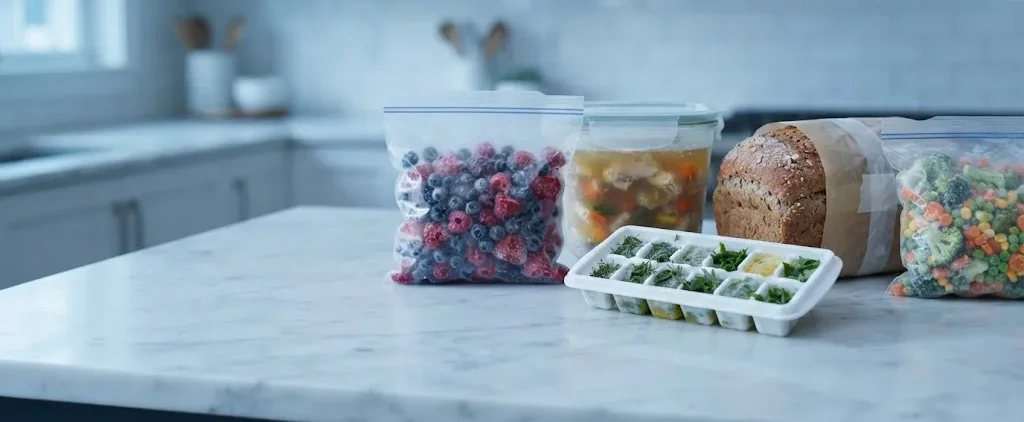
Yes, but mushrooms have a high water content and should be cooked or sautéed before freezing to prevent a spongy texture.
Why
Mushrooms are about 90 percent water. When you freeze them raw, the water inside expands and ruptures the cell walls, turning the mushrooms mushy and watery once thawed. Sautéing, steaming, or roasting them before freezing drives off excess moisture and preserves their flavor and structure much better. While raw mushrooms can be frozen for soups, cooked methods yield far superior results for most culinary uses.
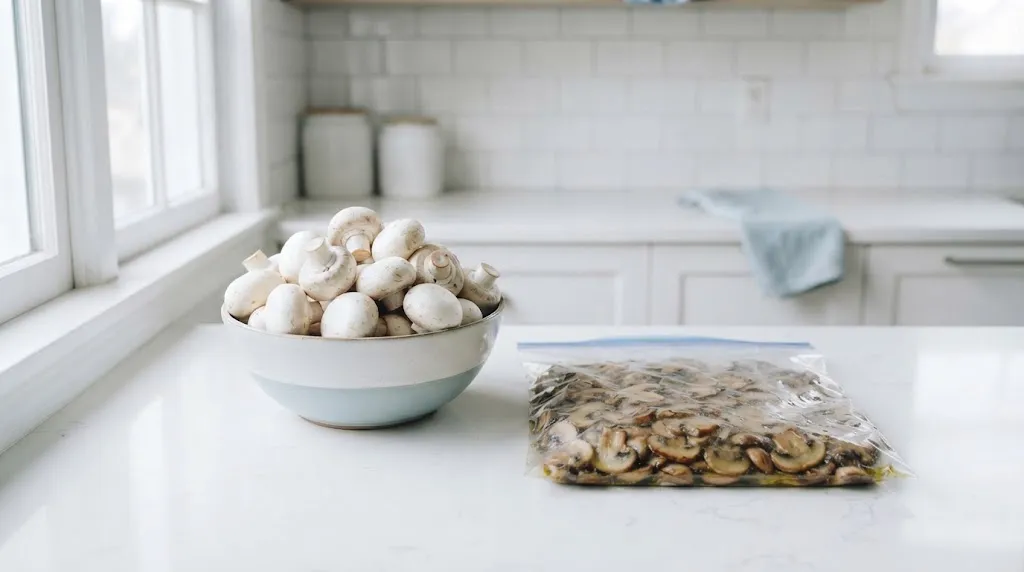
What freezing does to mushrooms
- Texture: Becomes softer and more spongy due to the freezing and thawing process breaking down cellular walls.
- Flavor: Concentrates slightly when pre-cooked, but raw frozen mushrooms lose much of their earthy depth.
- Moisture: Releases significantly more liquid upon thawing compared to fresh mushrooms.
Types of mushrooms and how they freeze
- Whole mushrooms: Freeze poorly unless pre-cooked, as their high water content makes them completely mushy once thawed.
- Sliced mushrooms: Freeze best when sautéed down first, allowing them to fit compactly into containers and cook evenly.
- Wild mushrooms: Require thorough cleaning and gentle sautéing in butter to preserve their delicate and earthy flavors in the freezer.
How to freeze mushrooms
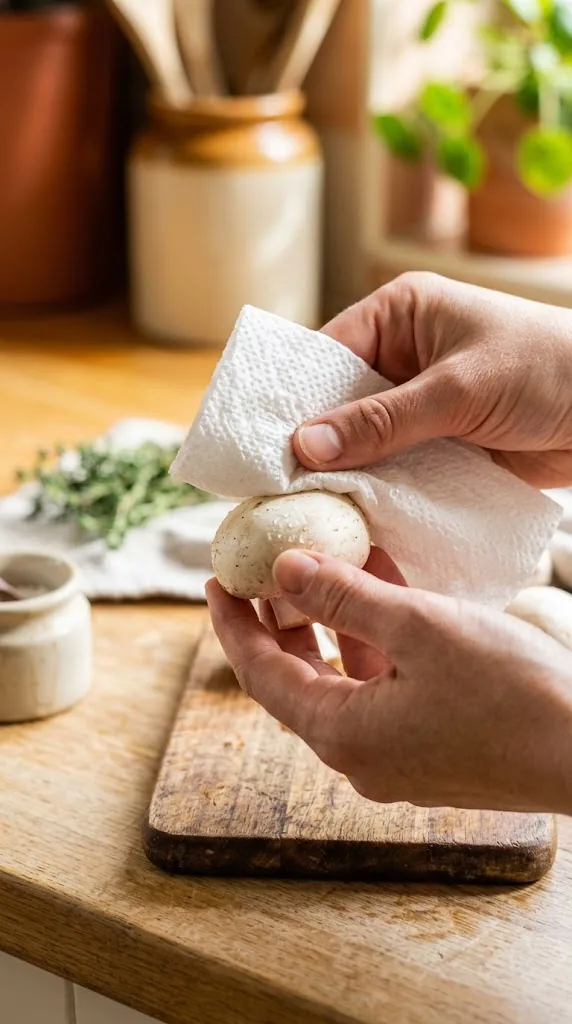
- Clean the mushrooms gently with a damp paper towel to remove any dirt.
- Slice or chop them to your desired size.
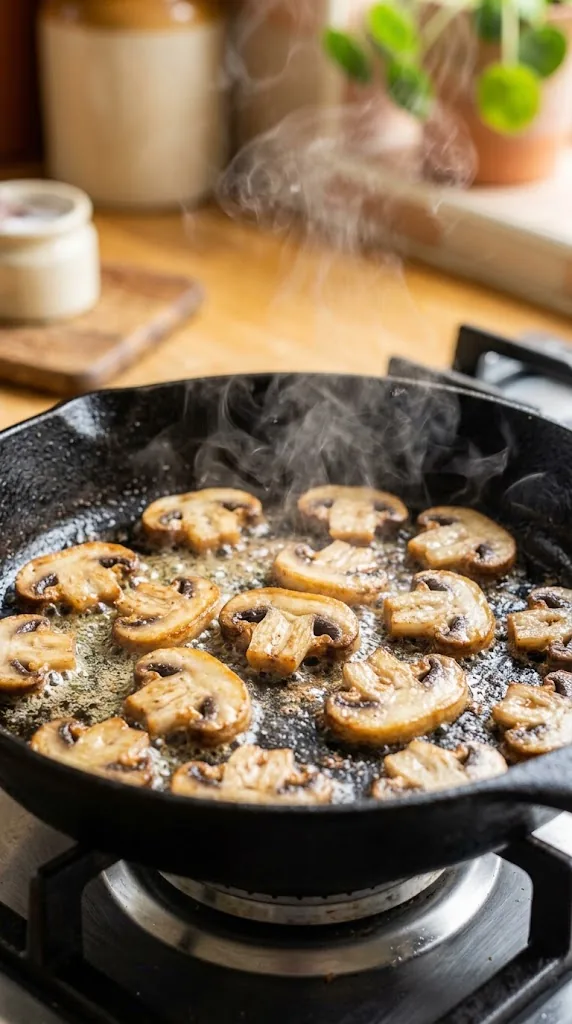
- Cook the mushrooms by sautéing them in a little oil or butter until most of their released moisture evaporates, or steam them for three minutes.
- Let the cooked mushrooms cool completely to room temperature.
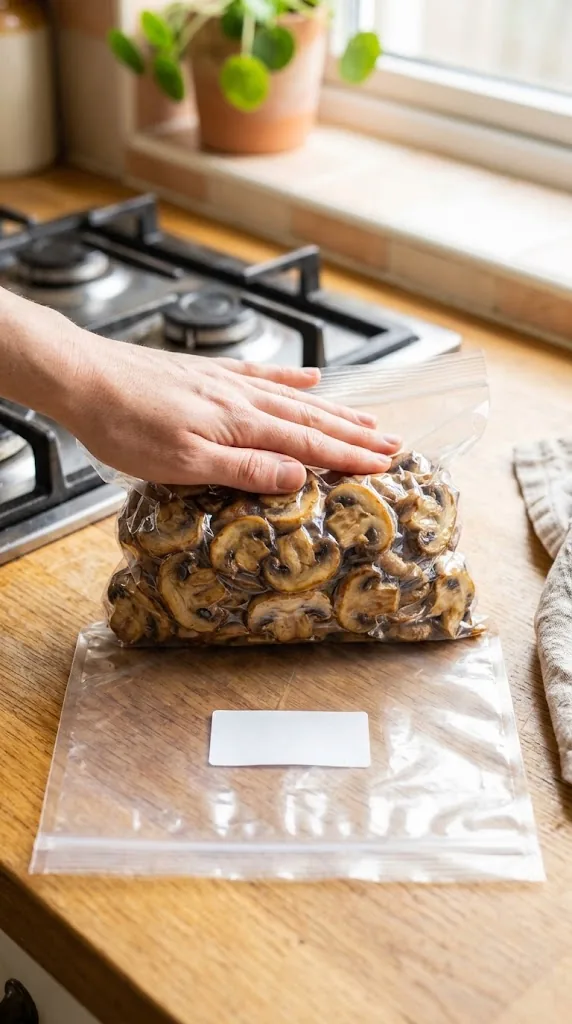
- Pack them into airtight freezer bags or containers, squeezing out excess air.
- Label the package with the date and freeze for up to eight months.
Best containers for freezing mushrooms
- Freezer bags: press out as much air as you can and freeze them flat so they stack and thaw faster.
- Airtight rigid containers: best for soft or liquid foods. Leave about 1/2 inch of headspace because food expands as it freezes.
- Sheet pan first: freeze pieces in a single layer for an hour or two, then bag them so they don’t clump together.
- Label everything: write the item and the date on every package.
For mushrooms: Pack cooked mushrooms tightly into heavy-duty freezer bags or rigid airtight containers, pressing out as much air as possible to prevent freezer burn.
How to thaw mushrooms
- Place the frozen mushrooms in the refrigerator overnight to thaw safely.
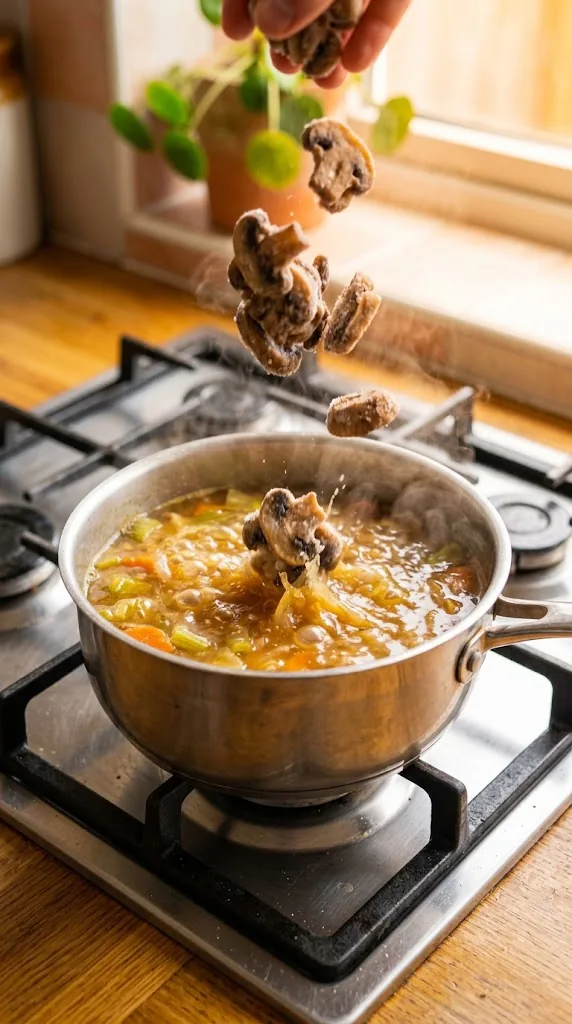
- Alternatively, you can add them directly to soups, stews, or casseroles straight from the freezer without thawing.
- If using a microwave, use the defrost setting and use the mushrooms immediately in a cooked dish.
How to reheat mushrooms
- Transfer frozen cooked mushrooms directly into soups, stews, or simmering sauces without thawing.
- Sauté frozen mushrooms in a hot skillet with a splash of oil or butter until any released liquid evaporates.
- Heat in a microwave on the defrost setting until steaming hot throughout.
Best ways to use frozen mushrooms
- Great in rich gravies, pasta sauces, and hearty casseroles.
- Wonderful stirred directly into broths, risottos, and soups.
- Not suitable for fresh raw salads, veggie platters, or toppings where a firm snap is expected.
Fixing the texture: Drain off excess liquid in a colander after thawing, and press gently with a paper towel to remove trapped moisture before adding to your dish.
How long mushrooms keeps
| Where | How long |
|---|---|
| Freezer (0°F / -18°C) | 6-8 months |
| Refrigerator (40°F / 4°C) | 1 week |
| Pantry / counter | Not recommended |
Can you refreeze mushrooms?
Yes, you can refreeze mushrooms safely only if they were thawed in the refrigerator and remain in good condition. However, a second freeze will degrade the texture further, making them even more spongy and watery.
- Only thaw the portion of mushrooms you plan to use to avoid the need to refreeze leftovers.
- Incorporate thawed mushrooms into a cooked dish like a soup or sauce before freezing them again.
- Portion mushrooms into smaller containers or bags before freezing for easy single-use portions.
The rules for every food: Can you refreeze food after thawing?
Watch out for
- Raw mushrooms turn spongy and watery when thawed, so cook them first unless they are going straight into soup.
- Expect a softer texture after thawing, making them best suited for cooked dishes rather than raw salads.
- Freezer burn can occur if they are not stored in truly airtight packaging.
Food safety notes
Always cool cooked mushrooms quickly in shallow containers and refrigerate or freeze them within 2 hours. Thaw frozen mushrooms safely in the refrigerator, and only refreeze them if they were thawed in the fridge and remain in good condition.
Other ways to keep mushrooms
- Store fresh mushrooms in a paper bag in the refrigerator for up to one week.
- Dehydrate or dry sliced mushrooms for long-term pantry storage.
- Pickle mushrooms in a vinegar brine to keep them in the refrigerator for several weeks.
Common questions
Can I freeze raw whole mushrooms?
You can, but it is not recommended because raw mushrooms turn extremely spongy and watery when thawed. Sautéing them first yields much better results.
Can I refreeze mushrooms after they have thawed?
You can refreeze them safely only if they were thawed in the refrigerator and remain in good condition, though the texture will degrade further with each freeze.
How can I tell if frozen mushrooms have gone bad?
If thawed mushrooms develop a sour smell, slimy texture, or visible mold, they should be discarded immediately.
Can I blanch mushrooms instead of sautéing them before freezing?
Yes, you can blanch whole or sliced mushrooms in boiling water for about one to two minutes, followed by an immediate ice bath to stop the cooking. Pat them completely dry before packaging them for the freezer.
Do I need to add oil or butter when cooking mushrooms for the freezer?
Cooking them with a small amount of oil or butter helps release their moisture and prevents them from sticking together, but you can also dry-sauté them in a non-stick pan if you prefer to avoid added fats.
Sources
- USDA FSIS: Freezing and Food Safety
- FoodSafety.gov: FoodKeeper storage times
- National Center for Home Food Preservation: Freezing
Freezer times are for best quality. Food kept at 0°F (-18°C) stays safe indefinitely, but always thaw it in the fridge, in cold water or in the microwave, never on the counter. When in doubt, throw it out. See the USDA freezing guide.