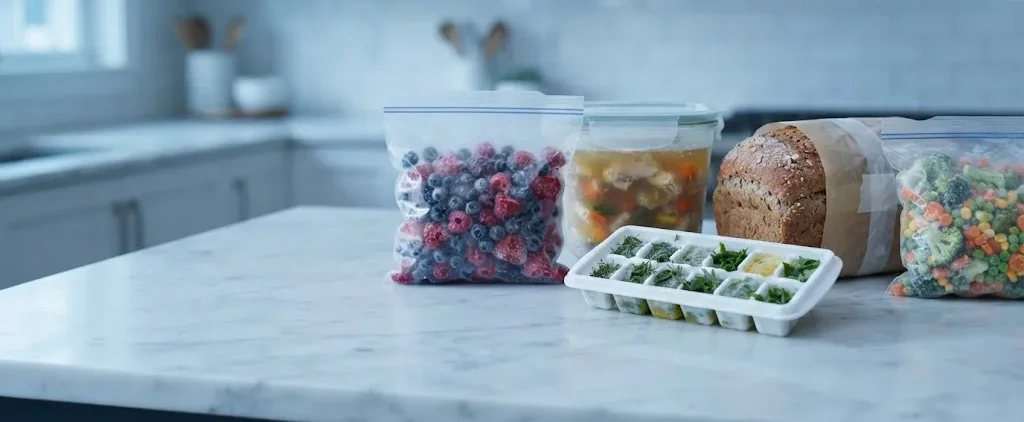
Yes, bread freezes exceptionally well and retains its texture and flavor for months if stored properly.
Why
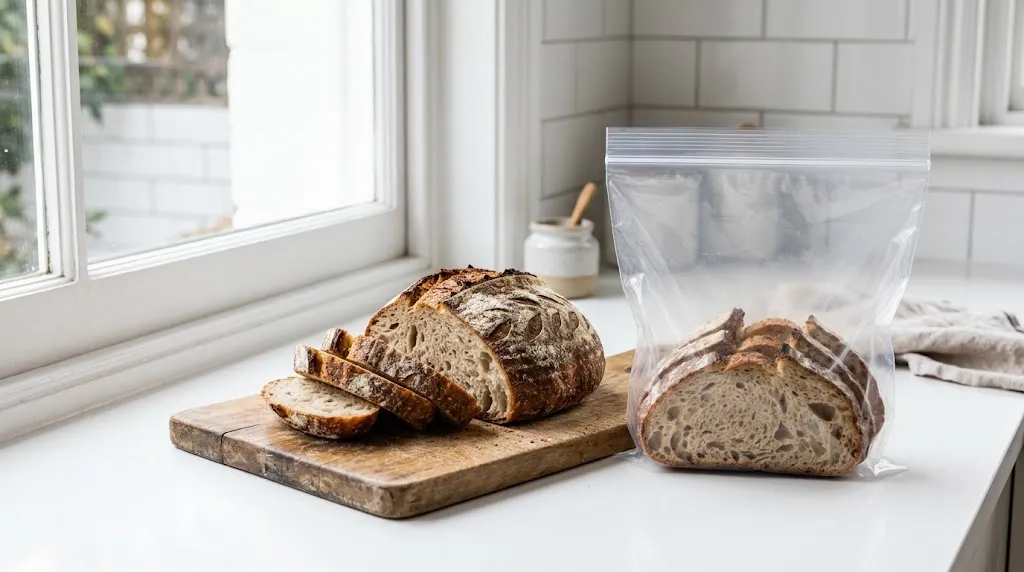
Bread freezes well because its low moisture content and crumb structure adapt nicely to cold temperatures. When frozen quickly, the water inside turns into tiny ice crystals that do not severely disrupt the gluten network. However, if left unprotected, bread is prone to freezer burn and drying out. Slicing the loaf before freezing allows you to pull out only what you need, ensuring you always have fresh-tasting bread on hand without wasting a whole loaf.
What freezing does to bread
- Texture: Can become slightly dry or crumbly over time due to moisture loss in the freezer.
- Flavor: Remains largely unchanged if sealed correctly, though prolonged storage can lead to a stale taste from absorbed odors.
- Moisture: The crumb may feel a bit firmer after thawing, which is easily remedied by toasting.
Types of bread and how they freeze
- Homemade bread: Because homemade loaves lack commercial preservatives, wrap them doubly tight in plastic and foil to prevent rapid moisture loss.
- Artisan crusty bread: The crispy crust may soften slightly during freezing and thawing, but you can easily restore the crunch by warming the loaf in a hot oven for a few minutes.
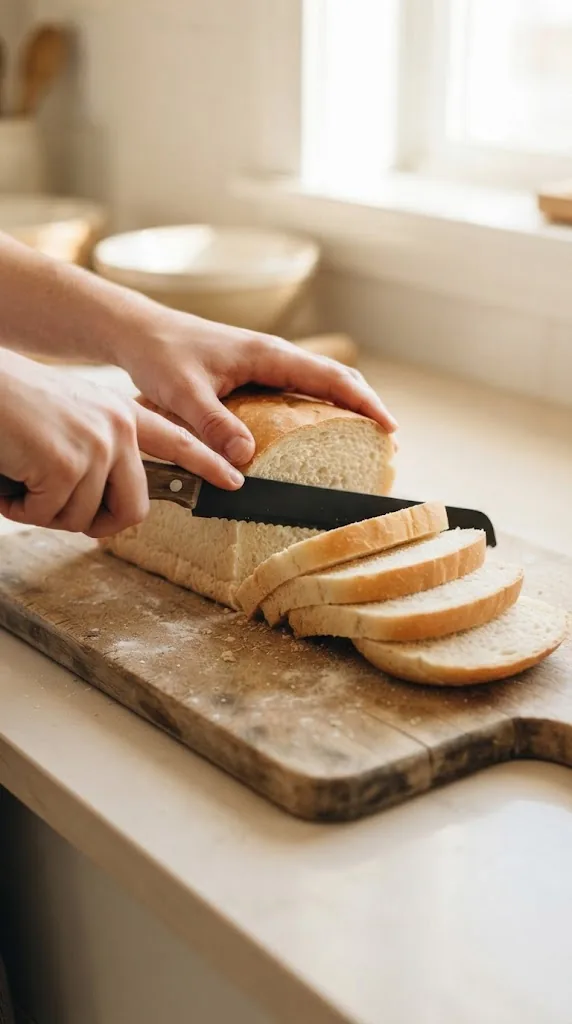
- Soft sandwich bread: Slice the entire loaf before freezing and place small parchment squares between slices to prevent them from sticking together.
How to freeze bread
- Slice the bread completely before freezing so you can remove single portions easily.
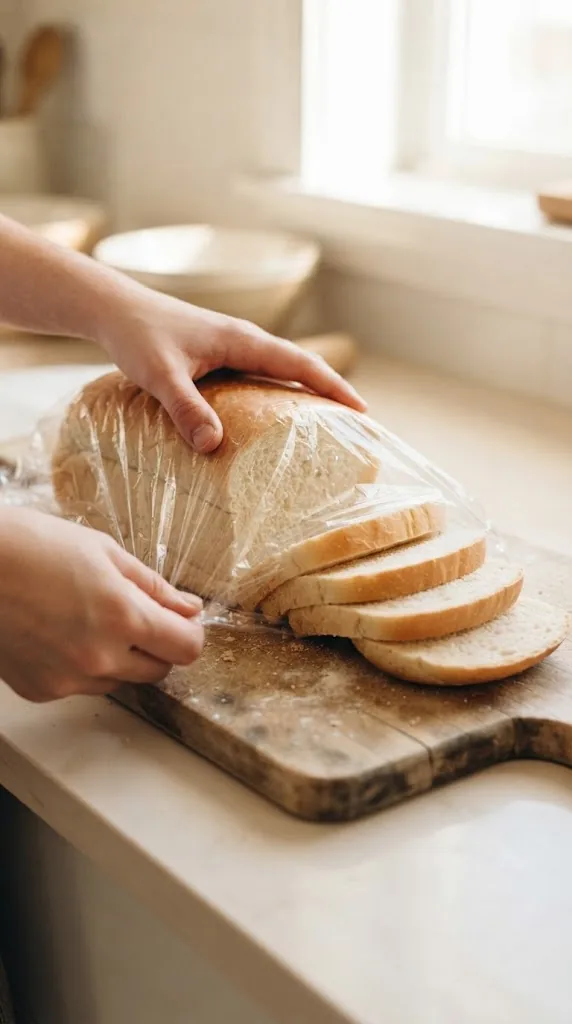
- Wrap the loaf or individual slices tightly in plastic wrap or heavy-duty aluminum foil.
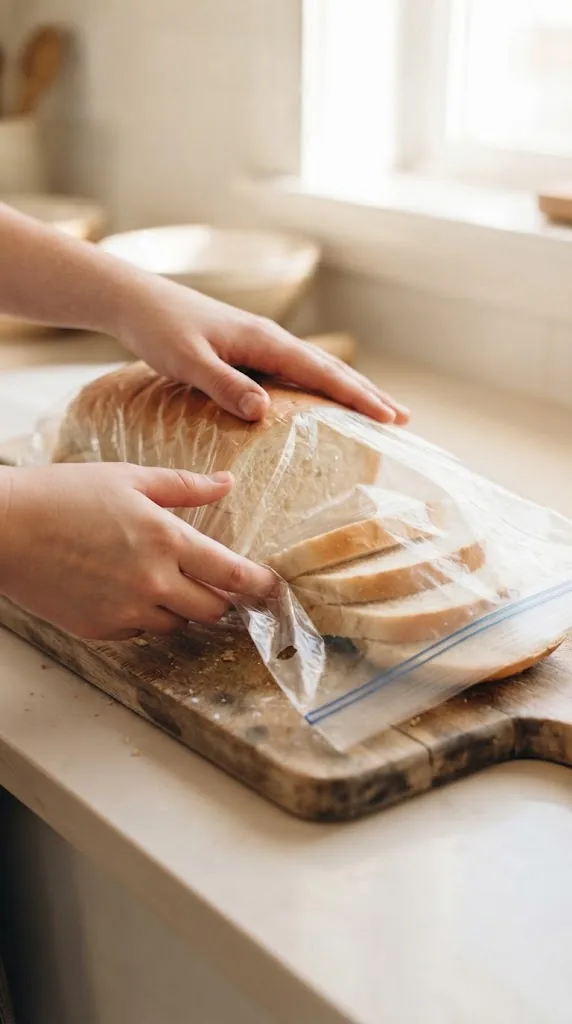
- Place the wrapped bread inside a heavy-duty freezer-safe bag, pressing out as much air as possible before sealing.
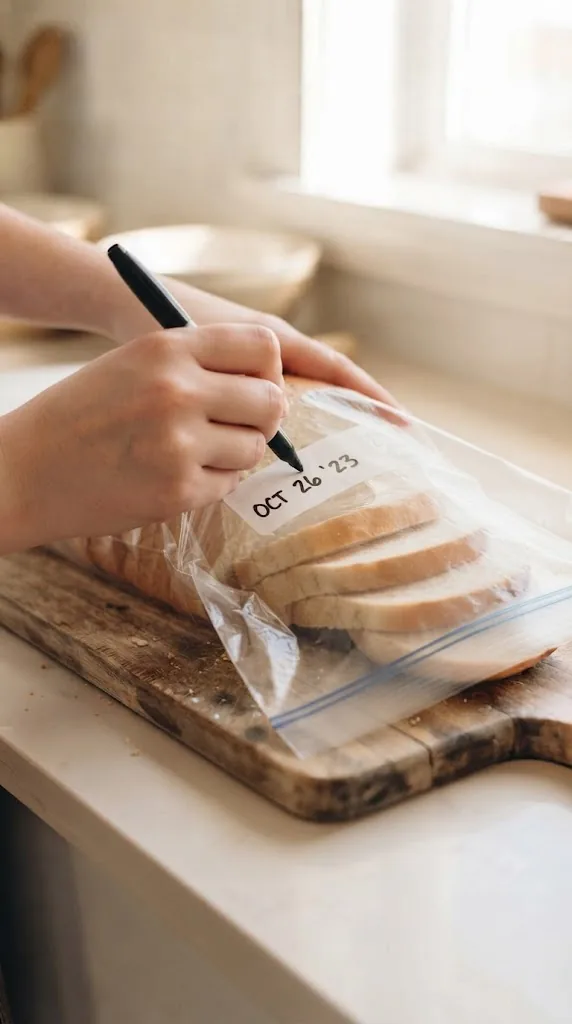
- Label the bag with the current date and the type of bread.
Best containers for freezing bread
- Freezer bags: press out as much air as you can and freeze them flat so they stack and thaw faster.
- Airtight rigid containers: best for soft or liquid foods. Leave about 1/2 inch of headspace because food expands as it freezes.
- Sheet pan first: freeze pieces in a single layer for an hour or two, then bag them so they don’t clump together.
- Label everything: write the item and the date on every package.
For bread: Wrap loaves or portions tightly in plastic wrap or aluminum foil, then place them inside a heavy-duty freezer bag while pressing out all excess air to prevent freezer burn.
How to thaw bread
- Remove individual slices from the freezer and toast them straight from frozen.
- Allow an entire wrapped loaf or portion to thaw at room temperature in its original wrapping for a few hours.
How to reheat bread
- Place frozen slices directly into a toaster or toaster oven until warm and crisp.
- Wrap a whole thawed loaf in aluminum foil and warm it in a 350°F oven for 10 to 15 minutes.
Best ways to use frozen bread
- Great for morning toast and grilled cheese sandwiches
- Ideal for quick French toast and savory bread puddings
- Not recommended for fresh, delicate finger sandwiches after freezing as the texture changes slightly
Fixing the texture: If the thawed bread feels a bit dry or firm, lightly mist the crust with water and warm it in the oven to restore a softer interior and crisp exterior.
How long bread keeps
| Where | How long |
|---|---|
| Freezer (0°F / -18°C) | 3 months |
| Refrigerator (40°F / 4°C) | 1 to 2 weeks |
| Pantry / counter | 3 to 5 days |
Can you refreeze bread?
Yes, you can refreeze bread if it was safely thawed in the refrigerator and has not been left at room temperature for more than two hours. However, each freeze-thaw cycle degrades the quality, resulting in a significantly drier, crumbly texture.
- Only thaw the exact number of slices you plan to consume to avoid needing to refreeze leftovers.
- Consider turning thawed bread into breadcrumbs or croutons instead of refreezing it.
- If refreezing a prepared dish made with thawed bread, ensure it is fully cooked first.
The rules for every food: Can you refreeze food after thawing?
Watch out for
- Bread left without an airtight barrier will quickly suffer from freezer burn, resulting in dry, tasteless spots.
- Freezing does not improve stale bread; it only preserves the quality the bread had when it went into the freezer.
- Pre-sliced bread can sometimes stick together if not separated by parchment paper or if frozen with excess moisture.
Food safety notes
Bread is shelf-stable at room temperature for a few days, but if kept in the refrigerator or thawed from the freezer, watch for any signs of mold before consuming. Only refreeze bread if it was safely thawed in the refrigerator, though quality will decline with each freeze-thaw cycle.
Other ways to keep bread
- Store at room temperature in a bread box or paper bag for short-term use.
- Keep in a cool, dry pantry out of direct sunlight.
- Turn stale bread into croutons, breadcrumbs, or bread pudding.
Common questions
Can I freeze bread in its original store packaging?
While you can freeze bread in the original plastic sleeve, store packaging is usually thin and lets air in, making the bread more susceptible to freezer burn. For best results, add an extra layer of plastic wrap or place the package inside a heavy-duty freezer bag.
Should I slice bread before freezing it?
Yes, slicing bread before freezing is highly recommended because it lets you toast or thaw only the amount you need without having to defrost the entire loaf.
Can I refreeze thawed bread?
You can refreeze bread if it was thawed safely, though the quality and texture will degrade with each freeze-thaw cycle, resulting in a drier and crumbly texture.
Can I freeze a whole, uncut artisan loaf?
Yes, you can freeze a whole artisan loaf. Wrap it tightly in plastic wrap followed by aluminum foil to protect the crust, and thaw it at room temperature for a few hours before refreshing it in a hot oven.
Does freezing bread kill mold spores or bacteria?
No, freezing does not kill existing mold or bacteria; it only pauses their growth. If a loaf shows any signs of mold before going into the freezer, you must discard it rather than freezing it.
Sources
- USDA FSIS: Freezing and Food Safety
- FoodSafety.gov: FoodKeeper storage times
- National Center for Home Food Preservation: Freezing
Freezer times are for best quality. Food kept at 0°F (-18°C) stays safe indefinitely, but always thaw it in the fridge, in cold water or in the microwave, never on the counter. When in doubt, throw it out. See the USDA freezing guide.