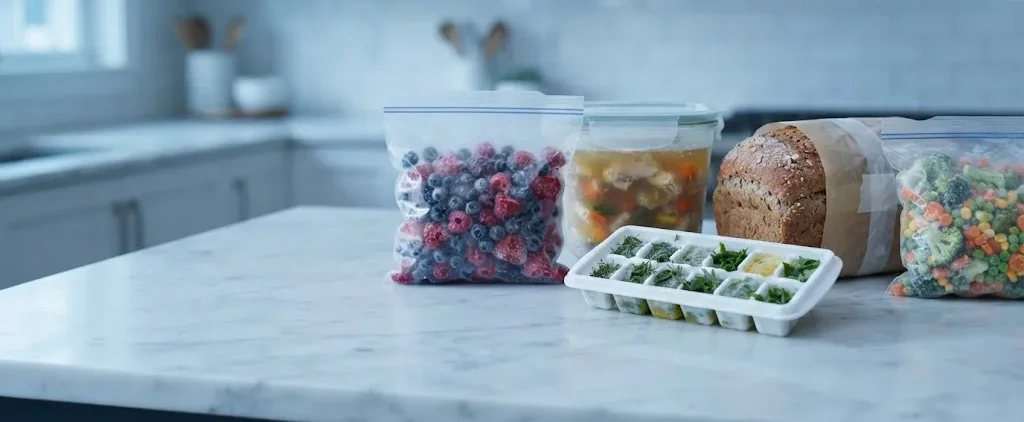
Yes, you can freeze biscuits very successfully, whether they are baked or unbaked.
Why
Biscuits freeze well because their high fat content from butter or shortening helps retain moisture and tenderness during the freezing process. Unbaked biscuit dough holds up nicely when shaped and frozen solid before bagging, allowing you to bake them straight from the freezer for fresh results. Baked biscuits also freeze wonderfully if wrapped tightly to prevent freezer burn. When reheated properly, they maintain most of their original flaky texture, making it easy to enjoy homemade biscuits anytime without starting from scratch.
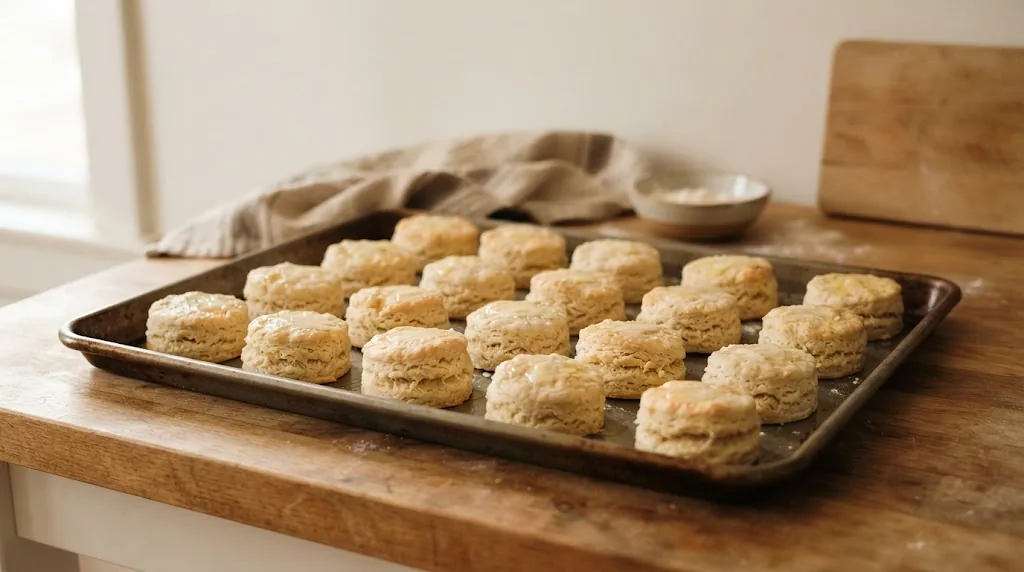
What freezing does to biscuits
- Texture: Can become slightly more crumbly if exposed to air during freezing.
- Moisture: May lose a small amount of hydration, requiring proper wrapping to maintain fluffiness.
Types of biscuits and how they freeze
- Drop biscuits: Freeze exceptionally well because their irregular shape and higher moisture content help them retain tenderness.
- Canned store-bought biscuits: Should remain in their original unopened packaging rather than the home freezer, as their pressure tubes are not designed for direct freezing.
How to freeze biscuits
- Allow baked biscuits to cool completely after coming out of the oven.
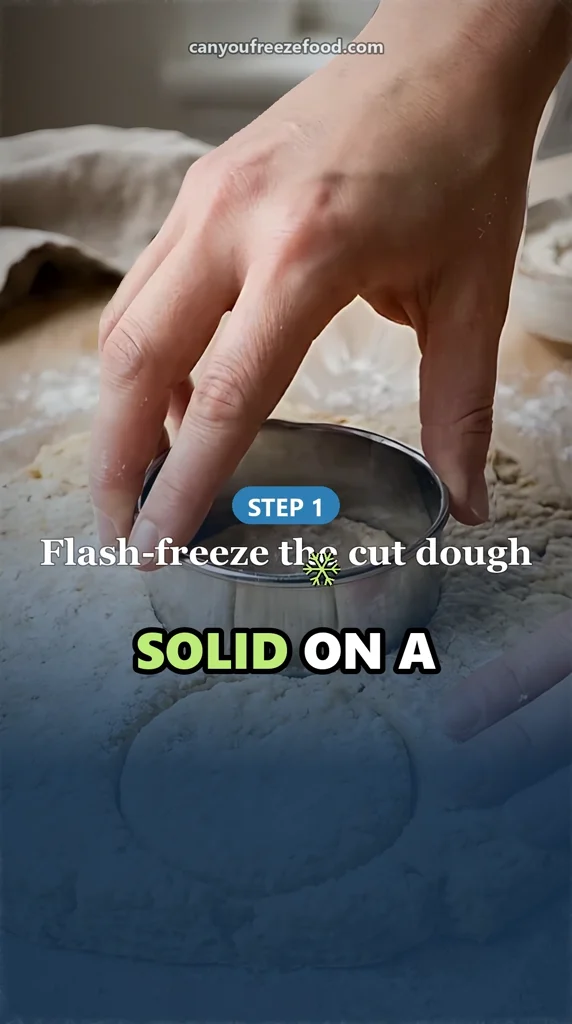
- For unbaked biscuits, cut the dough and place the pieces on a baking sheet to freeze solid for two hours.
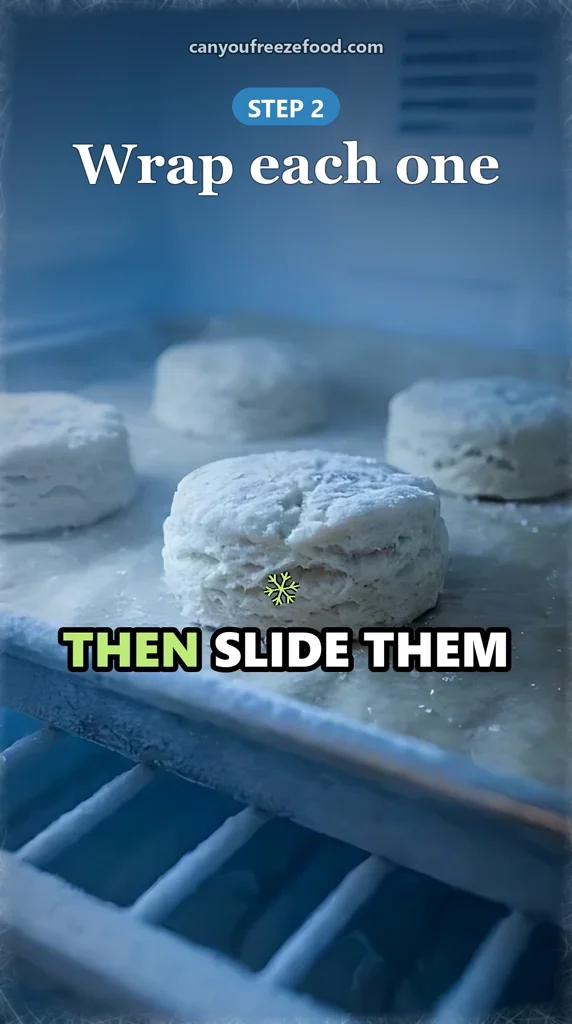
- Wrap each biscuit individually in plastic wrap or layer them between sheets of parchment paper.
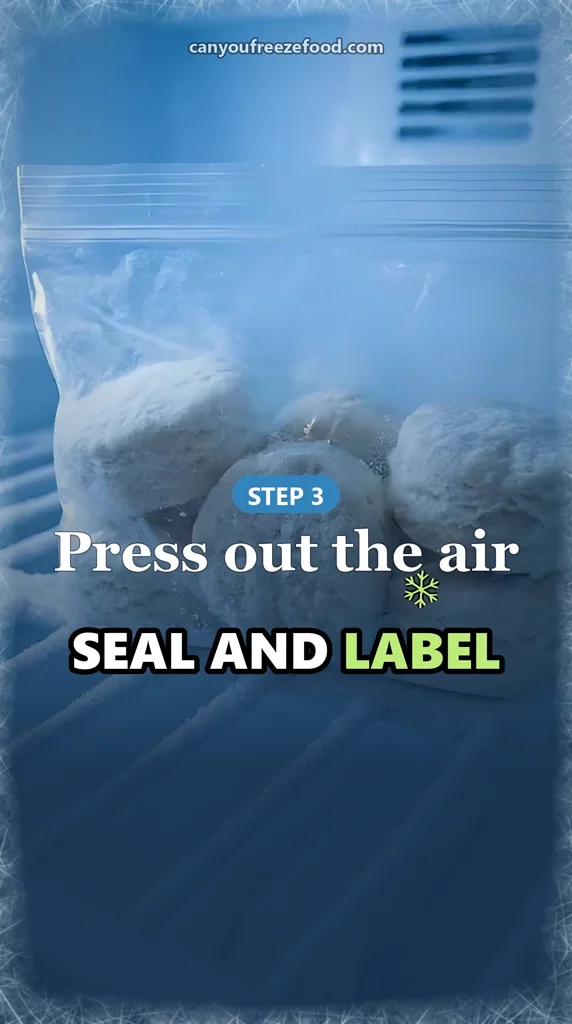
- Place the wrapped biscuits or frozen dough portions into a heavy-duty freezer bag.
- Squeeze out all excess air from the bag, seal tightly, and label with the date.
Best containers for freezing biscuits
- Freezer bags: press out as much air as you can and freeze them flat so they stack and thaw faster.
- Airtight rigid containers: best for soft or liquid foods. Leave about 1/2 inch of headspace because food expands as it freezes.
- Sheet pan first: freeze pieces in a single layer for an hour or two, then bag them so they don’t clump together.
- Label everything: write the item and the date on every package.
For biscuits: Flash freeze unbaked shaped biscuits on a baking sheet before transferring them to a heavy-duty freezer bag to prevent them from sticking together.
How to thaw biscuits
- Remove the desired number of biscuits from the freezer.
- For baked biscuits, thaw at room temperature in their wrapping.
- Alternatively, reheat baked biscuits straight from frozen in a 350 degree Fahrenheit oven for 10 to 15 minutes.
- Bake unbaked frozen biscuits straight from the freezer by adding a few extra minutes to the normal baking time.
How to reheat biscuits
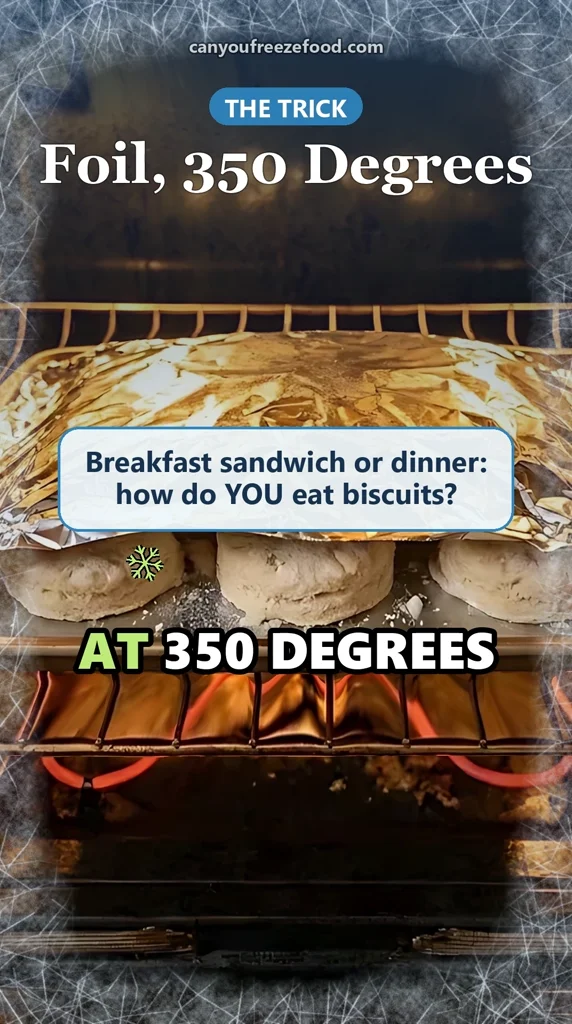
- Preheat your oven to 350 degrees Fahrenheit.
- Wrap the frozen baked biscuits loosely in aluminum foil to prevent them from drying out.
- Bake for 10 to 15 minutes until warmed through and hot to the touch.
Best ways to use frozen biscuits
- Great for quick breakfast sandwiches with eggs and cheese
- Perfect for soaking up gravies in comforting dinner casseroles
- Not recommended for delicate canapés or cold tea sandwiches
Fixing the texture: Brush the reheated biscuits lightly with melted butter to restore surface moisture and add richness.
How long biscuits keeps
| Where | How long |
|---|---|
| Freezer (0°F / -18°C) | 2-3 months |
| Refrigerator (40°F / 4°C) | 5 days |
| Pantry / counter | 2 days |
Can you refreeze biscuits?
Yes, you can refreeze biscuits if they were thawed safely in the refrigerator and have not spent more than two hours at room temperature. However, refreezing biscuits a second time will noticeably dry out their texture and cause the flaky layers to become dense and crumbly.
- Bake or reheat the thawed biscuits into a new dish, such as a casserole, before freezing again.
- Portion the biscuits individually so you only thaw what you plan to eat.
- Wrap each biscuit tightly in plastic wrap before placing it in a heavy-duty freezer bag.
The rules for every food: Can you refreeze food after thawing?
Watch out for
- Biscuits can dry out or develop freezer burn if not wrapped tightly in moisture-proof material.
- Do not thaw baked biscuits in warm water or on the counter uncovered, as this makes them soggy.
- Avoid leaving biscuits at room temperature for extended periods to prevent staling.
Food safety notes
Ensure baked biscuits are cooled quickly and placed in the refrigerator or freezer within two hours of cooking. Once thawed in the refrigerator, they may be safely refrozen if quality allows.
Other ways to keep biscuits
- Store baked biscuits in an airtight container at room temperature for up to two days.
- Keep unbaked dry biscuit mix in the pantry until you are ready to prepare them fresh.
- Refrigerate baked biscuits in a sealed bag for up to five days and reheat before serving.
Common questions
Can I freeze unbaked biscuit dough?
Yes, you can freeze unbaked biscuit dough successfully. Flash freeze the cut biscuits on a baking sheet first so they do not stick together, then transfer them to a freezer bag. You can bake them straight from the freezer by simply adding a few extra minutes to the baking time.
How do I reheat frozen baked biscuits?
You can reheat frozen baked biscuits straight from the freezer without thawing them first. Wrap them loosely in aluminum foil and warm them in a preheated oven at 350 degrees Fahrenheit for about 10 to 15 minutes until heated through.
Why did my frozen biscuits turn out dry?
Biscuits can become dry in the freezer if they are not wrapped tightly enough to keep air out. Make sure to use heavy-duty freezer bags or wrap each biscuit individually in plastic wrap to lock in moisture.
Can I freeze buttermilk biscuits differently than standard biscuits?
Buttermilk biscuits freeze just as well as standard recipes. Their higher acid content actually helps tenderize the gluten, making them very resilient to the freezing process when properly wrapped.
Can I freeze leftover baked biscuits that already have gravy on them?
It is best to freeze biscuits and gravy separately. Gravy tends to make the biscuit overly soggy during freezing and reheating, ruining the flaky layers.
Sources
- USDA FSIS: Freezing and Food Safety
- FoodSafety.gov: FoodKeeper storage times
- National Center for Home Food Preservation: Freezing
Freezer times are for best quality. Food kept at 0°F (-18°C) stays safe indefinitely, but always thaw it in the fridge, in cold water or in the microwave, never on the counter. When in doubt, throw it out. See the USDA freezing guide.