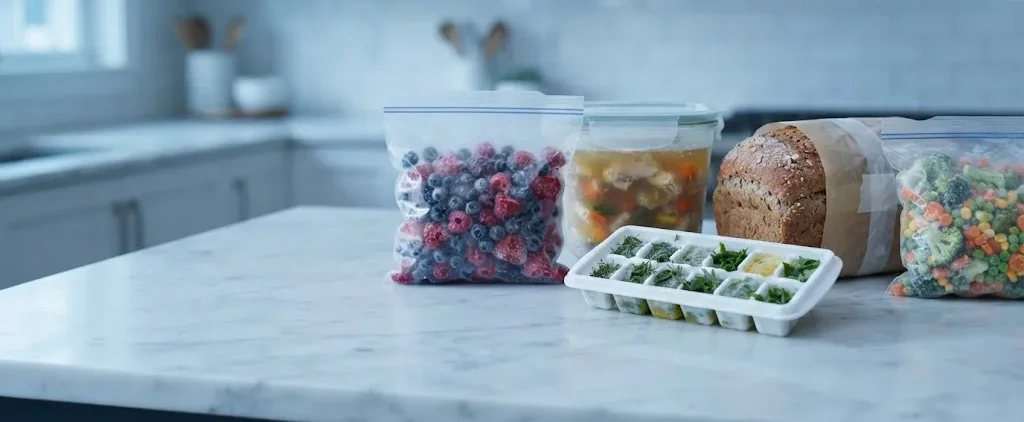
Yes, you can freeze enchiladas with great results. They are a convenient make-ahead meal that holds up very well in the freezer when properly wrapped.
Why
Enchiladas freeze well because their sauces and fillings retain moisture during the freezing and reheating process. Whether filled with beef, chicken, beans, or cheese, the cooked ingredients and tortillas absorb the sauce, preventing them from drying out. While the texture of the tortillas may soften slightly after thawing, layering them with plenty of sauce and cheese protects them from freezer burn and maintains a rich, satisfying flavor once baked.
What freezing does to enchiladas
- Texture: Tortillas may lose some of their slight firmness and become softer or slightly mushy after absorbing excess liquid during the freezing process.
- Flavor: Spices and sauces tend to meld together and intensify slightly during storage, which can enhance the overall taste.
- Moisture: Sauces may release small amounts of water upon thawing, leading to a slightly watery consistency before baking.
Types of enchiladas and how they freeze
- Homemade versus Store-Bought: Homemade enchiladas usually freeze better when you control the amount of sauce to prevent sogginess, whereas store-bought fresh deli varieties often contain preservatives that help maintain structure.
- Corn versus Flour Tortillas: Corn tortillas tend to tear more easily after freezing and thawing, so flour tortillas are generally sturdier for long-term freezer storage.
How to freeze enchiladas
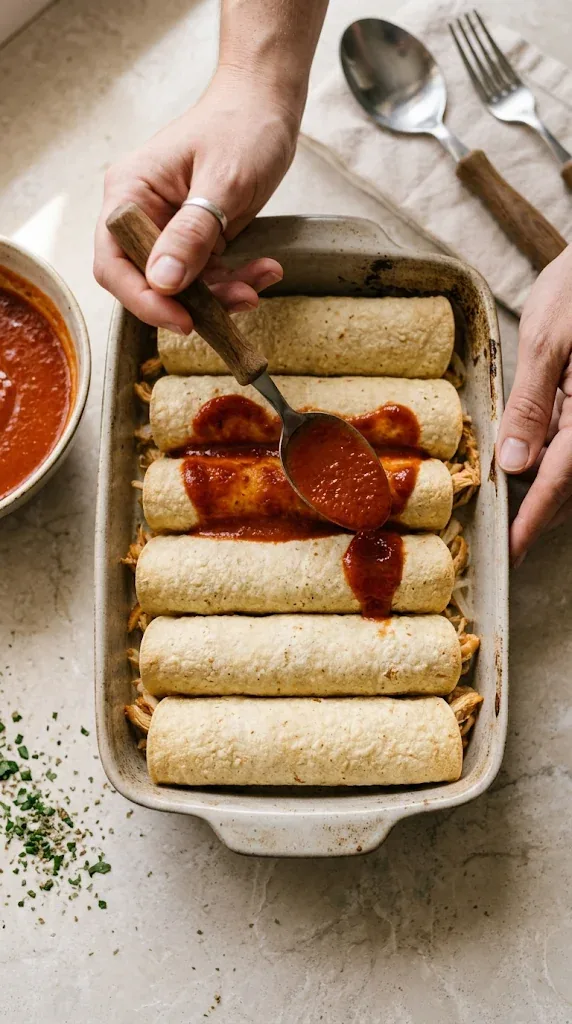
- Assemble the enchiladas in a freezer-safe baking dish or foil pan, ensuring they are thoroughly coated in sauce to prevent drying.
- Allow the assembled dish to cool quickly by placing it in the refrigerator for up to two hours before freezing.
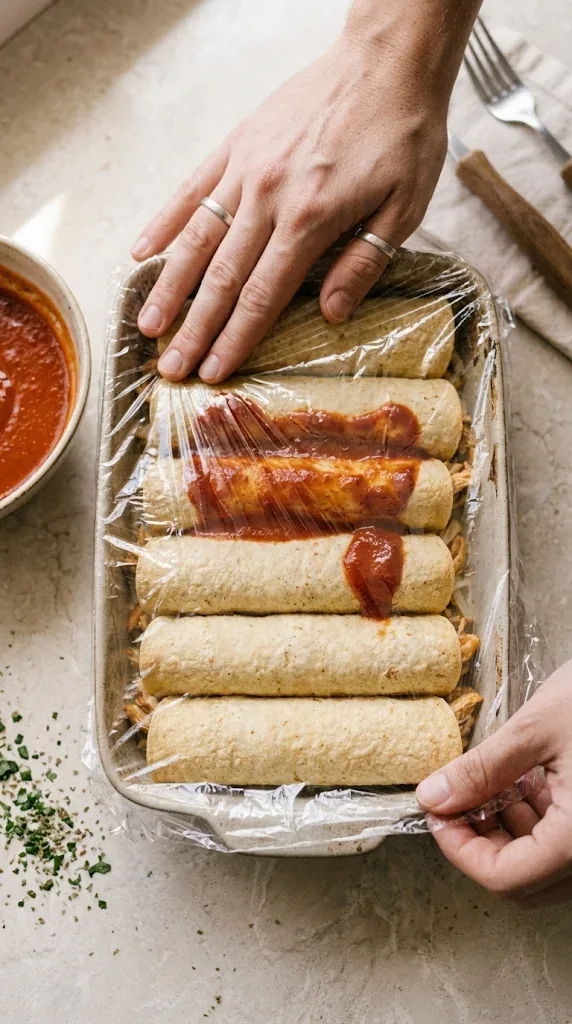
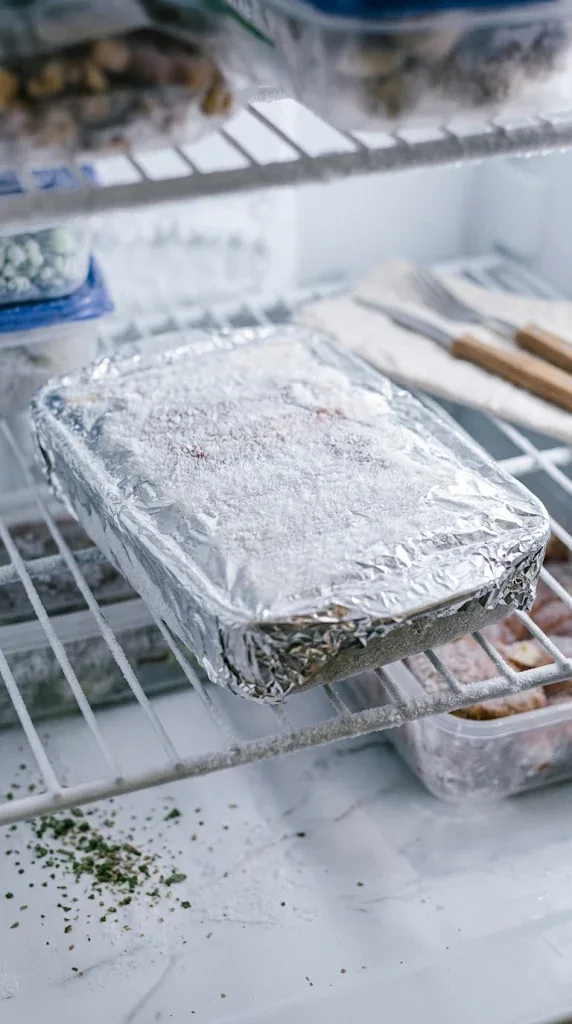
- Wrap the dish tightly with a layer of plastic wrap pressed directly onto the food, followed by a layer of heavy-duty aluminum foil.
- Label the container with the name of the dish and the date it was frozen.
Best containers for freezing enchiladas
- Freezer bags: press out as much air as you can and freeze them flat so they stack and thaw faster.
- Airtight rigid containers: best for soft or liquid foods. Leave about 1/2 inch of headspace because food expands as it freezes.
- Sheet pan first: freeze pieces in a single layer for an hour or two, then bag them so they don’t clump together.
- Label everything: write the item and the date on every package.
For enchiladas: Freeze in heavy-duty aluminum foil pans or freezer-safe glass baking dishes, wrapped securely in both plastic wrap and foil to prevent freezer burn and moisture loss.
How to thaw enchiladas
- Place the frozen enchiladas in the refrigerator overnight to thaw safely.
- Alternatively, you can bake them straight from frozen by removing the plastic wrap, covering the foil tightly, and adding 15 to 20 minutes to the baking time.
- Bake at 350 degrees Fahrenheit until heated thoroughly through the center and bubbling.
How to reheat enchiladas
- Preheat your oven to 350 degrees Fahrenheit.
- Remove the plastic wrap and cover the baking dish securely with aluminum foil.
- Bake for 45 to 60 minutes if frozen, or 30 minutes if thawed, until heated through to 165 degrees Fahrenheit.
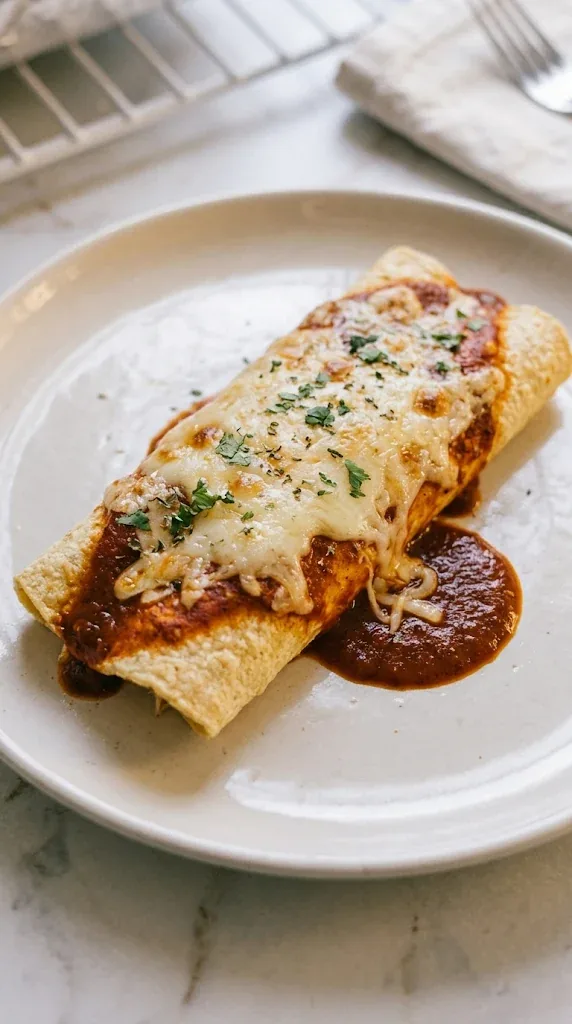
- Remove the foil during the last 5 minutes of baking if you want to lightly brown the cheese on top.
Best ways to use frozen enchiladas
- Great for quick weeknight family dinners served alongside Spanish rice and refried beans
- Ideal for meal-prepped individual lunches
- Not suitable for serving cold or as a raw salad component
Fixing the texture: If the baked enchiladas appear watery after reheating, let them rest uncovered for 5 to 10 minutes so excess sauce can thicken and reabsorb.
How long enchiladas keeps
| Where | How long |
|---|---|
| Freezer (0°F / -18°C) | 2-3 months |
| Refrigerator (40°F / 4°C) | 3-4 days |
| Pantry / counter | Not recommended |
Can you refreeze enchiladas?
Yes, you can refreeze enchiladas safely only if they were thawed in the refrigerator and not left out at room temperature for more than two hours. However, a second freeze will cause the tortillas and cheese to become noticeably mushier and degrade the overall texture of the dish.
- Bake or thoroughly cook the thawed enchiladas before refreezing them for better results.
- Freeze the enchiladas in smaller individual portions so you only thaw what you need.
- Ensure the dish is tightly wrapped again to protect it from further moisture loss and freezer burn.
The rules for every food: Can you refreeze food after thawing?
Watch out for
- Avoid leaving assembled enchiladas at room temperature to cool, as this can encourage bacterial growth.
- Ensure the dish is airtight to prevent freezer burn, which can make the tortillas tough and dry.
- Sour cream or fresh avocado garnishes should always be added after baking, never before freezing.
Food safety notes
Ensure the internal temperature reaches 165 degrees Fahrenheit throughout the center when reheating. If you thawed the enchiladas safely in the refrigerator, you can refreeze them, though quality will decline.
Other ways to keep enchiladas
- Store assembled uncooked or baked enchiladas in the refrigerator for up to 3 to 4 days.
- Freeze individual portions for quick single-serving lunches.
Common questions
Can I freeze enchiladas with sour cream inside them?
It is best to avoid freezing dairy-heavy sauces like sour cream inside the enchiladas because they can separate and turn grainy when thawed. Add sour cream as a fresh topping after reheating instead.
Should I bake enchiladas before freezing them?
You can freeze them either baked or unbaked. Unbaked enchiladas are convenient for a quick bake later, while baked enchiladas just need to be thoroughly reheated.
Can I refreeze thawed enchiladas?
If you thawed the enchiladas safely in the refrigerator, you can refreeze them, though the texture of the tortillas and cheese may degrade with each freeze.
Can I freeze enchiladas in a glass baking dish?
Yes, but you must ensure the glass dish is rated for freezer-to-oven use to prevent thermal shock and shattering. Alternatively, assemble them in disposable foil pans for freezing.
Why did my frozen enchiladas turn out dry?
Dry enchiladas usually happen because there was not enough sauce covering the tortillas, or the container was not tightly sealed against freezer burn. Always ensure the tortillas are completely smothered in sauce before wrapping.
Sources
- USDA FSIS: Freezing and Food Safety
- FoodSafety.gov: FoodKeeper storage times
- National Center for Home Food Preservation: Freezing
Freezer times are for best quality. Food kept at 0°F (-18°C) stays safe indefinitely, but always thaw it in the fridge, in cold water or in the microwave, never on the counter. When in doubt, throw it out. See the USDA freezing guide.