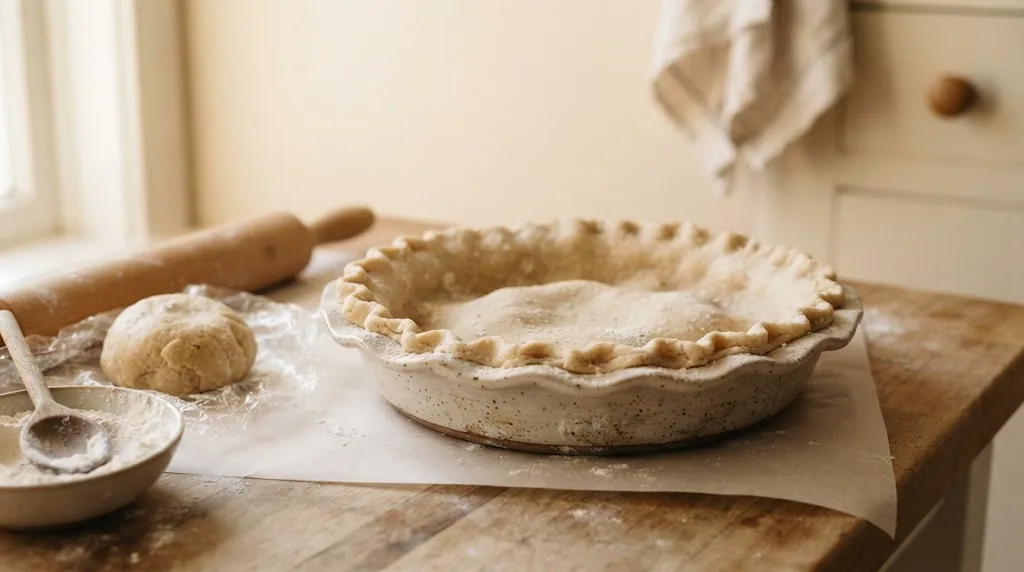
Yes, pie crust freezes wonderfully whether it is raw, partially blind-baked, or fully baked.
Why
Pie crust relies on cold pockets of fat melting during baking to create its signature flaky texture. Freezing preserves these fat pockets nicely as long as the dough is wrapped tightly to prevent moisture loss and freezer burn. Both raw pastry dough and pre-baked shells hold up exceptionally well to freezing, meaning you can easily prep holiday baking weeks in advance without sacrificing quality or flavor.
What freezing does to pie crust
- Texture: Fat pockets can sometimes become slightly less defined if wrapped improperly, resulting in a minimally reduced flakiness.
- Flavor: No noticeable change in taste when protected against absorbing odors from other foods in the freezer.
- Moisture: Can lose surface hydration if exposed to dry freezer air, leading to dry, crumbly edges during baking.
Types of pie crust and how they freeze
- Homemade all-butter crust: Freezes exceptionally well because the high butter content retains its rich flavor, though it requires careful wrapping to prevent moisture loss.
- Store-bought rolled crust: Usually comes in its own plastic tray and box; you can place the unopened box straight into the freezer for up to 2 months.
- Shortcrust versus puff pastry: Standard shortcrust holds up to freezing with virtually no structural loss, while laminated puff pastry may lose some rising power if frozen repeatedly.
How to freeze pie crust
- Prepare your favorite pie crust recipe and shape it into a disk for raw dough, or fit it into a pie pan.
- Wrap raw dough disks tightly in a layer of plastic wrap followed by heavy-duty aluminum foil.
- For fitted pie pans, wrap the entire pan securely in plastic wrap and a layer of foil, or slide it into a large freezer bag.
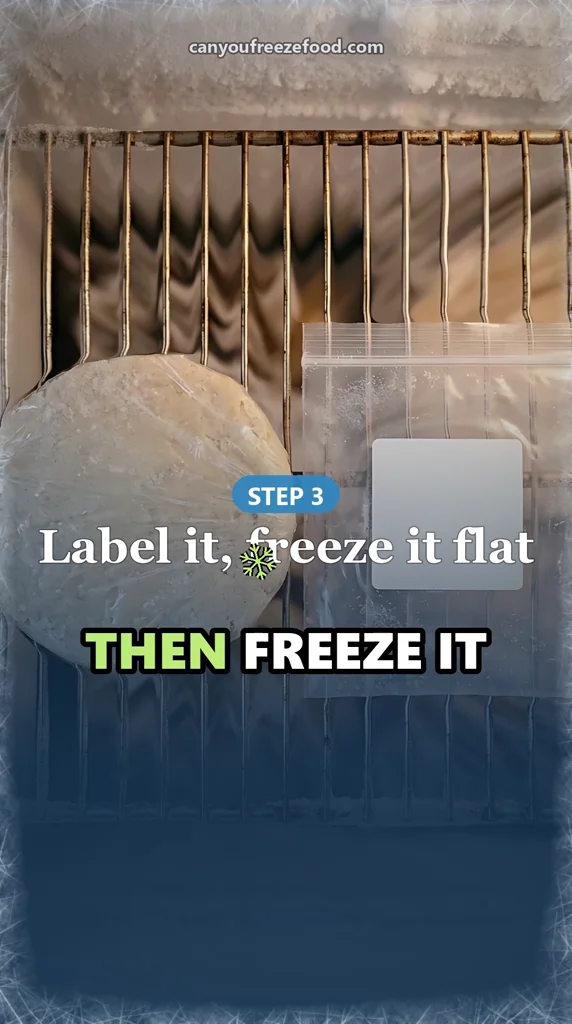
- Label the package with the date and type of crust.
- Place flat in the freezer to avoid warping or cracking.



Best containers for freezing pie crust
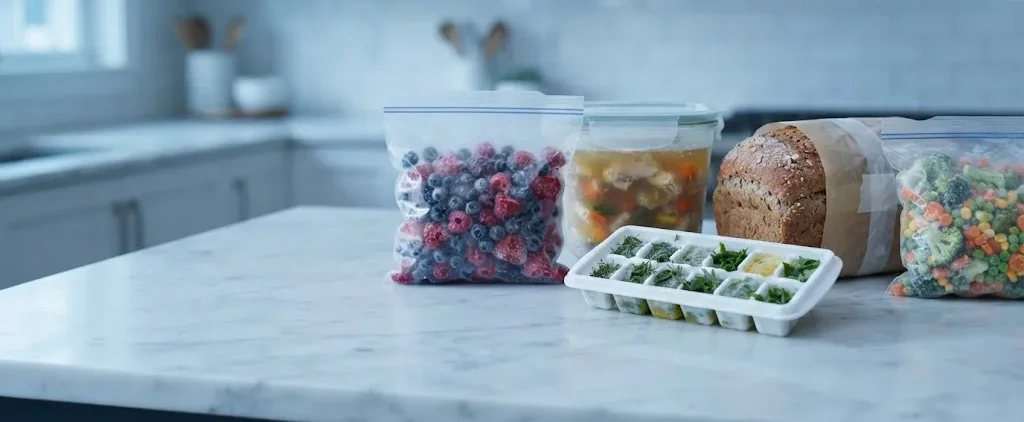
- Freezer bags: press out as much air as you can and freeze them flat so they stack and thaw faster.
- Airtight rigid containers: best for soft or liquid foods. Leave about 1/2 inch of headspace because food expands as it freezes.
- Sheet pan first: freeze pieces in a single layer for an hour or two, then bag them so they don’t clump together.
- Label everything: write the item and the date on every package.
For pie crust: Wrap raw dough disks or fitted pie pans tightly in a layer of plastic wrap followed by heavy-duty aluminum foil to completely block out air and prevent freezer burn.
How to thaw pie crust
- Transfer raw frozen pie crust to the refrigerator and let it thaw overnight.
- Alternatively, you can bake most raw frozen pie crusts straight from the freezer by adding a few extra minutes to the baking time.
- Let pre-baked frozen pie crusts sit at room temperature for about 15 minutes before filling with chilled ingredients.
How to reheat pie crust
- Preheat your oven to the temperature specified in your pie recipe.
- Place the frozen raw or par-baked crust directly into the oven.
- Bake for an additional 3 to 5 minutes longer than the recipe states to compensate for the frozen state.
Best ways to use frozen pie crust
- Great for sweet fruit pies like apple, cherry, and peach.
- Works well for savory quiches and chicken pot pies.
- Not suitable for uncooked cream pies that require a crisp, pre-baked shell without a second oven trip.
Fixing the texture: If the edges appear slightly dry after thawing, lightly brush them with a bit of cold water or milk before baking to help restore surface moisture.
How long pie crust keeps
| Where | How long |
|---|---|
| Freezer (0°F / -18°C) | 2-3 months |
| Refrigerator (40°F / 4°C) | 3 days for raw dough; 2-4 days for baked crust |
| Pantry / counter | 2 days for freshly baked crust |
Can you refreeze pie crust?
Yes, you can refreeze pie crust as long as it was thawed safely in the refrigerator and never left out at room temperature for more than two hours. However, subjecting pie crust to a second cycle of freezing and thawing can degrade the delicate fat pockets, resulting in a less flaky and more crumbly texture once baked.
- Bake the pie crust before refreezing it if you have already thawed and handled the raw dough.
- Portion your pie dough into smaller discs so you only thaw the exact amount you need for your recipe.
- Cool any cooked pastry fillings quickly in shallow containers and refrigerate them within two hours before combining with a refrozen crust.
The rules for every food: Can you refreeze food after thawing?
Watch out for
- Freezer burn can dry out the edges of the crust, leading to a crumbly and less flaky texture.
- Raw dough disks may crack if handled roughly while frozen solid.
- Make sure the pie pan is freezer-safe if you are freezing the crust directly in the dish.
Food safety notes
Always thaw raw pie crust safely in the refrigerator rather than on the counter to prevent bacterial growth. Once thawed in the fridge, the unbaked dough can be refrozen if quality allows, but it is best used immediately.
Other ways to keep pie crust
- Store raw dough in the refrigerator for up to 3 days.
- Bake the crust immediately and store it at room temperature for a couple of days.
- Turn excess pastry scraps into cinnamon sugar twists.
Common questions
Can I freeze raw pie crust with the filling already inside?
Yes, many fruit pies and meat pies can be frozen unbaked. Wrap the entire assembled pie tightly and bake from frozen, adding extra time to the baking process.
Should I freeze pie crust in the pan or as a disk?
Both methods work well. Freezing dough as a disk saves valuable freezer space, while freezing it fitted inside a pie pan allows you to bake it instantly without rolling.
Why did my frozen pie crust turn out crumbly?
A crumbly crust usually happens due to freezer burn or letting the dough dry out during storage. Ensure you use multiple layers of airtight wrapping.
Can I freeze a pie crust with a wet filling already poured inside?
It is not recommended to freeze liquid or custard fillings inside an unbaked crust, as the moisture will make the pastry soggy before it even reaches the oven. Pre-bake the crust partially or freeze the filling and crust separately.
How can I tell if my frozen pie crust has gone bad in the freezer?
Look for severe freezer burn, which appears as dry, discolored gray or white spots on the dough. If the crust smells off or has absorbed odors from neighboring freezer items, it is best to discard it.
Sources
- USDA FSIS: Freezing and Food Safety
- FoodSafety.gov: FoodKeeper storage times
- National Center for Home Food Preservation: Freezing
Freezer times are for best quality. Food kept at 0°F (-18°C) stays safe indefinitely, but always thaw it in the fridge, in cold water or in the microwave, never on the counter. When in doubt, throw it out. See the USDA freezing guide.