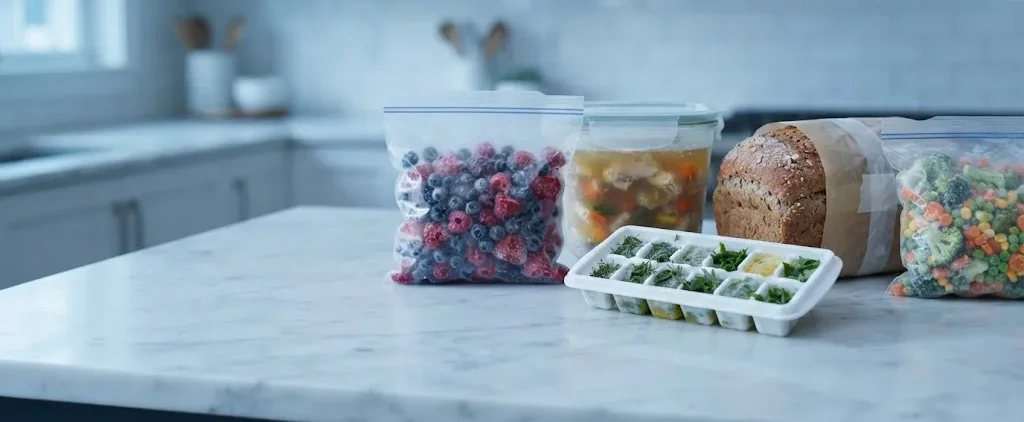
Yes, you can freeze jalapenos easily and they keep their heat well.
Why
Jalapenos have a high water content, which means ice crystals will form and disrupt their cell walls during freezing. Once thawed, they will lose their crisp, fresh crunch and become soft. However, because they are usually used for cooking, adding flavor, or making salsas where texture is less important, they freeze remarkably well without losing any of their signature spicy heat.
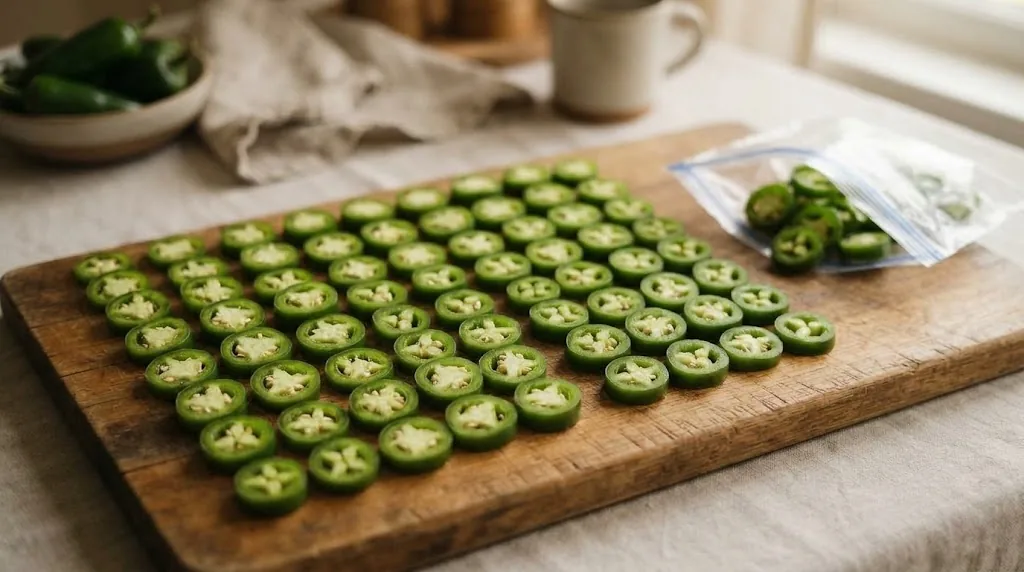
What freezing does to jalapenos
- Texture: Cell walls rupture from ice crystal formation, resulting in a significantly softer and less crisp pepper.
- Flavor: Retains nearly all of its natural capsaicin heat, though some bright grassy notes may slightly mellow over time.
- Color: Vibrant green shades can dull slightly into a more muted olive tone during long-term storage.
Types of jalapenos and how they freeze
- Whole jalapenos: Freezing whole peppers is ideal if you want to stuff or roast them later, though they take up slightly more space in the freezer.
- Sliced or diced jalapenos: Pre-cutting saves time and allows you to grab small handfuls directly from the bag for quick cooking.
How to freeze jalapenos
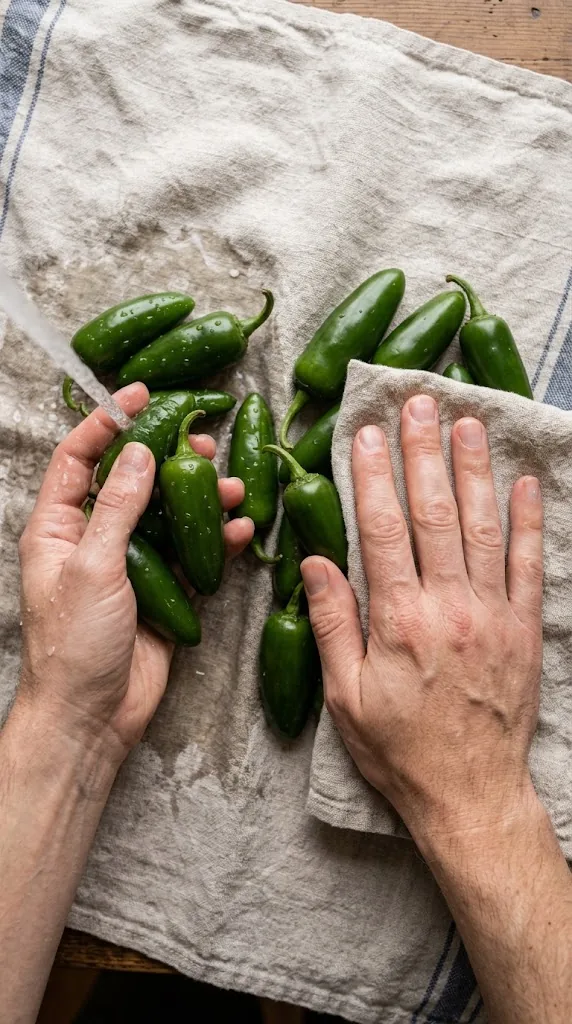
- Wash the jalapenos thoroughly and pat them completely dry.
- Slice, dice, or leave them whole depending on how you plan to use them later.
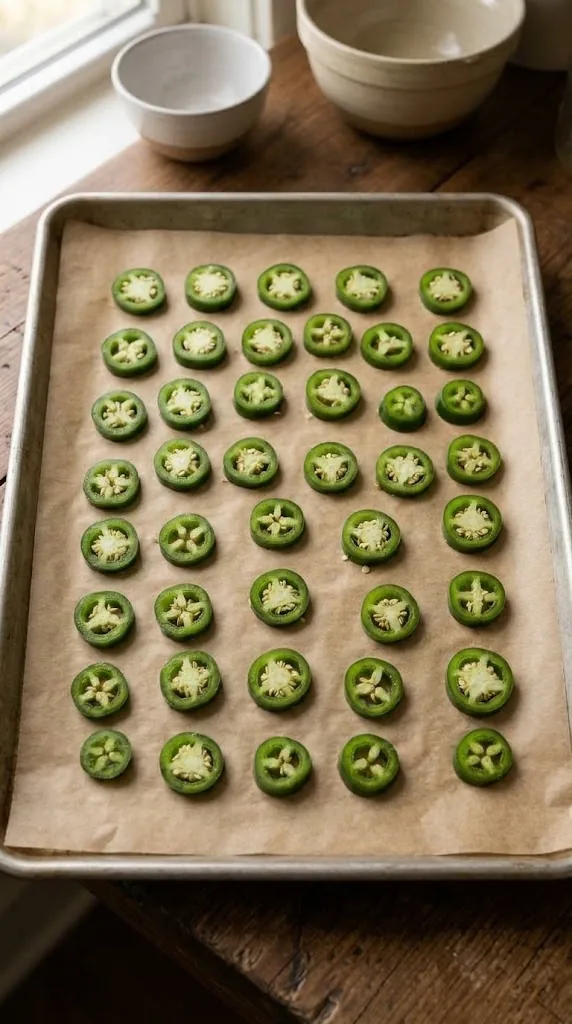
- Spread the pieces in a single layer on a baking sheet and flash freeze for one to two hours.
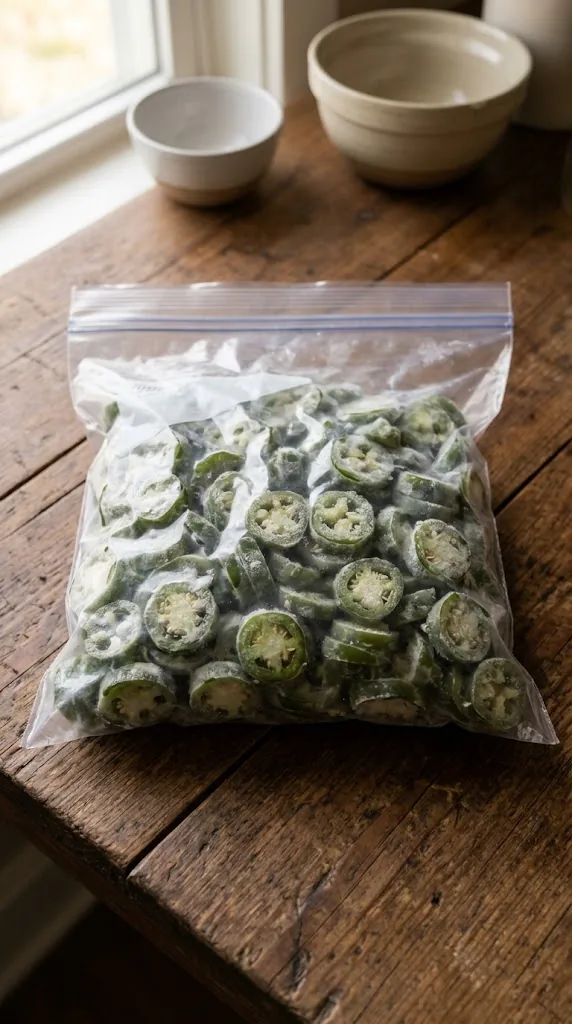
- Transfer the frozen jalapenos into heavy-duty freezer bags or airtight containers.
- Press out as much air as possible, seal tightly, and label with the date.
Best containers for freezing jalapenos
- Freezer bags: press out as much air as you can and freeze them flat so they stack and thaw faster.
- Airtight rigid containers: best for soft or liquid foods. Leave about 1/2 inch of headspace because food expands as it freezes.
- Sheet pan first: freeze pieces in a single layer for an hour or two, then bag them so they don’t clump together.
- Label everything: write the item and the date on every package.
For jalapenos: Flash-freeze sliced jalapenos in a single layer on a baking sheet before transferring them to heavy-duty freezer bags to prevent them from clumping together.
How to thaw jalapenos
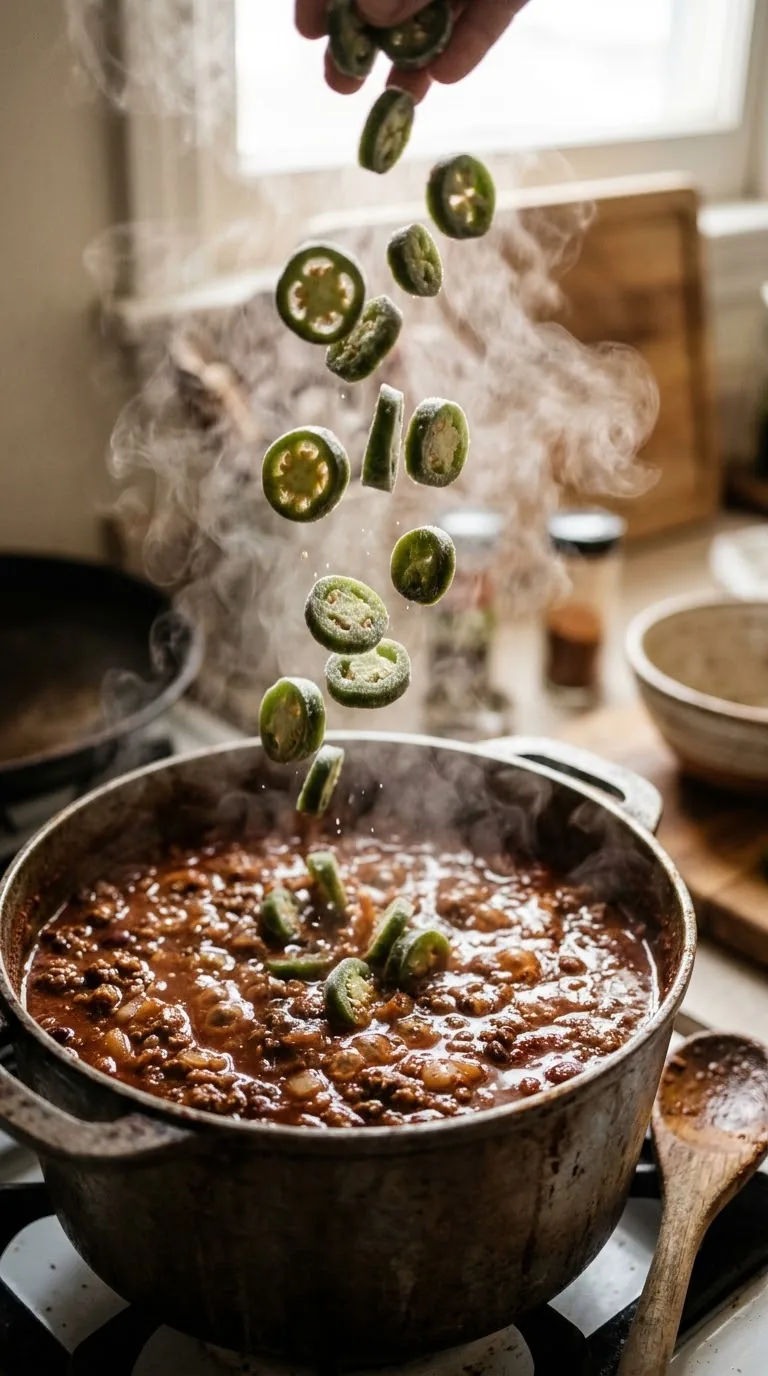
- Use whole or sliced jalapenos straight from frozen in cooked dishes like soups, stews, and stir-fries.
- Add frozen diced jalapenos directly into salsas, sauces, or batters while cooking.
- If you must thaw them, place them in the refrigerator overnight.
Best ways to use frozen jalapenos
- Great in cooked soups, chilis, and hearty stews where the softer texture is unnoticeable.
- Not suitable for fresh pico de gallo, crisp salad toppings, or raw crudité platters due to the loss of crunch.
How long jalapenos keeps
| Where | How long |
|---|---|
| Freezer (0°F / -18°C) | 8-10 months |
| Refrigerator (40°F / 4°C) | 1-2 weeks |
| Pantry / counter | 3-5 days |
Can you refreeze jalapenos?
Yes, you can refreeze jalapenos if they were thawed safely in the refrigerator and have not been left at room temperature for more than two hours. However, because freezing already ruptures their cell walls and makes them soft, a second freeze will further degrade their texture and leave them extremely mushy.
- Cook or bake the thawed jalapenos into a dish before refreezing them if you want to improve their texture.
- Freeze jalapenos in small portions so you only thaw what you need for a single recipe.
- Cool any cooked dishes containing thawed jalapenos quickly in shallow containers and refrigerate or freeze them within two hours.
The rules for every food: Can you refreeze food after thawing?
Watch out for
- Thawed jalapenos will be noticeably soft and mushy, so they are not suitable for fresh crudités or crisp garnishes.
- Always wear gloves when handling and prepping hot peppers to avoid painful skin and eye irritation from the capsaicin.
- Improperly sealed bags can allow freezer burn to degrade the flavor over time.
Food safety notes
Always wash your hands thoroughly after handling peppers and avoid touching your face. If jalapenos were ever accidentally thawed on the counter at unsafe temperatures, discard them immediately rather than refreezing.
Other ways to keep jalapenos
- Store fresh unwashed jalapenos in a paper bag in the crisper drawer of your refrigerator.
- Pickle the jalapenos in vinegar and spices for a long-lasting pantry staple.
- Dehydrate the peppers using a tested method to create homemade chili flakes.
Common questions
Do I need to blanch jalapenos before freezing them?
No, blanching is not necessary for jalapenos. You can freeze them raw, either whole or sliced, and they will retain their spicy heat for months.
Can I freeze whole jalapenos without slicing them?
Yes, you can freeze whole jalapenos. Just wash, dry, and place them directly into a freezer-safe bag. You can slice them straight from the freezer when ready to cook.
Will freezing jalapenos make them less spicy?
Freezing does not significantly reduce the heat of jalapenos. In fact, as the cell walls break down during freezing, the capsaicin may release slightly more quickly into your dishes.
Can I freeze stuffed jalapenos?
Yes, you can freeze stuffed jalapenos, especially if the filling is cooked and cream cheese-based. Assemble them on a tray, freeze solid, and then transfer to a container; bake them straight from frozen when ready to eat.
Do I need to remove the seeds before freezing?
Removing the seeds and membranes before freezing is optional. Leaving them in preserves maximum heat, while removing them makes the thawed peppers milder.
Sources
- USDA FSIS: Freezing and Food Safety
- FoodSafety.gov: FoodKeeper storage times
- National Center for Home Food Preservation: Freezing
Freezer times are for best quality. Food kept at 0°F (-18°C) stays safe indefinitely, but always thaw it in the fridge, in cold water or in the microwave, never on the counter. When in doubt, throw it out. See the USDA freezing guide.