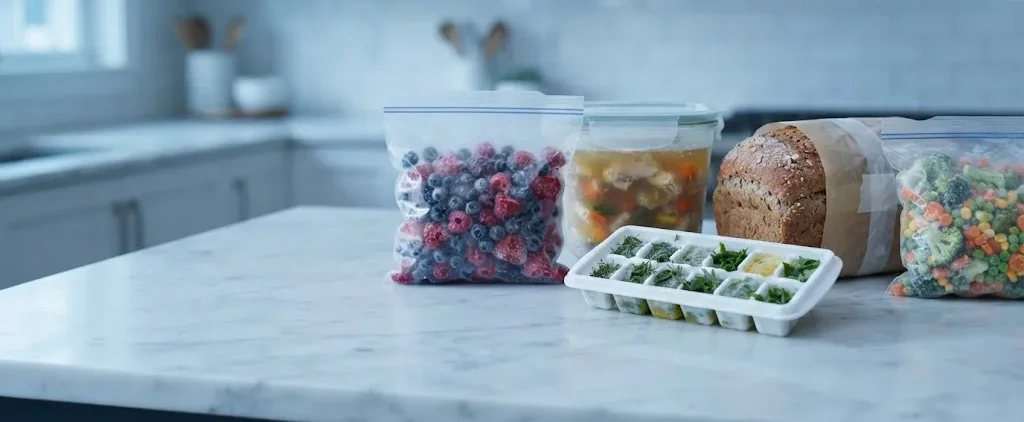
Yes, but you should blanch cauliflower before freezing it to maintain its color, crisp-tender texture, and flavor.
Why
Cauliflower has a high water content. When raw cauliflower freezes, water inside the cells expands and ruptures cell walls, leading to a mushy and waterlogged texture once thawed. Blanching deactivates enzymes that cause discoloration, flavor loss, and nutrient degradation during storage. Because the texture naturally softens in the freezer, frozen cauliflower is best used in cooked dishes like soups, mashes, curries, and roasted recipes rather than served raw.
What freezing does to cauliflower
- Texture: Cell walls rupture due to expanding ice crystals, resulting in a softer and more delicate consistency upon thawing.
- Flavor: Blanching locks in the mild, nutty taste, whereas unblanched cauliflower can develop a bitter flavor during long-term storage.
- Color: Proper blanching preserves the bright white or creamy color, while unblanched florets tend to turn greyish over time.
Types of cauliflower and how they freeze
- Whole head: Freezing a whole head of cauliflower is not recommended because the center will freeze slowly and develop a severely waterlogged texture. Always break the head down into uniform florets before blanching.
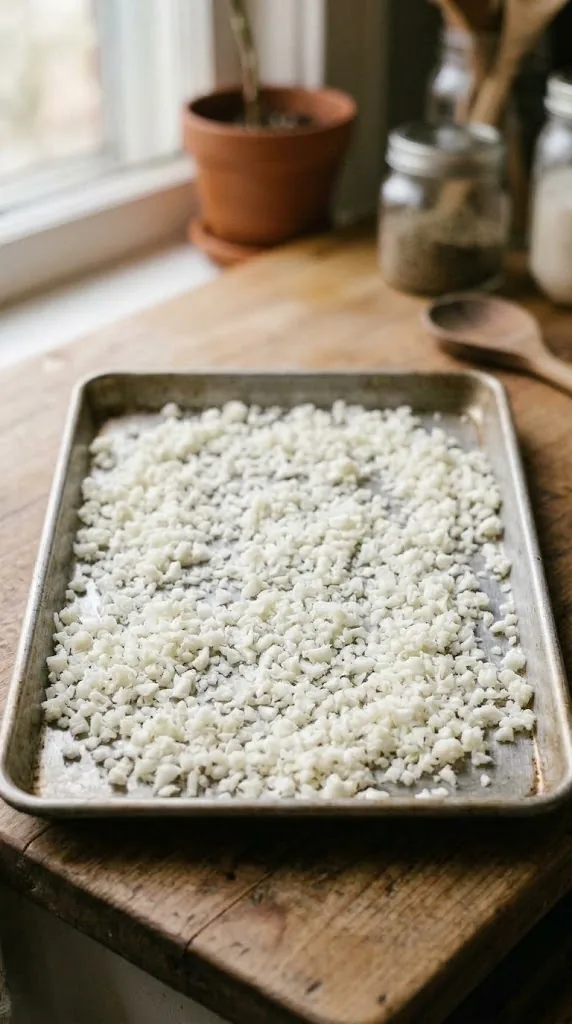
- Riced cauliflower: Cauliflower rice can be frozen either raw or lightly sauteed. Spread it thin on a baking sheet to prevent large clumps from forming.
How to freeze cauliflower
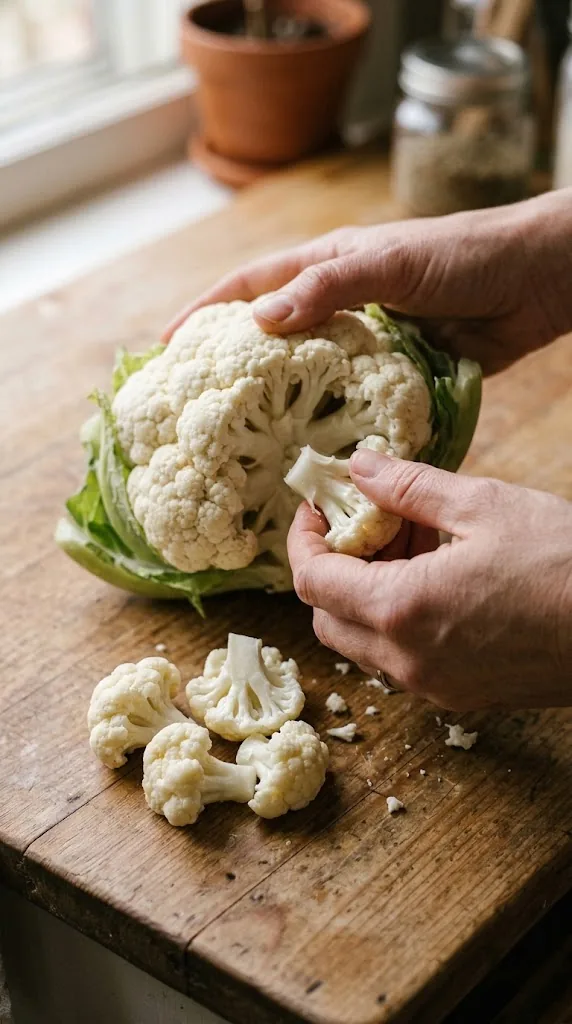
- Wash the head of cauliflower and cut it into bite-sized florets of even size.
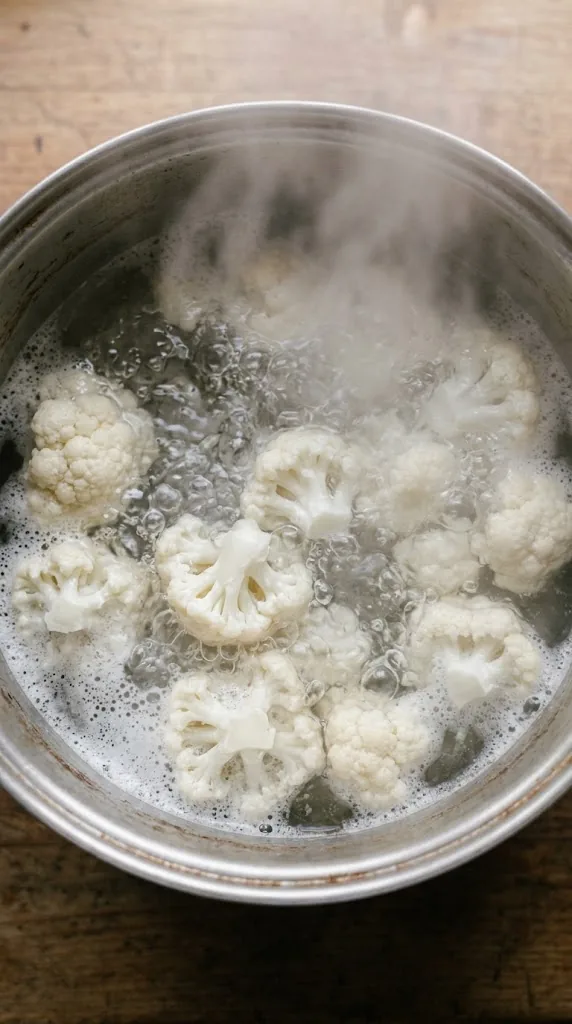
- Prepare a bowl of ice water and bring a large pot of water to a rolling boil.
- Blanch the florets in boiling water for three minutes, then immediately plunge them into the ice bath to stop the cooking process.
- Drain the cauliflower thoroughly and pat it completely dry with clean kitchen towels.
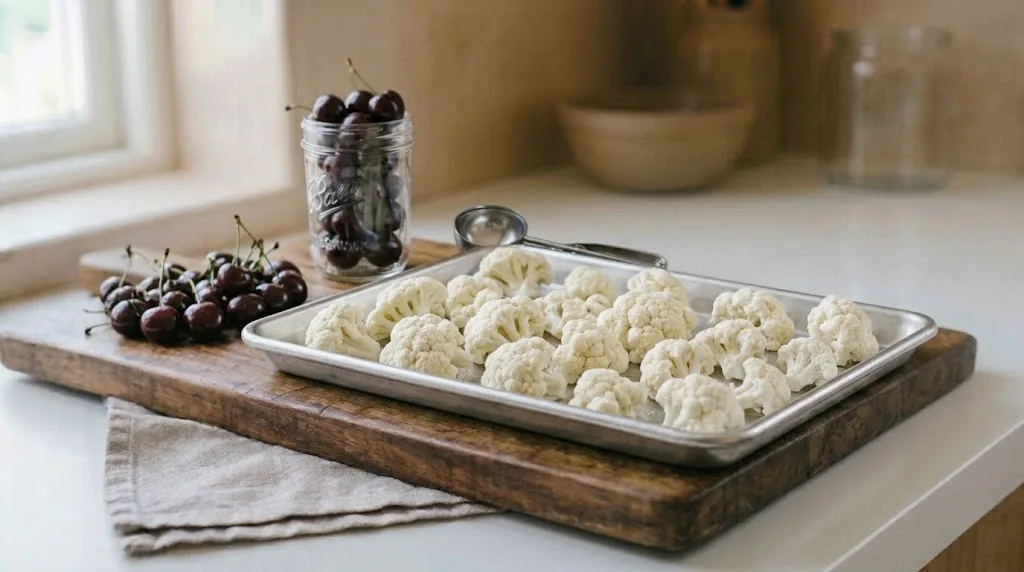
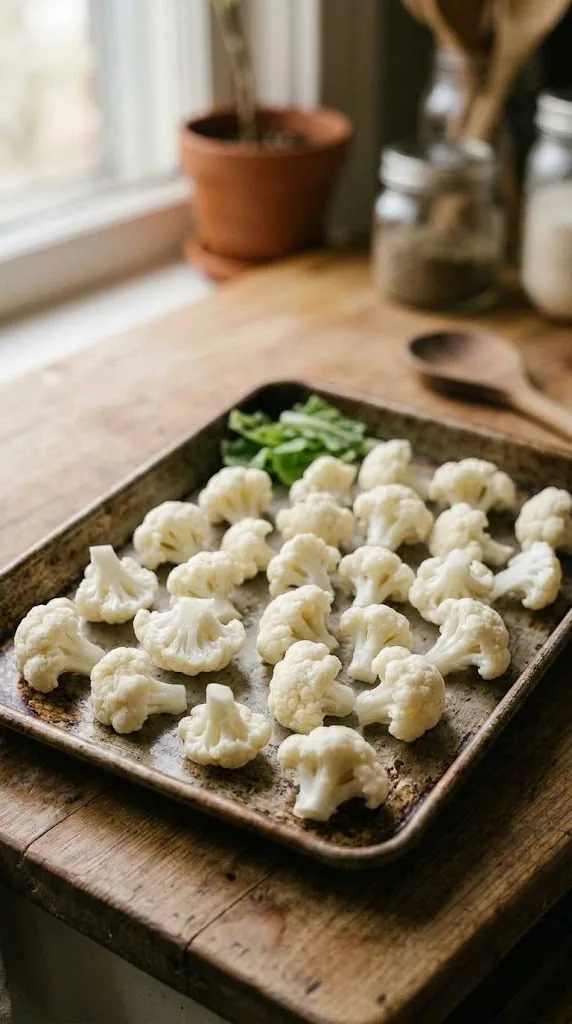
- Spread the dry florets on a baking sheet and flash freeze them for two hours until solid.
- Transfer the frozen florets into airtight freezer bags, press out excess air, and label with the date.
Best containers for freezing cauliflower
- Freezer bags: press out as much air as you can and freeze them flat so they stack and thaw faster.
- Airtight rigid containers: best for soft or liquid foods. Leave about 1/2 inch of headspace because food expands as it freezes.
- Sheet pan first: freeze pieces in a single layer for an hour or two, then bag them so they don’t clump together.
- Label everything: write the item and the date on every package.
For cauliflower: Flash-freeze florets on a baking sheet before transferring them to heavy-duty freezer bags to prevent them from sticking together. Press out as much air as possible to minimize freezer burn.
How to thaw cauliflower
- Use the cauliflower straight from frozen in cooked dishes like soups, stews, or stir-fries without thawing.
- If using in a recipe that requires pre-thawed vegetables, place the bag in the refrigerator overnight.
- Alternatively, thaw the cauliflower in the microwave on the defrost setting and use it immediately.
How to reheat cauliflower
- Add frozen florets directly to boiling soups, stews, or curries and simmer until heated through.
- Spread frozen florets on a baking sheet, toss with oil and seasonings, and roast at 400 degrees Fahrenheit until hot and slightly crisp.
- Microwave frozen florets in a covered, microwave-safe dish with a splash of water on high for three to five minutes until steaming hot.
Best ways to use frozen cauliflower
- Great for blending into creamy soups and smooth purees
- Works well tossed in oil and roasted at high temperatures
- Not suitable for raw crudité platters or crisp salads
Fixing the texture: Drain any excess pooled water from the thawed or cooked cauliflower and press the florets gently between paper towels to remove trapped moisture.
How long cauliflower keeps
| Where | How long |
|---|---|
| Freezer (0°F / -18°C) | 10-12 months |
| Refrigerator (40°F / 4°C) | 3-5 days |
| Pantry / counter | Not recommended |
Can you refreeze cauliflower?
Yes, you can safely refreeze cauliflower only if it was thawed in the refrigerator and has not been left out for more than two hours. However, repeatedly freezing and thawing cauliflower will severely degrade its cell structure, making the texture extremely mushy and unappealing.
- Cook or bake the thawed cauliflower into a dish like a soup or casserole before refreezing it.
- Portion the cauliflower into smaller amounts before freezing so you only thaw what you need.
The rules for every food: Can you refreeze food after thawing?
Watch out for
- Raw cauliflower will become extremely mushy and grey if you freeze it without blanching first.
- Excess moisture on the florets will cause large ice crystals to form and lead to severe freezer burn.
- Never thaw cauliflower at room temperature on the counter, as this can encourage bacterial growth.
Food safety notes
Always cool cooked cauliflower dishes quickly in shallow containers and place them in the refrigerator or freezer within two hours of cooking. Safely thaw frozen cauliflower in the refrigerator overnight, and only refreeze if it was thawed in the fridge and shows no signs of spoilage.
Other ways to keep cauliflower
- Store a fresh head of cauliflower in a perforated plastic bag in the refrigerator crisper drawer for up to a week.
- Roast a batch of cauliflower with spices and keep it in the refrigerator for up to four days.
- Blend cooked cauliflower into a creamy soup base and refrigerate it for quick meals.
Common questions
Can I freeze cauliflower rice?
Yes, you can freeze cauliflower rice either raw or lightly cooked. Pulse the cauliflower into rice-sized grains, spread it on a baking sheet to pre-freeze, and store it in airtight freezer bags for up to three months.
Do I have to blanch cauliflower before freezing?
Yes, blanching is strongly recommended for whole florets to halt enzymatic activity. Unblanched cauliflower will turn bitter, tough, and discolored within a few weeks in the freezer.
Can I refreeze cauliflower after it has thawed?
You can safely refreeze cauliflower only if it was thawed in the refrigerator and has not developed any signs of spoilage. However, repeated freezing and thawing will cause the texture to become very mushy.
Can I freeze cooked cauliflower cheese or casseroles?
Yes, you can freeze cauliflower dishes that are baked with cheese sauce or other ingredients for up to three months. Assemble the dish, cool it quickly, cover it tightly, and bake it straight from frozen or after an overnight refrigerator thaw.
Why is my frozen cauliflower turning yellowish brown?
Discoloration usually happens if the cauliflower was not blanched long enough to deactivate the natural enzymes, or if air was left inside the storage bag causing oxidation. Make sure to blanch according to instructions and press all excess air from the packaging.
Sources
- USDA FSIS: Freezing and Food Safety
- FoodSafety.gov: FoodKeeper storage times
- National Center for Home Food Preservation: Freezing
Freezer times are for best quality. Food kept at 0°F (-18°C) stays safe indefinitely, but always thaw it in the fridge, in cold water or in the microwave, never on the counter. When in doubt, throw it out. See the USDA freezing guide.