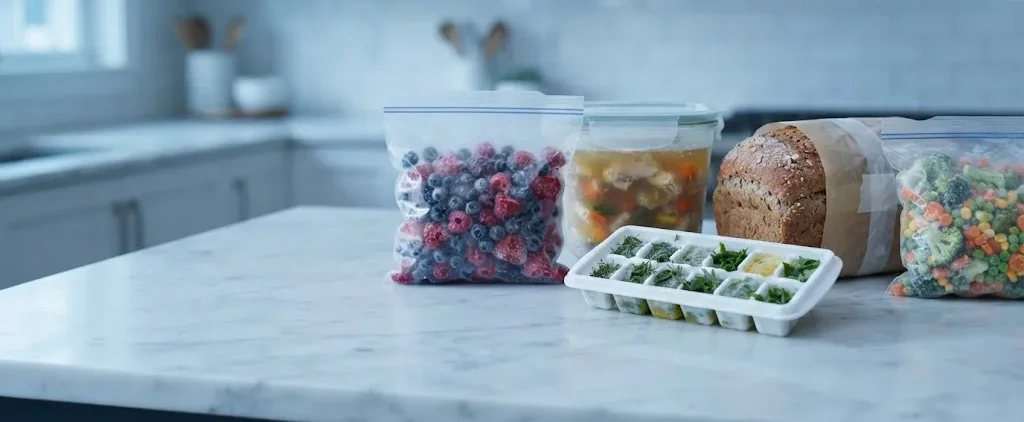
Yes, but freezing changes its texture significantly, making it mushy once thawed.
Why
Watermelon has an extremely high water content, about 92 percent. When you freeze watermelon, the water inside expands as it forms large ice crystals, which rupture the cell walls of the fruit. As a result, when the watermelon thaws, it loses its crisp, refreshing crunch and turns very soft and watery. While it is completely safe to eat after freezing, the drastic texture change means you cannot enjoy it fresh. It works wonderfully when pureed straight from frozen for smoothies, slushies, or frozen desserts, but serving it in fresh fruit salads is no longer ideal.
What freezing does to watermelon
- Texture: Turns extremely soft, mushy, and loses all of its original crisp crunch due to ruptured cell walls.
- Moisture: Releases a significant amount of watery juice as the ice crystals melt and the structure collapses.
Types of watermelon and how they freeze
- Seedless vs Seeded Watermelon: Seedless watermelon freezes much more easily because you do not have to spend time picking out numerous hard black seeds before cubing.
- Mini Watermelon: Mini varieties freeze with the exact same textural changes as standard large watermelons, but their smaller size makes them quicker to prep and slice.
How to freeze watermelon
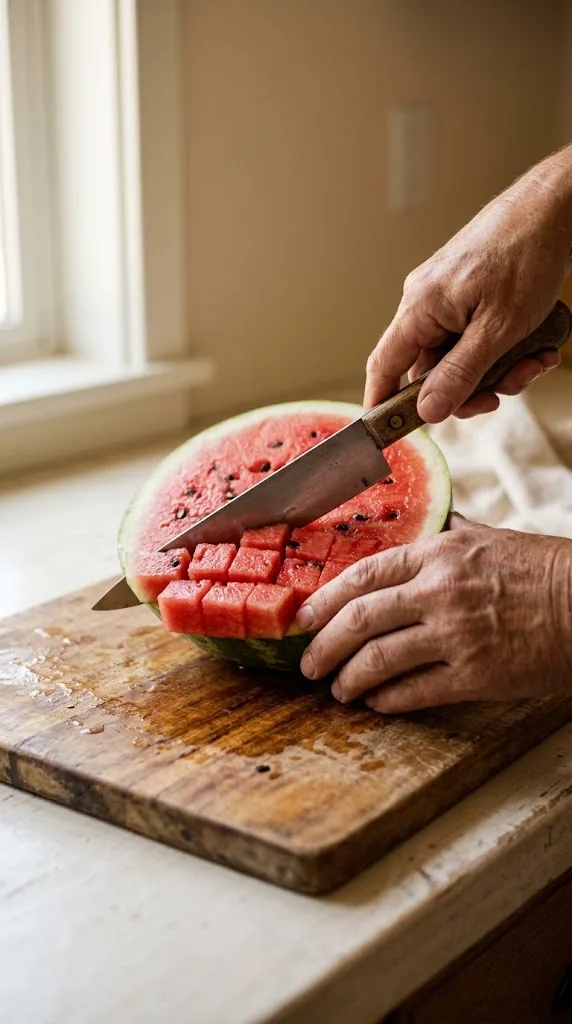
- Slice off the rind and cut the watermelon flesh into manageable chunks or cubes.
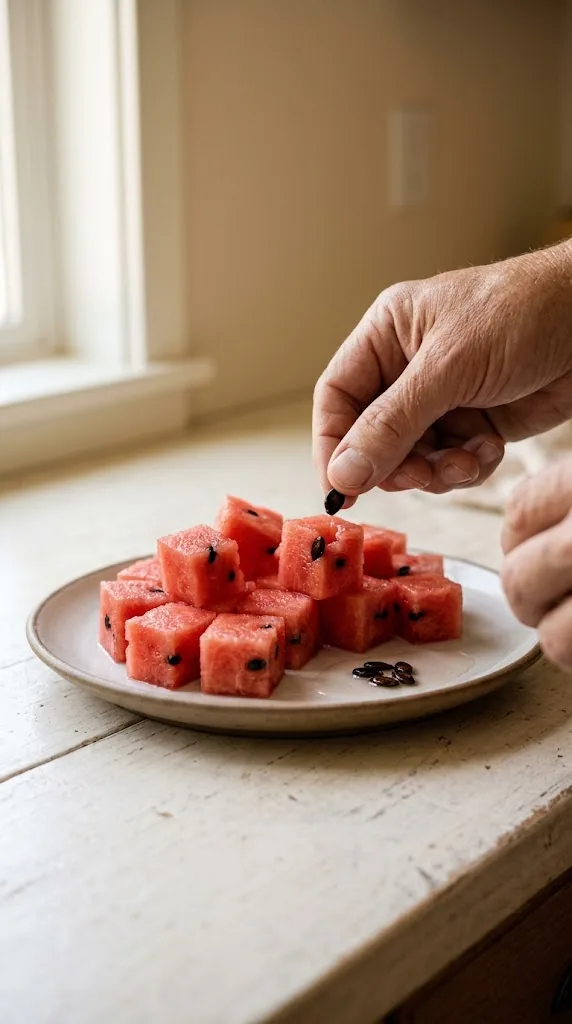
- Remove and discard all of the black seeds to improve the texture later.
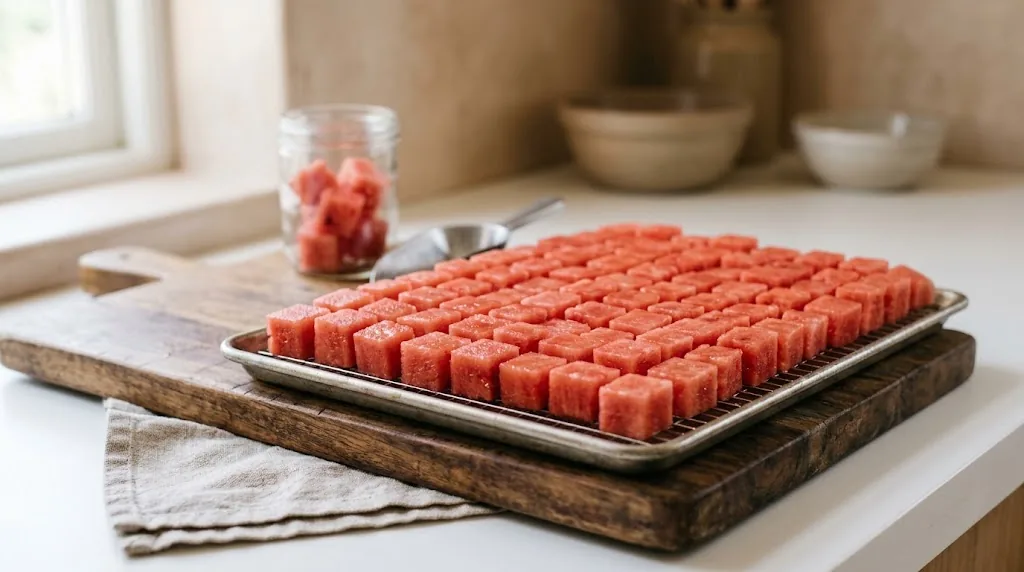
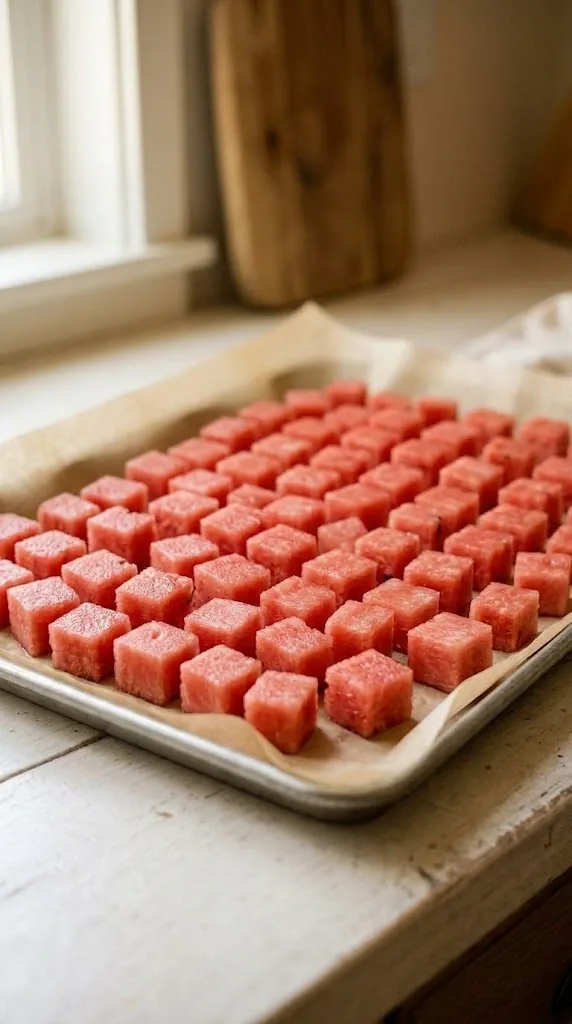
- Spread the watermelon pieces in a single layer on a parchment-lined baking sheet and flash freeze for two hours.
- Transfer the frozen chunks into heavy-duty freezer bags or airtight containers.
- Squeeze out as much air as possible, then seal securely.
- Label the bag with the date and freeze for up to 6 to 8 months.
Best containers for freezing watermelon
- Freezer bags: press out as much air as you can and freeze them flat so they stack and thaw faster.
- Airtight rigid containers: best for soft or liquid foods. Leave about 1/2 inch of headspace because food expands as it freezes.
- Sheet pan first: freeze pieces in a single layer for an hour or two, then bag them so they don’t clump together.
- Label everything: write the item and the date on every package.
For watermelon: Flash-freeze watermelon chunks in a single layer on a parchment-lined tray before transferring them to heavy-duty freezer bags to prevent them from freezing together into a solid block.
How to thaw watermelon
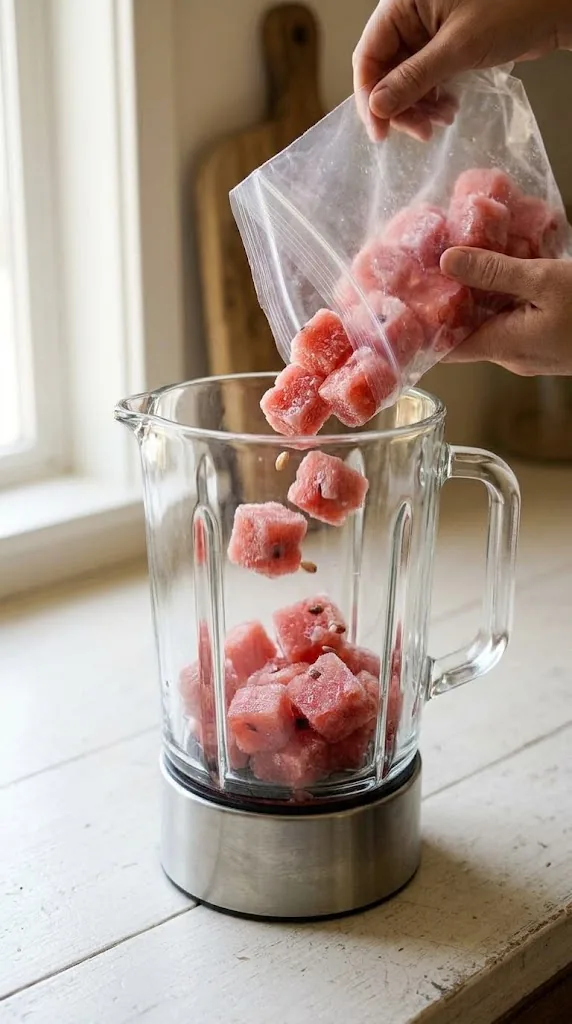
- Blend the frozen chunks directly into smoothies or frozen drinks without thawing.
- For slushies or popsicles, partially thaw in the refrigerator just until you can blend or mash it.
- Never thaw at room temperature on the counter, as this causes excessive juice loss and microbial risk.
Best ways to use frozen watermelon
- Great in blended smoothies, frozen cocktails, and homemade slushies
- Not for fresh fruit salads, garnishes, or raw snacking slices
Fixing the texture: There is no way to restore the original crisp crunch to thawed watermelon because the internal cell structure is permanently destroyed by ice expansion.
How long watermelon keeps
| Where | How long |
|---|---|
| Freezer (0°F / -18°C) | 6-8 months |
| Refrigerator (40°F / 4°C) | 3 to 4 days |
| Pantry / counter | up to a week |
Can you refreeze watermelon?
No, you should not refreeze watermelon after it has completely thawed. Once watermelon thaws, its cell walls are already permanently ruptured and releasing a large amount of water, so refreezing will only cause further severe degradation to its texture and flavor.
- Freeze watermelon in small, single-serving portions so you only thaw what you plan to use immediately.
- Blend frozen watermelon directly into smoothies or frozen drinks without thawing it first.
- If you must refreeze a dish containing thawed watermelon, ensure you cook it into a recipe first before freezing.
The rules for every food: Can you refreeze food after thawing?
Watch out for
- Thawed watermelon will be very mushy and cannot be served as fresh crunchy slices.
- Freezer burn can alter the delicate flavor if the fruit is not stored in airtight packaging.
- Do not refreeze watermelon after it has been fully thawed due to severe quality degradation.
Food safety notes
Always thaw frozen watermelon safely inside the refrigerator to prevent bacterial growth, and never refreeze it once it has completely thawed.
Other ways to keep watermelon
- Store whole watermelon at room temperature for up to a week, or in the refrigerator for up to two weeks.
- Refrigerate cut watermelon in an airtight container for up to 3 to 4 days.
- Dehydrate watermelon slices in a food dehydrator to make chewy fruit leather snacks.
Common questions
Can you freeze whole watermelon?
No, you cannot freeze a whole watermelon. The sheer size and high water content will cause it to crack and burst as the water expands during freezing. Always slice and cube the watermelon before placing it in the freezer.
Can I refreeze watermelon if it thaws?
It is not recommended to refreeze watermelon. Once thawed, the cell walls are already broken down and releasing water, so refreezing will only degrade the texture and flavor further.
How can I use thawed watermelon?
Thawed watermelon is best used in blended applications such as smoothies, popsicles, cocktails, or slushies. You can also puree it to make watermelon sorbet or infused water.
Can I freeze watermelon with the rind still attached?
It is best to slice off and discard the green rind before freezing. Rinds take up unnecessary freezer space and can become spongy and unpleasant when thawed.
Does frozen watermelon lose its sweetness?
The natural sugar content remains the same, but because the fruit releases so much watery juice upon thawing, the flavor can taste slightly more diluted compared to fresh watermelon.
Sources
- USDA FSIS: Freezing and Food Safety
- FoodSafety.gov: FoodKeeper storage times
- National Center for Home Food Preservation: Freezing
Freezer times are for best quality. Food kept at 0°F (-18°C) stays safe indefinitely, but always thaw it in the fridge, in cold water or in the microwave, never on the counter. When in doubt, throw it out. See the USDA freezing guide.