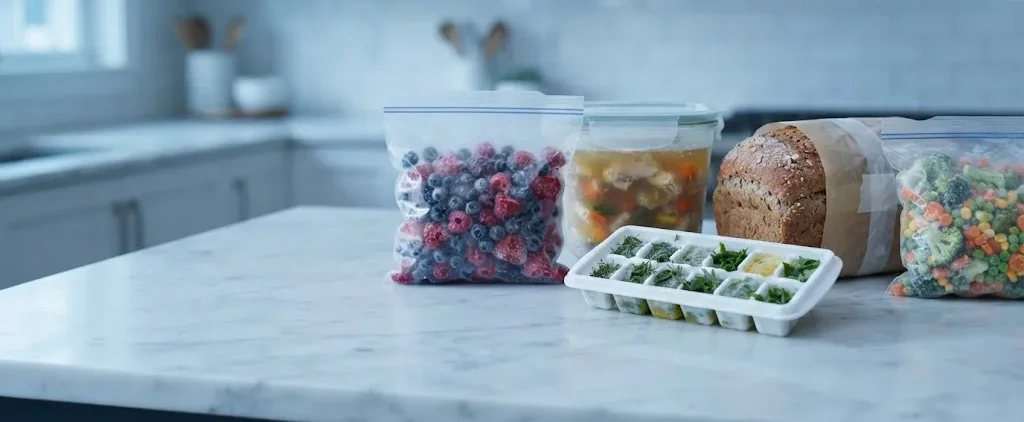
Yes, but bell peppers lose their crispness and become mushy when thawed, so they are best used in cooked dishes rather than raw salads.
Why
Bell peppers have a very high water content. When you freeze them, the water inside expands and forms large ice crystals that puncture the cell walls of the pepper. This structural breakdown means that once thawed, the pepper will be limp and soft. While this makes them completely unsuitable for raw crunch, they still hold up wonderfully in cooked recipes like stir-fries, soups, stews, and fajitas where texture is less critical than flavor.
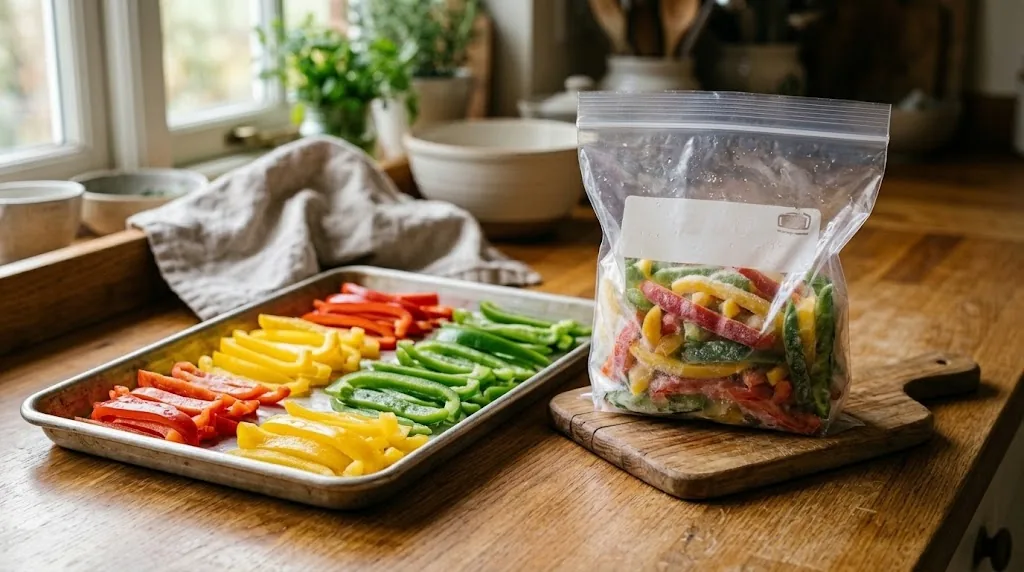
What freezing does to bell peppers
- Texture: Becomes limp, soft, and loses all raw crunch due to ice crystal damage.
- Flavor: Remains largely sweet and vibrant, though slight degradation can happen past ten months.
- Moisture: Releases a significant amount of liquid as the cell walls break down upon thawing.
Types of bell peppers and how they freeze
- Whole bell peppers: Can be frozen after coring and seeding, making them ideal for stuffing later, though they require more freezer space.
- Pre-sliced and diced peppers: Flash frozen on a baking sheet first, these pieces stay separated and are extremely convenient to grab by the handful for cooking.
- Roasted bell peppers: Roasting and peeling before freezing concentrates their sweet flavor and helps them blend seamlessly into sauces and spreads.
How to freeze bell peppers
- Wash the bell peppers thoroughly and pat them dry.
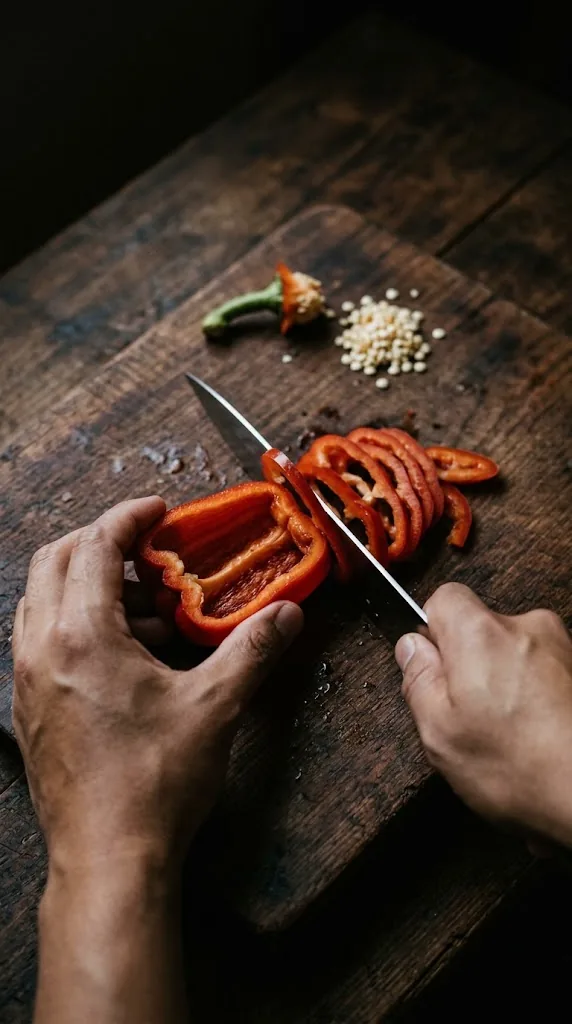
- Remove the stems, cores, and seeds, then slice, dice, or chop them to your preferred size.
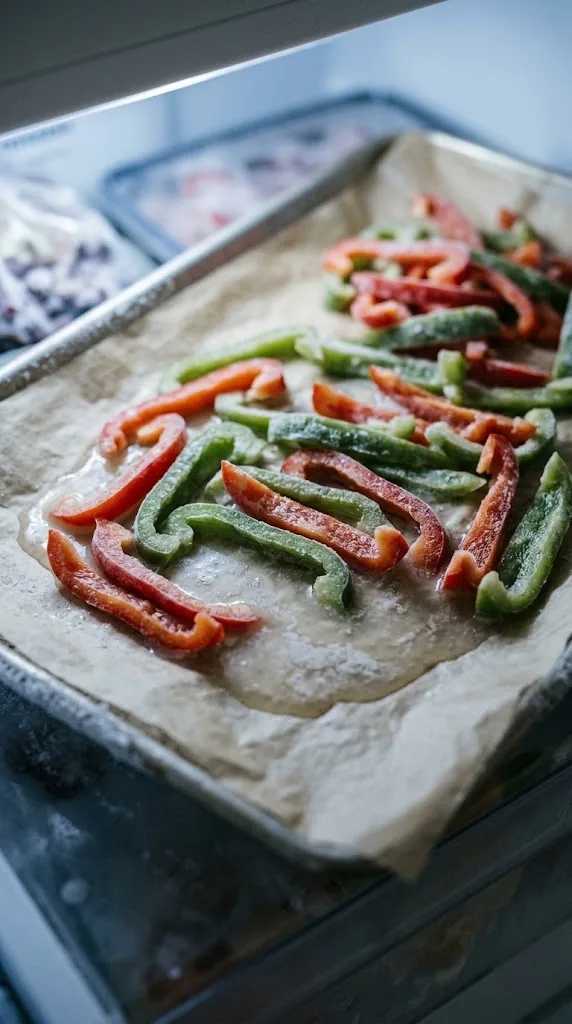
- Spread the pepper pieces in a single layer on a baking sheet and flash freeze for about two hours.
- Transfer the frozen pieces into heavy-duty freezer bags or airtight containers.
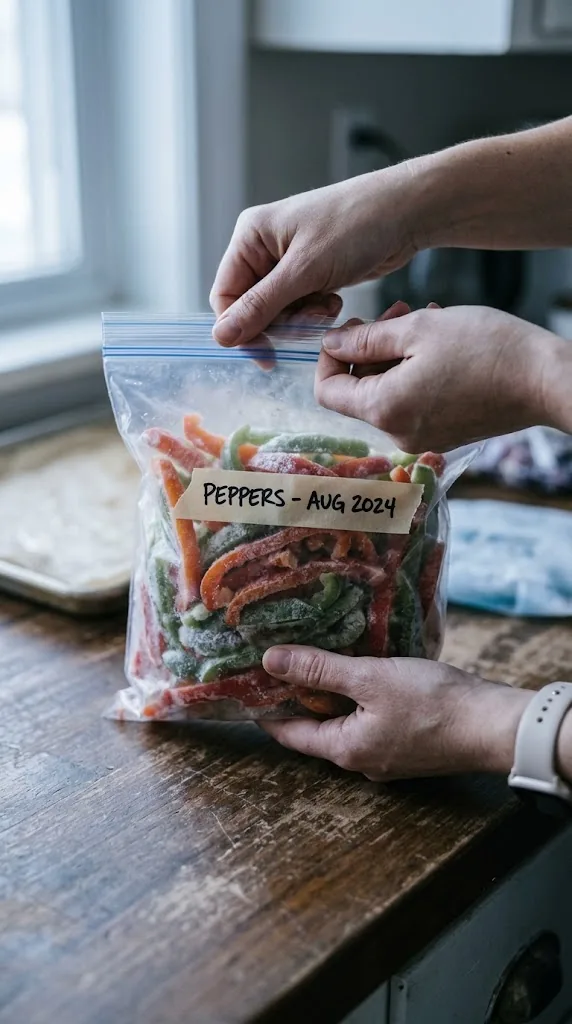
- Squeeze out as much excess air as possible, then seal, label with the date, and freeze.
Best containers for freezing bell peppers
- Freezer bags: press out as much air as you can and freeze them flat so they stack and thaw faster.
- Airtight rigid containers: best for soft or liquid foods. Leave about 1/2 inch of headspace because food expands as it freezes.
- Sheet pan first: freeze pieces in a single layer for an hour or two, then bag them so they don’t clump together.
- Label everything: write the item and the date on every package.
For bell peppers: Use heavy-duty freezer bags or airtight containers, pressing out as much air as possible to minimize frost buildup and freezer burn.
How to thaw bell peppers
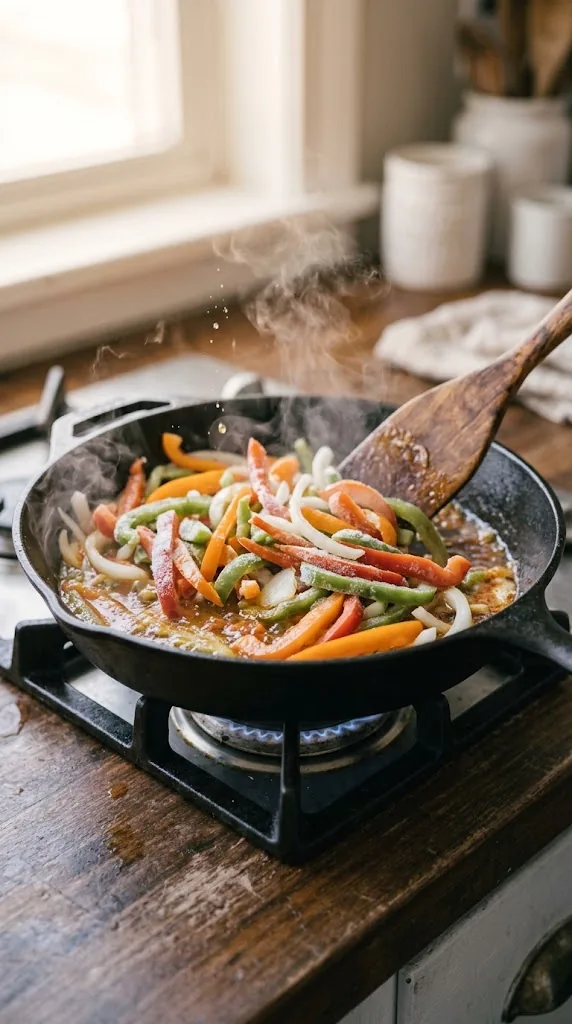
- Use bell peppers straight from the freezer without thawing for cooked dishes like soups and stir-fries.
- If using in a recipe that requires pre-thawing, transfer them to the refrigerator overnight.
- Drain any excess liquid from the thawed peppers before adding them to your dish.
How to reheat bell peppers
- Drop frozen pepper slices directly into hot pans for stir-fries or simmering soups without prior thawing.
- Ensure any cooked dishes containing frozen peppers are heated thoroughly until steaming hot throughout before serving.
Best ways to use frozen bell peppers
- Great in chili, fajitas, curries, and roasted vegetable medleys.
- Not suitable for fresh crudité platters, Greek salads, or crunchy sandwich toppings.
Fixing the texture: Drain excess water from thawed peppers in a colander before adding them to your recipe to avoid watering down your dish.
How long bell peppers keeps
| Where | How long |
|---|---|
| Freezer (0°F / -18°C) | 8-10 months |
| Refrigerator (40°F / 4°C) | 1-2 weeks for whole raw peppers, 3-5 days for cooked dishes |
| Pantry / counter | Not recommended for fresh peppers; short-term room temperature storage causes rapid softening |
Can you refreeze bell peppers?
Yes, you can refreeze bell peppers, provided they were safely thawed in the refrigerator and have not been left at room temperature for more than two hours. However, a second freeze will cause further degradation to their cellular structure, resulting in an even mushier texture and more water loss upon the next thaw.
- Cook the thawed peppers into a dish like a soup or stew before refreezing them.
- Freeze the peppers in small, usable portions so you only thaw what you need for a single recipe.
- Cool any cooked pepper dishes quickly in shallow containers and refrigerate within two hours before freezing.
The rules for every food: Can you refreeze food after thawing?
Watch out for
- Thawed bell peppers will be limp and watery, so do not plan to use them in salads or raw platters.
- Ensure your bags are completely airtight to prevent severe freezer burn and flavor loss.
- Do not thaw bell peppers on the counter at room temperature to avoid bacterial growth.
Food safety notes
Always thaw frozen peppers in the refrigerator overnight rather than on the counter to prevent harmful bacterial growth. Discard any thawed peppers that develop an off odor or slimy texture.
Other ways to keep bell peppers
- Store whole unwashed bell peppers in the crisper drawer of your refrigerator for up to one to two weeks.
- Sauté or roast the peppers before storing them in the refrigerator for a few days.
- Dehydrate pepper slices using a food dehydrator for long-term pantry storage.
Common questions
Do I need to blanch bell peppers before freezing?
No, blanching is not necessary for bell peppers. You can freeze them raw either as whole peppers or pre-sliced pieces without any blanching step.
Can I freeze whole bell peppers?
Yes, you can freeze whole bell peppers after washing and removing the core and seeds. They take up more space this way, but they are very easy to stuff and bake later once thawed.
Why did my frozen bell peppers turn bitter?
Bell peppers generally retain their flavor well, but improper packaging that leads to severe freezer burn can alter the taste. Ensure you use airtight freezer bags and use them within ten months for the best taste.
Can I freeze different colors of bell peppers together?
Yes, red, yellow, orange, and green bell peppers can all be frozen together using the exact same preparation method. They freeze equally well, though green peppers tend to have a slightly more bitter flavor profile.
Why do my frozen bell peppers taste watery after cooking?
Because freezing destroys the internal cell structure, peppers release a lot of internal moisture when heated. To fix this, cook them over slightly higher heat to evaporate the excess liquid quickly.
Sources
- USDA FSIS: Freezing and Food Safety
- FoodSafety.gov: FoodKeeper storage times
- National Center for Home Food Preservation: Freezing
Freezer times are for best quality. Food kept at 0°F (-18°C) stays safe indefinitely, but always thaw it in the fridge, in cold water or in the microwave, never on the counter. When in doubt, throw it out. See the USDA freezing guide.