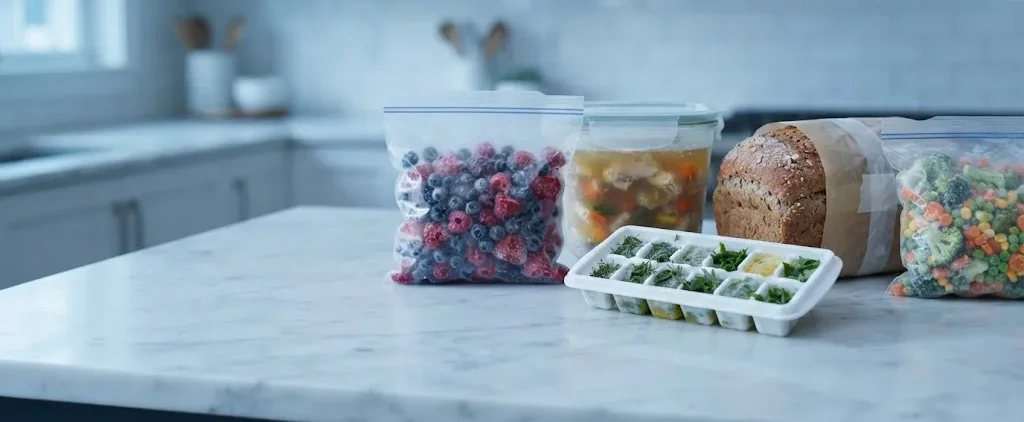
Yes, but you cannot freeze eggs in their shells because the liquid inside expands and the shells will crack.
Why
Freezing whole eggs in their shells causes the water inside to expand, which will crack the shell and create a messy, unsafe environment for bacteria. However, eggs freeze wonderfully if you crack them out of their shells first. Whole raw eggs can be frozen if the whites and yolks are lightly beaten together with a pinch of salt or sugar to prevent the yolks from becoming gelatinous. Separated whites and yolks can also be frozen individually with proper preparation.
What freezing does to eggs
- Texture: Raw egg yolks become thick, gelatinous, and clump together due to freezing temperatures.
- Moisture: Cooked egg whites release water upon thawing, turning watery, spongy, and rubbery.
Types of eggs and how they freeze
- Whole Blended Eggs: Must be mixed with a pinch of salt or sugar to prevent the yolks from turning permanently gelatinous.
- Egg Whites: Freeze and thaw exceptionally well on their own without needing any additives or special preparation.
- Egg Yolks: Require a higher ratio of salt or sugar mixed in to maintain a usable consistency after thawing.
How to freeze eggs
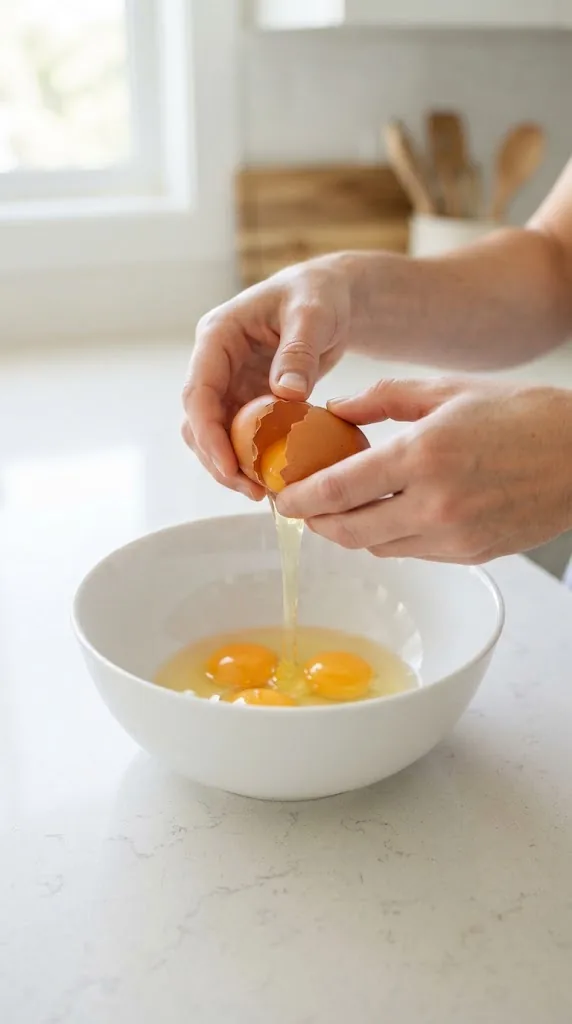
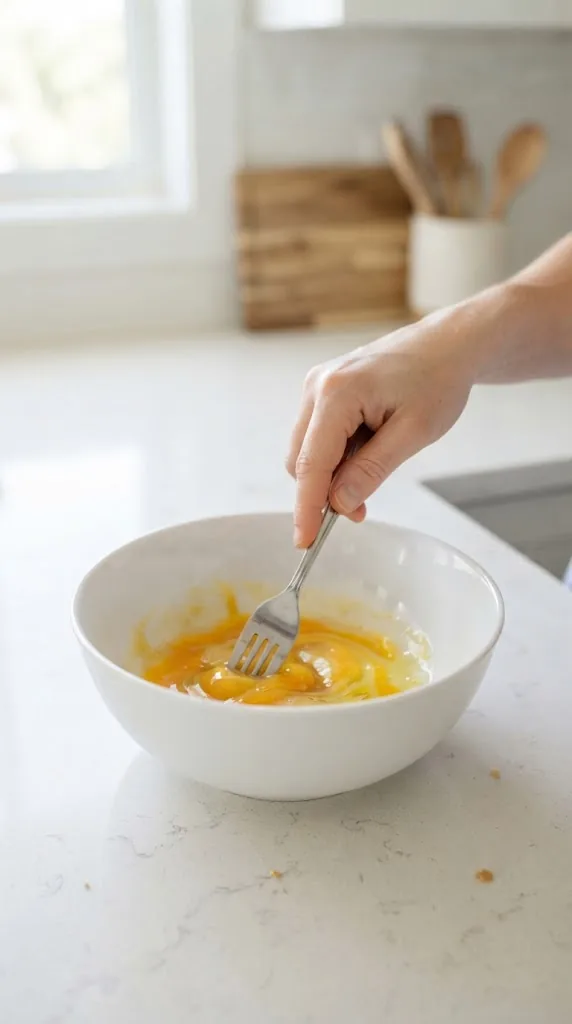
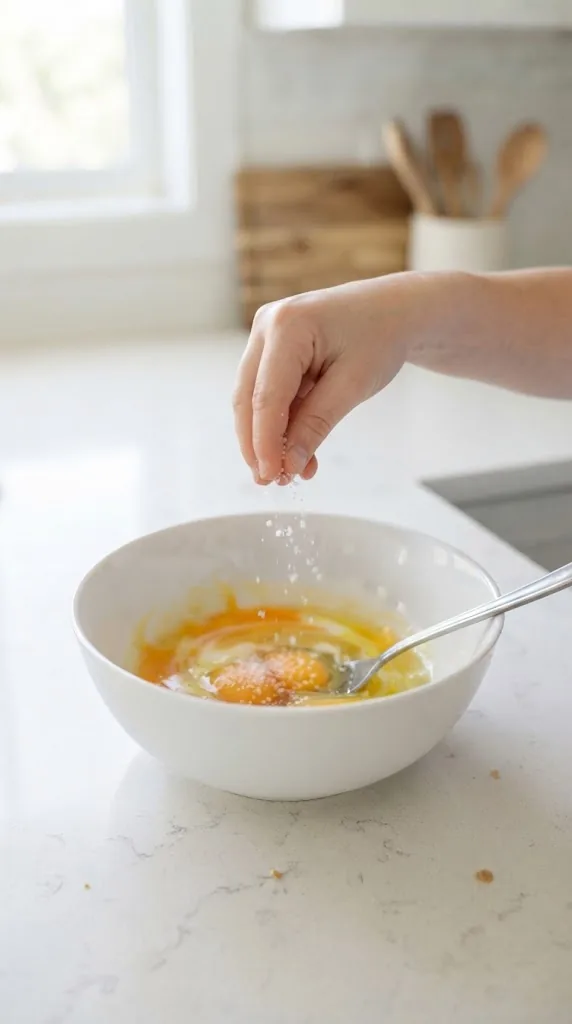
- Crack raw eggs into a clean bowl and whisk them just enough to blend the yolks and whites without incorporating too much air.
- Add a pinch of salt or sugar per cup of whole eggs if you plan to use them for savory or sweet dishes respectively, to prevent texture changes.
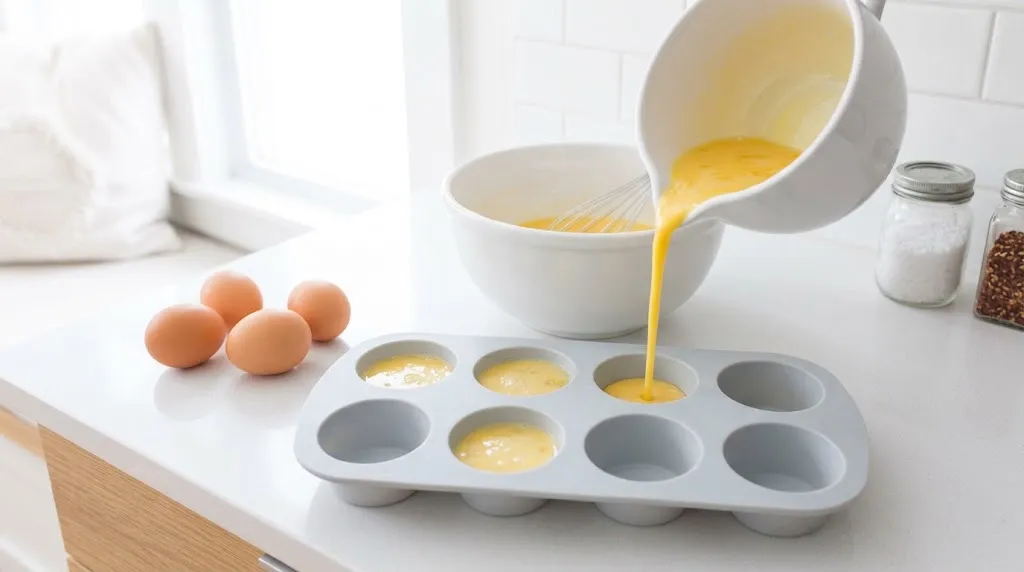
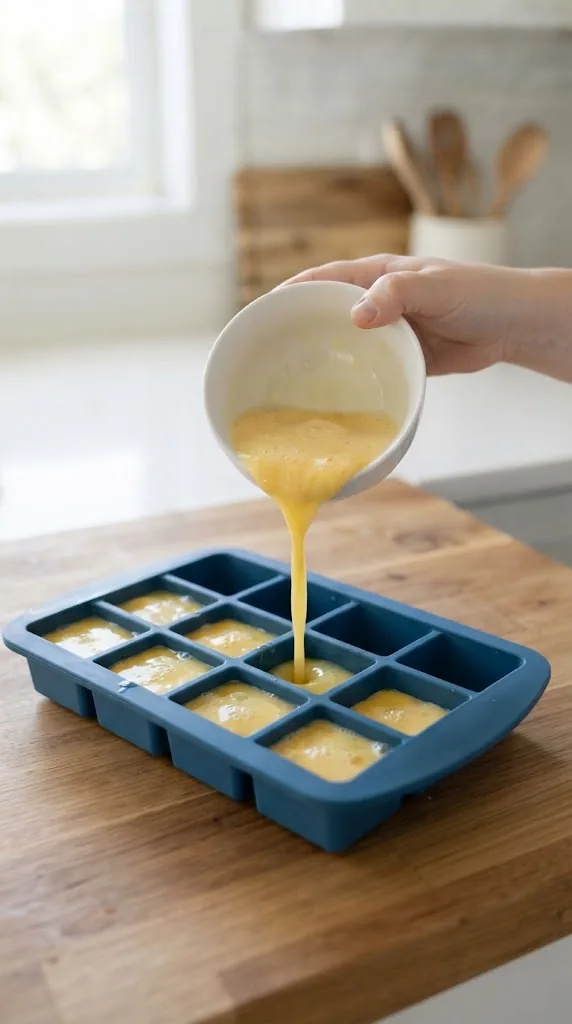
- Pour the beaten eggs into ice cube trays or small freezer-safe containers, leaving a little room for expansion.
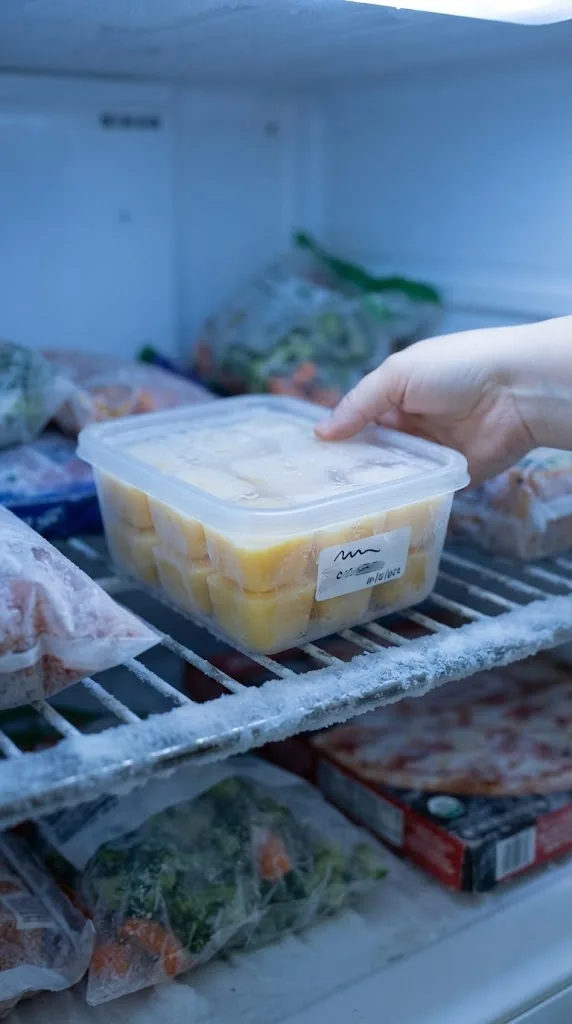
- Seal the containers tightly, label them with the date and the number of eggs, and place them in the freezer.
Best containers for freezing eggs
- Freezer bags: press out as much air as you can and freeze them flat so they stack and thaw faster.
- Airtight rigid containers: best for soft or liquid foods. Leave about 1/2 inch of headspace because food expands as it freezes.
- Sheet pan first: freeze pieces in a single layer for an hour or two, then bag them so they don’t clump together.
- Label everything: write the item and the date on every package.
For eggs: Pour beaten eggs into ice cube trays for easy portioning, leaving a small amount of headspace for liquid expansion.
How to thaw eggs
- Place the frozen egg containers in the refrigerator overnight to thaw safely.
- Alternatively, submerge sealed bags of frozen eggs in cold water, changing the water every 30 minutes until thawed.
- Use thawed eggs immediately in fully cooked dishes like scrambled eggs, quiches, or baked goods.
How to reheat eggs
- Whisk the thawed eggs thoroughly in a bowl to re-blend the whites and yolks.
- Pour the mixture into a greased skillet over medium-low heat.
- Stir continuously until the eggs are fully cooked and steaming hot.
Best ways to use frozen eggs
- Great in fluffy scrambled eggs and omelets
- Works well in quiches, casseroles, and frittatas
- Ideal for baking cakes, cookies, and muffins
- Not recommended for frying sunny-side up or poaching
Fixing the texture: Vigorously whisk the thawed eggs with a fork or wire whisk to break down any clumps caused by the freezing process.
How long eggs keeps
| Where | How long |
|---|---|
| Freezer (0°F / -18°C) | Up to 12 months |
| Refrigerator (40°F / 4°C) | 3 to 5 days for raw whole eggs |
| Pantry / counter | 3 to 5 weeks for fresh shell eggs |
Can you refreeze eggs?
No, you should not refreeze raw eggs once they have been fully thawed. Thawing and refreezing raw eggs will severely degrade their texture, making the yolks permanently gummy and clumpy.
- Freeze raw eggs in small portions so you only thaw what you need for a recipe.
- Cook leftover thawed eggs into a dish like a quiche or casserole before freezing the cooked meal.
The rules for every food: Can you refreeze food after thawing?
Watch out for
- Never freeze whole eggs in their shells, as the liquid expansion will crack the shell and risk contamination.
- Raw egg whites freeze well on their own, but raw egg yolks become thick and gelatinous unless mixed with salt or sugar.
- Never thaw eggs on the counter at room temperature due to the risk of bacterial growth.
- Do not refreeze eggs once they have been fully thawed.
Food safety notes
Thaw frozen eggs safely in the refrigerator overnight, and never leave them on the counter at room temperature to avoid bacterial growth.
Other ways to keep eggs
- Store fresh eggs in their carton in the main body of the refrigerator where temperature remains most stable.
- Hard-boil them to keep them ready for quick snacks or salads for up to one week.
- Pickle hard-boiled eggs in vinegar and spices for long-term refrigerator storage.
Common questions
Can you freeze hard-boiled eggs?
Not whole. Cooked egg whites turn rubbery and watery in the freezer, but cooked yolks freeze well for sprinkling over salads or other dishes.
Can you freeze raw egg whites without any additives?
Yes, raw egg whites freeze and thaw exceptionally well on their own without needing any salt or sugar added.
How many frozen eggs equal one fresh egg?
Generally, about 3 tablespoons of thawed blended whole egg is equivalent to one standard large fresh egg.
Can you freeze eggs in cartons?
No, you cannot freeze eggs in their cartons or shells because the liquid inside expands as it freezes and will crack the shells, creating a mess and exposing the eggs to bacteria.
What happens if you freeze whole eggs without salt or sugar?
The yolks will undergo a process called gelation, becoming so thick and gummy that they will remain lumpy and unusable even after being fully thawed and mixed.
Sources
- USDA FSIS: Freezing and Food Safety
- FoodSafety.gov: FoodKeeper storage times
- National Center for Home Food Preservation: Freezing
Freezer times are for best quality. Food kept at 0°F (-18°C) stays safe indefinitely, but always thaw it in the fridge, in cold water or in the microwave, never on the counter. When in doubt, throw it out. See the USDA freezing guide.