Yes, but freezing changes the texture of cream cheese, making it crumbly, grainy, and watery once thawed.
Why
Cream cheese has a high water and fat content. When frozen, the water separates from the fat and proteins, forming large ice crystals that ruin the smooth, creamy emulsion. Once thawed, the block will no longer spread smoothly or make a good dip. However, it remains safe to eat and works reasonably well if you plan to melt it into cooked dishes, baked goods, or casseroles where texture does not matter.
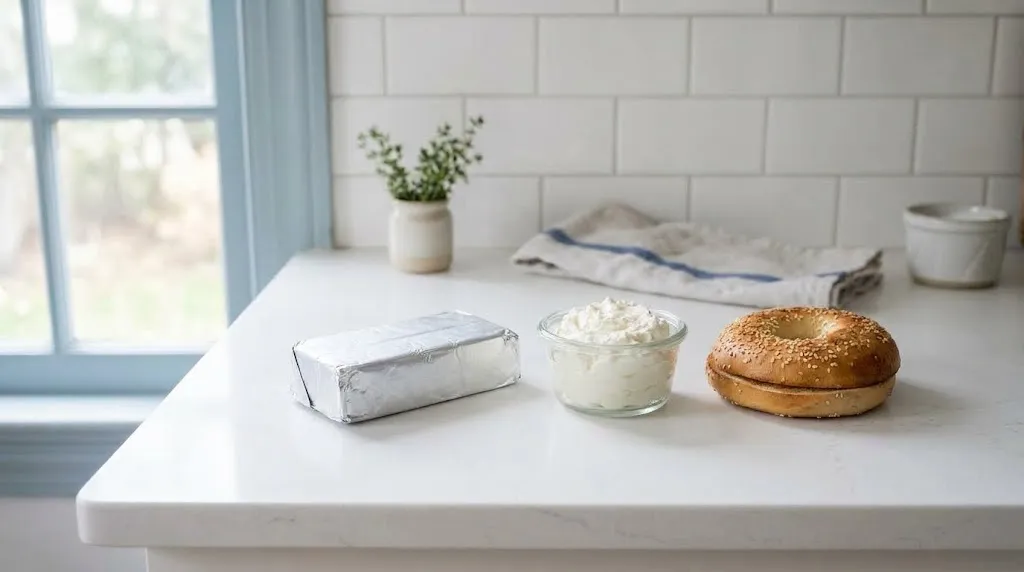
What freezing does to cream cheese
- Texture: Becomes grainy, crumbly, and separates into a watery mass.
- Flavor: May taste slightly more acidic or sharp due to the separation of dairy solids.
- Moisture: Pools excess liquid as ice crystals melt during the thawing process.
Types of cream cheese and how they freeze
- Full-fat block: Freezes best among all varieties because higher fat content helps maintain some integrity.
- Reduced-fat and light: Contains more water and less fat, leading to severe separation and an excessively watery texture.
- Whipped: Incorporate trapped air collapses during freezing, resulting in a dense, watery, and completely ruined texture.
How to freeze cream cheese
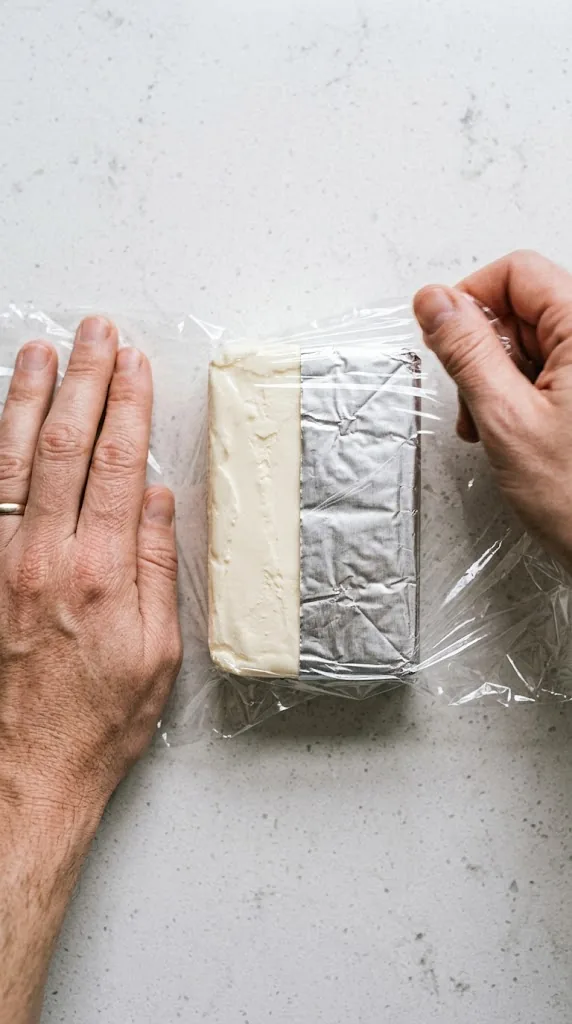
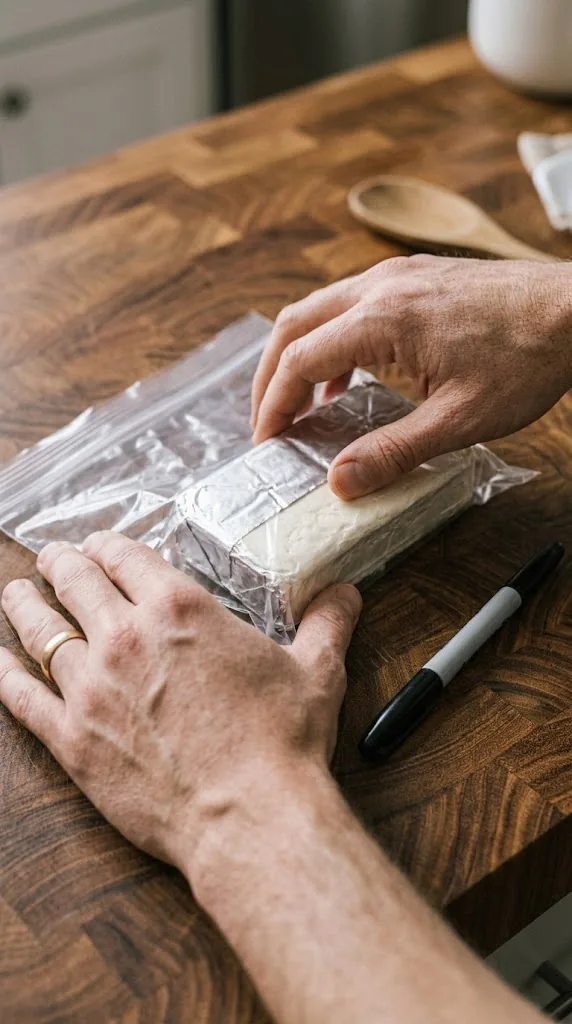
- Leave the cream cheese in its original foil packaging if unopened, or wrap an opened block tightly in plastic wrap.
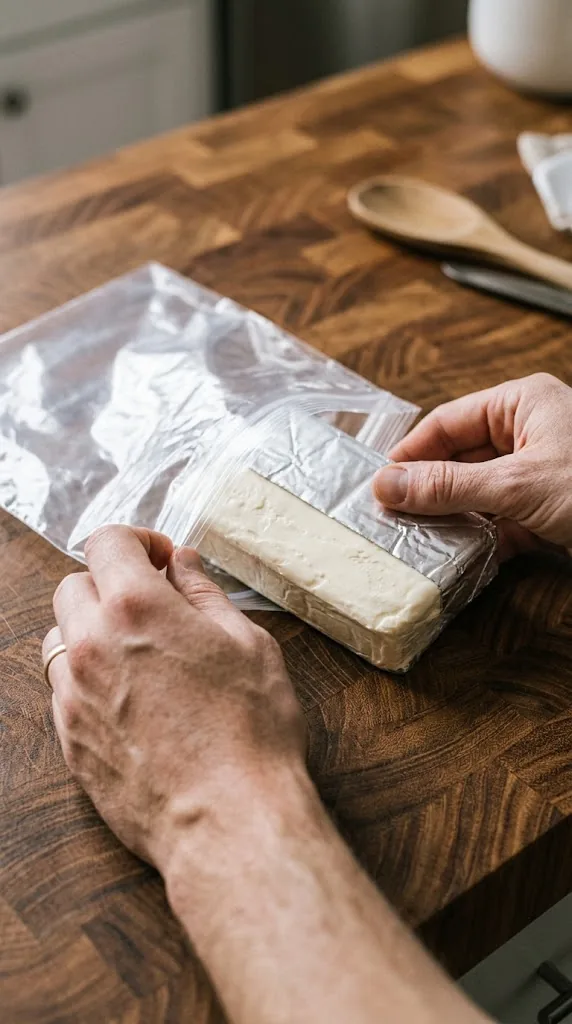
- Place the wrapped block inside a heavy-duty freezer bag to prevent freezer burn.
- Press out as much air as possible from the bag before sealing it tightly.
- Label the bag with the current date and the freezer life estimate.
Best containers for freezing cream cheese
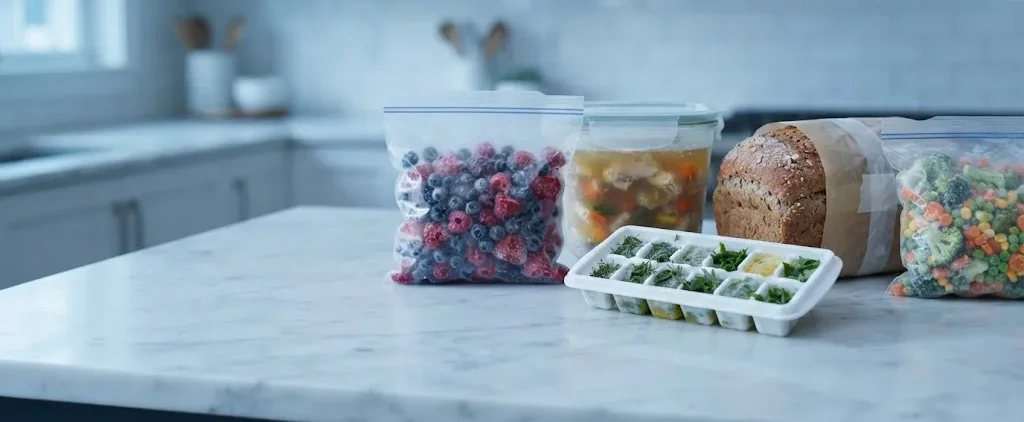
- Freezer bags: press out as much air as you can and freeze them flat so they stack and thaw faster.
- Airtight rigid containers: best for soft or liquid foods. Leave about 1/2 inch of headspace because food expands as it freezes.
- Sheet pan first: freeze pieces in a single layer for an hour or two, then bag them so they don’t clump together.
- Label everything: write the item and the date on every package.
For cream cheese: Keep unopened blocks in their original foil wrapper, then place them inside a heavy-duty freezer bag with excess air pressed out to prevent freezer burn.
How to thaw cream cheese
- Place the frozen cream cheese in the refrigerator and let it thaw slowly for 24 hours.
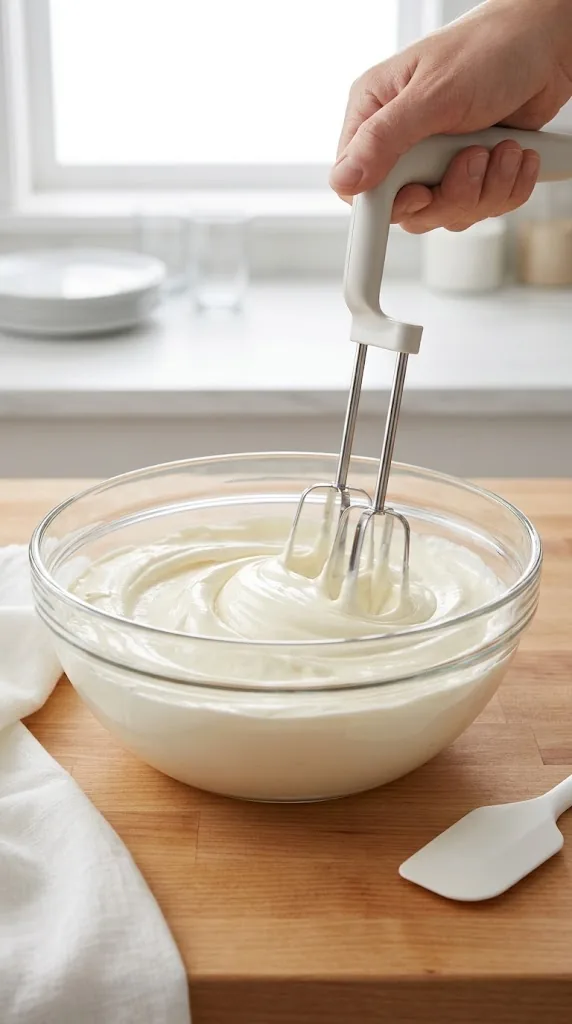
- Whisk or beat the thawed cream cheese vigorously with a hand mixer to help restore some of its smooth texture.
- Use the thawed cream cheese immediately in cooked recipes or baked goods.
How to reheat cream cheese
- Place the frozen or thawed cream cheese into a microwave-safe bowl.
- Heat in 15-second intervals on medium power, stirring frequently until warmed through and combined into your cooked recipe.
Best ways to use frozen cream cheese
- Great for melting into creamy pasta sauces and soups.
- Ideal for mixing into warm casseroles and dips.
- Not suitable for cold applications like frosting or spreading on bagels.
Fixing the texture: Drain off any separated liquid and beat the thawed cheese vigorously with an electric hand mixer while still chilled to restore some of its smoothness.
How long cream cheese keeps
| Where | How long |
|---|---|
| Freezer (0°F / -18°C) | 2 months |
| Refrigerator (40°F / 4°C) | 10 days after opening |
| Pantry / counter | Not recommended |
Can you refreeze cream cheese?
No, you should never refreeze cream cheese once it has been thawed. Freezing already compromises the delicate dairy emulsion, and a second freeze will completely ruin the texture, turning it into a severely separated, watery, and grainy mess.
- Freeze cream cheese in smaller portions so you only thaw what you need for a single recipe.
- If you cooked thawed cream cheese into a dish like a soup or casserole, that finished meal can be frozen.
- Always inspect thawed cream cheese for any unusual odors or signs of spoilage before discarding it safely.
The rules for every food: Can you refreeze food after thawing?
Watch out for
- The texture will become grainy, watery, and crumbly after thawing, so it is not suitable for spreading on bagels.
- Reduced-fat and whipped cream cheese separate even more, so freeze full-fat blocks when you can.
- Consume thawed cream cheese promptly and never refreeze it once it has been thawed.
Food safety notes
Thaw cream cheese safely in the refrigerator and never refreeze it once it has thawed. Discard any cream cheese left at room temperature for more than two hours.
Other ways to keep cream cheese
- Store unopened cream cheese in the coldest part of your refrigerator until the expiration date.
- Use leftover cream cheese to make pasta sauces, frosting, or savory stuffed chicken breasts.
- Buy smaller packages to reduce waste if you rarely finish a full block.
Common questions
Can I use thawed cream cheese for spreading on bagels?
It is not recommended because freezing destroys the smooth texture, leaving it grainy and crumbly. Use it instead for baking or cooked recipes.
Why is my thawed cream cheese watery?
The water separates from the fat during the freezing process. You can try draining excess liquid and beating the block with a mixer to smooth it out.
Can I freeze cream cheese frosting?
Yes, cream cheese frosting freezes surprisingly well because the high sugar and fat content help stabilize the texture. Store it in an airtight container for up to three months.
Can I freeze cream cheese that is already past its expiration date?
No, you should only freeze cream cheese while it is fresh and well before the expiration date. Freezing preserves quality, but it will not improve or make spoiled dairy safe to consume.
Can I freeze a block of cream cheese in its original cardboard box?
No, the outer cardboard box does not protect against moisture loss or freezer burn. Always keep the foil wrapper intact and add a layer of plastic wrap or a freezer bag.
Sources
- USDA FSIS: Freezing and Food Safety
- FoodSafety.gov: FoodKeeper storage times
- National Center for Home Food Preservation: Freezing
Freezer times are for best quality. Food kept at 0°F (-18°C) stays safe indefinitely, but always thaw it in the fridge, in cold water or in the microwave, never on the counter. When in doubt, throw it out. See the USDA freezing guide.