Yes, but freezing ricotta changes its texture significantly, making it grainy and watery once thawed.
Why
Ricotta cheese has a high moisture content. When frozen, the water inside separates from the milk solids and forms ice crystals. Upon thawing, these ice crystals melt and leave behind a watery, crumbly, and grainy texture that is unpleasant if eaten raw. However, you can still use thawed ricotta successfully in cooked or baked dishes where the texture change gets masked.
What freezing does to ricotta
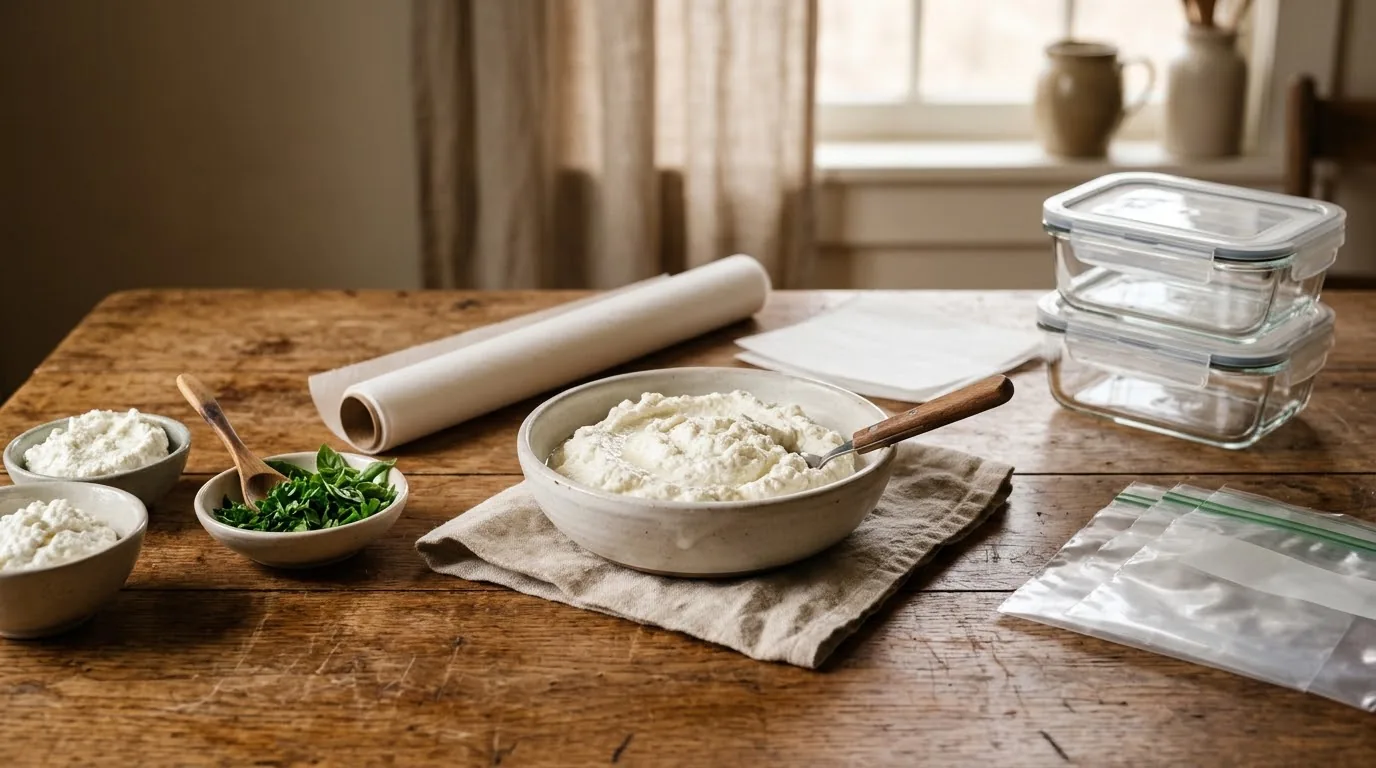
- Texture: Becomes significantly more grainy, crumbly, and watery as ice crystals form and melt.
- Flavor: May taste slightly more watery or muted due to the separation of moisture and milk solids.
Types of ricotta and how they freeze
- Full-fat ricotta: Freezes better than low-fat or skim varieties because higher fat content helps preserve a slightly smoother consistency.
- Low-fat and skim ricotta: Contain more water and less fat, resulting in a much grainier and more watery texture upon thawing.
How to freeze ricotta
- Stir the ricotta well to evenly distribute any separated liquid before freezing.
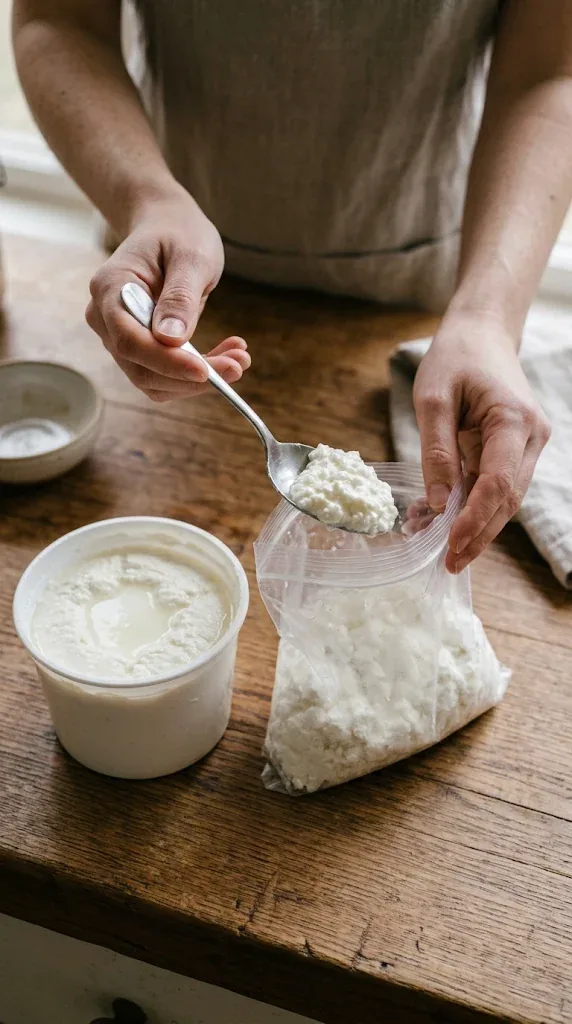
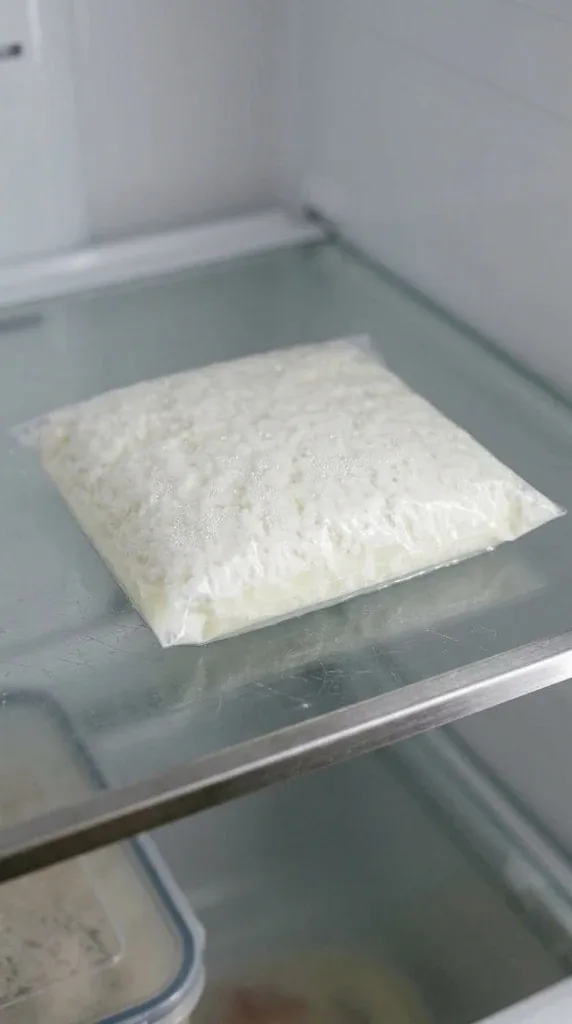
- Spoon the ricotta into airtight freezer-safe containers or heavy-duty freezer bags.
- Press plastic wrap directly onto the surface of the ricotta if using a container to prevent freezer burn.
- Squeeze out excess air from freezer bags and seal them tightly.
- Label the container with the date and freeze for up to 2 months.
Best containers for freezing ricotta
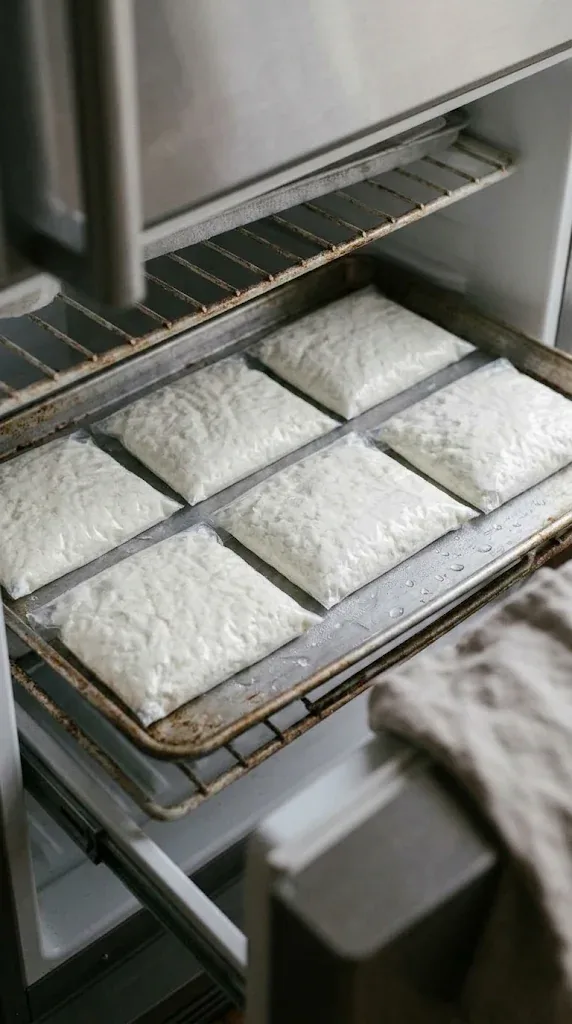
- Freezer bags: press out as much air as you can and freeze them flat so they stack and thaw faster.
- Airtight rigid containers: best for soft or liquid foods. Leave about 1/2 inch of headspace because food expands as it freezes.
- Sheet pan first: freeze pieces in a single layer for an hour or two, then bag them so they don’t clump together.
- Label everything: write the item and the date on every package.
For ricotta: Spoon ricotta into heavy-duty freezer bags or airtight rigid containers, pressing plastic wrap directly onto the surface to prevent moisture loss and freezer burn.
How to thaw ricotta
- Place the frozen ricotta in the refrigerator for 24 hours to thaw slowly.
- Drain any excess liquid that has pooled in the container after thawing.
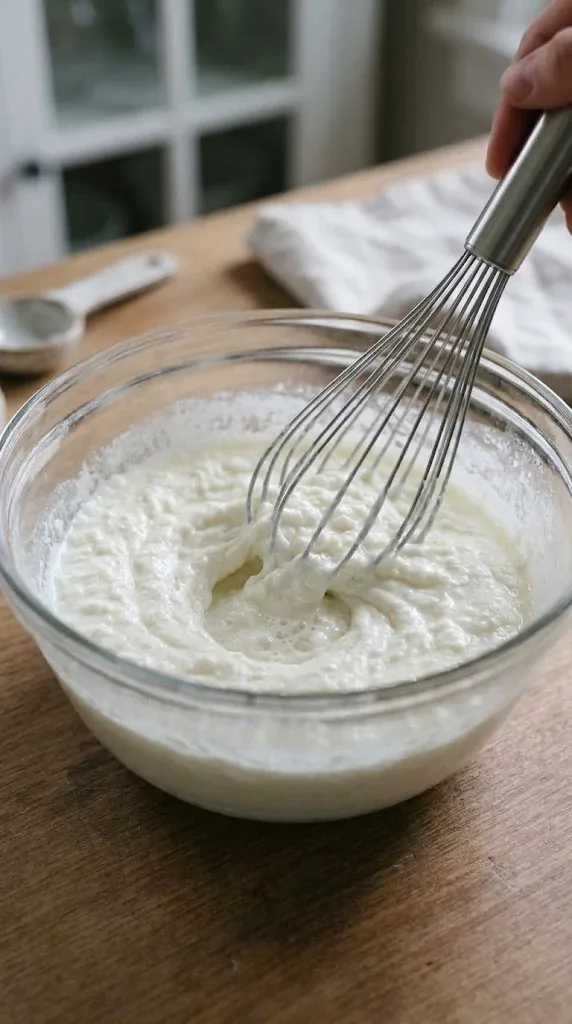
- Stir or whip the thawed ricotta vigorously with a whisk or spoon to help restore some of its smooth texture.
Best ways to use frozen ricotta
- Great in baked dishes like lasagna, manicotti, and casseroles where texture changes are masked
- Works well blended into pancake batters or baked goods
- Not suitable for spreading on toast, serving fresh in salads, or making pastry fillings like cannoli cream
Fixing the texture: Drain any pooled liquid after thawing and vigorously whip the ricotta with a splash of heavy cream or blend it in a food processor to help restore smoothness.
How long ricotta keeps
| Where | How long |
|---|---|
| Freezer (0°F / -18°C) | 1-2 months |
| Refrigerator (40°F / 4°C) | Up to 1 week after opening |
| Pantry / counter | Not recommended |
Can you refreeze ricotta?
No, you should not refreeze ricotta once it has been thawed. Doing so will cause further separation of the moisture and milk solids, resulting in an even more watery, grainy, and unpalatable texture that ruins the cheese.
- Freeze ricotta in smaller portions so you only thaw what you need for a single recipe.
- Cook or bake the thawed ricotta into a dish like lasagna before freezing the finished meal.
- Portion the cheese into airtight containers or heavy-duty freezer bags to prevent quality loss.
The rules for every food: Can you refreeze food after thawing?
Watch out for
- Expect a watery and grainy texture after thawing, which makes it unsuitable for spreading or serving fresh.
- Never thaw ricotta on the counter at room temperature because harmful bacteria can multiply rapidly in dairy products.
- Do not refreeze ricotta once it has been thawed.
Food safety notes
Thaw frozen ricotta safely in the refrigerator for 24 hours and never at room temperature to prevent rapid bacterial growth. Do not refreeze ricotta once it has been thawed.
Other ways to keep ricotta
- Store unopened ricotta in the refrigerator until the use-by date.
- Transfer opened ricotta to an airtight container and keep it in the coldest part of the fridge for up to a week.
- Bake the ricotta into a quiche or casserole immediately to use it up.
Common questions
Can you freeze store-bought ricotta in its original plastic tub?
It is best not to freeze ricotta in its original plastic tub because these containers are not airtight enough to prevent freezer burn and can crack. Transfer the cheese to a heavy-duty freezer bag or a dedicated freezer-safe container.
How can I fix grainy ricotta after thawing?
You can improve the texture by blending the thawed ricotta in a food processor or whisking it vigorously with a splash of milk or heavy cream. Alternatively, use it exclusively in cooked dishes like lasagna where the graininess will not be noticed.
How do I know if frozen ricotta has gone bad?
If thawed ricotta develops a sour odor, dark mold spots, or a slimy texture, it should be discarded immediately. Rely on your senses rather than just the storage time to determine if it is safe to eat.
Can I freeze homemade ricotta?
Yes, homemade ricotta can be frozen using the same methods as store-bought varieties, though it tends to have an even higher moisture content and may separate more severely upon thawing.
Does freezing ricotta affect its melting ability in cooked recipes?
Thawed ricotta does not melt smoothly into sauces due to the protein breakdown caused by freezing, but it incorporates well into dense baked mixtures and casseroles.
Sources
- USDA FSIS: Freezing and Food Safety
- FoodSafety.gov: FoodKeeper storage times
- National Center for Home Food Preservation: Freezing
Freezer times are for best quality. Food kept at 0°F (-18°C) stays safe indefinitely, but always thaw it in the fridge, in cold water or in the microwave, never on the counter. When in doubt, throw it out. See the USDA freezing guide.