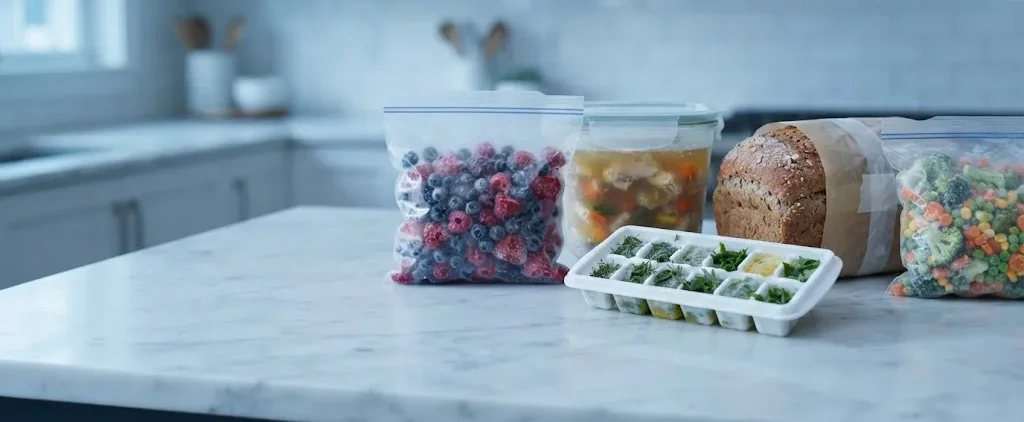
Yes, you can freeze scallops successfully.
Why
Scallops freeze very well because they have a naturally lean and firm flesh. When you freeze them properly, ice crystals form inside the muscle tissue without destroying the delicate texture too much. However, because they have a high water content, wrapping them tightly to prevent moisture loss is essential to avoid freezer burn and rubbery texture changes. Keeping them at a steady zero degrees Fahrenheit ensures they maintain their sweet, ocean-fresh flavor for months.
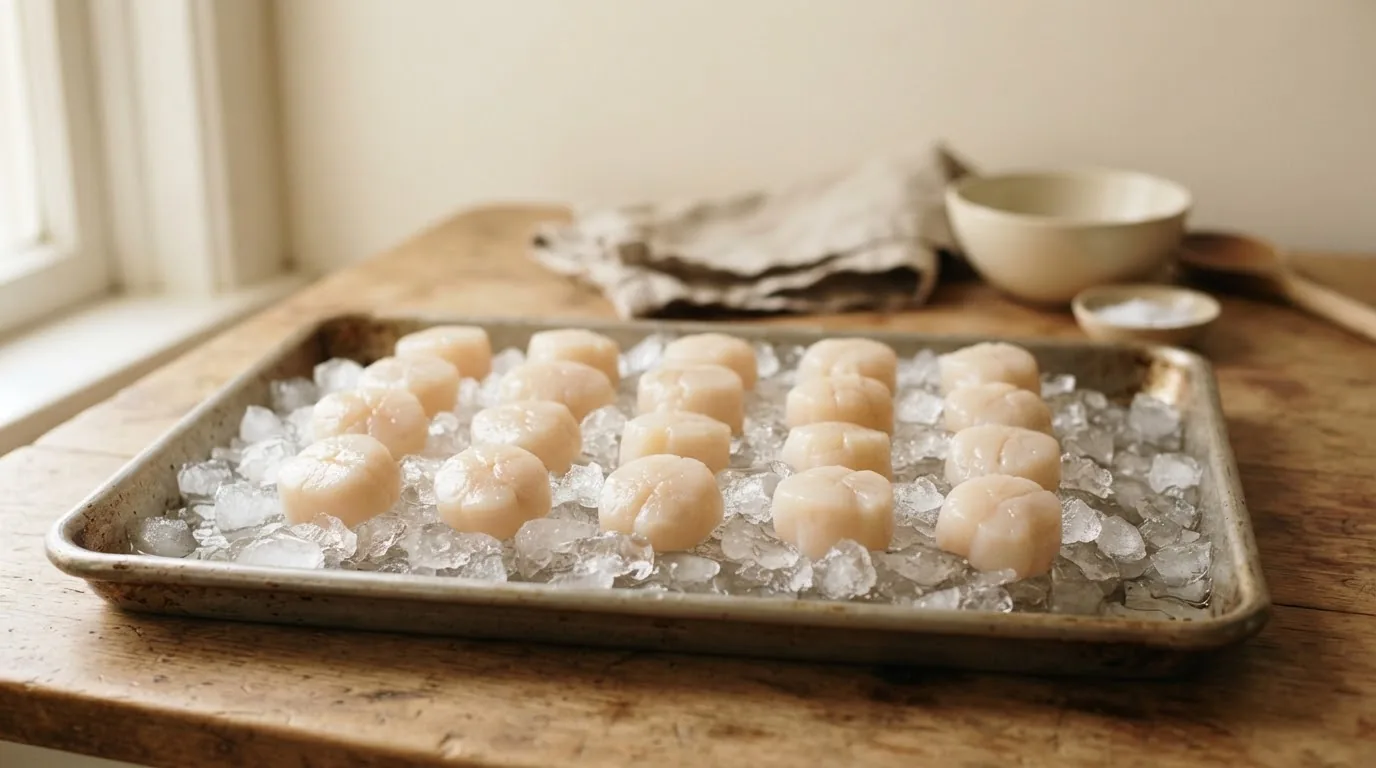
What freezing does to scallops
- Texture: Can become slightly firmer or chewier compared to fresh, especially if exposed to moisture loss during storage.
- Flavor: Generally remains sweet and ocean-fresh if properly wrapped, though mild degradation can occur over extended periods.
- Moisture: Loses some natural juices upon thawing, which can make the flesh slightly drier if overcooked.
Types of scallops and how they freeze
- Sea Scallops: These larger scallops freeze well when flash-frozen individually, but they require thorough drying to prevent ice crystal buildup on the surface.
- Bay Scallops: Because of their smaller size, bay scallops freeze exceptionally well in batches and are ideal for incorporation into soups and chowders after thawing.
- Breaded Scallops: Pre-breaded or fried frozen scallops should be baked straight from frozen on a wire rack rather than thawed to maintain a crisp coating.
How to freeze scallops
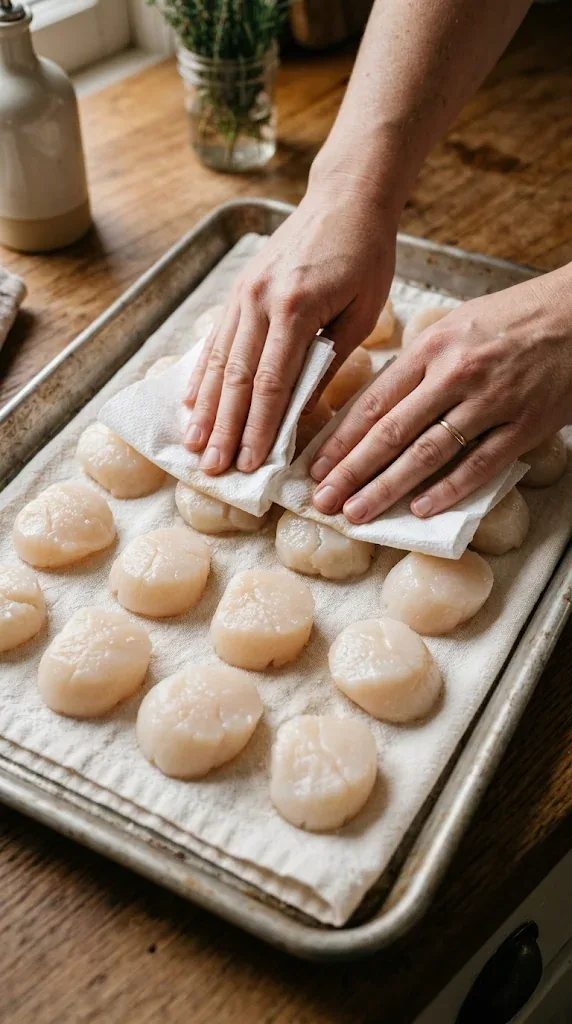
- Rinse fresh scallops in cold water and pat them thoroughly dry with paper towels.
- Remove any remaining tough side muscle or beard from sea scallops.
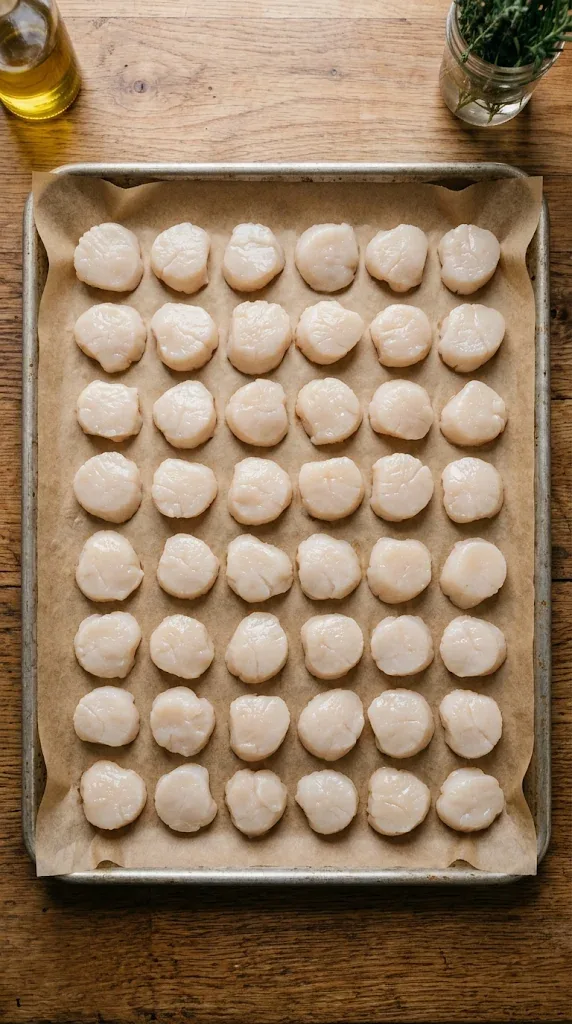
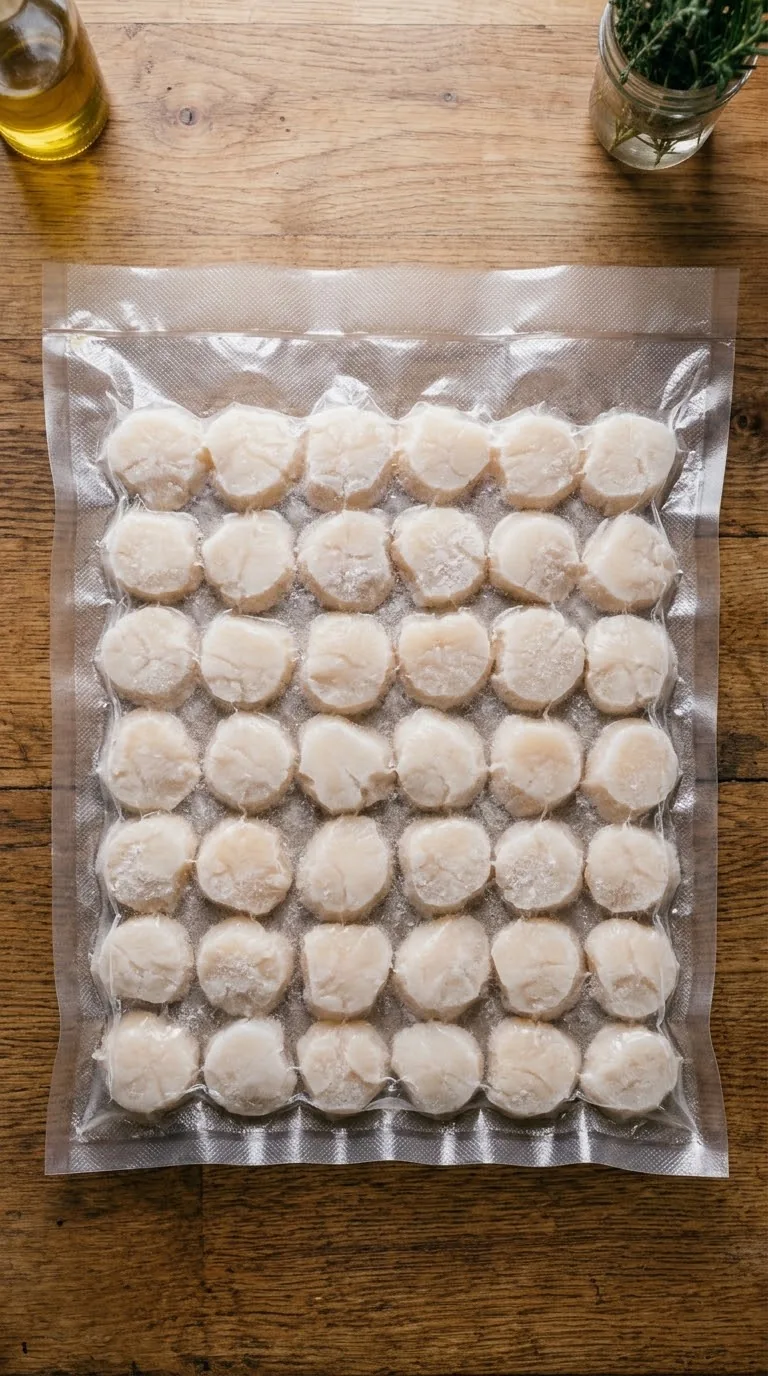
- Place the scallops on a parchment-lined baking sheet and flash freeze them for one hour until solid.
- Transfer the flash-frozen scallops into heavy-duty freezer bags or vacuum-seal bags.
- Squeeze out as much air as possible before sealing the bag tightly.
- Label the bag with the current date and use within the recommended time frame.
Best containers for freezing scallops
- Freezer bags: press out as much air as you can and freeze them flat so they stack and thaw faster.
- Airtight rigid containers: best for soft or liquid foods. Leave about 1/2 inch of headspace because food expands as it freezes.
- Sheet pan first: freeze pieces in a single layer for an hour or two, then bag them so they don’t clump together.
- Label everything: write the item and the date on every package.
For scallops: Flash-freeze scallops on a parchment-lined baking sheet before transferring them to heavy-duty freezer bags or vacuum-seal bags to prevent them from sticking together into a solid block.
How to thaw scallops
- Place the frozen scallops in the refrigerator overnight to thaw slowly.
- Alternatively, submerge the sealed bag in cold tap water, changing the water every thirty minutes until thawed.
- Cook the thawed scallops immediately after defrosting.
How to reheat scallops
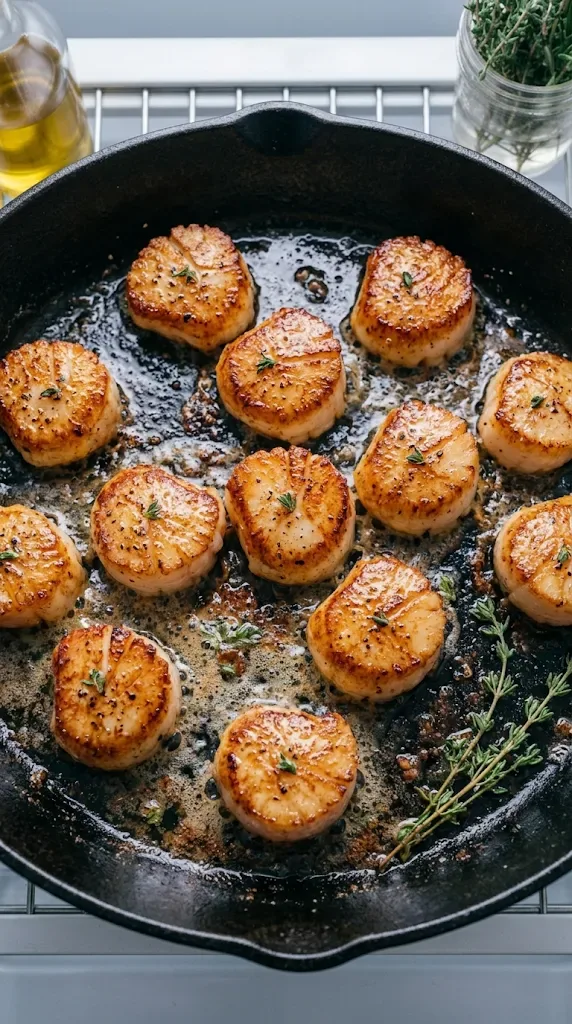
- Pat the thawed scallops completely dry with paper towels to ensure a good sear.
- Heat a skillet over medium-high heat with a small amount of oil or butter.
- Cook the scallops for 1 to 2 minutes per side until opaque and heated through, reaching an internal temperature of 145°F for food safety.
Best ways to use frozen scallops
- Great in seafood chowders, bisques, and creamy pasta sauces
- Works well in baked casseroles with rich butter or garlic sauces
- Not recommended for delicate raw crudos after freezing due to texture changes
Fixing the texture: Pat thawed scallops thoroughly dry with paper towels to remove excess surface moisture before cooking, which helps achieve a proper sear despite minor texture softening.
How long scallops keeps
| Where | How long |
|---|---|
| Freezer (0°F / -18°C) | 3-4 months |
| Refrigerator (40°F / 4°C) | 1-2 days |
| Pantry / counter | Not recommended |
Can you refreeze scallops?
Yes, you can refreeze scallops only if they were thawed safely in the refrigerator and have not been left at room temperature for more than two hours. However, refreezing them will cause a significant decline in quality, making the flesh much tougher and rubbery.
- Cook or bake the scallops into a dish before refreezing to help preserve their texture better.
- Freeze scallops in small portions so you only thaw what you need for a single meal.
- Cool any cooked scallop dishes quickly in shallow containers and refrigerate within two hours before freezing.
The rules for every food: Can you refreeze food after thawing?
Watch out for
- Do not thaw scallops at room temperature or in warm water, as this encourages bacterial growth.
- Avoid refreezing scallops once they have been fully thawed.
- Watch out for freezer burn, which causes dry, spongy patches on the meat.
Food safety notes
Always thaw frozen scallops safely in the refrigerator overnight or submerged in cold tap water, and never refreeze them unless they were thawed in the refrigerator and handled under strict sanitary conditions.
Other ways to keep scallops
- Keep fresh scallops in the coldest part of your refrigerator for up to two days.
- Cook the scallops into a seafood chowder or casserole that freezes well.
- Cure or pickle the fresh scallops for a unique preservation method.
Common questions
Can I freeze cooked scallops?
Yes, you can freeze cooked scallops, though their texture may become slightly firmer or chewier when reheated. Store them in an airtight container with some of their cooking sauce or broth to keep them from drying out in the freezer.
How can I tell if frozen scallops have gone bad?
Check for a strong, sour, or ammonia-like odor when thawed, along with a slimy texture on the surface. If you notice any of these signs of spoilage, discard the scallops immediately.
Can I refreeze thawed scallops?
You should only refreeze scallops if they were thawed safely in the refrigerator and have not been left at room temperature. However, refreezing will cause a noticeable decline in quality and texture.
Can I freeze scallops in their original store packaging?
Most store-bought plastic trays and thin wraps are not airtight enough for long-term freezing and can lead to freezer burn. It is best to unwrap the scallops, pat them dry, and repackage them in heavy-duty freezer bags or vacuum-seal bags.
Why do my frozen scallops taste rubbery after cooking?
Scallops become rubbery when they lose too much moisture during freezing or when they are overcooked in the pan. To prevent this, wrap them tightly to lock in moisture and cook them very quickly over high heat once thawed.
Sources
- USDA FSIS: Freezing and Food Safety
- FoodSafety.gov: FoodKeeper storage times
- National Center for Home Food Preservation: Freezing
Freezer times are for best quality. Food kept at 0°F (-18°C) stays safe indefinitely, but always thaw it in the fridge, in cold water or in the microwave, never on the counter. When in doubt, throw it out. See the USDA freezing guide.