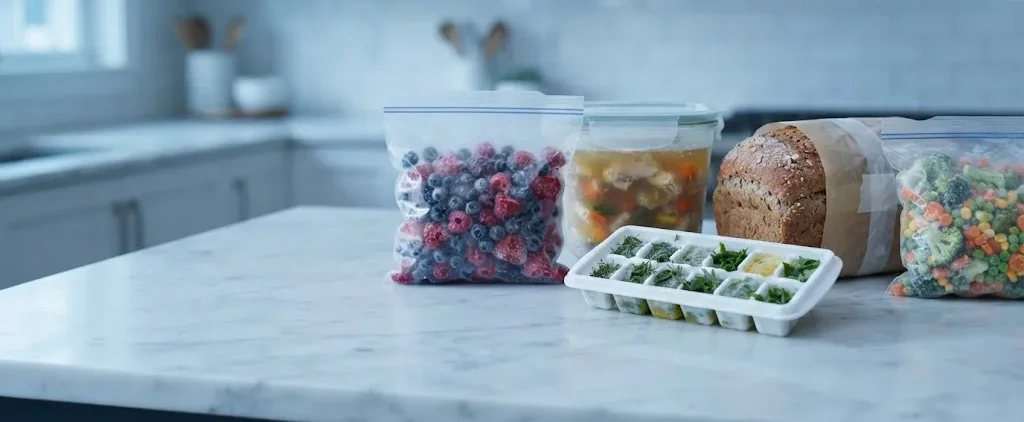
Yes, you can freeze shrimp very easily, whether they are raw or cooked, shelled or in their shells.
Why
Shrimp have a high water content, but because they are small and firm, they freeze exceptionally well when properly packaged to prevent moisture loss. Freezing pauses bacterial growth and preserves their delicate texture and sweet flavor. To maintain the best quality, it is essential to protect them from air exposure in the freezer, which can cause freezer burn and dry out the delicate flesh over time.
What freezing does to shrimp
- Texture: Can become slightly firmer or chewier if overcooked after thawing due to moisture loss.
- Flavor: May lose a fraction of its natural sweetness if stored near the upper limit of the freezer timeline.
- Moisture: Loses minimal internal water when properly vacuum-sealed or protected by the shell.
Types of shrimp and how they freeze
- Raw Head-On Shrimp: These freeze very well because the head and shell protect the delicate meat, but they should be cleaned and used quickly after thawing.
- Breaded Shrimp: Store-bought or homemade breaded shrimp can be frozen directly on a tray, though the coating may become slightly softer during reheating.
- Cooked Shrimp: Cooked shrimp freezes with a higher risk of turning rubbery, so they are best reserved for cold dishes like salads rather than hot cooking.
How to freeze shrimp
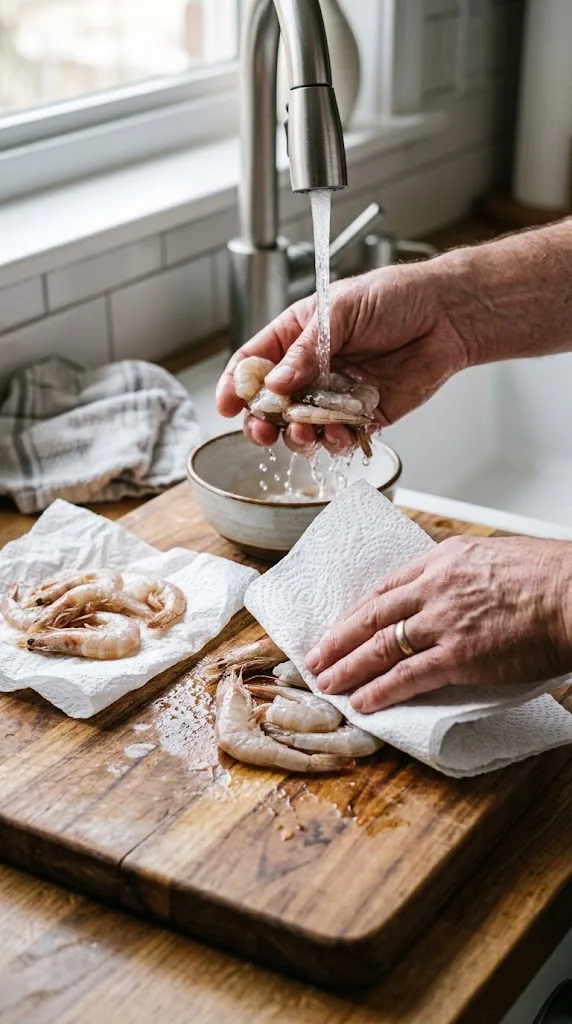
- Rinse the shrimp thoroughly in cold water and pat them dry with paper towels.
- Leave the shells on if possible, as they help protect the meat from drying out in the freezer.
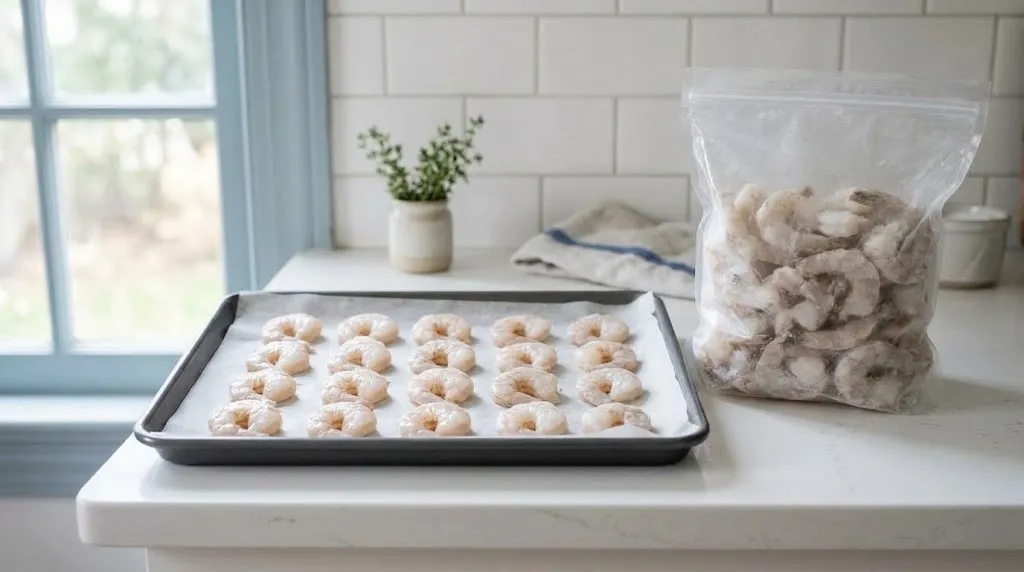
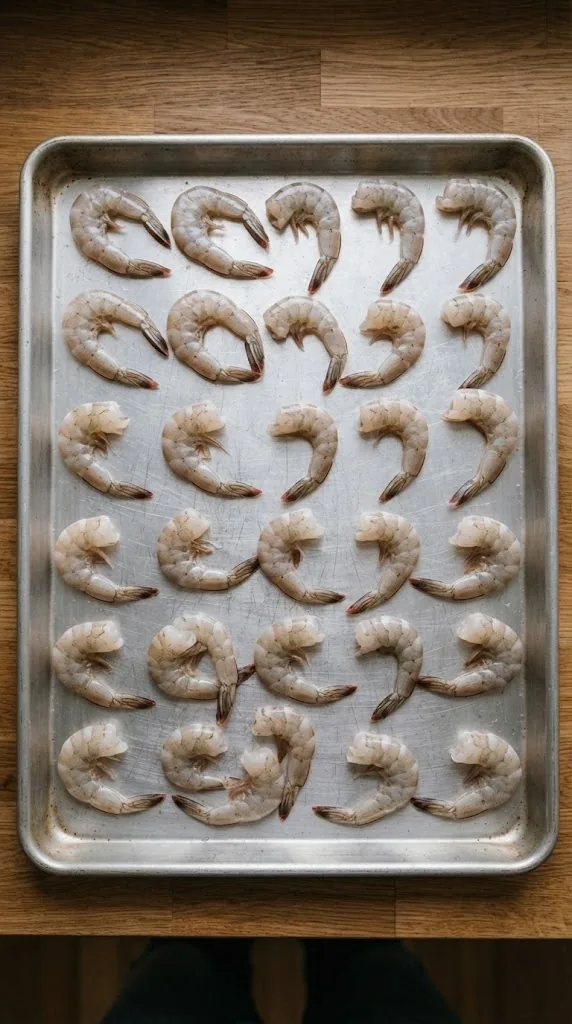
- Place the shrimp in a single layer on a baking sheet and flash freeze for one hour so they do not clump together.
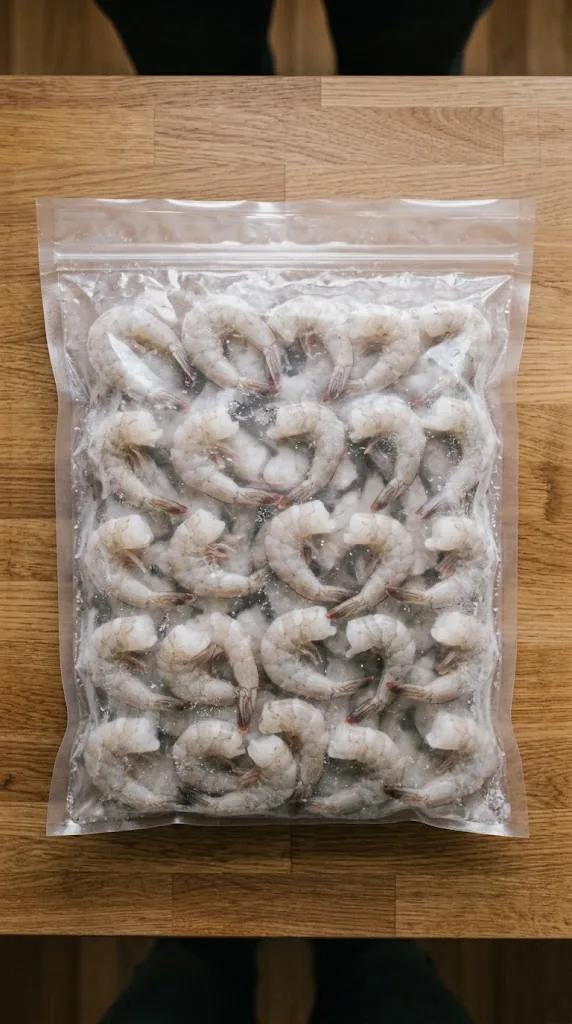
- Transfer the flash-frozen shrimp into heavy-duty freezer bags or vacuum-seal bags.
- Squeeze out as much air as possible before sealing the bag tightly to prevent freezer burn.
- Label the bag with the freezing date and use within the recommended timeframe.
Best containers for freezing shrimp
- Freezer bags: press out as much air as you can and freeze them flat so they stack and thaw faster.
- Airtight rigid containers: best for soft or liquid foods. Leave about 1/2 inch of headspace because food expands as it freezes.
- Sheet pan first: freeze pieces in a single layer for an hour or two, then bag them so they don’t clump together.
- Label everything: write the item and the date on every package.
For shrimp: Flash-freeze shrimp on a baking sheet before transferring them to heavy-duty freezer bags or vacuum-seal bags to prevent them from sticking together.
How to thaw shrimp
- Place the frozen shrimp in the refrigerator overnight to thaw safely and evenly.
- Alternatively, submerge the shrimp in a bowl of cold water in a sealed bag, changing the water every 30 minutes for quick thawing.
- Cook the thawed shrimp immediately after thawing for the best taste and texture.
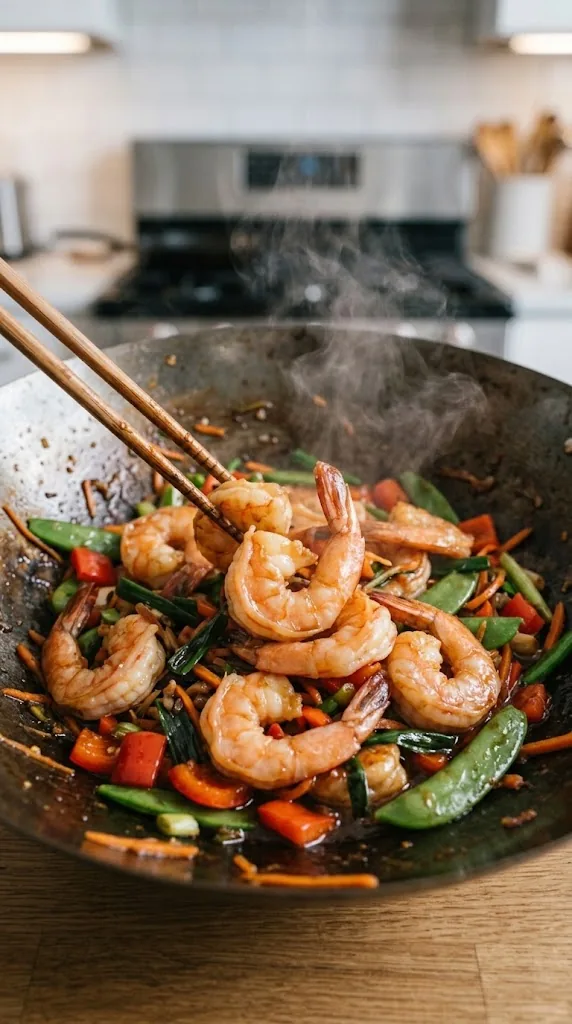
- You can also toss frozen shrimp directly into soups, stir-fries, or boiling water without thawing first.
How to reheat shrimp
- Rinse or prepare the frozen shrimp according to your recipe requirements.
- Heat in a pan with butter or oil over medium heat for 3 to 4 minutes, stirring frequently.
- Ensure the shrimp reach an internal temperature of 165°F (74°C) if they are part of a prepared hot dish.
Best ways to use frozen shrimp
- Great in quick skillet stir-fries and garlic butter sautés directly from frozen.
- Wonderful for dropping straight into simmering seafood chowders and gumbos.
- Not recommended for delicate raw preparations like ceviche after being frozen.
Fixing the texture: If the shrimp release too much water during cooking, pat them dry with paper towels before adding them to your hot pan to ensure a better sear.
How long shrimp keeps
| Where | How long |
|---|---|
| Freezer (0°F / -18°C) | 6-12 months |
| Refrigerator (40°F / 4°C) | 1-2 days |
| Pantry / counter | Not recommended |
Can you refreeze shrimp?
Yes, you can refreeze shrimp only if they were thawed safely in the refrigerator and have not been left at room temperature for more than two hours. However, a second freeze will negatively impact the texture and moisture of the shrimp, making them significantly more rubbery and dry.
- Cook or bake the thawed shrimp into a dish before freezing it again.
- Divide your shrimp into small, single-serving portions so you only thaw what you need.
- Check the shrimp carefully for any unusual odors or sliminess before attempting to refreeze.
The rules for every food: Can you refreeze food after thawing?
Watch out for
- Do not thaw shrimp at room temperature or in warm water, as this creates a food safety risk for bacterial growth.
- Watch out for freezer burn, which causes the shrimp to become rubbery and lose their sweet flavor.
- Avoid refreezing shrimp once they have been thawed unless they were defrosted safely in the refrigerator.
- Cooked shrimp can become tough if frozen for too long or if overcooked when reheated.
Food safety notes
Always thaw shrimp safely in the refrigerator overnight or in a bowl of cold water, never at room temperature, and cook them immediately after thawing. Discard any thawed shrimp that exhibit a sour odor or unusual sliminess.
Other ways to keep shrimp
- Store fresh shrimp in the coldest part of your refrigerator for up to two days.
- Cook the shrimp into a casserole or soup and freeze the prepared meal instead.
- Buy shrimp frozen if you won't cook it within a day or two; most "fresh" shrimp at the seafood counter was frozen and thawed.
Common questions
Is it better to freeze shrimp raw or cooked?
It is generally better to freeze shrimp raw. Raw shrimp retain their texture and flavor much better during the freezing and thawing process, whereas cooked shrimp can easily become rubbery when reheated.
Can I freeze shrimp in their shells?
Yes, freezing shrimp with their shells on is actually recommended. The shell acts as a natural protective barrier against freezer burn and helps lock in moisture and flavor.
How can I tell if frozen shrimp has gone bad?
Check for signs of severe freezer burn, a strong ammonia-like odor, or a slimy texture after thawing. If the shrimp smell sour or look discolored, discard them immediately.
Can I freeze store-bought frozen shrimp in their original packaging?
Yes, if the original bag is unopened and sealed tightly. However, if the bag has been opened or shows signs of frost inside, transfer the shrimp to a heavy-duty freezer bag to protect them from freezer burn.
What is the best way to prevent rubbery frozen shrimp?
Prevent rubberiness by not over-freezing them past the six-month mark and by avoiding high-heat cooking methods that cook the shrimp for too long. Adding frozen shrimp near the very end of cooking times in soups or stews keeps them tender.
Sources
- USDA FSIS: Freezing and Food Safety
- FoodSafety.gov: FoodKeeper storage times
- National Center for Home Food Preservation: Freezing
Freezer times are for best quality. Food kept at 0°F (-18°C) stays safe indefinitely, but always thaw it in the fridge, in cold water or in the microwave, never on the counter. When in doubt, throw it out. See the USDA freezing guide.