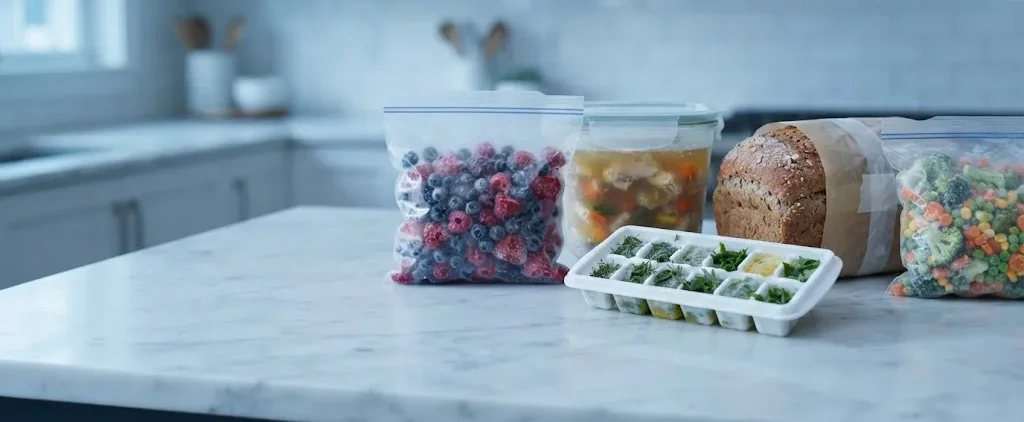
Yes, but raw eggplant does not freeze well and will become spongy and bitter.
Why
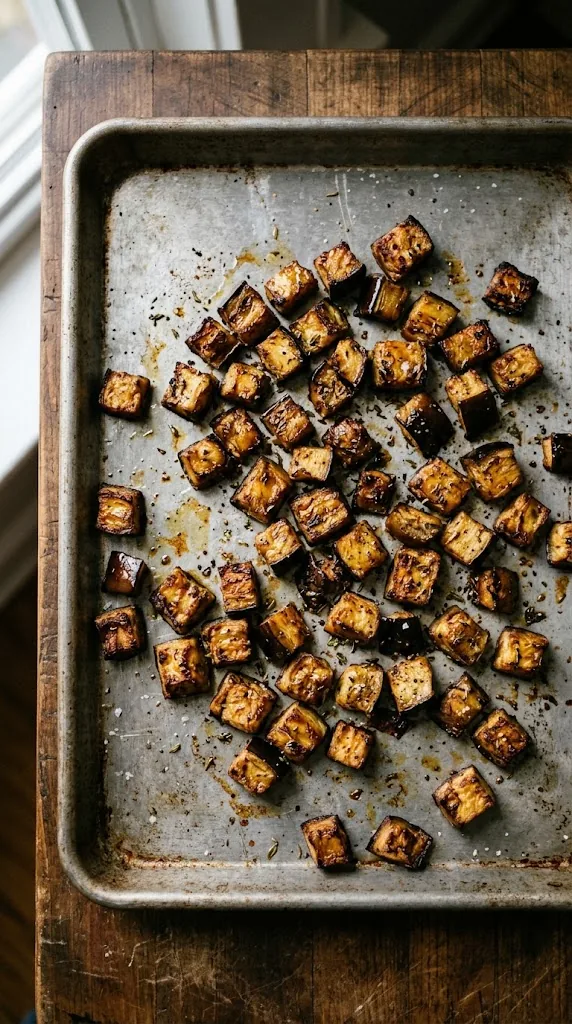
Eggplant has a very high water content, around 92 percent. When frozen raw, the water inside expands and forms jagged ice crystals that destroy the cell walls. Once thawed, the eggplant turns into a mushy, watery sponge that is unpleasant to eat. To achieve good results, you must cook the eggplant before freezing it, such as by roasting, blanching, or frying. This deactivates enzymes, removes excess moisture, and stabilizes the cellular structure so it retains better flavor and texture upon reheating.
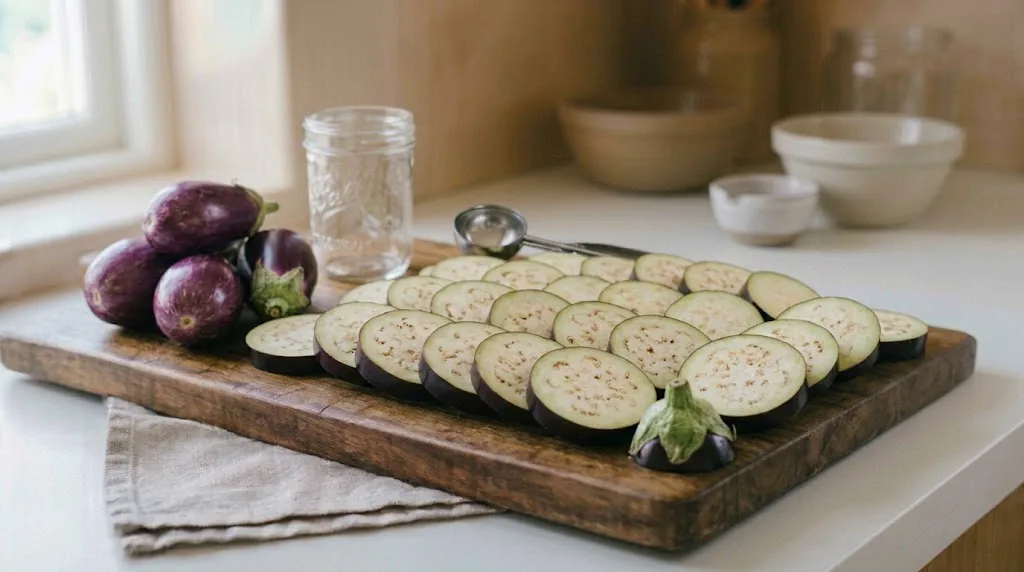
What freezing does to eggplant
- Texture: Becomes softer and more yielding due to cellular breakdown, requiring use in blended or cooked recipes.
- Flavor: Can develop a slightly more concentrated flavor profile when roasted before freezing, but bitter notes may intensify if raw eggplant is frozen.
- Moisture: Retains more internal water even after draining, which can thin out sauces if not accounted for.
Types of eggplant and how they freeze
- Globe Eggplant: Standard globe eggplants have higher moisture content and thick skin, making thorough cooking and peeling essential before freezing.
- Chinese or Japanese Eggplant: These slender varieties have fewer seeds and less moisture, allowing them to freeze and retain structure slightly better than globe types.
How to freeze eggplant
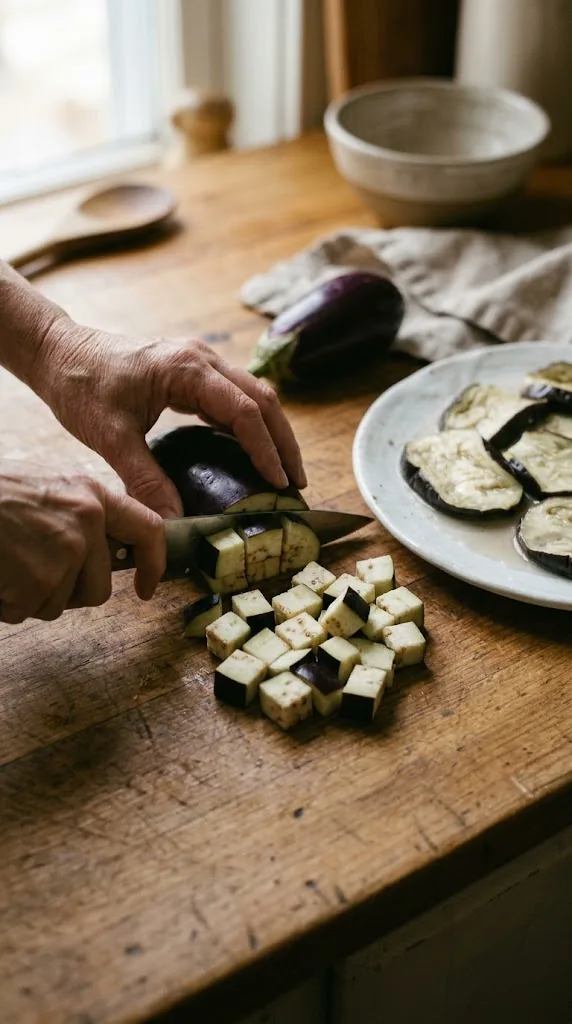
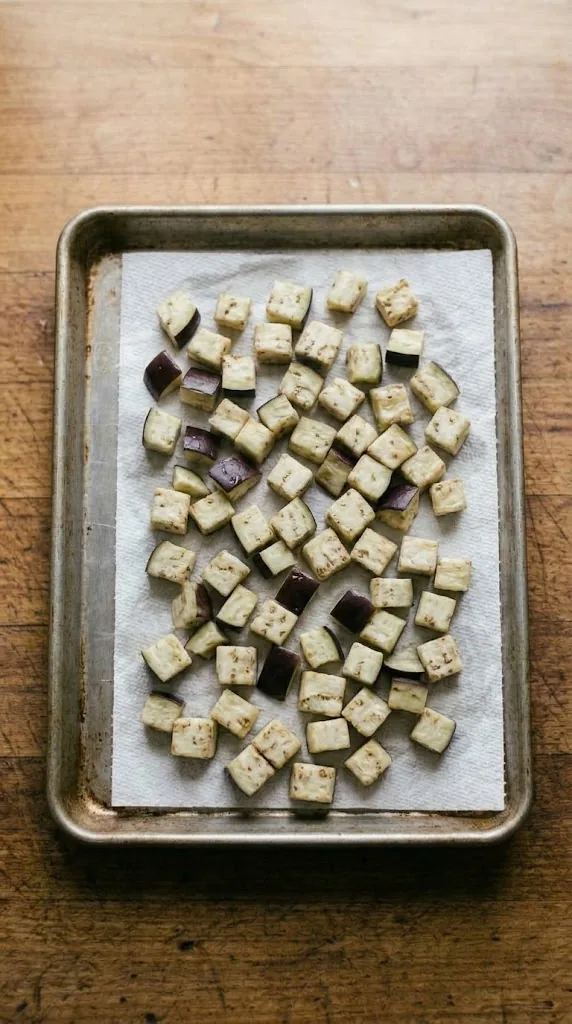
- Wash the eggplant and slice, cube, or roast it according to your recipe needs.
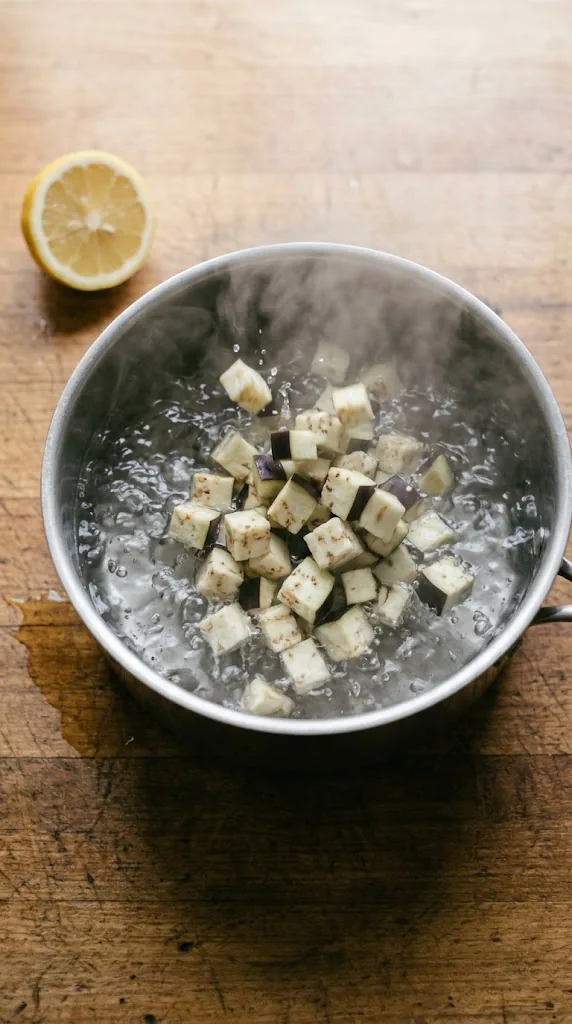
- Blanch sliced eggplant in boiling water with lemon juice for 4 minutes to prevent browning, then plunge into ice water to stop cooking.
- Drain thoroughly and pat completely dry with paper towels.
- Pack the pieces into airtight freezer bags or containers, pressing out as much air as possible.
- Label the package with the date and freeze for up to 6 months.
Best containers for freezing eggplant
- Freezer bags: press out as much air as you can and freeze them flat so they stack and thaw faster.
- Airtight rigid containers: best for soft or liquid foods. Leave about 1/2 inch of headspace because food expands as it freezes.
- Sheet pan first: freeze pieces in a single layer for an hour or two, then bag them so they don’t clump together.
- Label everything: write the item and the date on every package.
For eggplant: Flash-freeze sliced or cubed eggplant on a baking sheet before transferring to heavy-duty freezer bags to prevent the pieces from sticking together.
How to thaw eggplant
- Place the frozen eggplant in the refrigerator overnight to thaw safely.
- Use or cook the eggplant straight from frozen in soups, stews, casseroles, or curries without pre-thawing.
How to reheat eggplant
- Add frozen eggplant slices or cubes directly into simmering soups, stews, or curries.
- Heat in a covered pan or casserole dish in a 350°F oven until warmed through to 165°F (74°C).
- Microwave in short intervals on medium power, stirring halfway through, until thoroughly heated.
Best ways to use frozen eggplant
- Great in blended dips like baba ganoush after thawing and draining excess moisture.
- Works well in baked pasta dishes, gratins, and heavy vegetable curries.
- Not suitable for frying as breaded cutlets from frozen due to excess moisture loss and soggy crusts.
Fixing the texture: Press thawed eggplant gently between clean paper towels to squeeze out excess water before incorporating it into your final dish.
How long eggplant keeps
| Where | How long |
|---|---|
| Freezer (0°F / -18°C) | 6 months |
| Refrigerator (40°F / 4°C) | 3 to 4 days for cooked eggplant |
| Pantry / counter | 2 to 3 days for fresh unwashed eggplant |
Can you refreeze eggplant?
Yes, you can safely refreeze eggplant only if it was thawed in the refrigerator and still shows no signs of spoilage. However, because eggplant has a high water content and delicate cell structure, a second freeze will degrade its texture even further, making it significantly mushier.
- Only thaw the exact portion of eggplant you plan to use to avoid the need for refreezing.
- If eggplant was thawed in the microwave or using cold water, cook it into a dish before freezing the final recipe rather than refreezing the plain thawed eggplant.
- Mash or blend thawed eggplant into a dip or sauce before any secondary freezing to help mask the deteriorating texture.
The rules for every food: Can you refreeze food after thawing?
Watch out for
- Never freeze raw eggplant whole or sliced without cooking or blanching first, or it will turn into an unusable mush.
- Watch out for freezer burn if containers are not properly sealed.
- Thawed eggplant will be softer than fresh, so it is best used in cooked dishes rather than raw salads or sandwiches.
Food safety notes
Cool cooked eggplant quickly in shallow containers and refrigerate or freeze it within 2 hours of cooking. Thaw frozen eggplant safely in the refrigerator; if thawed in the fridge, it can be safely refrozen if quality allows.
Other ways to keep eggplant
- Store whole eggplant in a cool, dark place for a few days.
- Keep unwashed eggplant in the crisper drawer of your refrigerator for up to a week.
- Roast and blend into a baba ganoush dip that can be refrigerated for several days.
Common questions
Can I freeze raw eggplant?
It is not recommended to freeze raw eggplant. The high water content ruins the cell structure during freezing, resulting in a bitter, mushy, and spongy texture once thawed.
Do I need to peel eggplant before freezing?
Peeling is optional. Young eggplant skin is thin and tender, so you can leave it on. Older eggplants have tougher skin that can turn bitter or rubbery, so peeling is recommended in those cases.
Can I refreeze eggplant that has been thawed?
You can safely refreeze eggplant only if it was thawed in the refrigerator and still shows no signs of spoilage, though the texture will degrade further with each freeze.
Can I freeze stuffed eggplant?
Yes, you can freeze stuffed eggplant if it is fully cooked first. Wrap individual portions tightly in foil and place them in a freezer bag for up to 3 months, though the texture of the eggplant shell will be very soft upon reheating.
Why does my frozen eggplant taste bitter?
Eggplant can develop a bitter taste if it was frozen raw, as the enzymes were not deactivated by cooking. To avoid bitterness, always roast, blanch, or sauté the eggplant before freezing, and consider salting and rinsing raw slices beforehand.
Sources
- USDA FSIS: Freezing and Food Safety
- FoodSafety.gov: FoodKeeper storage times
- National Center for Home Food Preservation: Freezing
Freezer times are for best quality. Food kept at 0°F (-18°C) stays safe indefinitely, but always thaw it in the fridge, in cold water or in the microwave, never on the counter. When in doubt, throw it out. See the USDA freezing guide.