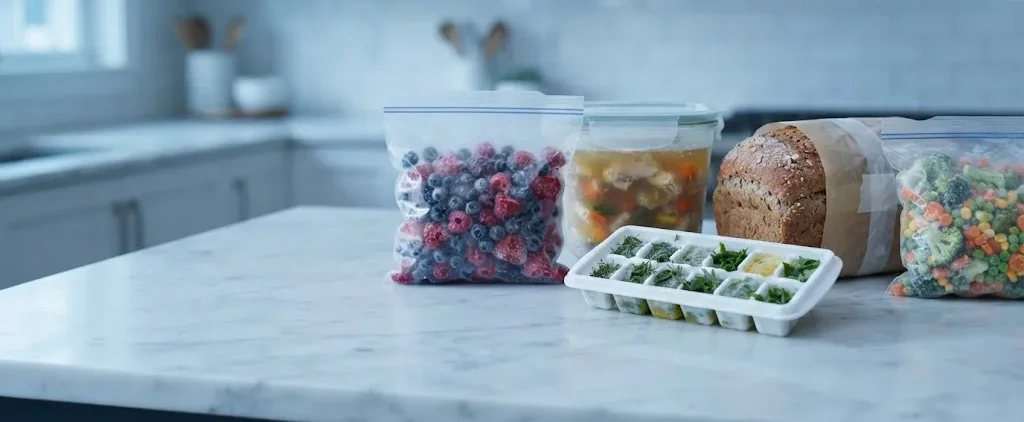
Yes, but you must blanch carrots before freezing them to preserve their vibrant color, crisp-tender texture, and sweet flavor.
Why
Carrots have a high water content. When they freeze raw, the water expands into large ice crystals that pierce cell walls, leaving the carrots limp, mushy, and unappealing upon thawing. Blanching in boiling water deactivates the natural enzymes that cause carrots to lose their flavor, color, and nutrients in the freezer. Properly blanched and frozen carrots retain good quality for cooking, though their raw crunch is lost.
What freezing does to carrots
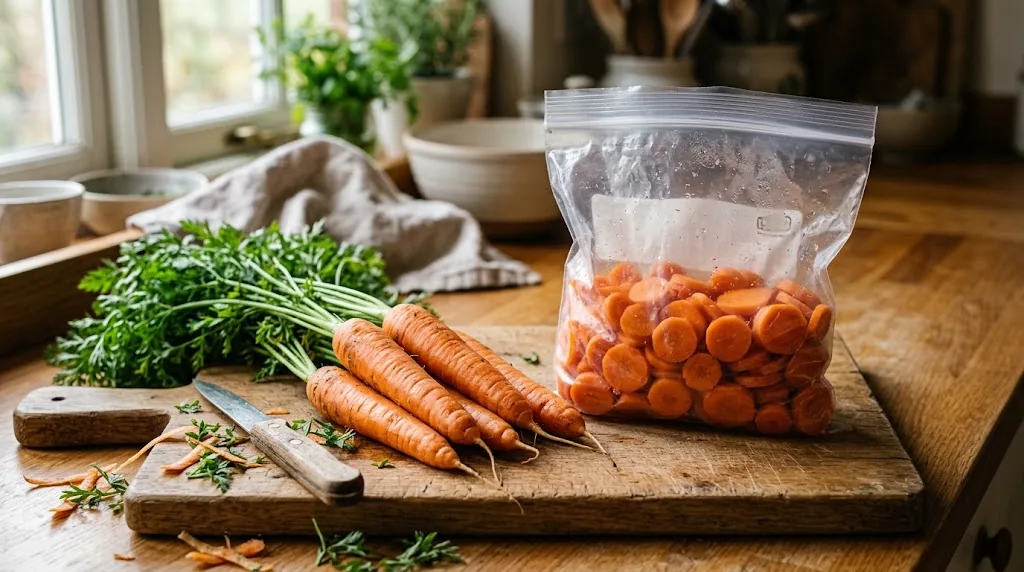
- Texture: Cell walls rupture due to ice crystal formation, resulting in a softer, limp product that loses its raw crunch.
- Flavor: Blanching locks in the natural sweetness, preventing the bitter or woody tastes that unblanched frozen carrots develop.
- Color: Proper preparation preserves the bright orange pigmentation, while unblanched carrots can fade and dull over time.
Types of carrots and how they freeze
- Whole baby carrots: These can be blanched whole for 5 minutes and freeze exceptionally well for quick snacking or roasting.
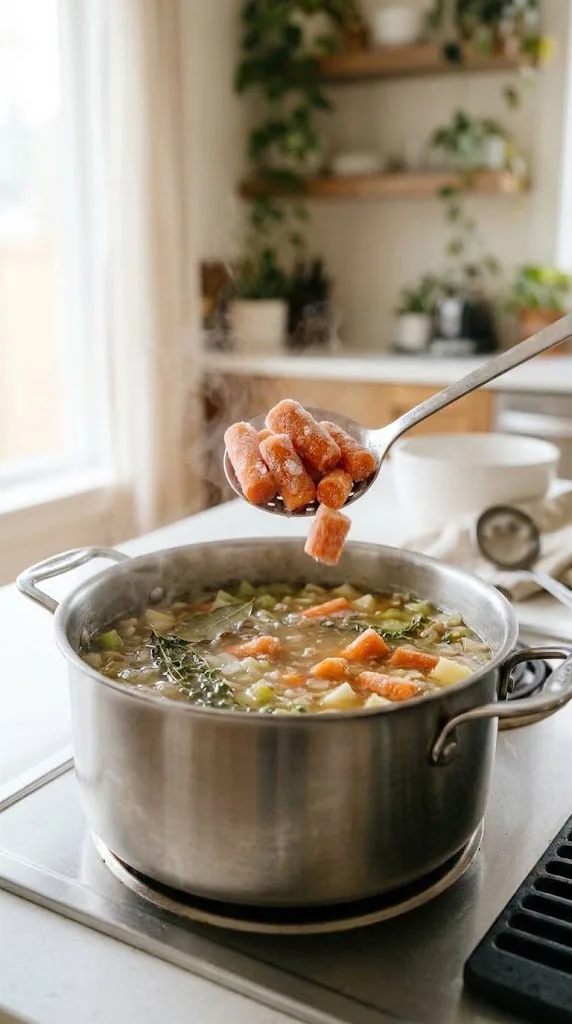
- Sliced or diced carrots: Requiring only a 2-minute blanch, these smaller pieces are ideal for tossing directly into soups and stews from frozen.
- Grated carrots: Shredded carrots have a very high surface area and tend to become excessively watery upon thawing, so they are best frozen only if intended for baked goods like carrot cake.
How to freeze carrots
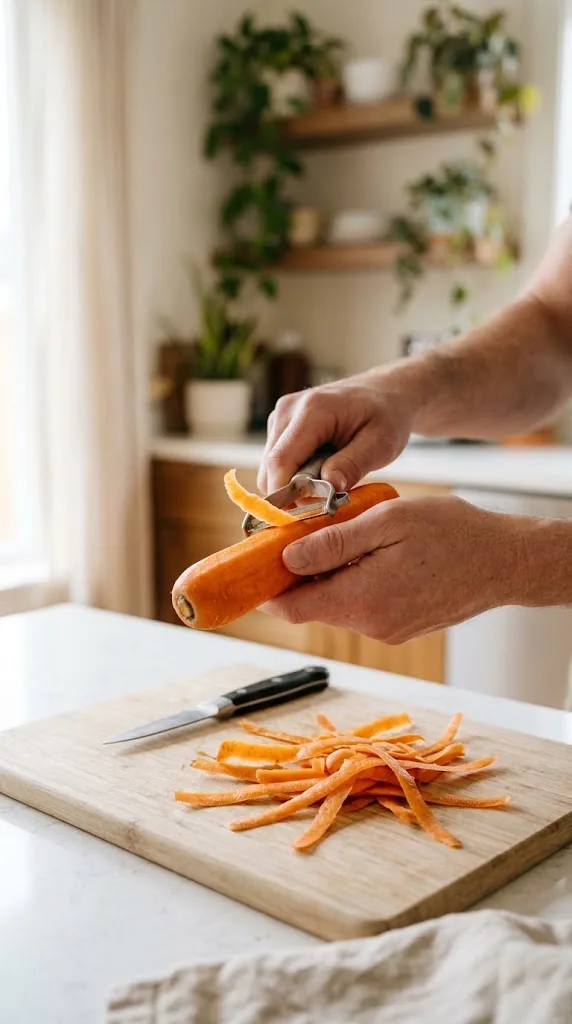
- Wash, peel, and slice, dice, or baby-cut the carrots into uniform pieces.
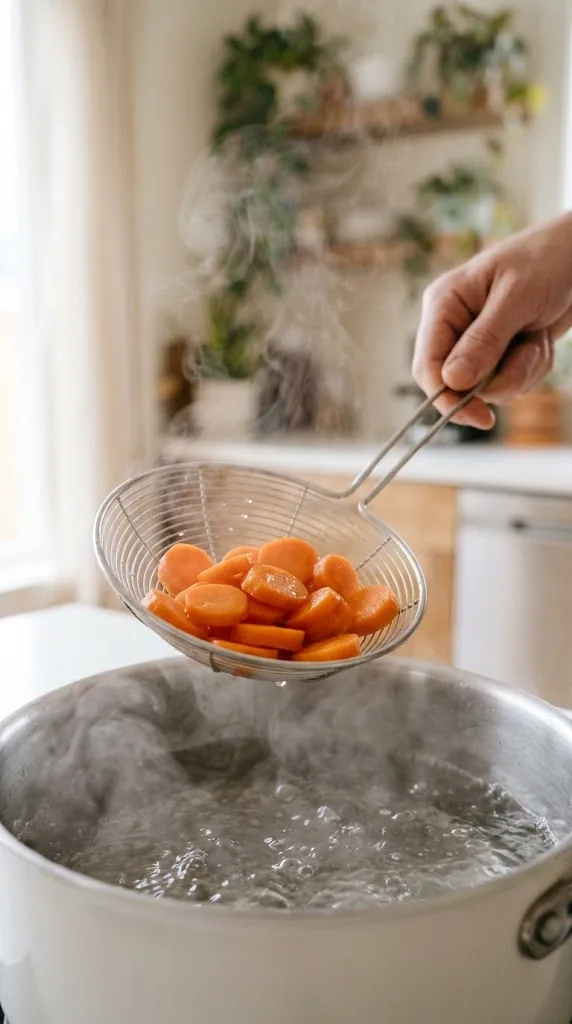
- Blanch sliced carrots in boiling water for 2 minutes, or whole baby carrots for 5 minutes.
- Transfer the carrots immediately to a bowl of ice water to stop the cooking process completely.
- Drain thoroughly and pat completely dry with clean paper towels.
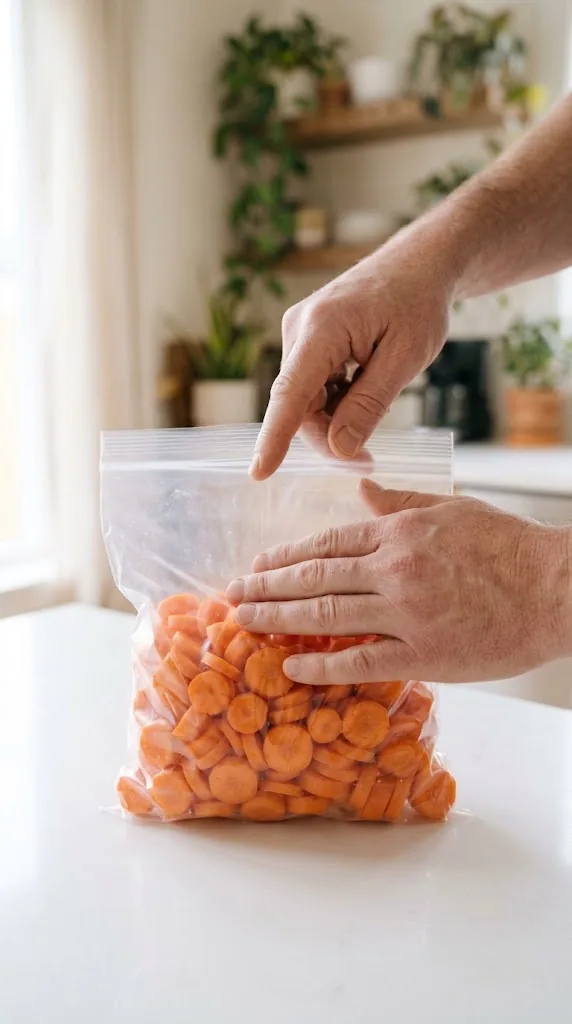
- Pack into airtight freezer bags or containers, squeezing out excess air, and label with the date.
Best containers for freezing carrots
- Freezer bags: press out as much air as you can and freeze them flat so they stack and thaw faster.
- Airtight rigid containers: best for soft or liquid foods. Leave about 1/2 inch of headspace because food expands as it freezes.
- Sheet pan first: freeze pieces in a single layer for an hour or two, then bag them so they don’t clump together.
- Label everything: write the item and the date on every package.
For carrots: Flash-freeze sliced carrots in a single layer on a baking sheet for an hour before transferring them to bags to prevent them from freezing together in a solid clump.
How to thaw carrots
- Use or cook the carrots straight from frozen in soups, stews, casseroles, and stir-fries.
- If you prefer to thaw them, place the sealed bag in the refrigerator overnight.
- Alternatively, submerge the sealed bag in cold water, changing the water every 30 minutes until thawed.
How to reheat carrots
- Toss frozen carrot pieces directly into boiling soups, stews, or braises and simmer until tender.
- Spread frozen carrot slices on a baking sheet, toss with oil and seasonings, and roast at 400°F until heated through and caramelized.
- Steam frozen carrots in a covered basket over boiling water for 4 to 6 minutes until piping hot.
Best ways to use frozen carrots
- Great in vegetable soups, beef stews, and hearty chilis.
- Wonderful for blending into smooth purees, baby foods, and vegetable mashes.
- Not suitable for fresh crudité platters, raw slaws, or crisp salads due to the softened texture.
Fixing the texture: Because freezing breaks down cell walls and softens the carrots permanently, there is no way to restore a raw, crisp snap, so they should be utilized in cooked recipes where a softer bite is welcome.
How long carrots keeps
| Where | How long |
|---|---|
| Freezer (0°F / -18°C) | 10-12 months |
| Refrigerator (40°F / 4°C) | 3-4 weeks |
| Pantry / counter | 3-4 weeks |
Can you refreeze carrots?
Yes, you can refreeze carrots if they were thawed safely in the refrigerator and have not been left at room temperature for more than two hours. However, a second freeze will cause further degradation to the cell walls, making the carrots even softer and mushy.
- Cook or roast thawed carrots into a dish like a soup or stew before refreezing them.
- Freeze carrots in small portions so you only thaw what you need for a single meal.
- Cool any cooked carrot dishes quickly in shallow containers and refrigerate them within two hours before freezing.
The rules for every food: Can you refreeze food after thawing?
Watch out for
- Do not freeze raw, whole carrots without blanching, as they will turn unpleasantly mushy and woody.
- Watch out for freezer burn if air is not properly pressed out of the storage bags.
- Thawed carrots lose their crisp raw texture and are best used in cooked dishes rather than raw salads.
Food safety notes
Always ensure home-blanched carrots are cooled rapidly and placed into the freezer promptly to prevent bacterial growth. If carrots were thawed safely in the refrigerator, they can be safely refrozen, though quality will continue to decline with each cycle.
Other ways to keep carrots
- Store whole, unpeeled carrots in a cool, dark place like a root cellar or garage for several weeks.
- Keep carrots in the crisper drawer of your refrigerator wrapped in damp paper towels inside a perforated bag.
- Pickle sliced carrots in vinegar and spices for long-term refrigerator storage.
Common questions
Can you freeze raw carrots without blanching?
You can, but it is strongly discouraged. Raw carrots contain enzymes that cause them to lose flavor, color, and nutrients while frozen, and they become very mushy when thawed.
Can you refreeze carrots if they have thawed?
Carrots that were safely thawed in the refrigerator can be refrozen, though each freeze-thaw cycle degrades their texture further. If they thawed on the counter or show signs of spoilage, discard them.
Do I need to thaw carrots before cooking them?
No, you do not need to thaw frozen carrots. You can toss them directly into soups, stews, curries, and roasting pans straight from the freezer.
Can I freeze carrots in a vacuum-sealed bag?
Yes, vacuum-sealing is a fantastic way to store carrots because it removes all air and prevents freezer burn, extending their optimal quality.
Why do my frozen carrots taste bitter or soapy?
This typically happens if the carrots were frozen raw without blanching, allowing natural enzymes to degrade the flavor over time, or if they suffered from severe freezer burn.
Sources
- USDA FSIS: Freezing and Food Safety
- FoodSafety.gov: FoodKeeper storage times
- National Center for Home Food Preservation: Freezing
Freezer times are for best quality. Food kept at 0°F (-18°C) stays safe indefinitely, but always thaw it in the fridge, in cold water or in the microwave, never on the counter. When in doubt, throw it out. See the USDA freezing guide.