Yes, but freezing sour cream changes its texture, causing it to separate and become watery when thawed.
Why
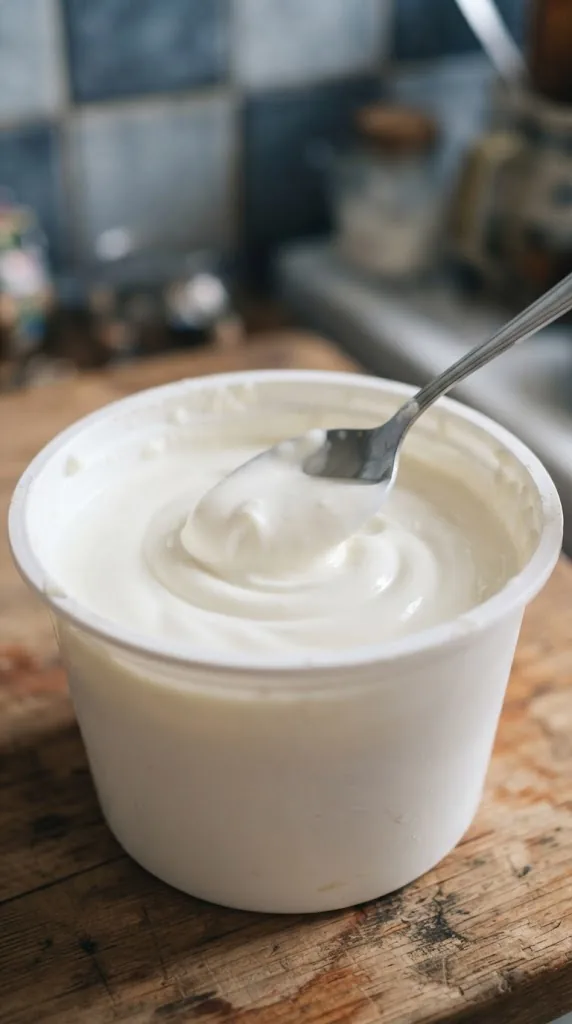
Sour cream contains a high amount of water and dairy fat. When frozen, the emulsion breaks down, and ice crystals form. Once thawed, the water separates from the solids, resulting in a grainy, watery mess that does not look or feel appealing. While it is completely safe to eat after being frozen, this texture change makes it unsuitable for dolloping on baked potatoes or using in cold dips, though it can still work fine in cooked recipes where it gets blended in.
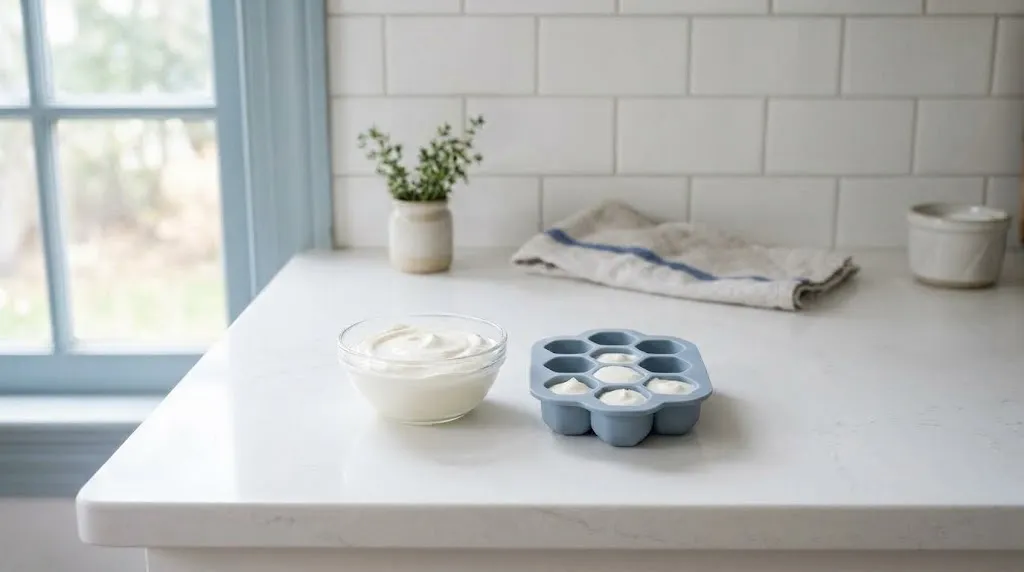
What freezing does to sour cream
- Texture: Becomes grainy, curdled, and prone to severe separation.
- Moisture: Releases excess liquid that pools around the dairy solids upon thawing.
- Flavor: May taste slightly sharper or more acidic due to the separation of whey.
Types of sour cream and how they freeze
- Full-fat sour cream: Freezes slightly better than low-fat versions because the higher fat content helps stabilize the emulsion against severe separation.
- Light or low-fat sour cream: Contains more water and less fat, which leads to a much grainier texture and heavier separation after thawing.
How to freeze sour cream
- Stir the sour cream thoroughly before freezing to help recombine any separated liquid.
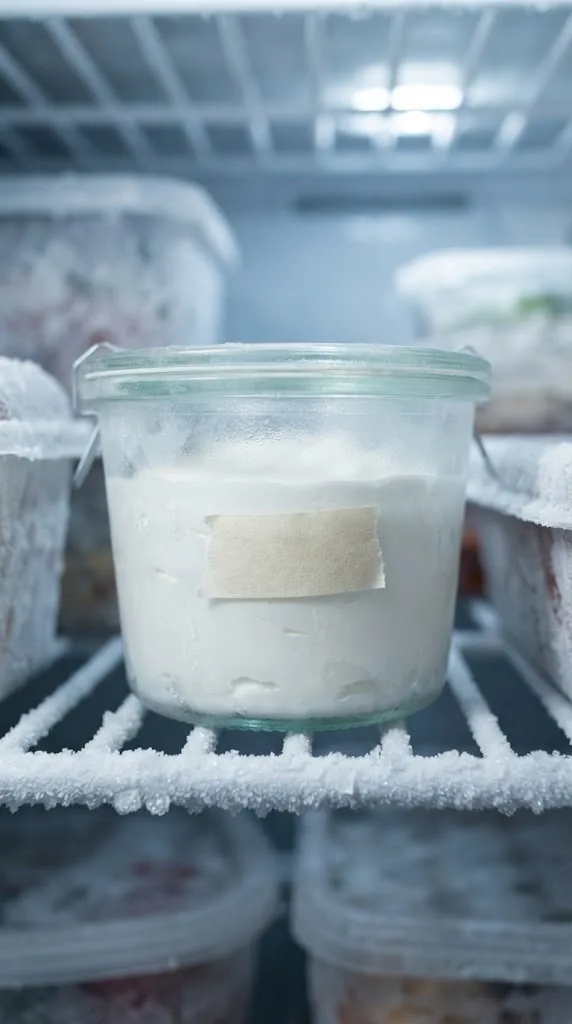
- Transfer the sour cream into a freezer-safe airtight container or a heavy-duty freezer bag.
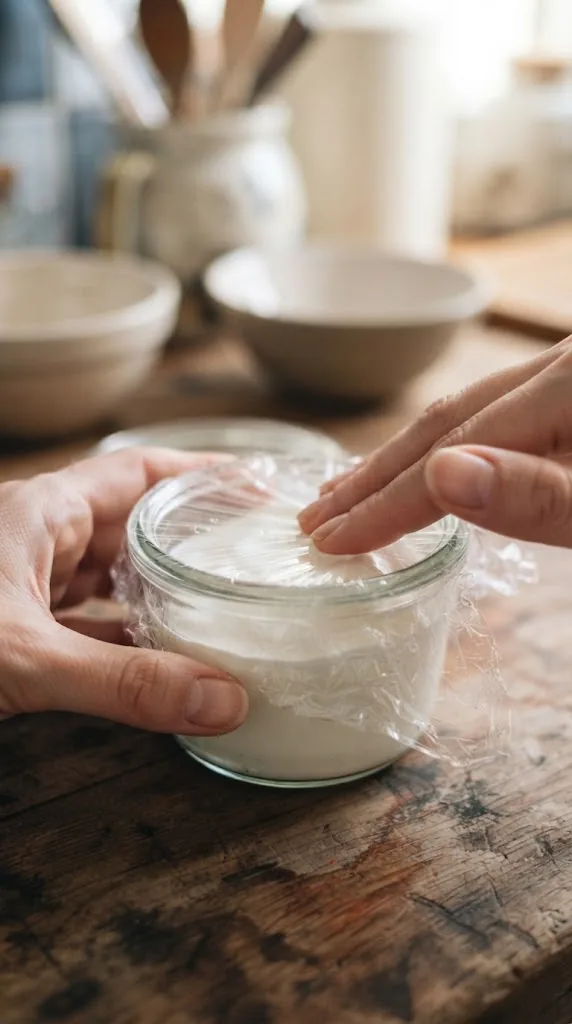
- Press plastic wrap directly onto the surface of the sour cream to minimize air exposure and prevent freezer burn.
- Seal the container tightly, label with the date, and store in the freezer.
Best containers for freezing sour cream
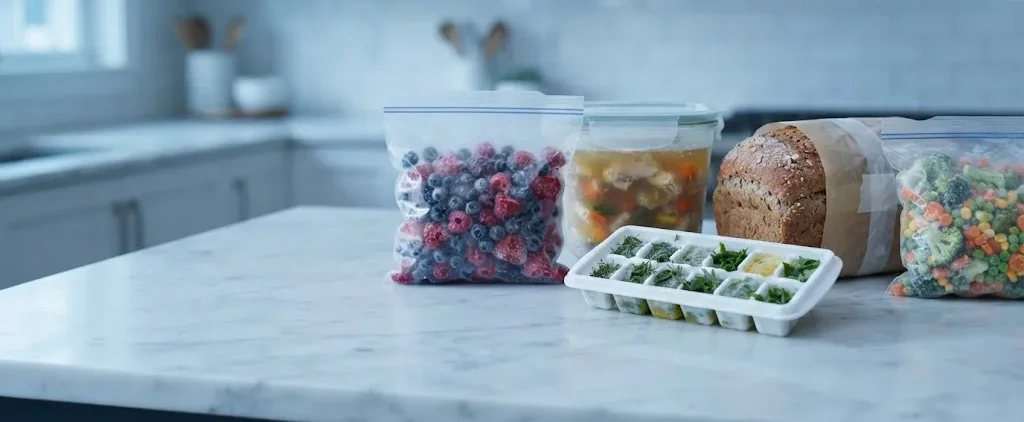
- Freezer bags: press out as much air as you can and freeze them flat so they stack and thaw faster.
- Airtight rigid containers: best for soft or liquid foods. Leave about 1/2 inch of headspace because food expands as it freezes.
- Sheet pan first: freeze pieces in a single layer for an hour or two, then bag them so they don’t clump together.
- Label everything: write the item and the date on every package.
For sour cream: Use a rigid, airtight plastic container leaving a little headspace for expansion, or press plastic wrap directly onto the surface inside a freezer bag to minimize ice crystal formation.
How to thaw sour cream
- Thaw the sour cream in the refrigerator overnight.
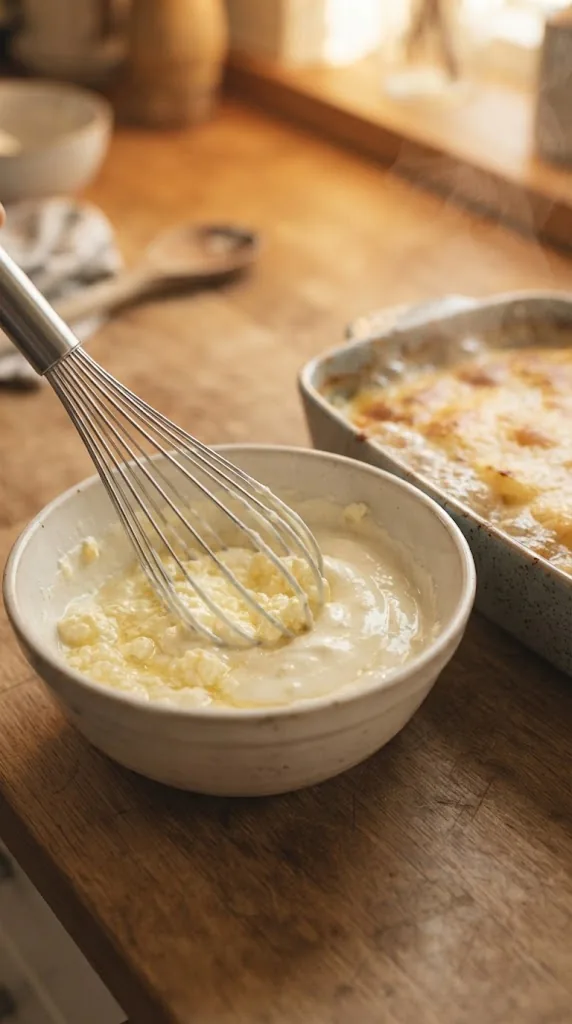
- Stir or whisk vigorously after thawing to help restore some of its smooth texture.
- Drain off any excess liquid if the separation is severe.
How to reheat sour cream
- Stir the thawed sour cream directly into warm soups or sauces over low heat.
- Heat gently without boiling to prevent the dairy solids from curdling further.
- Ensure any leftover cooked dishes containing sour cream reach a safe internal temperature of 165°F (74°C) before consuming.
Best ways to use frozen sour cream
- Great for blending into hot casseroles and creamy pasta sauces
- Works well baked into cakes, quick breads, and quiches
- Not suitable for use as a fresh dip, garnish, or spread on baked potatoes
Fixing the texture: Whisk the thawed sour cream vigorously by hand or use an immersion blender to help smooth out the graininess before mixing it into hot dishes.
How long sour cream keeps
| Where | How long |
|---|---|
| Freezer (0°F / -18°C) | 3-4 months |
| Refrigerator (40°F / 4°C) | 1-3 weeks |
| Pantry / counter | Not recommended |
Can you refreeze sour cream?
No, you should not refreeze sour cream once it has been fully thawed. The repeated freezing and thawing cycles will severely ruin the texture, making it excessively watery and grainy while increasing the risk of spoilage.
- Freeze sour cream in smaller portions so you only thaw what you need.
- Bake or cook the thawed sour cream into a dish like a casserole before freezing it again.
- Never leave thawed dairy at room temperature before deciding to refreeze it.
The rules for every food: Can you refreeze food after thawing?
Watch out for
- The texture will become grainy and watery after thawing.
- Do not expect thawed sour cream to whip or hold its shape for cold garnishes.
- Separation is natural and unavoidable during the freezing process.
Food safety notes
Always thaw sour cream safely in the refrigerator overnight rather than on the counter to prevent bacterial growth. Never refreeze sour cream once it has been fully thawed outside of the refrigerator.
Other ways to keep sour cream
- Keep it in the coldest part of the refrigerator and use it within 1-3 weeks of opening.
- Bake it into a cake, quiche, or casserole that freezes better than plain dairy.
- Use it up in homemade dips, dressings, or pancakes.
Common questions
Can you freeze sour cream in its original container?
Yes, an unopened tub can go straight in. Once it's open, press plastic wrap onto the surface or move it to a smaller container so there is less air.
Can you refreeze thawed sour cream?
You should not refreeze sour cream once it has been thawed, as the repeated freezing and thawing cycles will further ruin the texture and increase the risk of spoilage.
How can I fix watery sour cream after thawing?
You can whisk it vigorously or blend it with a splash of milk to bring back some creaminess, but it works best when used directly in cooked dishes where texture matters less.
Can I freeze sour cream mixed into a casserole?
Yes, sour cream freezes much better when it is fully incorporated into cooked dishes like casseroles, soups, or baked goods rather than being frozen on its own.
Does adding cornstarch help sour cream freeze better?
Stabilizers like cornstarch or gelatin can sometimes be added to homemade sour cream to help reduce separation, but standard store-bought varieties will still separate upon thawing.
Sources
- USDA FSIS: Freezing and Food Safety
- FoodSafety.gov: FoodKeeper storage times
- National Center for Home Food Preservation: Freezing
Freezer times are for best quality. Food kept at 0°F (-18°C) stays safe indefinitely, but always thaw it in the fridge, in cold water or in the microwave, never on the counter. When in doubt, throw it out. See the USDA freezing guide.