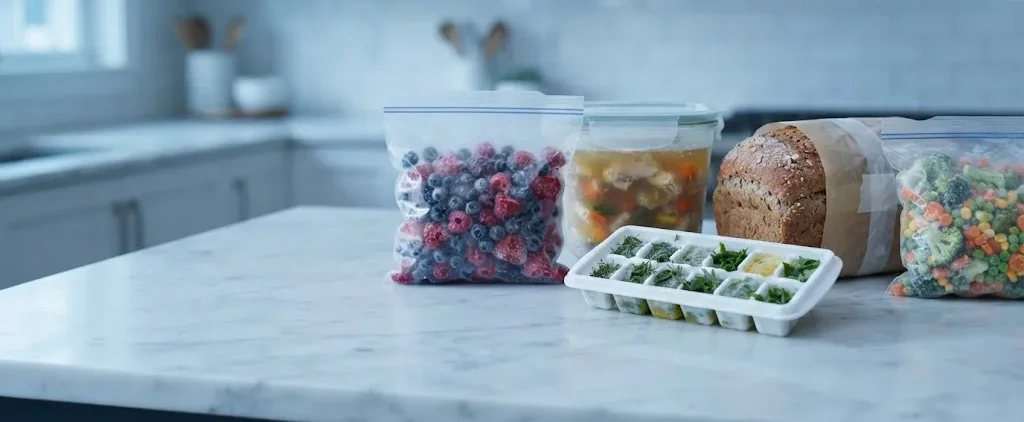
Yes, you can freeze salmon successfully. Both raw and cooked salmon store very well in the freezer.
Why
Salmon freezes wonderfully because of its high healthy fat and oil content, which helps it retain moisture better than leaner fish. However, like all fish, the cellular structure can suffer from ice crystal formation over time if not wrapped properly, leading to dryness or a slightly altered texture. To maintain the best flavor and flaky texture, it is crucial to protect the salmon from exposure to air, which prevents freezer burn and oxidation.
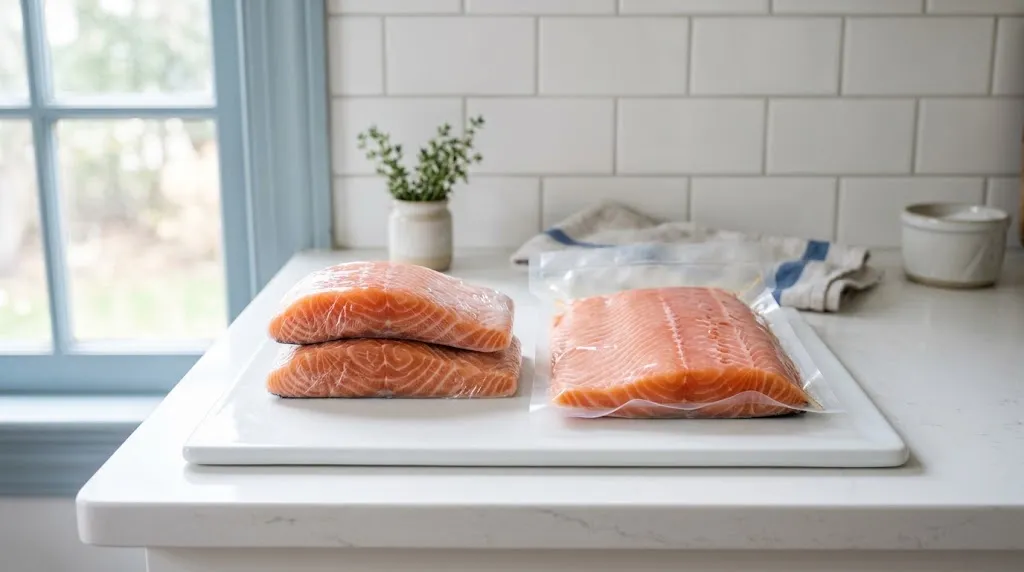
What freezing does to salmon
- Texture: Can become slightly more prone to flaking apart or feeling a bit more tender due to cellular breakdown from freezing.
- Flavor: May lose a fraction of its fresh oceanic brightness over prolonged storage, though high fat content helps preserve richness.
- Moisture: Slight moisture loss can occur if micro-gaps allow air contact, leading to marginally drier bites after cooking.
Types of salmon and how they freeze
- Wild vs. Farmed Salmon: Farmed salmon has a higher fat content which allows it to retain moisture and freeze slightly better than leaner wild varieties.
- Whole Side vs. Individual Fillets: Individual fillets freeze faster and thaw more evenly, whereas whole sides are better kept intact if you plan to feed a large group later.
How to freeze salmon
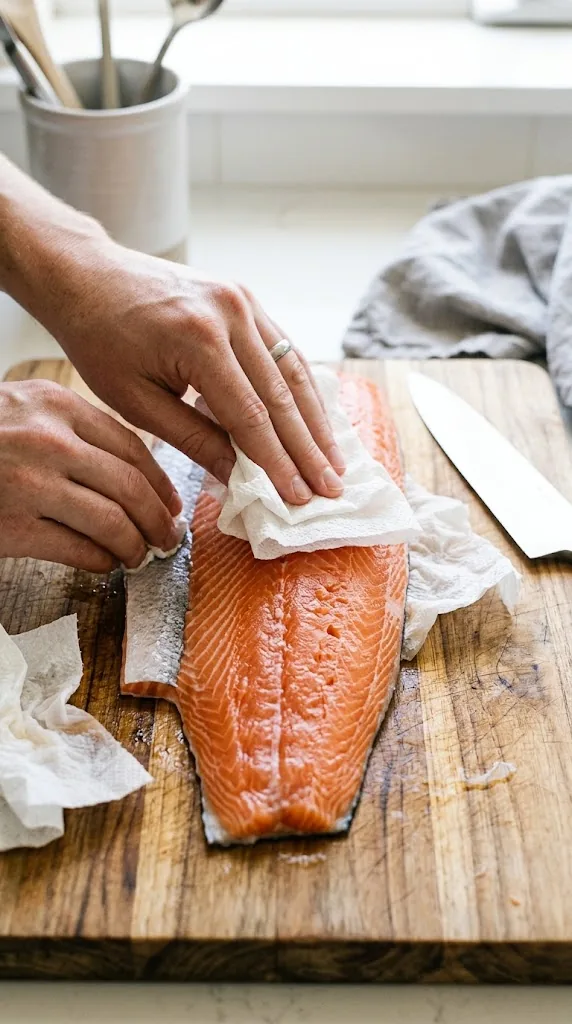
- Pat the salmon dry with paper towels. There is no need to rinse it.
- Portion the salmon into individual fillets or leave it as a whole side depending on your preference.
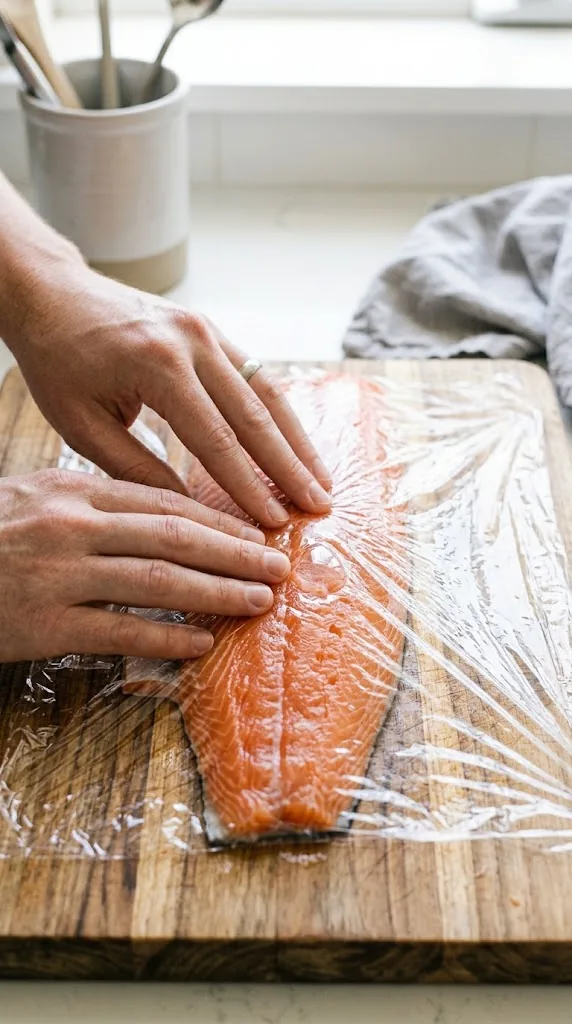
- Wrap each piece tightly in plastic wrap, pressing it firmly against the fish to eliminate air pockets.
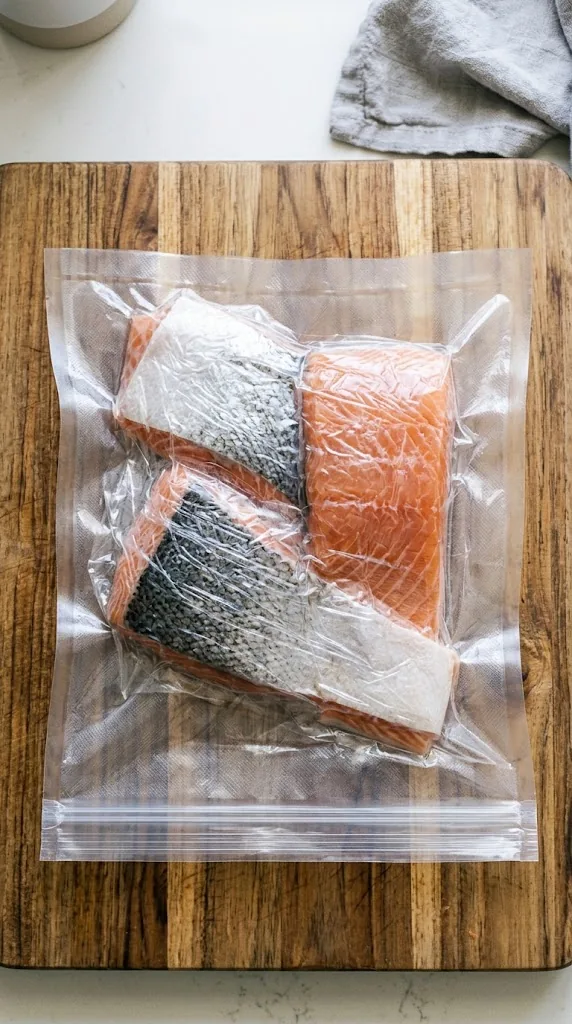
- Place the wrapped fish inside a heavy-duty freezer bag or vacuum-seal it for maximum protection.
- Squeeze out any remaining air from the bag, seal tightly, and label with the date.
Best containers for freezing salmon
- Freezer bags: press out as much air as you can and freeze them flat so they stack and thaw faster.
- Airtight rigid containers: best for soft or liquid foods. Leave about 1/2 inch of headspace because food expands as it freezes.
- Sheet pan first: freeze pieces in a single layer for an hour or two, then bag them so they don’t clump together.
- Label everything: write the item and the date on every package.
For salmon: Vacuum-sealing is the gold standard for salmon because it removes all oxygen, preventing freezer burn and keeping delicate fats intact. If using bags, submerge the sealed bag partially in water to push out residual air before zipping.
How to thaw salmon
- Place the frozen salmon in the refrigerator and allow it to thaw slowly overnight.
- Alternatively, submerge the sealed salmon in cold tap water, changing the water every 30 minutes until thawed.
- Cook the thawed salmon immediately after thawing.
How to reheat salmon
- Preheat your oven to 275 degrees Fahrenheit to gently warm thawed cooked salmon without drying it out.
- Place the salmon in a baking dish, add a splash of broth or water, and cover tightly with foil.
- Heat for 12 to 15 minutes until warmed through to an internal temperature of 165 degrees Fahrenheit.
Best ways to use frozen salmon
- Great for blending into creamy salmon pasta dishes or casseroles
- Flakes apart easily for healthy salmon salad sandwiches or wraps
- Works well baked in foil packets with butter and herbs
- Not ideal for raw preparations like sushi or tartare after being frozen at home
Fixing the texture: If the thawed salmon feels slightly dry, reintroduce moisture by serving it with a rich sauce, lemon butter, or aioli.
How long salmon keeps
| Where | How long |
|---|---|
| Freezer (0°F / -18°C) | 2-3 months |
| Refrigerator (40°F / 4°C) | 1-2 days for fresh raw salmon, or 3-4 days for cooked salmon |
| Pantry / counter | Not recommended |
Can you refreeze salmon?
You can refreeze salmon only if it was thawed safely in the refrigerator and has not been left at room temperature for more than two hours. However, a second freeze will cause further degradation to the texture and moisture of the fish.
- Cook or bake the thawed salmon into a casserole before refreezing it.
- Freeze salmon in small portions so you only thaw what you need.
- Ensure any refrozen portions are wrapped airtight to prevent severe freezer burn.
The rules for every food: Can you refreeze food after thawing?
Watch out for
- Watch out for freezer burn, which causes dry, white spots and ruins the flavor.
- Never thaw salmon at room temperature or in warm water, as this encourages bacterial growth.
- Ensure the packaging is completely airtight to prevent fishy odors from transferring to other foods.
Food safety notes
Always thaw frozen salmon safely in the refrigerator, or in cold water changed every 30 minutes, and never at room temperature. Cooked salmon should be cooled quickly in shallow containers and refrigerated or frozen within two hours of cooking.
Other ways to keep salmon
- Store fresh salmon in the coldest part of the refrigerator for up to two days.
- Buy frozen salmon if you won't cook it within a couple of days; it is often frozen right after it is caught.
- Cook the salmon into a casserole or fish cakes to consume within a few days.
Common questions
Can you freeze cooked salmon?
Yes, you can freeze cooked salmon. Let it cool completely, wrap it tightly in plastic wrap and foil, and use it within two to three months for the best taste.
How can you tell if frozen salmon has gone bad?
If the salmon has a very strong, sour, or ammonia-like smell after thawing, or if it has severe freezer burn with yellowish discoloration and a dry, leathery texture, it is best to discard it.
Can you refreeze thawed salmon?
You can refreeze salmon only if it was thawed safely in the refrigerator. However, the quality and texture will degrade further due to the loss of moisture.
Can you freeze smoked salmon?
Yes, vacuum-sealed cold-smoked or hot-smoked salmon can be frozen for up to two to three months, though the texture may become slightly softer after thawing. For best quality, keep it sealed tightly to prevent the smoky flavor from altering.
Does freezing salmon kill parasites?
Commercial freezing at ultra-low temperatures kills parasites, but standard home freezers may not reach the extreme sub-zero temperatures required for parasite destruction. Always purchase sushi-grade or previously frozen fish if you intend to consume it raw.
Sources
- USDA FSIS: Freezing and Food Safety
- FoodSafety.gov: FoodKeeper storage times
- National Center for Home Food Preservation: Freezing
Freezer times are for best quality. Food kept at 0°F (-18°C) stays safe indefinitely, but always thaw it in the fridge, in cold water or in the microwave, never on the counter. When in doubt, throw it out. See the USDA freezing guide.