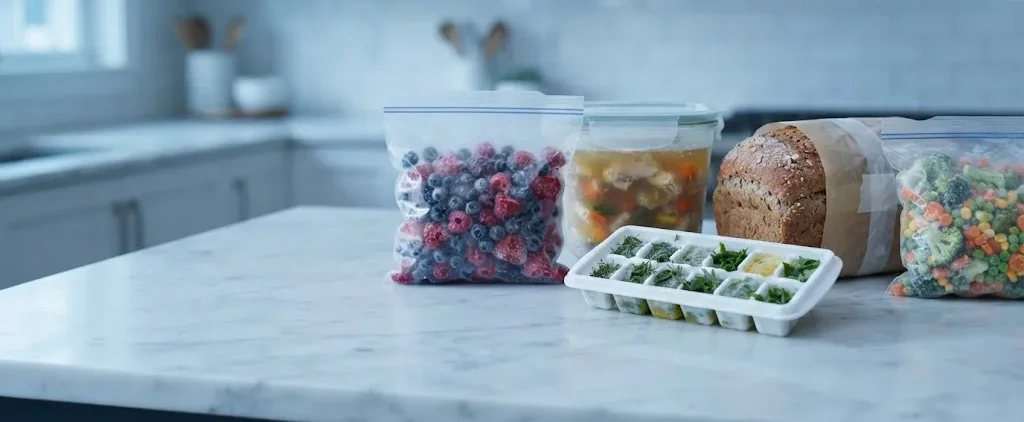
No, you should never freeze soda in its original container because the carbonation and liquid expansion will cause the bottle or can to burst.
Why
Freezing soda is extremely hazardous because liquids expand as they turn to ice, and carbon dioxide gas comes out of solution as it freezes, dramatically increasing internal pressure. Glass bottles will shatter, aluminum cans will split open, and plastic bottles can deform or explode when handled. Even if contained safely without bursting, freezing ruins the carbonation and can cause the beverage syrup to separate, resulting in a flat, unpalatable drink once thawed.
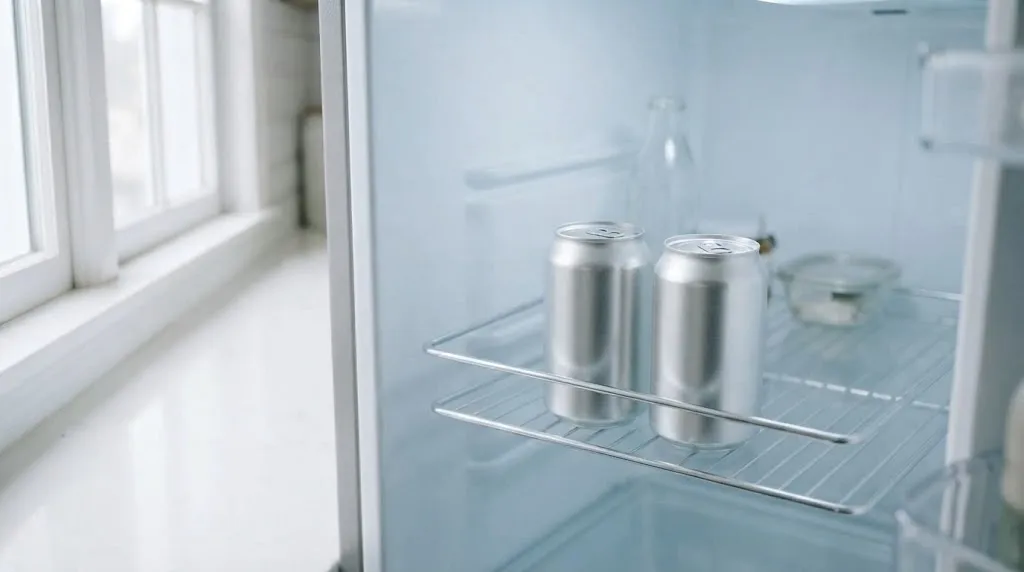
What freezing does to soda
- Flavor: Separation of ingredients can cause the drink to taste overly sweet or watery.
- Carbonation: Complete loss of fizz leaves the beverage entirely flat.
How to store soda instead
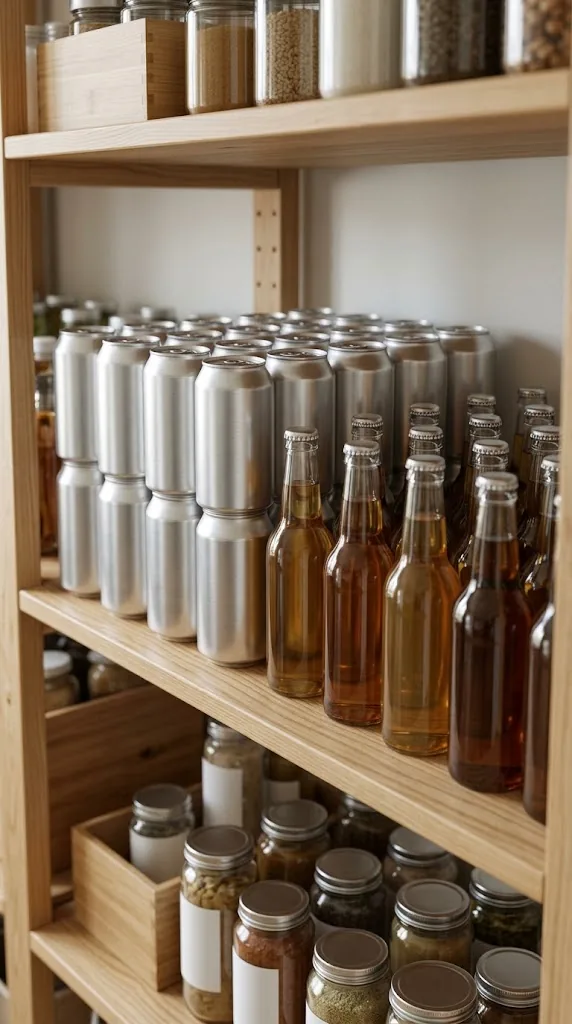
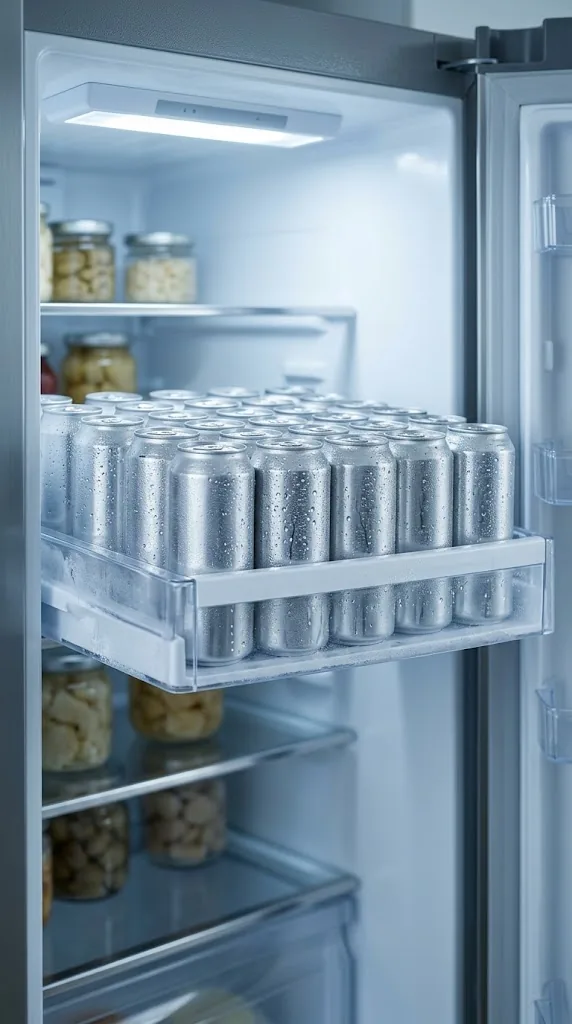
- Keep unopened soda cans and bottles stored safely in your pantry or refrigerator.
- Store at room temperature away from direct sunlight and heat sources.
- Chill individual servings in the refrigerator for a few hours before drinking.
- Never place carbonated beverages in the freezer, even for a quick chill.
How long soda keeps
| Where | How long |
|---|---|
| Freezer (0°F / -18°C) | Not recommended |
| Refrigerator (40°F / 4°C) | 3 to 4 days after opening |
| Pantry / counter | 6 to 9 months by the expiration date |
Can you refreeze soda?
No, you should never refreeze soda even if it was thawed safely in the refrigerator. Freezing already ruins the carbonation and causes ingredient separation, and a second cycle of freezing and thawing will completely destroy any remaining quality, leaving you with an entirely flat and unpalatable liquid.
- Pour leftover thawed soda into ice cube trays to use for flavored ice in cocktails.
- Use flat thawed soda as a liquid in baking recipes like cakes or marinades.
- Only thaw small portions at a time to minimize waste.
The rules for every food: Can you refreeze food after thawing?
Watch out for
- Bottles and cans can explode and cause flying glass or metal shrapnel.
- Freezing destroys the carbonation, leaving the soda permanently flat.
- The liquid can leak all over your freezer and ruin other stored foods.
Food safety notes
If a sealed soda container accidentally freezes and ruptures in a manner that exposes the liquid to outside contaminants, discard it immediately to prevent potential ingestion of packaging debris.
What to do instead
- Store soda in the refrigerator for a cold drink
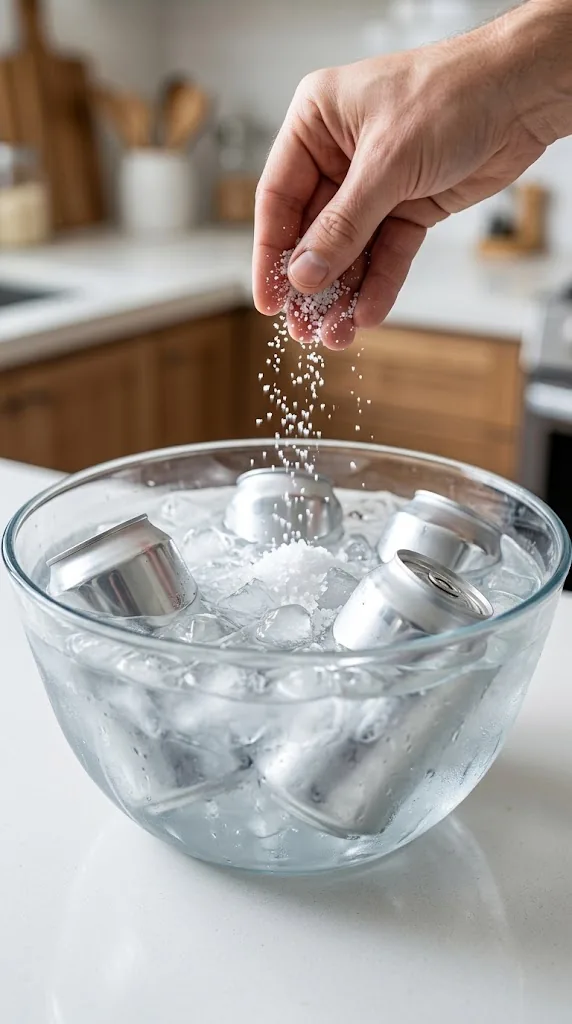
- Chill warm cans quickly in an ice water bath for 10-15 minutes
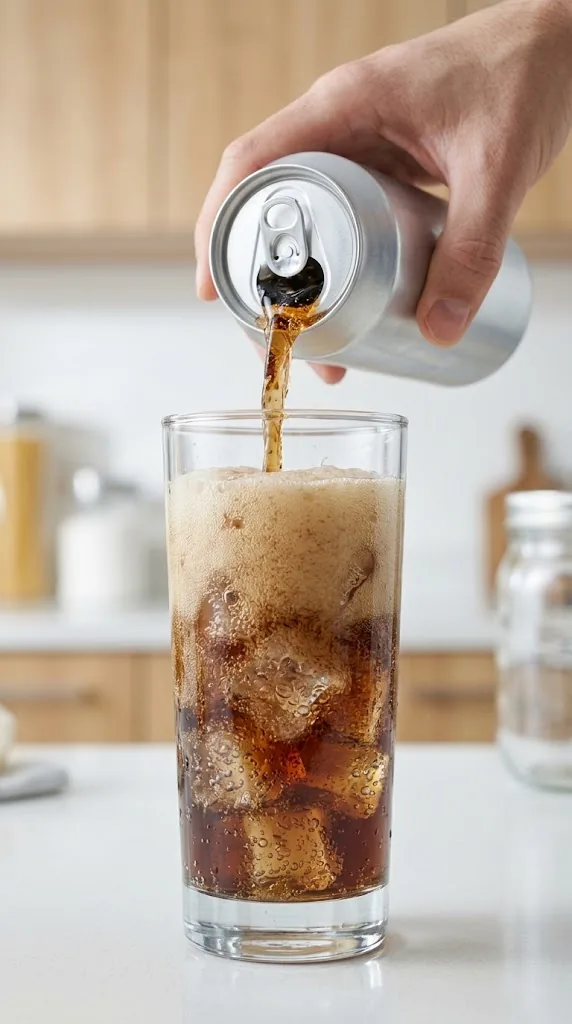
- Pour soda over ice cubes to cool it down instantly
Common questions
What happens if you put a can of soda in the freezer?
The water in the soda expands as it freezes and the dissolved carbon dioxide gas is forced out of the liquid. This creates immense pressure inside the sealed can, which will almost certainly burst or explode.
Can you freeze soda if you open the container first?
While pouring soda into an open, freezer-safe container with plenty of headspace prevents explosions, freezing will still ruin the carbonation. Once thawed, the drink will be completely flat and unappealing.
How can I quickly chill warm soda without the freezer?
The fastest way to chill warm soda is to submerge the cans or bottles in a bowl filled with ice, cold water, and a handful of salt. This will cool the drinks down significantly in less than ten minutes.
Can diet soda freeze any differently than regular soda?
Diet soda experiences the same expansion and carbonation loss as regular soda. Because it contains artificial sweeteners instead of sugar, the thawed liquid may separate differently, tasting even more unappealing and watery.
Why does soda expand so much more than water when it freezes?
Water expands as it turns into ice, but soda also contains dissolved carbon dioxide gas under high pressure. As the freezing process forces this gas out of the liquid, the expanding ice combined with trapped gas creates a powerful force that easily ruptures metal and glass.
Sources
- USDA FSIS: Freezing and Food Safety
- FoodSafety.gov: FoodKeeper storage times
- National Center for Home Food Preservation: Freezing
Freezer times are for best quality. Food kept at 0°F (-18°C) stays safe indefinitely, but always thaw it in the fridge, in cold water or in the microwave, never on the counter. When in doubt, throw it out. See the USDA freezing guide.