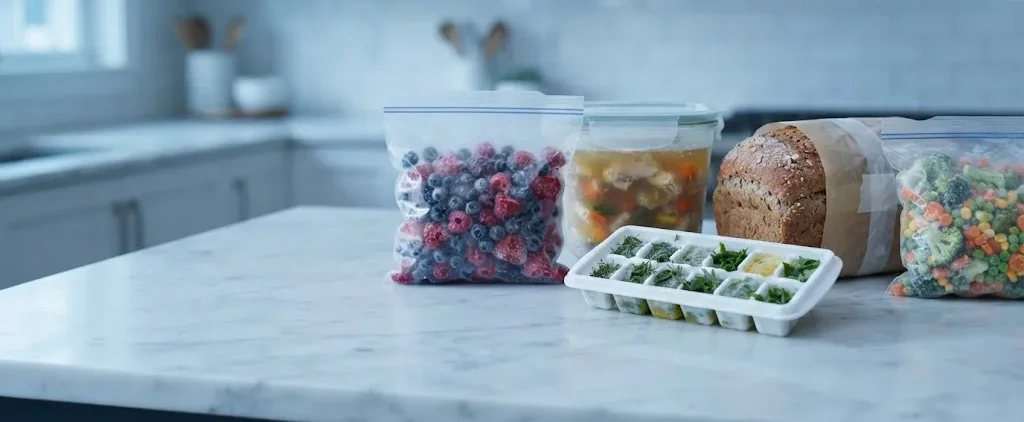
Yes, you can freeze ham successfully. It is a great way to preserve leftover holiday ham or deli slices for future meals.
Why
Ham freezes quite well because it has already been cured and cooked, which reduces its moisture content and prevents the formation of massive ice crystals that ruin texture. However, freezing can cause a slight drying out or minor loss in texture quality, particularly if it is not wrapped tightly enough to prevent moisture loss. Cured meats also contain salts and preservatives that help them hold up better in the freezer than fresh, untreated raw meats.

What freezing does to ham
- Texture: Can become slightly more fibrous or dry due to moisture loss during freezing.
- Flavor: Generally remains stable, though heavily seasoned hams may experience minor flavor dulling over time.
- Moisture: Tends to release a small amount of liquid upon thawing.
Types of ham and how they freeze
- Glazed Ham: High-sugar glazes can separate or become slightly watery during the thaw, so scrape off heavy glaze before freezing or plan to re-glaze after reheating.
- Honey Ham: The higher sugar content makes this variety slightly more susceptible to browning and minor texture softening in the freezer.
How to freeze ham
- Slice or portion the ham into meal-sized chunks before freezing so you only thaw what you need.
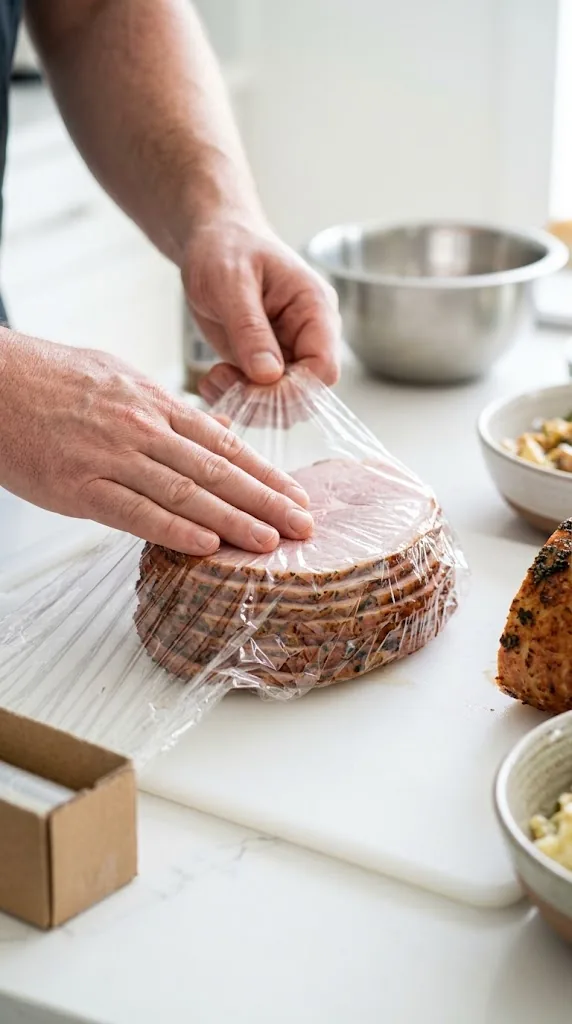
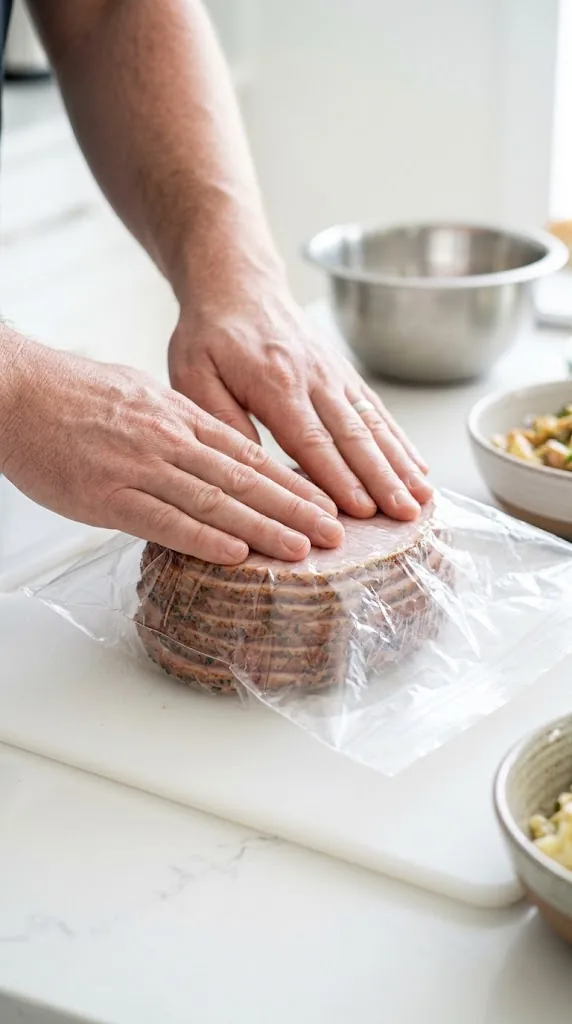
- Wrap each portion tightly in plastic wrap, pressing it firmly against the meat to remove all air.
- Place the wrapped ham inside heavy-duty freezer bags or wrap it in a second layer of aluminum foil.
- Squeeze excess air out of the bags and seal them securely.
- Label the package with the name and the current date to track freshness.

Best containers for freezing ham
- Freezer bags: press out as much air as you can and freeze them flat so they stack and thaw faster.
- Airtight rigid containers: best for soft or liquid foods. Leave about 1/2 inch of headspace because food expands as it freezes.
- Sheet pan first: freeze pieces in a single layer for an hour or two, then bag them so they don’t clump together.
- Label everything: write the item and the date on every package.
For ham: Wrap individual portions tightly in plastic wrap to eliminate air pockets, then place inside a heavy-duty freezer bag to prevent freezer burn.
How to thaw ham
- Place the frozen ham in the refrigerator and allow it to thaw slowly over 24 to 48 hours depending on the size.
- Alternatively, submerge the sealed ham in cold water, changing the water every 30 minutes until thawed.
- Use thawed ham within three to four days or use it immediately if thawed in the microwave.
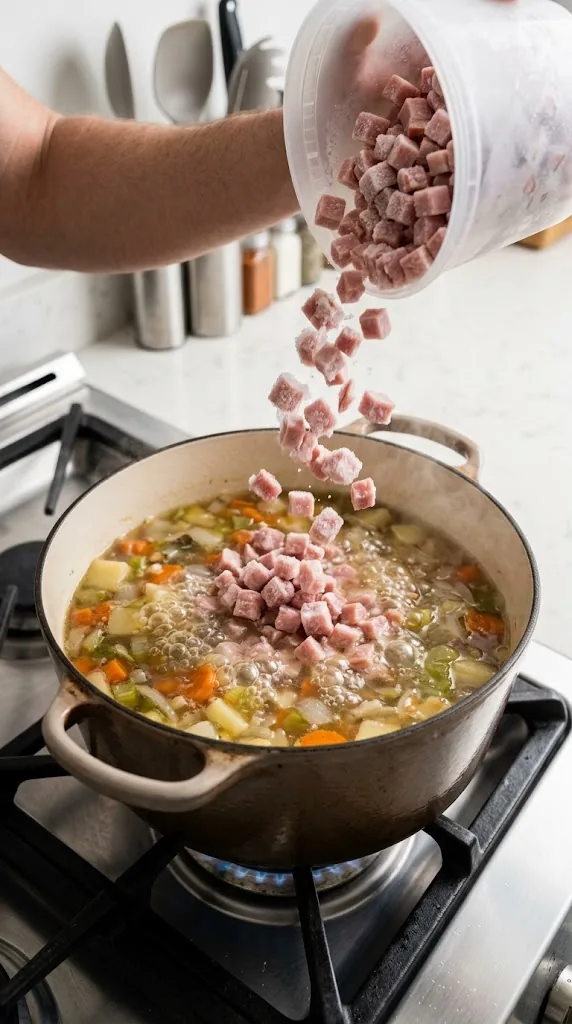
- You can also use diced or sliced frozen ham straight from the freezer into soups, casseroles, or quiches without thawing.
How to reheat ham
- Preheat your oven to 325 degrees Fahrenheit.
- Place the ham in a baking dish and add a splash of water or broth to maintain moisture.
- Cover tightly with aluminum foil and heat until the internal temperature reaches 165 degrees Fahrenheit.
Best ways to use frozen ham
- Great in split pea or ham and bean soups.
- Excellent for breakfast hashes, quiches, and omelets.
- Works well in baked casseroles and pasta dishes.
- Not ideal for cold, standalone deli platters due to minor texture changes.
Fixing the texture: Finely dicing the ham or incorporating it into a saucy dish helps mask any dryness or texture changes caused by freezing.
How long ham keeps
| Where | How long |
|---|---|
| Freezer (0°F / -18°C) | 1-2 months |
| Refrigerator (40°F / 4°C) | 3-5 days |
| Pantry / counter | Not recommended |
Can you refreeze ham?
Yes, you can refreeze ham, but only if it was thawed safely in the refrigerator and has not been left out at room temperature for more than two hours. If you thawed the ham using cold water or the microwave, you must cook it into a new dish before freezing it again. Keep in mind that refreezing ham can cause additional moisture loss, leading to a drier and more fibrous texture.
- Cook or bake leftover ham into a casserole or soup before refreezing it.
- Freeze ham in small, meal-sized portions so you only thaw what you need.
- Cool cooked ham dishes quickly in shallow containers and refrigerate or freeze within two hours.
The rules for every food: Can you refreeze food after thawing?
Watch out for
- Watch out for freezer burn if the ham is not wrapped tightly, which causes dry, discolored patches on the meat.
- Do not leave ham out on the counter to thaw at room temperature, as this can encourage bacterial growth.
- Avoid refreezing ham unless it was safely thawed in the refrigerator.
Food safety notes
Always thaw ham safely in the refrigerator or submerged in cold water, never on the counter. If you cooked fresh ham leftovers, cool them quickly in shallow containers and refrigerate or freeze within two hours.
Other ways to keep ham
- Store cooked ham in the refrigerator for three to five days in an airtight container.
- Use leftover ham to make a hearty split pea soup or breakfast hash before it spoils.
- Dice leftover ham for omelets, fried rice or pasta and use it within 3-5 days.
Common questions
Can you freeze a whole holiday ham?
Yes, you can freeze a whole ham, but it is best to slice or bone it first to save freezer space and make thawing easier. Large whole hams take a very long time to freeze solidly and may suffer from uneven quality.
Can you freeze spiral-cut ham?
You can freeze spiral-cut ham, but because it is already sliced, it is much more prone to drying out and freezer burn. Make sure to wrap it extremely tightly in multiple layers of plastic wrap and aluminum foil to lock in moisture.
Can you freeze deli ham slices?
Yes, deli ham freezes well for sandwiches and wraps. Place a small piece of parchment paper between the slices so they do not stick together, then seal them tightly in a freezer bag.
Can you freeze ham with a bone in it?
Yes, you can freeze a bone-in ham. In fact, keeping the bone in can help the meat retain more of its moisture, though you should trim off protruding sharp bones so they do not puncture the freezer packaging.
Does frozen ham lose its pink color?
Ham may experience slight fading or discoloration over time in the freezer, particularly if exposed to air. As long as it was wrapped properly and kept for the recommended duration, minor color changes do not mean it is unsafe to eat.
Sources
- USDA FSIS: Freezing and Food Safety
- FoodSafety.gov: FoodKeeper storage times
- National Center for Home Food Preservation: Freezing
Freezer times are for best quality. Food kept at 0°F (-18°C) stays safe indefinitely, but always thaw it in the fridge, in cold water or in the microwave, never on the counter. When in doubt, throw it out. See the USDA freezing guide.