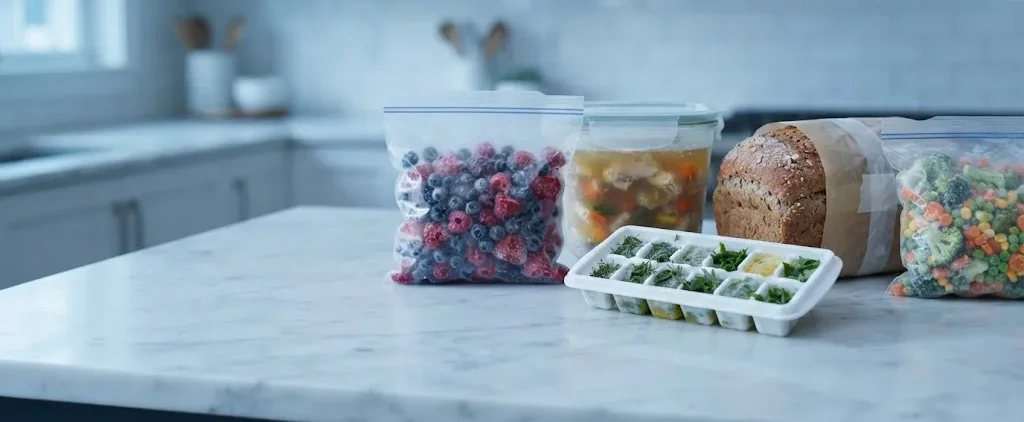
Yes, you can freeze cheesecake very successfully. It is one of the best desserts for the freezer because its high fat content helps maintain a rich texture.
Why
Cheesecake freezes well due to its dense, high-fat cream cheese base, which resists major structural damage from ice crystal formation. While delicate fruit toppings or meringue can become watery or soggy upon thawing, a plain, chocolate, or caramel-topped cheesecake retains its creamy texture and rich flavor remarkably well. Proper wrapping is essential to prevent moisture loss and freezer burn, ensuring the crust remains crisp and the filling stays smooth after storage.
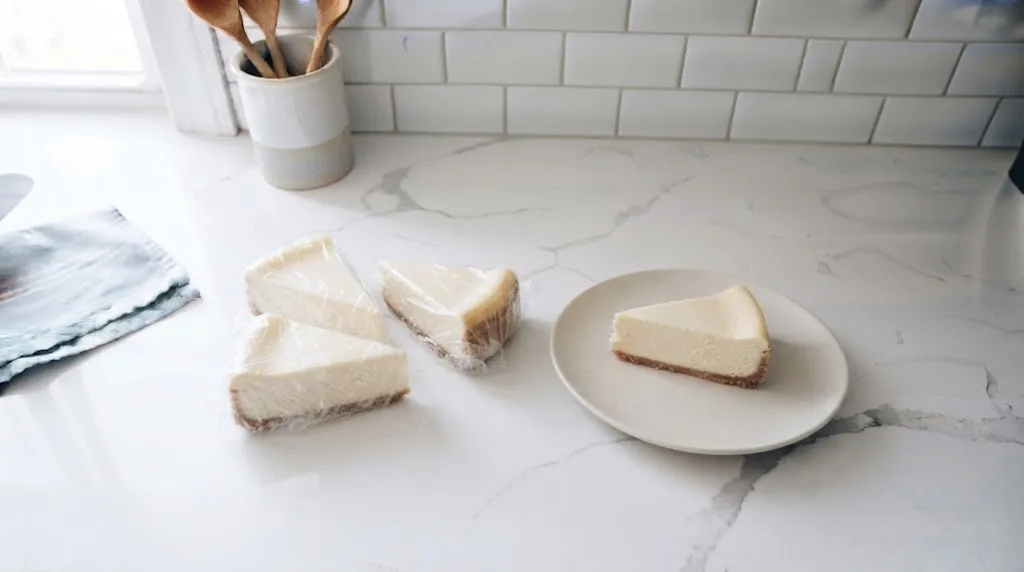
What freezing does to cheesecake
- Texture: Can become slightly denser if the cream cheese content is low or if it contains excess moisture.
- Flavor: Generally remains stable, though prolonged storage can lead to a slight dulling of delicate vanilla notes.
Types of cheesecake and how they freeze
- Low-fat cheesecake: Low-fat and fat-free varieties do not freeze as well because their higher water content leads to excessive ice crystal formation and a watery texture upon thawing.
- No-bake cheesecake: No-bake cheesecakes rely on gelatin or whipped cream rather than baking to set, which can result in a grainier texture after freezing and thawing.
How to freeze cheesecake
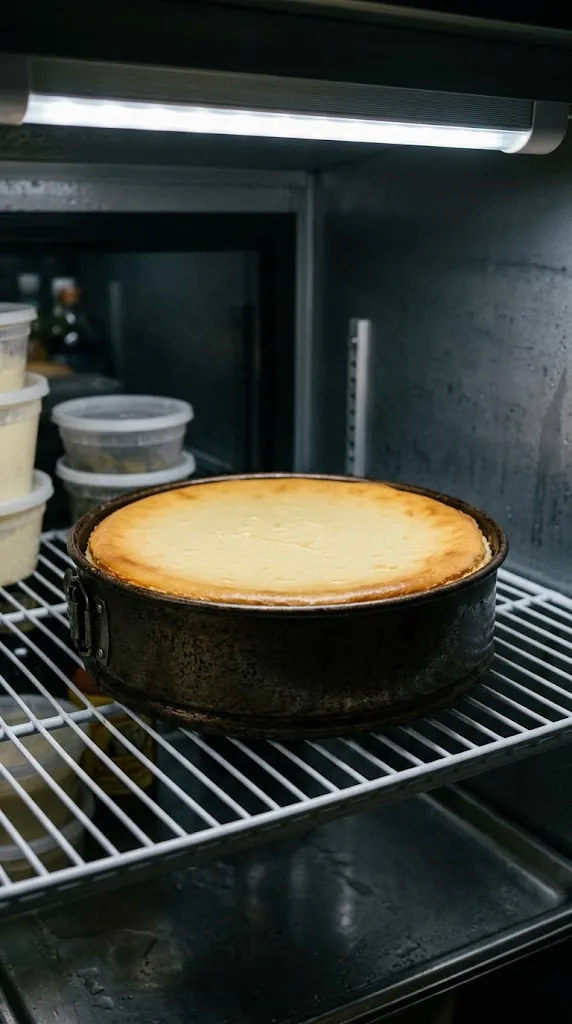
- Chill the cheesecake completely in the refrigerator before attempting to freeze it.
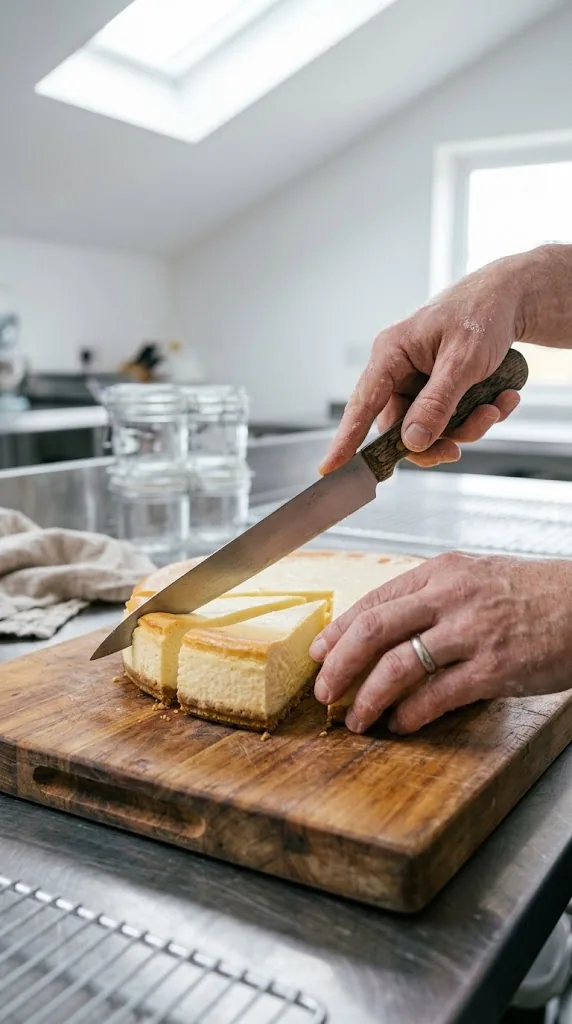
- Slice the cheesecake into individual portions if you plan to thaw only a piece at a time.
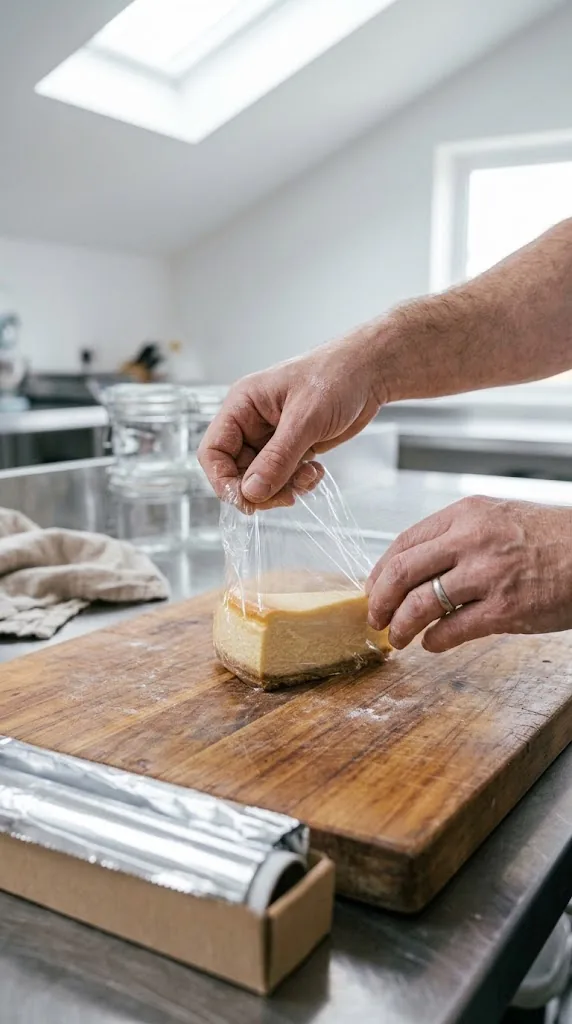
- Wrap each slice or the whole cheesecake tightly in a layer of plastic wrap, pressing it directly against the surface.
- Overwrap tightly with a layer of heavy-duty aluminum foil to block out air.
- Place the wrapped cheesecake inside a heavy-duty freezer bag or airtight container, label with the date, and store.
Best containers for freezing cheesecake
- Freezer bags: press out as much air as you can and freeze them flat so they stack and thaw faster.
- Airtight rigid containers: best for soft or liquid foods. Leave about 1/2 inch of headspace because food expands as it freezes.
- Sheet pan first: freeze pieces in a single layer for an hour or two, then bag them so they don’t clump together.
- Label everything: write the item and the date on every package.
For cheesecake: Flash-freeze individual slices on a baking sheet for an hour before wrapping them tightly in plastic wrap and heavy-duty foil to prevent the pieces from sticking together.
How to thaw cheesecake
- Transfer the wrapped cheesecake from the freezer to the refrigerator.
- Allow it to thaw slowly in the refrigerator overnight or for at least 8 to 12 hours.
- Remove the plastic wrap and foil while still chilled to prevent condensation from making the surface soggy.
- Serve chilled or let sit at room temperature for 15 minutes before eating.
Best ways to use frozen cheesecake
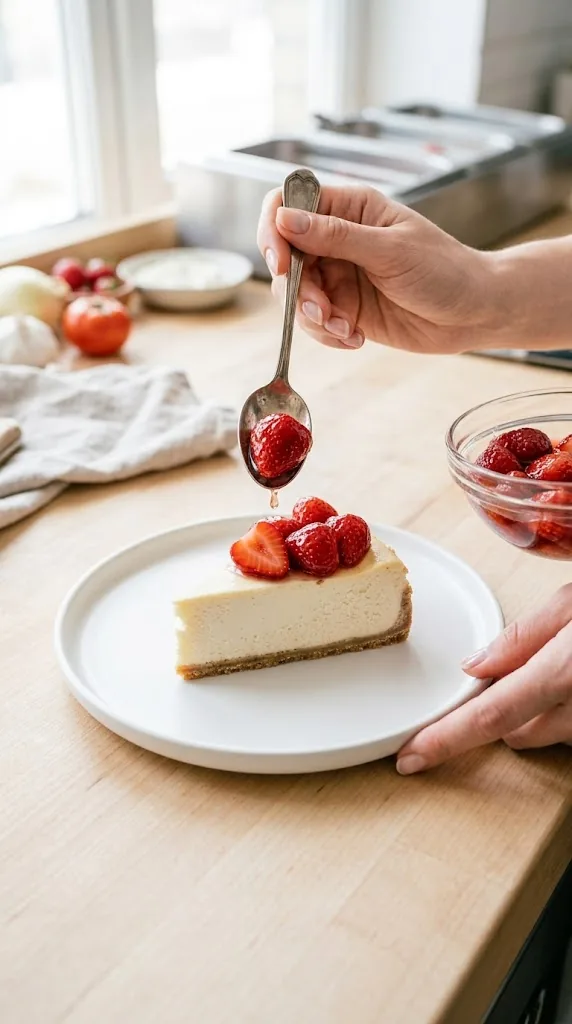
- Great for quick desserts when thawed and served with fresh berries
- Not suitable for use in warm dessert bakes or hot recipes
Fixing the texture: If the texture feels slightly dry after thawing, let the cheesecake sit at room temperature for 20 minutes before serving to help the fats soften and restore creaminess.
How long cheesecake keeps
| Where | How long |
|---|---|
| Freezer (0°F / -18°C) | 1-2 months |
| Refrigerator (40°F / 4°C) | 3-5 days |
| Pantry / counter | Not recommended |
Can you refreeze cheesecake?
Yes, you can refreeze cheesecake if it was thawed safely in the refrigerator and has not been left out at room temperature for more than two hours. However, refreezing cheesecake will cause a noticeable decline in quality, often resulting in a grainier texture and a loss of rich flavor.
- Slice the cheesecake into individual portions before freezing so you only thaw what you plan to eat.
- Wrap each slice tightly in plastic wrap and heavy-duty aluminum foil to protect against freezer burn.
- Check the thawed cheesecake for any signs of spoilage or off odors before deciding to refreeze it.
The rules for every food: Can you refreeze food after thawing?
Watch out for
- Delicate fruit toppings, fresh whipped cream, or sour cream layers can become watery and separate when thawed.
- Unwrapped cheesecake is highly susceptible to absorbing odors from other foods in the freezer.
- Refreezing a thawed cheesecake can result in a grainy texture and loss of flavor quality.
- Crusts made from graham crackers may soften slightly during the thawing process.
Food safety notes
Always thaw cheesecake safely in the refrigerator rather than on the counter to prevent bacterial growth. Cheesecake that has been safely thawed in the refrigerator can be refrozen within 3 to 5 days, though quality will decline.
Other ways to keep cheesecake
- Store in the refrigerator for up to 5 days in an airtight container.
- Make individual mini cheesecakes in jars to portion out easily without cutting.
- Leave off fruit or whipped toppings until serving so they stay fresh.
Common questions
Can you freeze cheesecake with fruit topping?
It is best to freeze cheesecake plain or with baked-in swirls. Delicate fruit toppings often become mushy and release too much water when thawed, so add fresh fruit after the cheesecake has thawed.
Should I slice cheesecake before freezing?
Yes, slicing the cheesecake before freezing allows you to thaw only as much as you need without having to defrost the entire cake.
How can I tell if frozen cheesecake has gone bad?
If the cheesecake develops dry, discolored patches from freezer burn, has a sour odor, or shows signs of mold after thawing, it should be discarded.
Can you freeze store-bought cheesecake in its original cardboard box?
No, standard cardboard boxes do not provide adequate protection against air and moisture, which will cause severe freezer burn. Remove the cheesecake from the box, slice it, and wrap each piece securely in plastic wrap and foil.
Why is my frozen cheesecake grainy after thawing?
Graininess usually occurs if the cheesecake was frozen too slowly, fluctuated in temperature, or contained low-fat cream cheese with too much water. Using full-fat cream cheese and wrapping the cake tightly helps prevent large ice crystals from forming.
Sources
- USDA FSIS: Freezing and Food Safety
- FoodSafety.gov: FoodKeeper storage times
- National Center for Home Food Preservation: Freezing
Freezer times are for best quality. Food kept at 0°F (-18°C) stays safe indefinitely, but always thaw it in the fridge, in cold water or in the microwave, never on the counter. When in doubt, throw it out. See the USDA freezing guide.