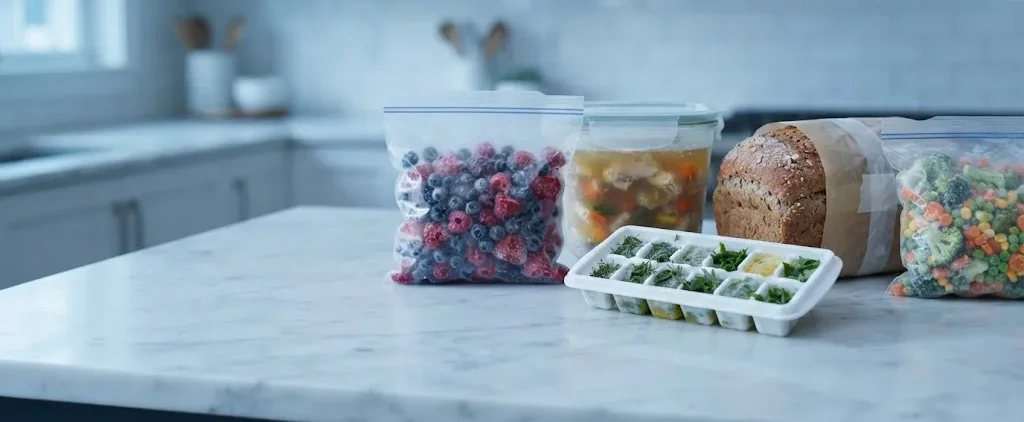
Yes, but freezing cat kibble is generally unnecessary since it is shelf-stable and keeps well in the pantry.
Why
Cat kibble has a very low moisture content, which normally prevents mold and bacteria growth while keeping it fresh. Freezing dry pet food does not damage its nutritional profile or cause ice crystal damage due to the lack of water, but it can absorb ambient moisture from the freezer if not sealed tightly. This moisture introduction upon thawing can lead to mold growth or spoilage. Therefore, freezing is only beneficial for long-term storage in hot, humid climates to prevent rancidity of fats or to deter pests, provided it is completely airtight.
What freezing does to cat kibble
- Moisture: Can increase if the packaging leaks, leading to potential mold after thawing.
- Flavor: May absorb surrounding freezer odors if not airtight.
- Texture: Remains generally unchanged due to the low initial moisture content.
Types of cat kibble and how they freeze
- Standard dry kibble: Freezes well in airtight bags if protected from humidity and freezer burn.
- Freeze-dried raw kibble: Must be kept completely dry as any introduced moisture will ruin the texture and safety.
How to freeze cat kibble
- Check that the kibble is completely dry and free of any existing spoilage.
- Portion the kibble into freezer-safe Ziploc bags or airtight vacuum-sealed bags.
- Press out as much air as possible before sealing to prevent moisture contact.
- Label the bags with the date of freezing.
- Place the bags into a second outer container or heavy-duty bag for extra protection against freezer odors.
Best containers for freezing cat kibble
- Freezer bags: press out as much air as you can and freeze them flat so they stack and thaw faster.
- Airtight rigid containers: best for soft or liquid foods. Leave about 1/2 inch of headspace because food expands as it freezes.
- Sheet pan first: freeze pieces in a single layer for an hour or two, then bag them so they don’t clump together.
- Label everything: write the item and the date on every package.
For cat kibble: Use heavy-duty freezer bags or vacuum-sealed bags, squeezing out all excess air to prevent condensation during the thawing process.
How to thaw cat kibble
- Remove the desired portion of kibble from the freezer.
- Keep the bag completely sealed while it comes to room temperature to prevent condensation from forming on the dry food inside.
- Allow it to sit undisturbed at room temperature for a few hours until fully warmed up.
- Open the bag and serve immediately to your cat.
Best ways to use frozen cat kibble
- Feeding cats in high-humidity climates
- Killing potential grain pests in bulk purchases
Fixing the texture: There is no fix for moisture-damaged or soggy kibble; if condensation gets inside, the food must be discarded.
How long cat kibble keeps
| Where | How long |
|---|---|
| Freezer (0°F / -18°C) | 6-12 months |
| Refrigerator (40°F / 4°C) | Not recommended |
| Pantry / counter | 4-6 weeks after opening |
Can you refreeze cat kibble?
Yes, dry cat kibble can be refrozen safely provided it never absorbed moisture, came into contact with condensation, or developed any signs of spoilage during its initial thaw.
- Only thaw small portions at a time to avoid repeated temperature cycling.
- Ensure the packaging remains completely airtight every time you return it to the freezer.
The rules for every food: Can you refreeze food after thawing?
Watch out for
- Condensation forming inside the bag upon thawing can ruin the kibble and cause mold.
- Kibble easily absorbs strong odors from the freezer, altering its taste and making cats refuse to eat it.
- Freezing does not improve stale kibble; it only preserves its current state.
Food safety notes
Ensure the kibble is fully sealed to prevent ambient freezer moisture from causing mold growth, which can make your pet sick.
Other ways to keep cat kibble
- Store in a cool, dark, and dry pantry in an airtight plastic or metal container.
- Buy smaller bags of kibble that your cat can finish within 4 to 6 weeks.
- Keep the original bag sealed tightly with a clip and stored inside a dedicated pet food bin.
Common questions
Does freezing cat kibble kill pantry pests?
Yes, keeping dry pet food in the freezer for at least 48 to 72 hours will kill any potential grain mite or flour beetle eggs that may have contaminated the product.
Can I feed frozen kibble directly to my cat?
It is best to let the kibble warm up to room temperature first, as freezing cold food can be unpalatable or sensitive to a cat's teeth.
Will freezing degrade the nutrients in cat kibble?
The cold temperatures have very little impact on the core macronutrients, though added vitamins may experience minimal degradation over very long periods.
Why would anyone need to freeze dry pet food?
People living in extremely hot and humid tropical climates freeze kibble to prevent the fats from going rancid and to keep out ants or beetles.
How can I tell if thawed kibble has gone bad?
If the kibble smells sour, rancid, or has any visible mold or moisture clumping inside the bag, discard it immediately.
Sources
- USDA FSIS: Freezing and Food Safety
- FoodSafety.gov: FoodKeeper storage times
- National Center for Home Food Preservation: Freezing
Freezer times are for best quality. Food kept at 0°F (-18°C) stays safe indefinitely, but always thaw it in the fridge, in cold water or in the microwave, never on the counter. When in doubt, throw it out. See the USDA freezing guide.