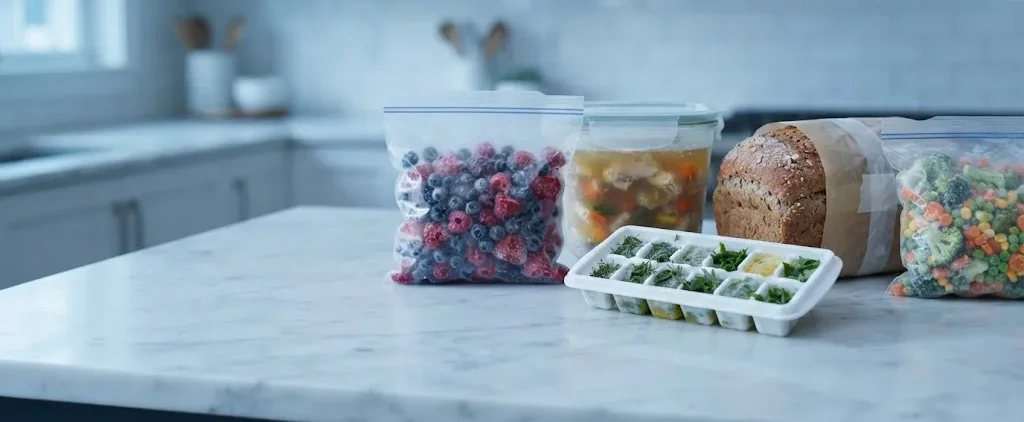
Yes, spaghetti sauce freezes exceptionally well, whether it is homemade or store-bought, and with or without meat.
Why
Spaghetti sauce freezes very well because its high moisture and tomato content retain their flavor and consistency remarkably during cold storage. While the sauce may separate slightly or appear slightly watery after thawing due to water expansion and the breakdown of certain emulsifiers during freezing, a quick stir during reheating will easily restore it to its original smooth texture. Meat-based sauces freeze just as reliably as vegetarian ones, though skimming excess fat before freezing ensures a cleaner flavor.
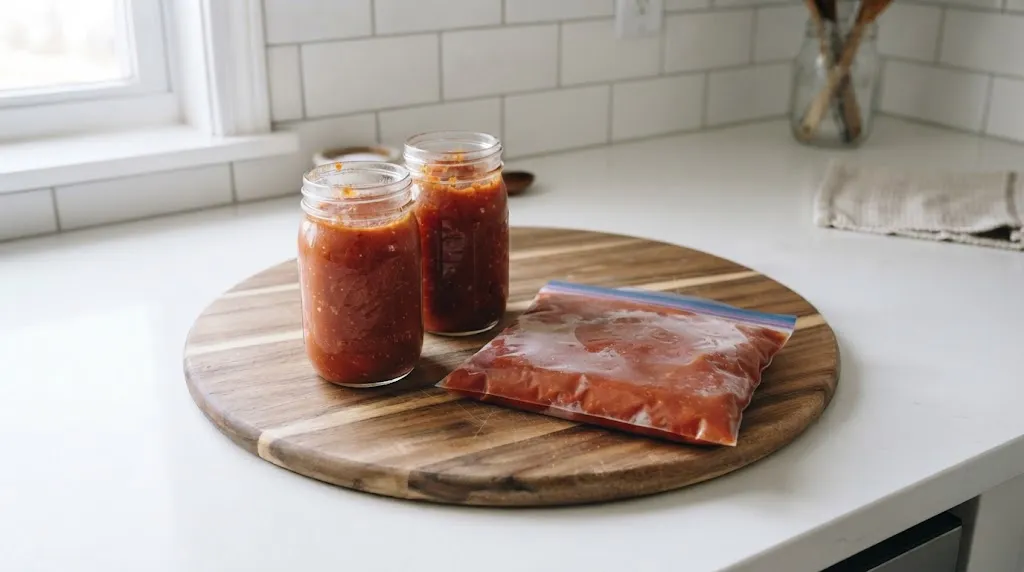
What freezing does to spaghetti sauce
- Texture: Can become slightly grainy or watery due to tomato cell walls breaking down during freezing.
- Flavor: Herbs and garlic may mellow out slightly, while salt concentration can feel slightly more pronounced.
Types of spaghetti sauce and how they freeze
- Cream-based or vodka sauce: Dairy can curdle and separate when frozen, so these sauces require gentle, low-heat reheating with vigorous whisking to restore smoothness.
- Chunky vegetable sauce: High-water vegetables like zucchini or mushrooms will release more liquid upon thawing, making the sauce noticeably thinner.
How to freeze spaghetti sauce
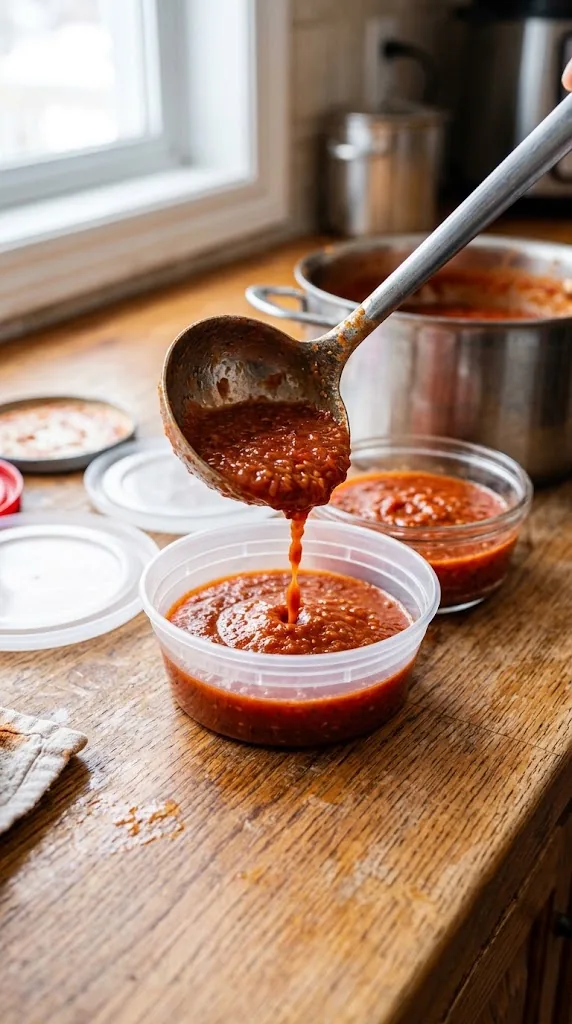
- Cool the sauce quickly in shallow containers and freeze it within 2 hours of cooking.
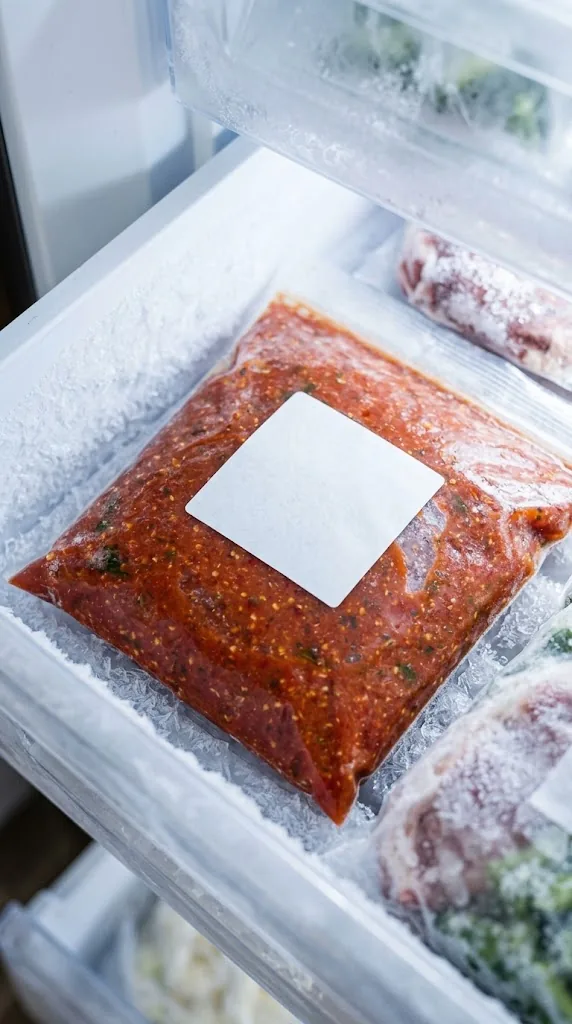
- Portion the cooled sauce into freezer-safe containers or heavy-duty freezer bags.
- Leave about one half-inch of headspace at the top of containers to allow for expansion as the sauce freezes.
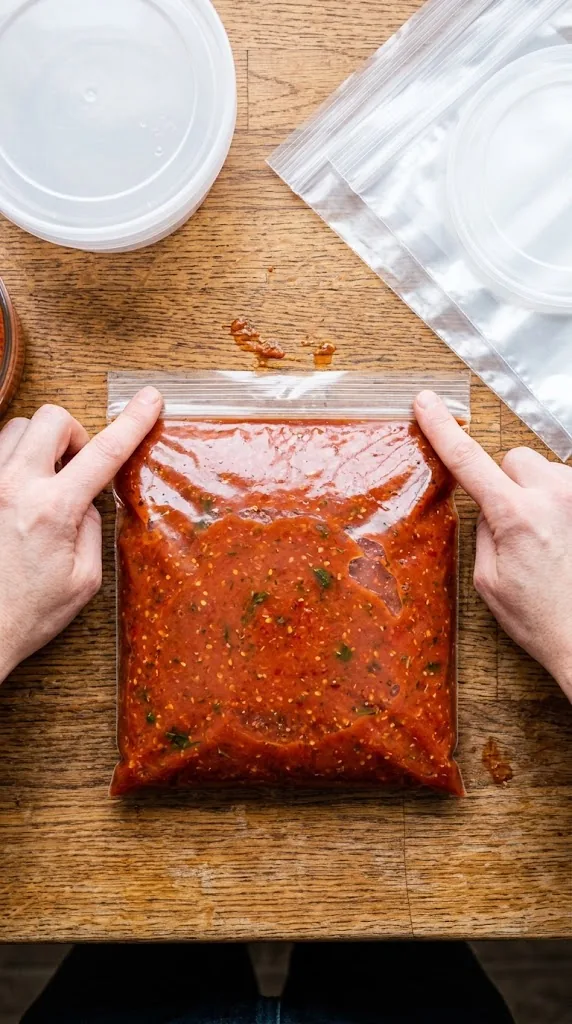
- Press out as much air as possible from freezer bags and seal them tightly.
- Label the containers or bags with the current date and item name before placing them in the freezer.
Best containers for freezing spaghetti sauce
- Freezer bags: press out as much air as you can and freeze them flat so they stack and thaw faster.
- Airtight rigid containers: best for soft or liquid foods. Leave about 1/2 inch of headspace because food expands as it freezes.
- Sheet pan first: freeze pieces in a single layer for an hour or two, then bag them so they don’t clump together.
- Label everything: write the item and the date on every package.
For spaghetti sauce: Heavy-duty freezer bags laid flat maximize storage space and thaw quickly, while rigid containers need at least one half-inch of headspace for liquid expansion.
How to thaw spaghetti sauce
- Place frozen spaghetti sauce in the refrigerator overnight until it is completely thawed.
- Alternatively, submerge a sealed freezer bag of sauce in cold water, changing the water every thirty minutes until thawed.
- You can also use the microwave on the defrost setting, stirring frequently, and use the sauce immediately afterward.
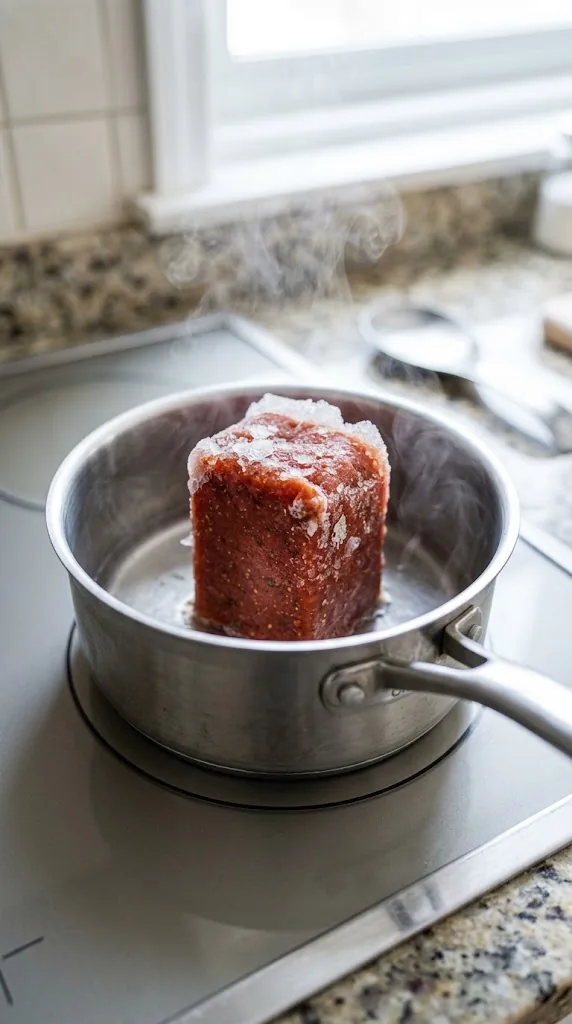
- You can also add frozen spaghetti sauce directly to a saucepan over low heat, stirring occasionally until hot.
How to reheat spaghetti sauce
- Transfer the thawed or frozen sauce into a saucepan over medium-low heat.
- Cover the pan to prevent splattering and bring the sauce to a gentle simmer, stirring frequently.
- Ensure the sauce reaches an internal temperature of 165°F (74°C) throughout before serving.
Best ways to use frozen spaghetti sauce
- Great as a base for baked ziti, lasagna, and hearty pasta bakes
- Works well as a quick pizza or calzone spread
- Not ideal for delicate, raw cold salads or as an unheated dipping sauce due to texture changes
Fixing the texture: Vigorously stir the sauce while simmering it on the stove, or blend it briefly with an immersion blender to re-emulsify any separated liquids.
How long spaghetti sauce keeps
| Where | How long |
|---|---|
| Freezer (0°F / -18°C) | 3-6 months |
| Refrigerator (40°F / 4°C) | 4-5 days |
| Pantry / counter | Not recommended |
Can you refreeze spaghetti sauce?
Yes, spaghetti sauce can be safely refrozen if it was thawed in the refrigerator and has not been left out at room temperature for more than two hours. However, freezing the sauce a second time will further degrade the texture, making it increasingly watery or grainy due to the repeated breakdown of tomato cell walls.
- Cook or bake the thawed sauce into a dish like lasagna before refreezing it
- Freeze the sauce in smaller portions so you only thaw what you need
- Stir the sauce vigorously while reheating to help restore its smooth consistency
The rules for every food: Can you refreeze food after thawing?
Watch out for
- Glass jars can crack or shatter in the freezer if filled completely without enough headspace.
- Tomato-based sauces can stain plastic containers permanently during storage or reheating.
- Meat in the sauce should be fully cooked before freezing for the best quality and safety.
- Freezing can sometimes slightly concentrate herbs and spices, so taste and adjust seasoning after reheating.
Food safety notes
Always cool cooked spaghetti sauce quickly in shallow containers and refrigerate or freeze it within 2 hours of cooking. If the sauce was thawed safely in the refrigerator, it can be refrozen within 3 to 4 days.
Other ways to keep spaghetti sauce
- Store it in an airtight container in the refrigerator for up to four to five days.
- Can meatless tomato sauce with a tested recipe for shelf-stable storage.
Common questions
Can I freeze spaghetti sauce with meat in it?
Yes, spaghetti sauce containing ground beef, turkey, or Italian sausage freezes very well. Just ensure the meat is thoroughly cooked before freezing and skim any excess surface fat to maintain the best flavor.
Why does my thawed spaghetti sauce look watery?
Water separation is completely normal when freezing tomato-based products due to the breakdown of cellular structures and starches. Simply heat the sauce on the stovetop and stir vigorously to recombine the ingredients.
Can I freeze spaghetti sauce in glass jars?
You can use glass jars only if they are labeled freezer-safe (straight-sided jars work best) and you leave at least one inch of headspace at the top. Regular glass mason jars not rated for freezing may crack when the liquid expands.
Can I freeze spaghetti sauce that has cheese already mixed into it?
Yes, but keep in mind that frozen and thawed cheese can become slightly grainy or separate from the sauce. For the best quality, consider stirring fresh cheese into the sauce after it has been thawed and reheated.
How can I prevent tomato-based spaghetti sauce from staining my plastic freezer containers?
You can coat the inside of plastic containers with a thin layer of cooking oil or line them with a freezer-safe silicone bag before adding the sauce. Alternatively, use tempered glass containers or heavy-duty freezer bags to avoid plastic staining entirely.
Sources
- USDA FSIS: Freezing and Food Safety
- FoodSafety.gov: FoodKeeper storage times
- National Center for Home Food Preservation: Freezing
Freezer times are for best quality. Food kept at 0°F (-18°C) stays safe indefinitely, but always thaw it in the fridge, in cold water or in the microwave, never on the counter. When in doubt, throw it out. See the USDA freezing guide.