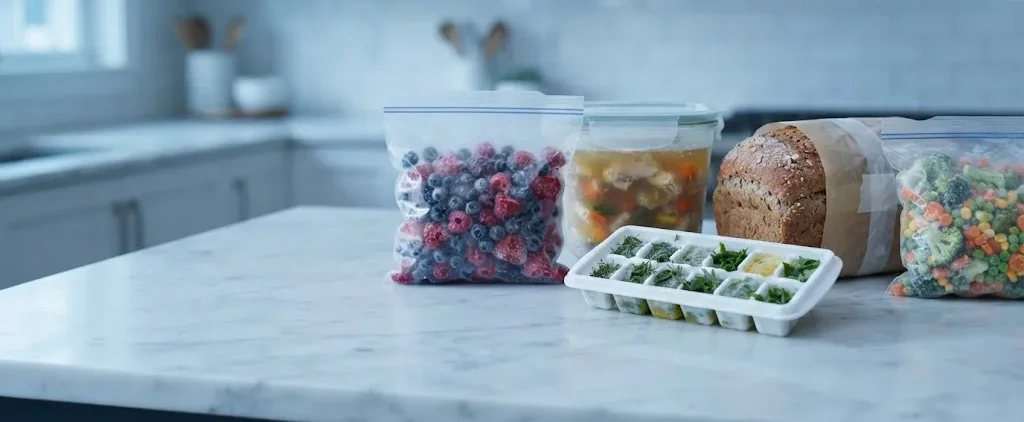
Yes, soup freezes exceptionally well and is one of the easiest meals to store in your freezer for later.
Why
Soup freezes very well because it has a high water content and is usually cooked thoroughly before storage. When liquid cools and freezes, ice crystals form, but the blended ingredients or suspended vegetables and meats generally maintain their structure well in a broth base. Cream-based soups may separate slightly when thawed, but a quick whisk during reheating usually restores their smooth texture. Storing soup in airtight containers protects it from freezer burn and preserves its comforting flavors for months.
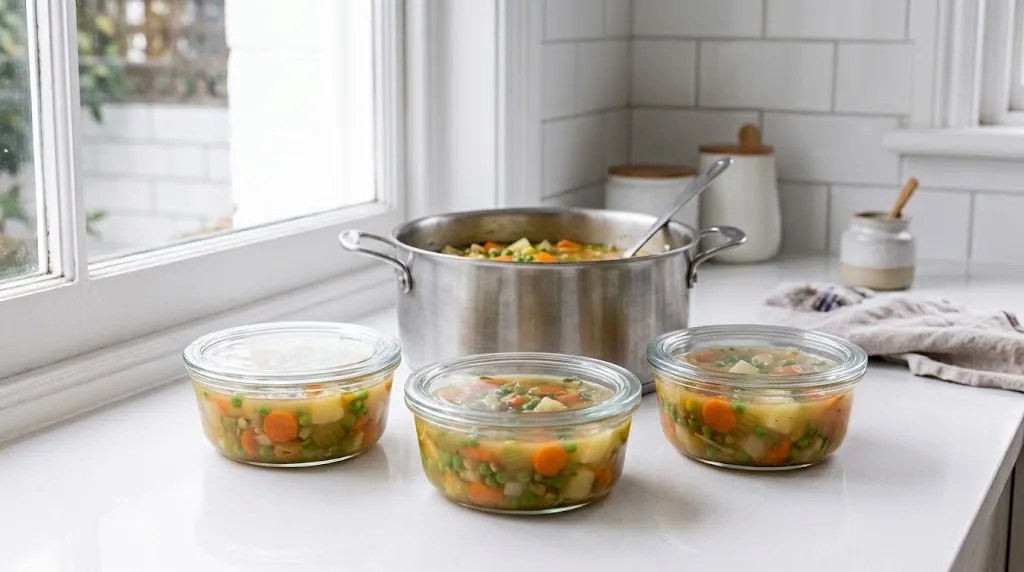
What freezing does to soup
- Texture: Potatoes, rice, and pasta can become overly soft, spongy, or mushy after thawing.
- Flavor: Spices and garlic can mellow during extended freezer storage, sometimes requiring adjustments upon reheating.
- Moisture: Dairy fats in cream or milk-based broths may separate or curdle, resulting in a slightly grainy look.
Types of soup and how they freeze
- Cream-based soup: Made with heavy cream rather than milk, these freeze slightly better due to higher fat content, though they still benefit from vigorous whisking when reheated.
- Chunky vegetable soup: Cabbage, zucchini, and root vegetables hold up reasonably well, but high-water vegetables like celery can turn quite limp after freezing.
- Pureed soup: Blended or velvety soups freeze and thaw exceptionally well because their uniform structure prevents noticeable separation of ingredients.
How to freeze soup
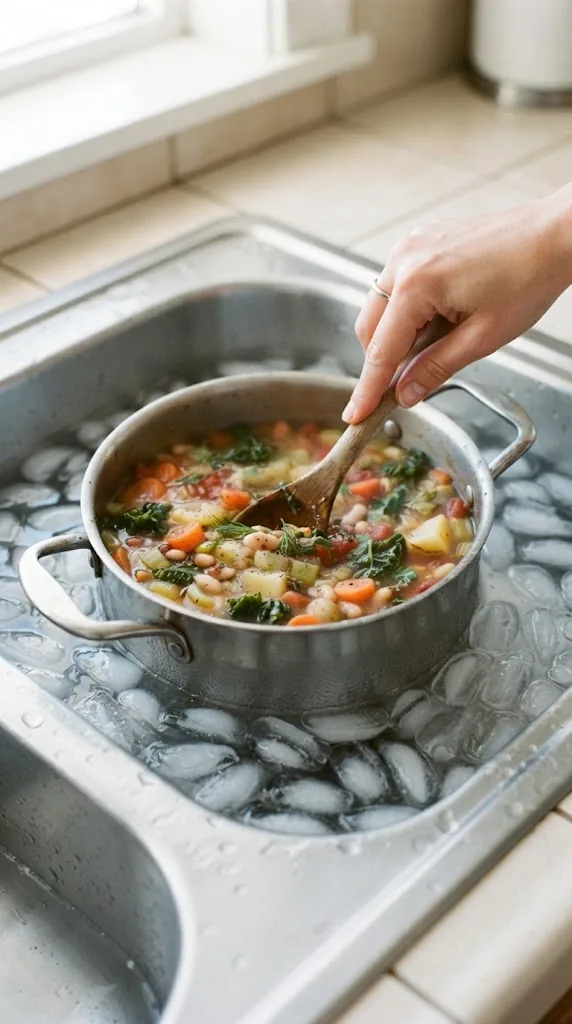
- Cool the soup quickly (divide it into shallow containers or set the pot in an ice bath) and freeze it within 2 hours of cooking.
- Skim off any excess fat from the surface of the soup.
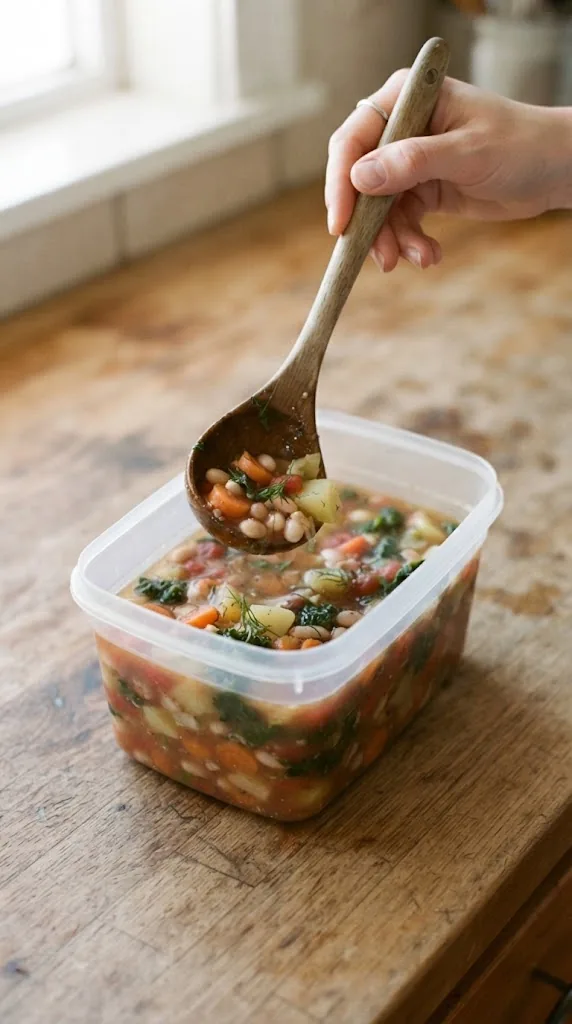
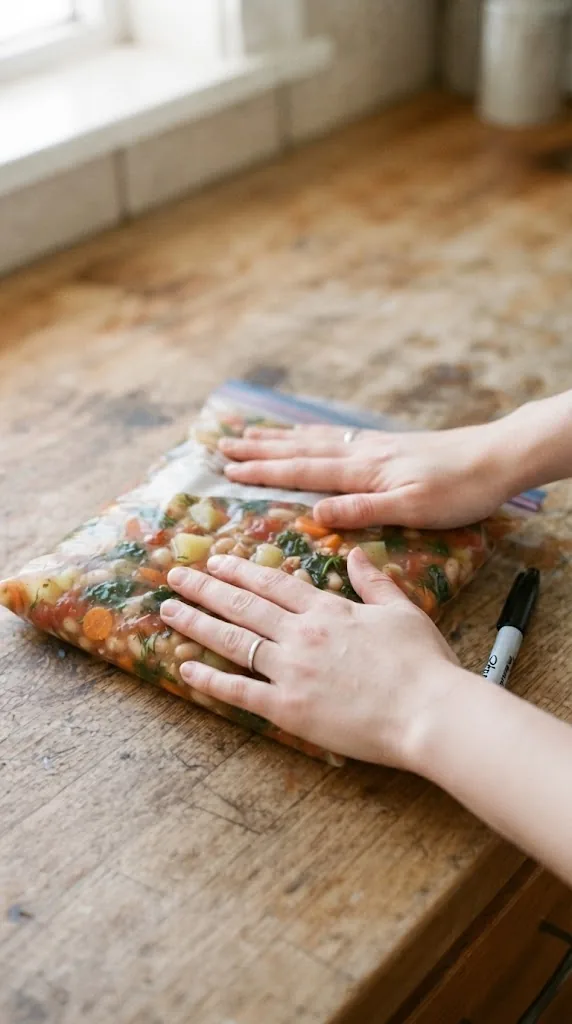
- Pour the soup into freezer-safe containers or heavy-duty freezer bags, leaving about an inch of headspace for the liquid to expand as it freezes.
- Seal the containers tightly, removing as much air as possible from freezer bags.
- Label the containers or bags with the name of the soup and the freezing date.
Best containers for freezing soup
- Freezer bags: press out as much air as you can and freeze them flat so they stack and thaw faster.
- Airtight rigid containers: best for soft or liquid foods. Leave about 1/2 inch of headspace because food expands as it freezes.
- Sheet pan first: freeze pieces in a single layer for an hour or two, then bag them so they don’t clump together.
- Label everything: write the item and the date on every package.
For soup: Freeze soup in rigid straight-sided containers or heavy-duty freezer bags, always leaving at least one inch of headspace to accommodate expansion.
How to thaw soup
- Place the frozen soup in the refrigerator overnight until completely thawed.
- Alternatively, submerge a sealed freezer bag of soup in cold water, changing the water every 30 minutes until thawed.
- You can also reheat the soup straight from frozen in a saucepan over medium-low heat, stirring frequently.
- If using a microwave, use the defrost setting and heat the soup until warmed through, stirring occasionally.
How to reheat soup
- Transfer the thawed soup to a saucepan over medium-low heat.
- Heat the soup until it reaches an internal temperature of 165°F (74°C) for safety.
- Stir frequently while heating to ensure even warmth and smooth out any separation.
Best ways to use frozen soup
- Great as a quick base for grain bowls by pouring thick thawed soup over cooked quinoa or farro
- Wonderful for quick weeknight lunches served alongside crusty bread
- Not ideal for chilled gazpacho-style recipes which are meant to be served cold without freezing
Fixing the texture: Whisk cream soups vigorously over heat, or use an immersion blender to restore a smooth consistency to separated broths.
How long soup keeps
| Where | How long |
|---|---|
| Freezer (0°F / -18°C) | 3-6 months |
| Refrigerator (40°F / 4°C) | 3 to 4 days |
| Pantry / counter | Not recommended |
Can you refreeze soup?
Yes, you can refreeze soup only if it was thawed safely in the refrigerator and has not spent more than 3 to 4 days there. However, a second freeze will significantly degrade the texture and flavor quality of the soup.
- Cook or thoroughly reheat the soup before refreezing it.
- Freeze soup in small portions so you only thaw what you need.
- Vigorously whisk cream-based soups during reheating to help restore their texture.
The rules for every food: Can you refreeze food after thawing?
Watch out for
- Leave enough headspace in glass or rigid containers, as freezing liquids expand and can crack the container.
- Dairy-based soups may curdle or separate upon thawing, though vigorous stirring while reheating usually fixes this.
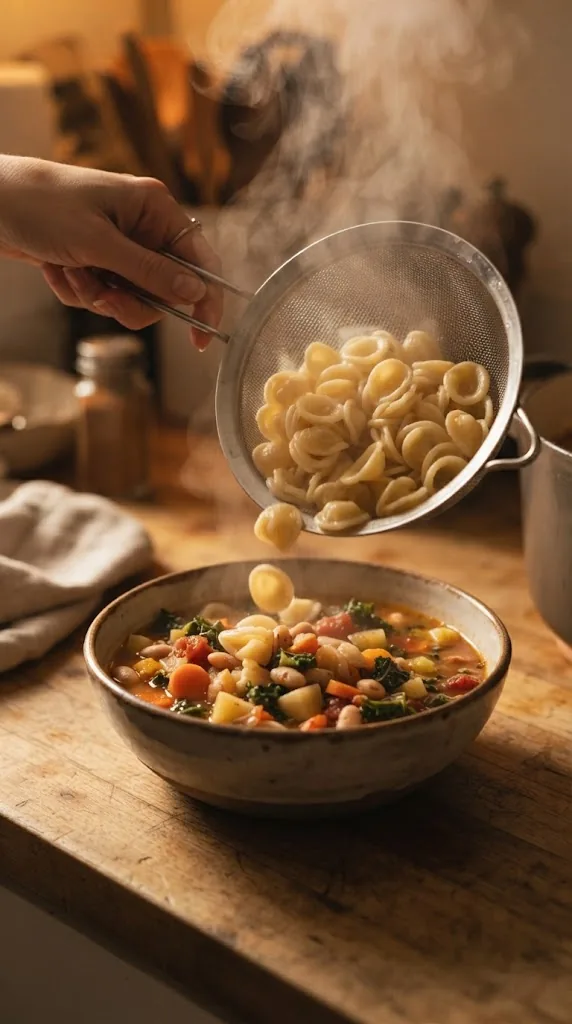
- Cooked pasta and potatoes in soup can become very mushy after freezing and thawing; consider adding them fresh when reheating.
- Do not leave soup out at room temperature to thaw for food safety reasons.
Food safety notes
Always cool cooked soup quickly using shallow containers and refrigerate or freeze it within 2 hours of cooking. If soup was thawed safely in the refrigerator, it can be refrozen, though quality will degrade.
Other ways to keep soup
- Store in the refrigerator for up to 3 to 4 days if you plan to eat it soon.
- Pressure can broth-based soups with a tested recipe for shelf-stable storage.
Common questions
Can I freeze soup with pasta or rice in it?
Yes, you can, but pasta and rice absorb liquid and tend to become very soft or mushy after freezing and thawing. For the best texture, it is often better to freeze the soup base without them and add freshly cooked pasta or rice when reheating.
How can I prevent my cream soup from separating in the freezer?
Cream-based soups often separate because the dairy fats and liquids pull apart during the freezing process. To minimize this, try using heavy cream instead of milk, as higher fat content resists separation better, and whisk the soup vigorously as you reheat it.
Is it safe to refreeze thawed soup?
You can safely refreeze soup if it was thawed properly in the refrigerator and has not spent more than 3 to 4 days there. However, the texture and flavor quality will degrade significantly with each freeze and thaw cycle.
Can I freeze soup in glass mason jars?
Freezing soup in glass jars is risky because the liquid expands as it turns to ice, which can easily crack or shatter the glass. If you must use glass, choose wide-mouth jars specifically labeled as freezer-safe, and always leave ample headspace without sealing the lid too tightly until frozen.
Why does my frozen soup taste sour or flat after a few months?
Soup can lose its vibrant flavor over time due to mild freezer burn or oxidation if it was not sealed in airtight packaging. Additionally, certain herbs and spices lose their potency in the freezer, which can leave the thawed soup tasting dull or flat compared to when it was fresh.
Sources
- USDA FSIS: Freezing and Food Safety
- FoodSafety.gov: FoodKeeper storage times
- National Center for Home Food Preservation: Freezing
Freezer times are for best quality. Food kept at 0°F (-18°C) stays safe indefinitely, but always thaw it in the fridge, in cold water or in the microwave, never on the counter. When in doubt, throw it out. See the USDA freezing guide.