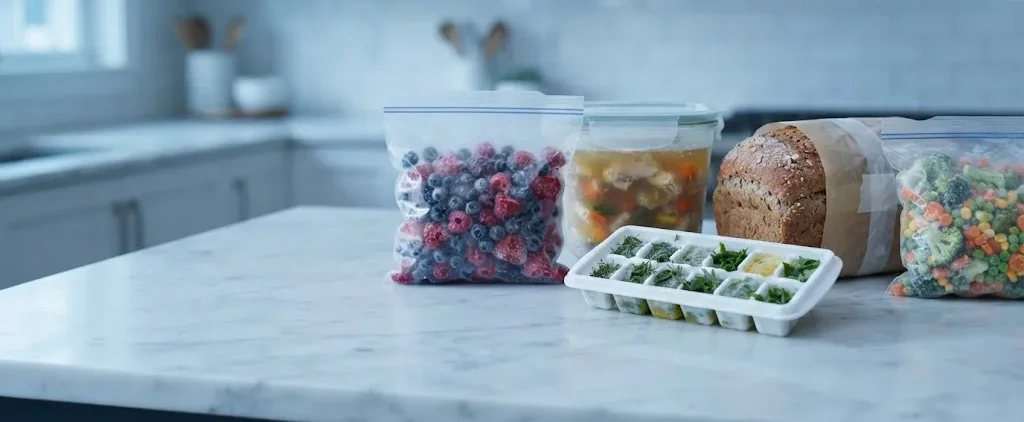
Yes, but freezing changes the texture of yogurt by making it grainy and watery.
Why
Yogurt contains a high amount of water and delicate dairy proteins. When frozen, the water forms large ice crystals that separate from the dairy solids. Once thawed, the emulsion breaks, causing the yogurt to look curdled, watery, and grainy. While it is completely safe to eat after freezing, the change in texture means plain thawed yogurt is rarely pleasant to eat straight from the container. It works best when blended into cooked dishes or smoothies where the texture difference disappears.
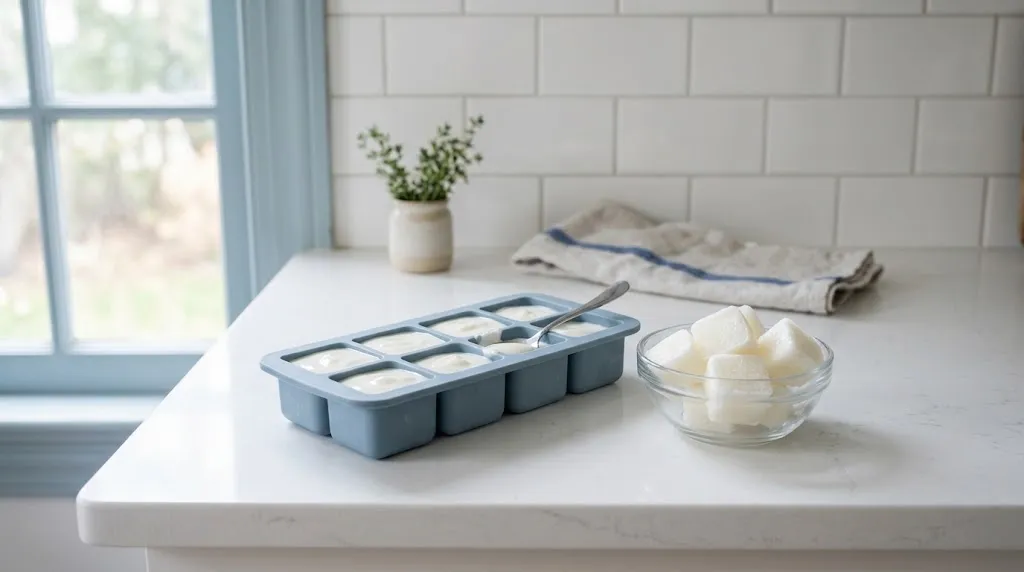
What freezing does to yogurt
- Texture: Becomes significantly grainier, curdled, and less smooth due to ruptured dairy emulsions.
- Moisture: Experiences severe syneresis, resulting in pools of watery whey separating from the solids.
- Flavor: May taste slightly more tart or sharp after thawing due to the separation of liquids and acids.
Types of yogurt and how they freeze
- Full-fat yogurt: Freezes better than low-fat or fat-free versions because the higher fat content helps buffer against harsh ice crystal formation.
- Flavored and fruit yogurts: Freeze decently well for smoothies, but added sugars can cause the fruit chunks to become mushy and the syrup to separate upon thawing.
- Non-dairy yogurts: Almond, soy, and coconut milk yogurts freeze poorly because plant-based thickeners and stabilizers break down entirely, resulting in an unappealingly watery texture.
How to freeze yogurt
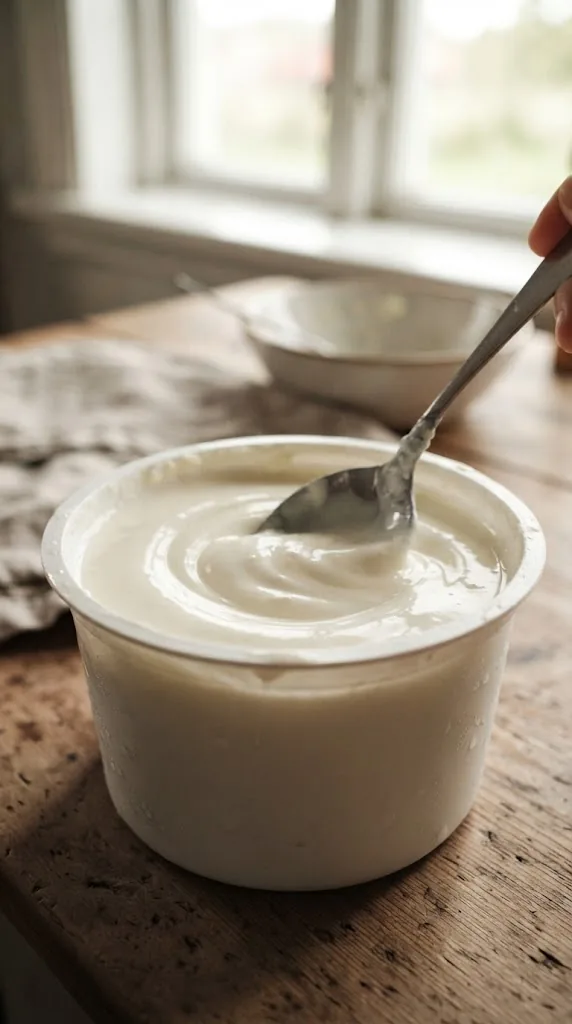
- Stir the yogurt well to evenly distribute any natural liquid whey before freezing.
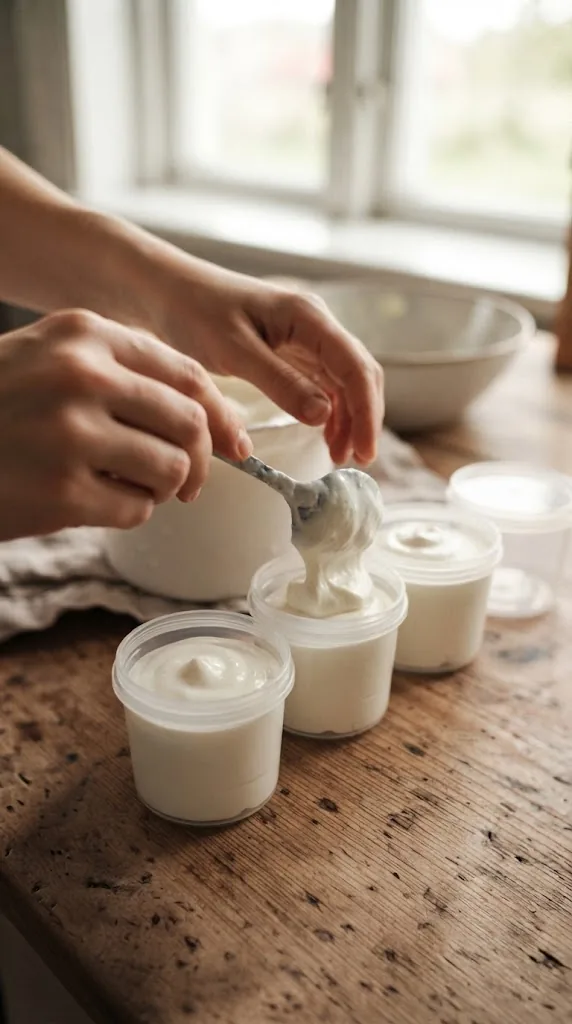
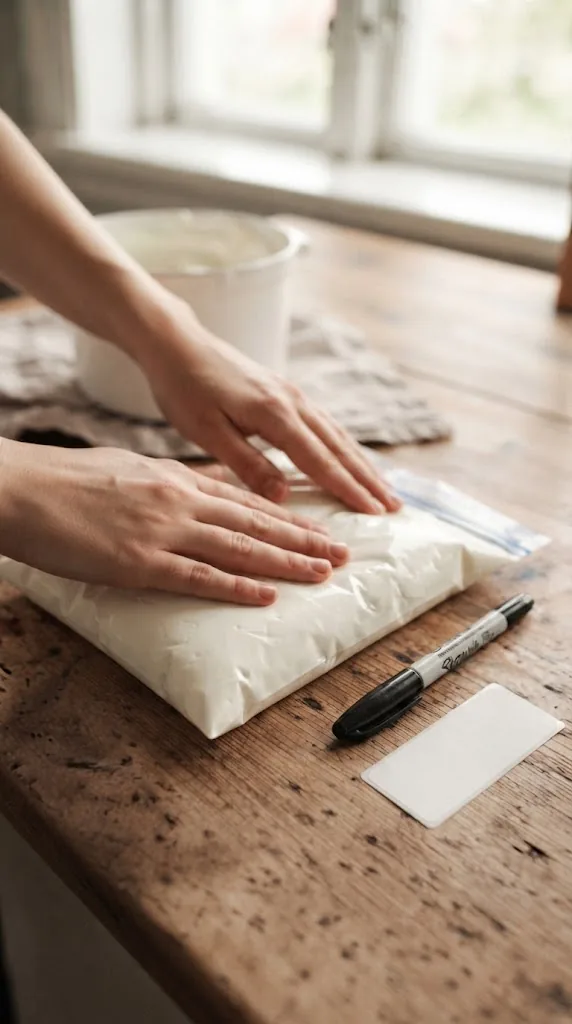
- Portion the yogurt into freezer-safe airtight containers, silicone molds, or freezer bags.
- Leave about half an inch of headspace at the top of the container to allow for expansion.
- Press the air out of freezer bags and seal them tightly.
- Label the container with the date and freeze for up to two months.
Best containers for freezing yogurt
- Freezer bags: press out as much air as you can and freeze them flat so they stack and thaw faster.
- Airtight rigid containers: best for soft or liquid foods. Leave about 1/2 inch of headspace because food expands as it freezes.
- Sheet pan first: freeze pieces in a single layer for an hour or two, then bag them so they don’t clump together.
- Label everything: write the item and the date on every package.
For yogurt: Portion yogurt into small silicone ice cube trays or airtight freezer bags for easy single-serving use, leaving half an inch of headspace for expansion.
How to thaw yogurt
- Place the frozen yogurt in the refrigerator overnight until fully thawed.
- Stir vigorously after thawing to recombine the separated liquid and solids as much as possible.
- Use the thawed yogurt immediately in cooking or baking recipes.
Best ways to use frozen yogurt
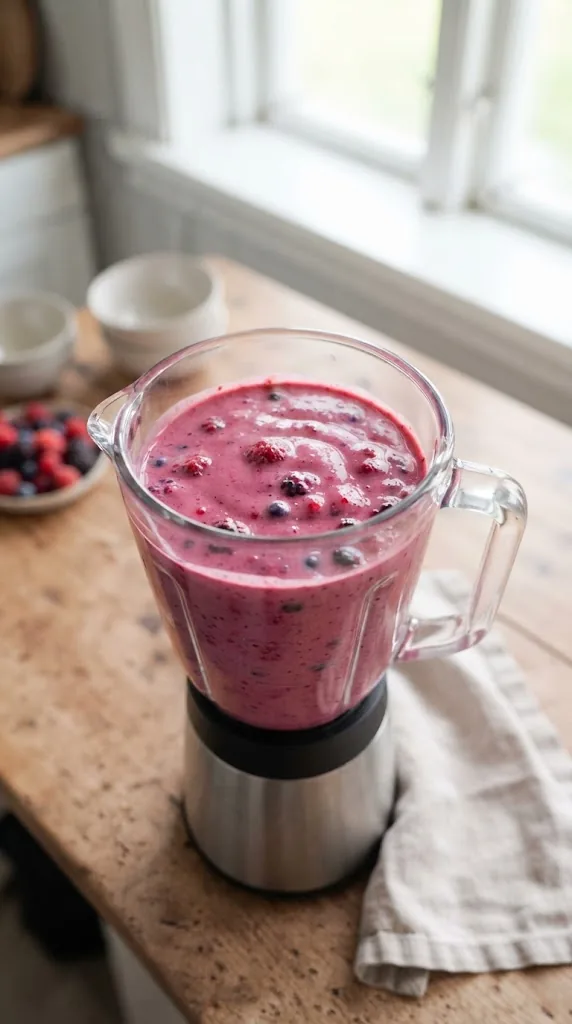
- Great for blending directly into frozen fruit smoothies and protein shakes.
- Works well as a moistening agent in baked goods like muffins and quick breads.
- Not suitable for eating plain with a spoon, dolloping onto tacos, or serving as a fresh dip due to the broken texture.
Fixing the texture: Strain the thawed yogurt through a cheesecloth to remove excess water, then blend it vigorously in a food processor or blender to restore some of its creamy consistency.
How long yogurt keeps
| Where | How long |
|---|---|
| Freezer (0°F / -18°C) | 1-2 months |
| Refrigerator (40°F / 4°C) | 1-2 weeks |
| Pantry / counter | Not recommended |
Can you refreeze yogurt?
Yes, you can refreeze thawed yogurt as long as it was thawed safely in the refrigerator and has not been left at room temperature for more than two hours. However, doing so will cause the texture to degrade even further, leaving it exceptionally watery and grainy.
- Cook or bake the yogurt into a recipe before freezing it again.
- Freeze the yogurt in small portions so you only thaw what you need at one time.
The rules for every food: Can you refreeze food after thawing?
Watch out for
- Expect a grainy or watery texture after thawing, as plain yogurt does not return to its original creamy consistency.
- Full-fat yogurts generally freeze slightly better than fat-free or low-fat varieties due to the higher fat content.
- If you freeze yogurt in glass, use freezer-safe jars and leave headspace, since it expands as it freezes.
Food safety notes
If yogurt has been thawed safely in the refrigerator, it can technically be refrozen within 3-4 days, though the quality will degrade severely. Discard any yogurt that develops an off odor, visible mold, or unusual discoloration.
Other ways to keep yogurt
- Keep yogurt in the coldest part of the refrigerator and use it within 1-2 weeks.
- Use excess yogurt to make frozen yogurt popsicles before it spoils.
- Bake yogurt into quick breads, muffins, or cakes that use it as a moistening agent.
Common questions
Can I freeze Greek yogurt?
Yes, Greek yogurt freezes slightly better than regular yogurt because it has a lower water content and higher protein density, though it will still experience some separation upon thawing.
Can I refreeze thawed yogurt?
It is not recommended to refreeze yogurt that has already been thawed because the texture degradation will worsen significantly, and quality will be severely compromised.
How can I fix watery thawed yogurt?
You can strain thawed yogurt through a cheesecloth or coffee filter to remove excess liquid, or simply whisk it vigorously before blending it into smoothies.
Can I freeze yogurt in its original plastic tub?
It is not recommended to freeze store-bought yogurt in its original plastic container because the thin plastic can crack easily at low temperatures and does not provide an airtight seal, leading to freezer burn.
Does freezing destroy the live probiotic cultures in yogurt?
Freezing can shock and kill a significant portion of the beneficial probiotic bacteria, meaning thawed yogurt will offer fewer live cultures than fresh yogurt.
Sources
- USDA FSIS: Freezing and Food Safety
- FoodSafety.gov: FoodKeeper storage times
- National Center for Home Food Preservation: Freezing
Freezer times are for best quality. Food kept at 0°F (-18°C) stays safe indefinitely, but always thaw it in the fridge, in cold water or in the microwave, never on the counter. When in doubt, throw it out. See the USDA freezing guide.