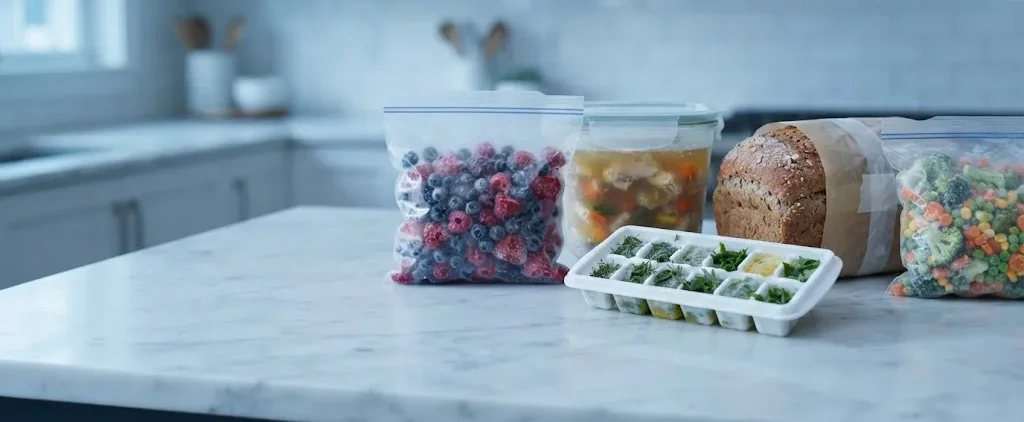
Yes, you can freeze gravy successfully.
Why
Gravy freezes well because its liquid base and thickening agents hold up decently to cold temperatures, though the fats and starches can sometimes separate slightly during the freezing process. When you reheat it, vigorous stirring helps emulsify the sauce back together so it regains its smooth, rich consistency. Whether it is made with pan drippings, flour, cornstarch, or broth, proper cooling and airtight packaging prevent freezer burn and keep the flavors fresh for your next meal.
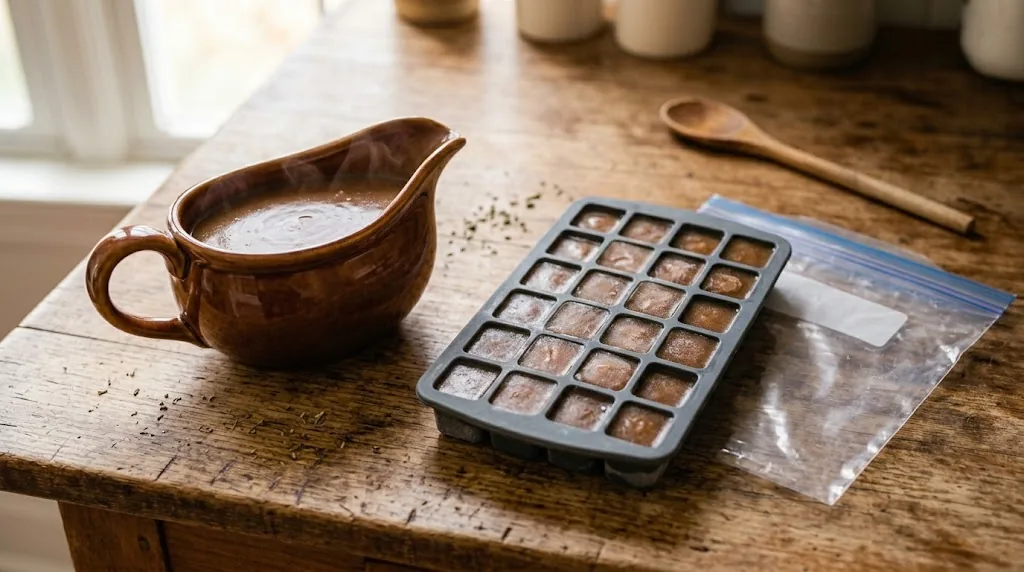
What freezing does to gravy
- Texture: Starches can occasionally experience slight graininess or mild separation during the freezing process.
- Flavor: Herbs and seasonings may subtly mellow out over extended periods of deep storage.
Types of gravy and how they freeze
- Cream-based gravy: Milks and heavy creams curdle easily when frozen, so they require extra-gentle thawing in the refrigerator and vigorous whisking over low heat.
- Cornstarch-thickened gravy: These varieties can sometimes turn slightly spongy or watery upon thawing, though a thorough reheating usually helps smooth them out.
- Pan-dripping gravy: High fat content from meat drippings can separate into a pool of oil at the top, which you should skim off before reheating to restore proper consistency.
How to freeze gravy
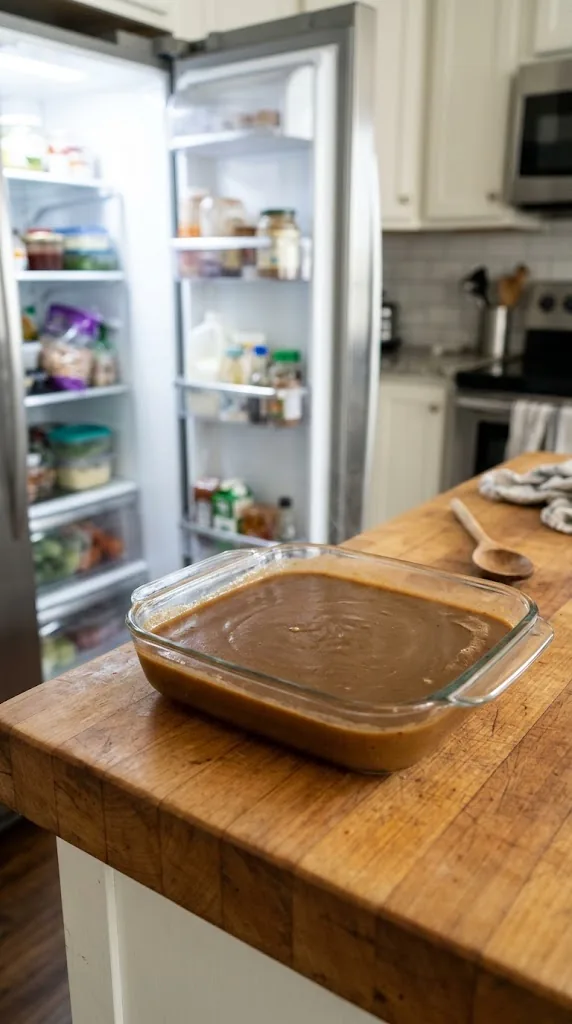
- Let the gravy cool down quickly in shallow containers and refrigerate within two hours of cooking.
- Skim off any excess surface fat before freezing to prevent separation issues.
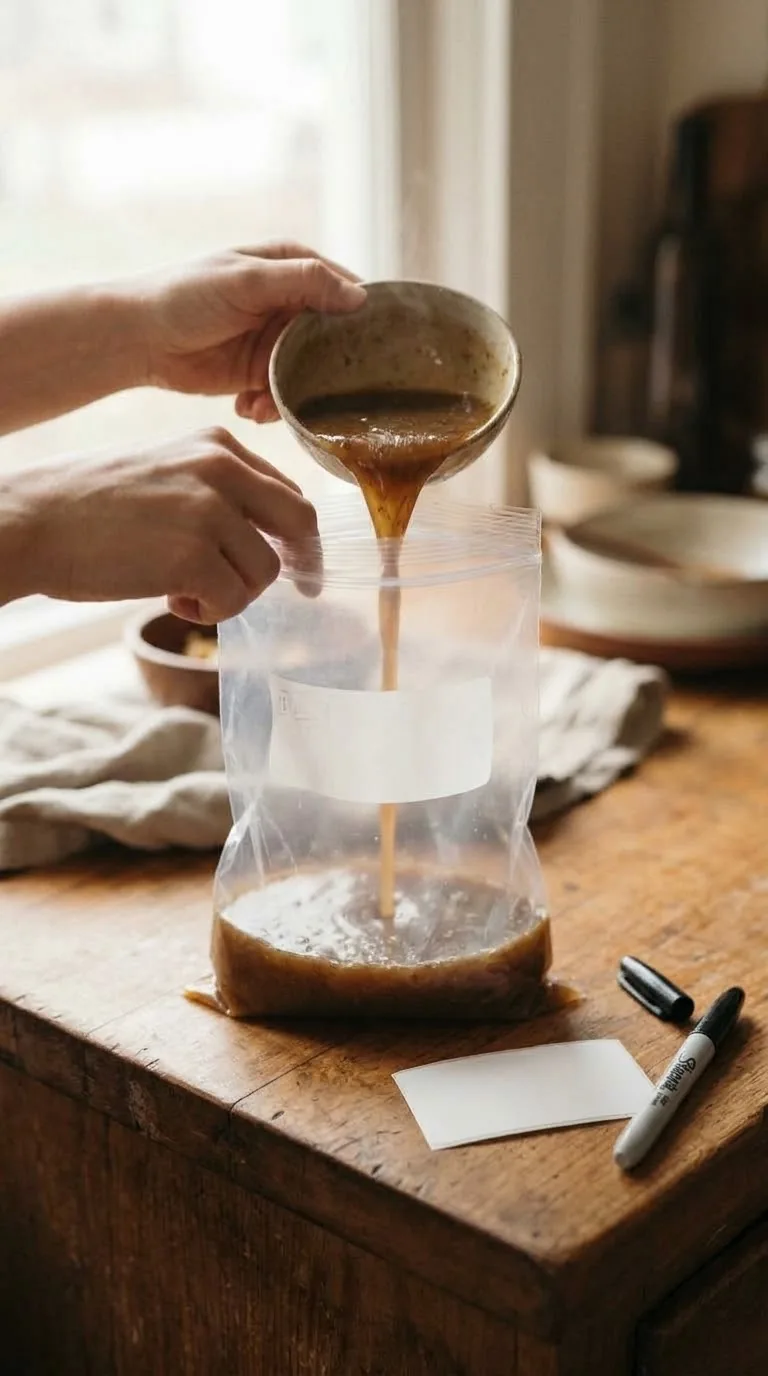
- Pour the cooled gravy into freezer-safe containers or heavy-duty freezer bags, leaving a little headspace for expansion.
- Seal tightly, label with the date, and place in the freezer.
Best containers for freezing gravy
- Freezer bags: press out as much air as you can and freeze them flat so they stack and thaw faster.
- Airtight rigid containers: best for soft or liquid foods. Leave about 1/2 inch of headspace because food expands as it freezes.
- Sheet pan first: freeze pieces in a single layer for an hour or two, then bag them so they don’t clump together.
- Label everything: write the item and the date on every package.
For gravy: Pour cooled gravy into heavy-duty freezer bags laid flat or rigid airtight containers, leaving about half an inch of headspace to allow for liquid expansion.
How to thaw gravy
- Thaw the gravy in the refrigerator overnight.
- Alternatively, submerge the sealed bag in cold water, changing the water every 30 minutes until thawed.
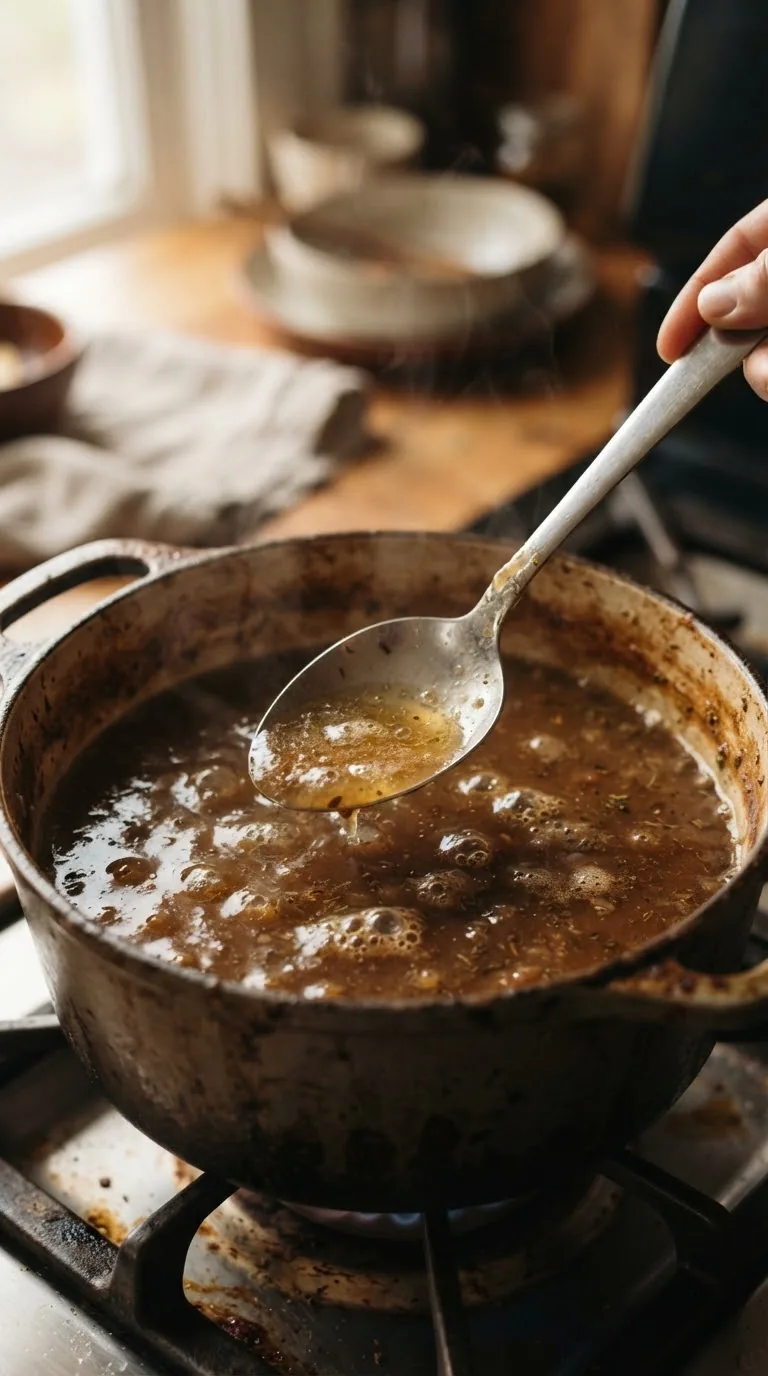
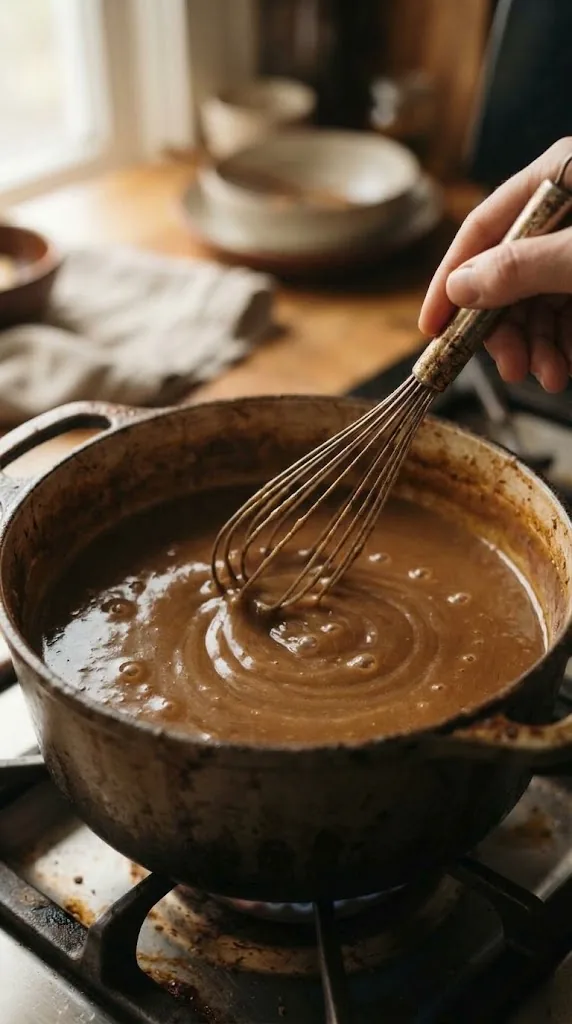
- Reheat the thawed gravy on the stovetop over low heat, whisking constantly to restore its smooth texture.
How to reheat gravy
- Transfer the thawed gravy to a saucepan and place it on the stovetop over low to medium-low heat.
- Whisk constantly while heating until the sauce is uniform and smooth.
- Heat thoroughly until it reaches an internal temperature of 165°F (74°C) before serving.
Best ways to use frozen gravy
- Great for pouring over mashed potatoes, meatloaf, and Sunday roasts.
- Ideal as a rich flavor base for savory pot pies, stews, and casseroles.
- Not recommended for delicate cold dressings or raw salad applications.
Fixing the texture: Whisking vigorously over low heat while adding a tiny splash of broth or milk helps emulsify separated fats and starches back into a smooth sauce.
How long gravy keeps
| Where | How long |
|---|---|
| Freezer (0°F / -18°C) | 3-4 months |
| Refrigerator (40°F / 4°C) | 3 to 4 days |
| Pantry / counter | Not recommended |
Can you refreeze gravy?
Yes, you can refreeze gravy if it was safely thawed in the refrigerator within the last three to four days and never left at room temperature for more than two hours. However, subjecting gravy to a second freeze will cause further degradation to the starches and fats, resulting in a more pronounced graininess or separation when you eventually reheat it.
- Only refreeze gravy that was thawed in the refrigerator and kept safe.
- If you thawed the gravy using cold water, you must cook it thoroughly into a new dish before freezing again.
- Portion the gravy into smaller amounts before refreezing so you only thaw what you plan to use.
The rules for every food: Can you refreeze food after thawing?
Watch out for
- Gravy thickened with flour or cornstarch may sometimes separate or grain up slightly upon thawing, but whisking during reheating usually fixes this.
- Dairy-based gravies, such as milk or cream gravies, are more prone to curdling and separating in the freezer.
- Leave headspace in your containers because liquids expand as they freeze.
Food safety notes
Always cool cooked gravy quickly in shallow containers and refrigerate within two hours of preparation to prevent harmful bacterial growth. If gravy was safely thawed in the refrigerator, it can be refrozen within three to four days.
Other ways to keep gravy
- Store in the refrigerator for up to 3 to 4 days.
- Freeze the broth and pan drippings separately and make a fresh roux-based gravy later.
Common questions
Can I freeze gravy made with milk or cream?
Yes, but dairy-based gravies separate and curdle more easily than broth-based ones. Thaw them slowly in the fridge and whisk vigorously over low heat to bring them back together.
How can I fix separated gravy after thawing?
Reheat the gravy gently on the stove while whisking constantly. Adding a small splash of broth, milk, or a tiny pat of butter can also help smooth out the texture.
Can I freeze gravy with meat pieces in it?
Yes, gravies containing bits of turkey, beef, or chicken freeze very well. Just ensure the meat was safely cooked and cooled before mixing it into the sauce.
Can I freeze gravy in individual portions for quick meals?
Yes, freezing gravy in muffin tins or small silicone blocks allows you to pop out single servings for quick meals. Once frozen solid, transfer the portions into a larger freezer bag for easy daily access.
Why does my thawed gravy taste a bit bland compared to when I made it?
Freezing tends to dull delicate flavors, and seasonings like salt, pepper, or herbs can lose their punch over time. Taste your gravy after reheating it and adjust the seasonings with a pinch of salt or fresh herbs to revive its flavor.
Sources
- USDA FSIS: Freezing and Food Safety
- FoodSafety.gov: FoodKeeper storage times
- National Center for Home Food Preservation: Freezing
Freezer times are for best quality. Food kept at 0°F (-18°C) stays safe indefinitely, but always thaw it in the fridge, in cold water or in the microwave, never on the counter. When in doubt, throw it out. See the USDA freezing guide.